


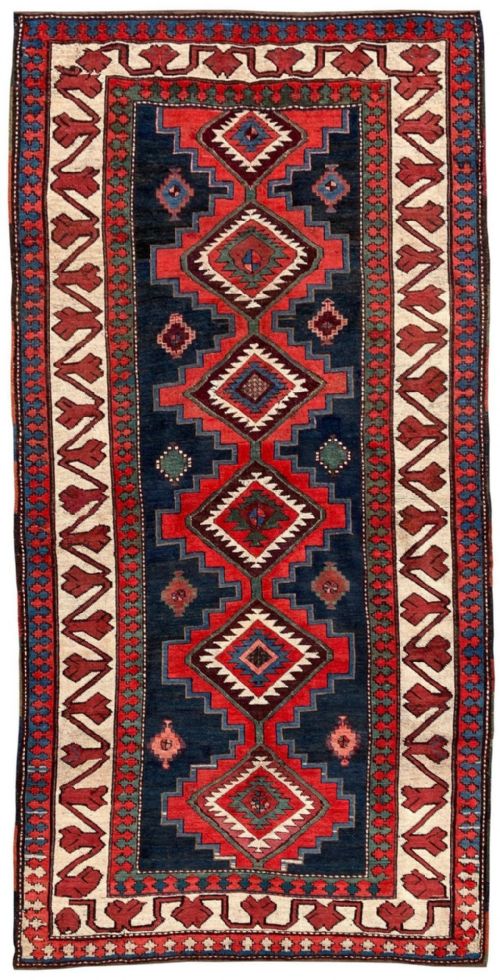
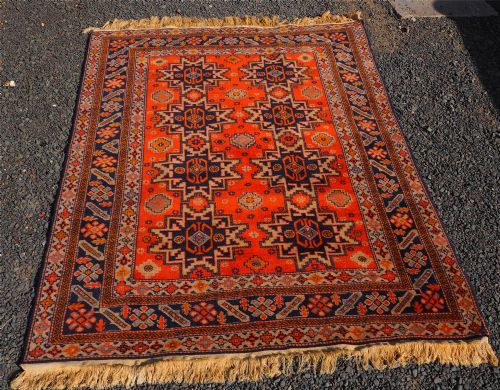
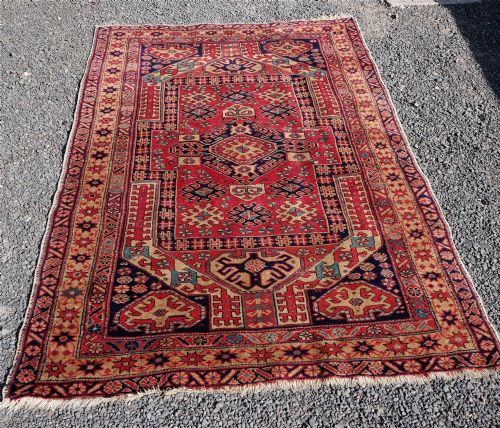
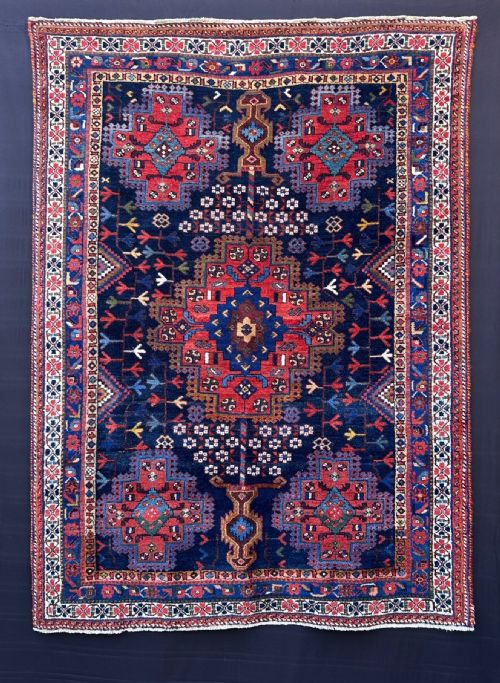
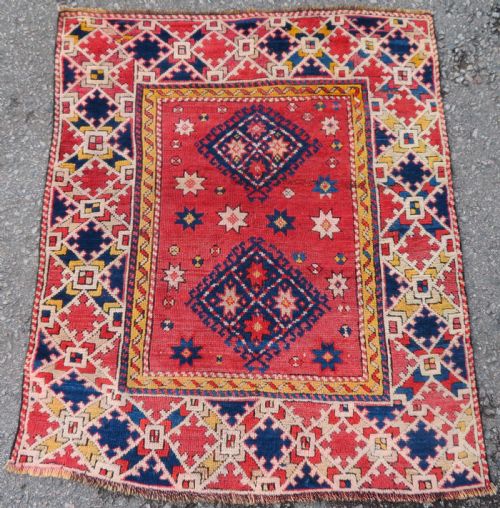
Geometric Tribal Area Rug
These pieces known as a geometric tribal area rug combine striking angular motifs with nomadic utility, bringing texture and character to any floor.
Geometric Tribal Area Rug
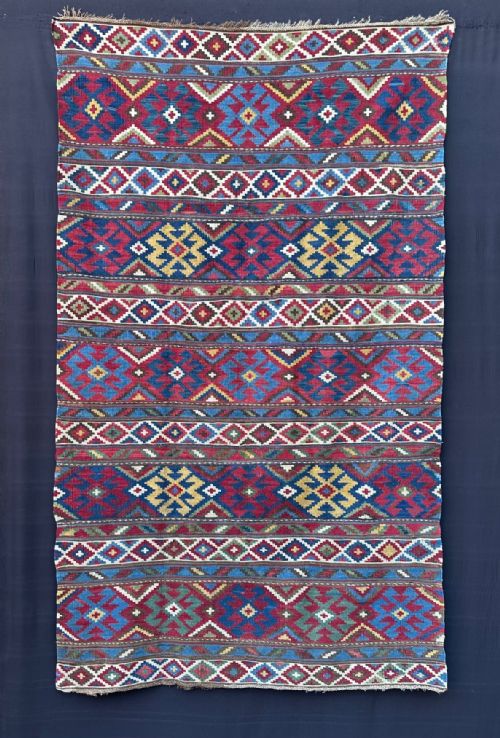
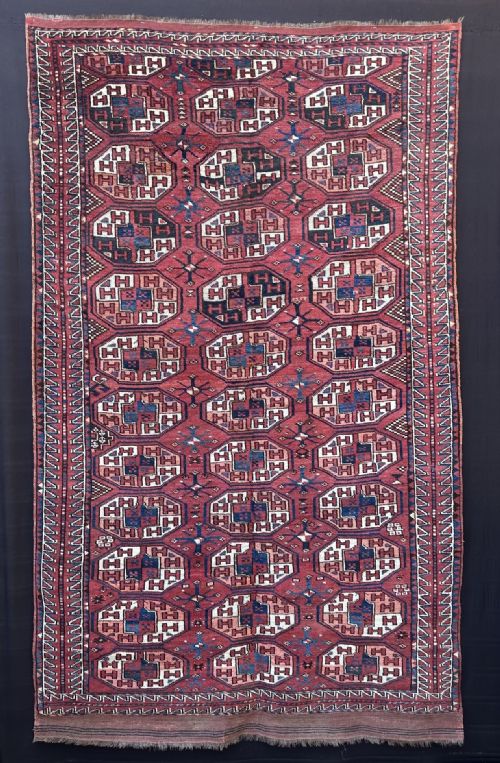
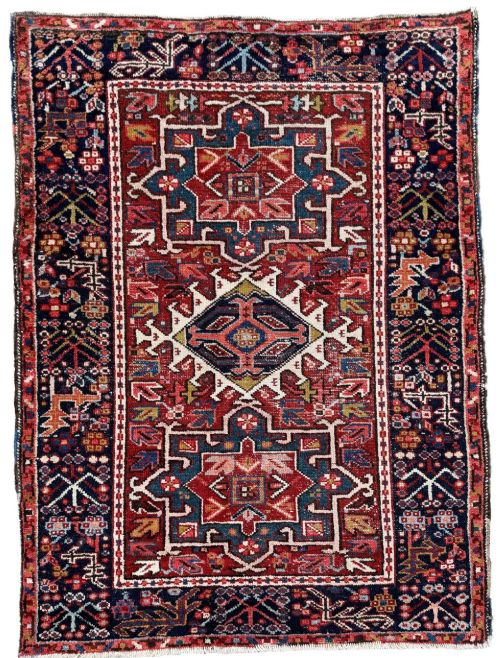
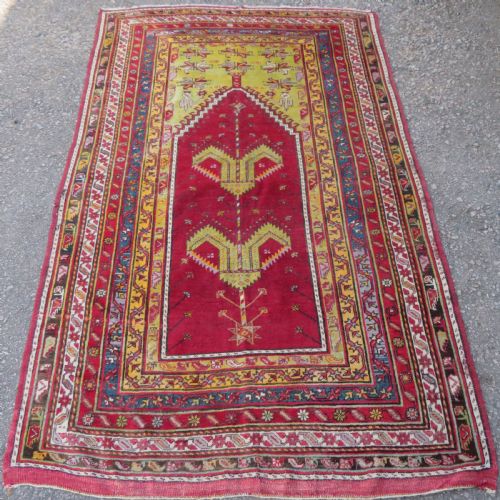
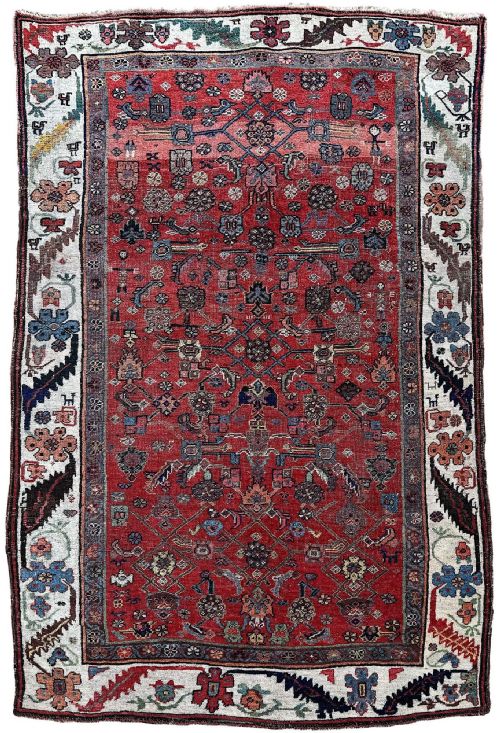
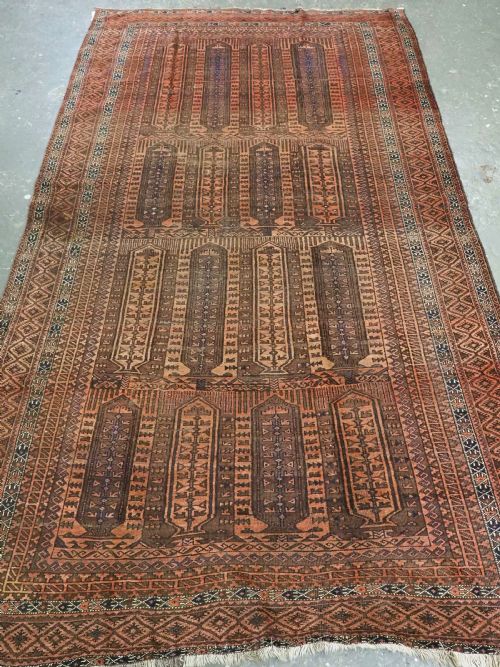
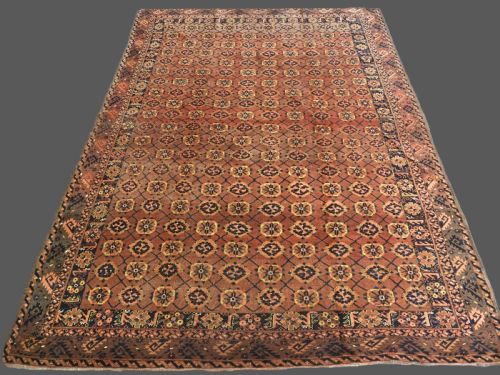
A geometric tribal area rug brings together centuries of village and nomadic weaving traditions from regions spanning the Caucasus, Persia, Turkey, and Central Asia. When you search for this phrase, you encounter floor coverings made by various tribes and confederacies, including Baluch, Khamseh, Yomut, and Kazak groups. These floor coverings range from smaller accent formats and prayer mats to large carpets suited for principal rooms.
The dominant aesthetic relies on angular medallions, lattice layouts, cruciform motifs, and repeated guls rather than floral curves. Examples on this page stretch in date from the nineteenth century through the early decades of the twentieth century, reflecting traditional village production methods before mass-manufactured alternatives dominated the market.
Materials and Construction
Weavers utilised hand-spun wool and occasionally camel hair or camel wool for the pile and foundation yarns, yielding a dense, resilient structure that absorbs natural dyes effectively. These natural dyes produce varied, mellow tones that age gracefully over decades of use.
The technique involves hand-knotting the pile onto vertical or horizontal looms, securing the warps and wefts to create durable textiles designed for daily life in harsh climates. Many surviving pieces show distinct regional knotting densities and wool qualities characteristic of specific village workshops and nomadic camps.
Geometric Tribal Area Rug Retail Price Guide 2026
Typical asking prices for geometric tribal area rug among the pieces listed under this phrase on Sellingantiques today, from the lower quarter to the upper quarter. They describe what is for sale here now, not the wider market.
Listings span the nineteenth century through the 1930s, featuring wool, cotton, and camel hair structures dyed with natural colours.
Distinctions in Quality
Quality in these textiles depends heavily on the purity and lustre of the wool, alongside the complexity and precision of the geometric design. Superior examples display deeply saturated natural dyes and tight, even knotting that maintains structural integrity across the field.
Condition and completeness also separate standard examples from finer survivals, with original braided or kelim-weave ends indicating a well-preserved piece. The vibrancy of the palette and the clarity of the tribal motifs dictate the overall visual impact of each rug.
The Geometric Tribal Area Rug Glossary
- Prayer Rug
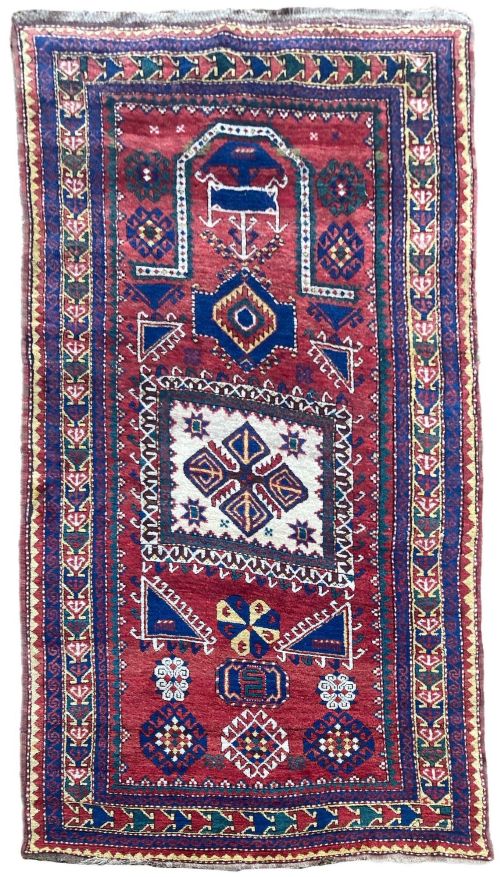
- A textile featuring a mihrab or niche design, traditionally used for daily Islamic prayers. These formats usually measure in smaller dimensions suited for individual kneeling.
- Guls
- Repeated octagonal or medallion-like motifs commonly found in Turkmen and Baluch weaving traditions. They often identify the specific tribe or clan that produced the textile.
- Kelim
- A flat-woven carpet or rug produced without a pile by tightly interweaving warp and weft strands. These are frequently used as structural ends or independent coverings.
- Mihrab
- The arched niche design depicted on prayer rugs, symbolising the direction of Mecca. Its point guides the orientation of the textile during ritual use.
Geometric Tribal Area Rug: Frequently Asked Questions
Where were these rugs made?
Production centres span the Caucasus, Persia, Turkey, and Turkmenistan, reflecting the traditional territories of various nomadic tribes and village confederacies.
Weavers in regions such as Shirvan, Kazak, and Kerman produced distinct regional styles using locally sourced materials and hereditary geometric patterns.
How do I care for a wool rug?
Regular gentle vacuuming without a rotating power brush helps remove grit from the wool pile without damaging the foundation yarns.
Professional cleaning tailored to antique textiles preserves the natural lanolin in the hand-spun wool and prevents dye bleeding.
How do I identify a Kazak piece?
Caucasian Kazak pieces typically feature bold primary geometric medallions, hooked polygons, and a bright, contrasting colour palette using saturated natural dyes.
They are further distinguished by robust wool structures and heavier pile construction compared to finer Persian workshop carpets.