





Geometric Persia Runner Rug
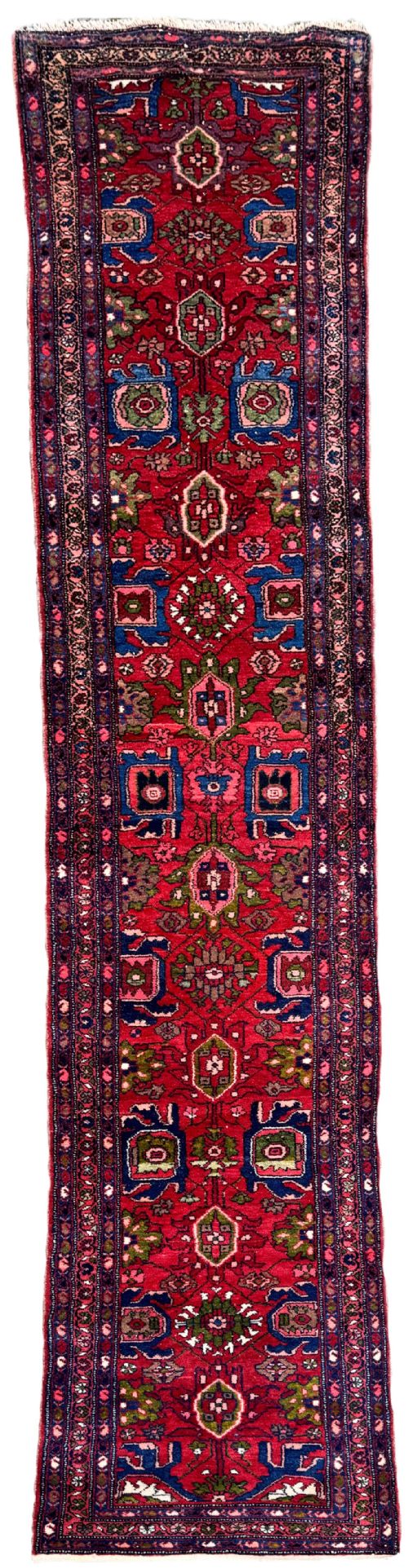
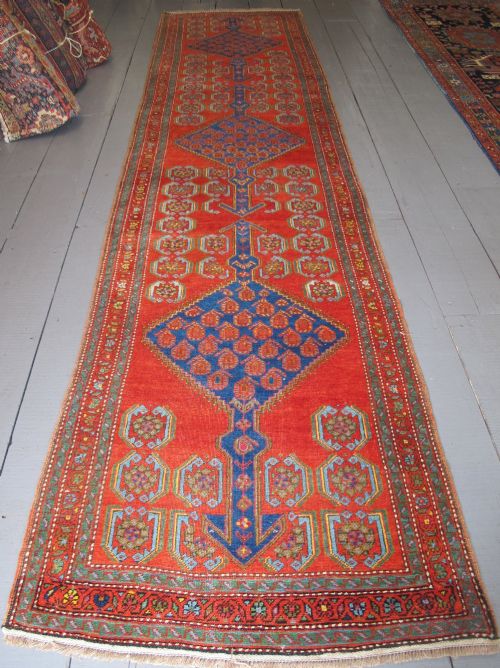
A geometric persia runner rug brings the structured tribal motifs and rich palettes of nineteenth and early twentieth century weaving directly into hallways and long spaces.
Geometric Persia Runner Rug
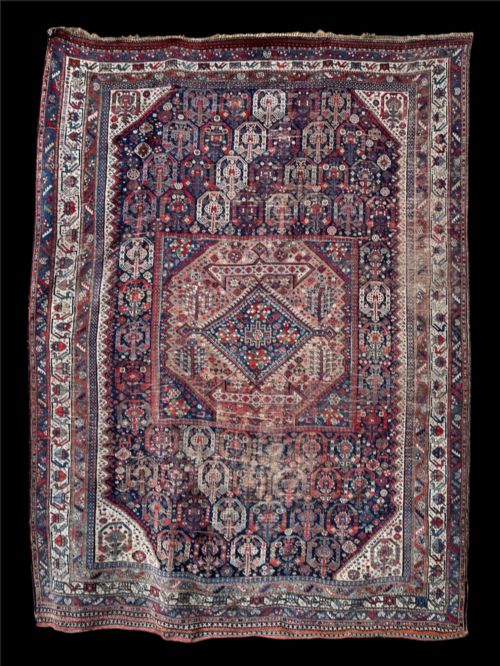
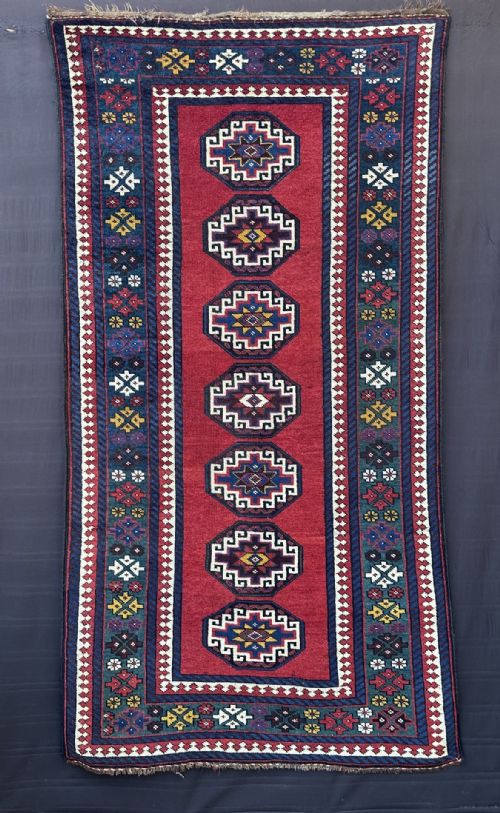
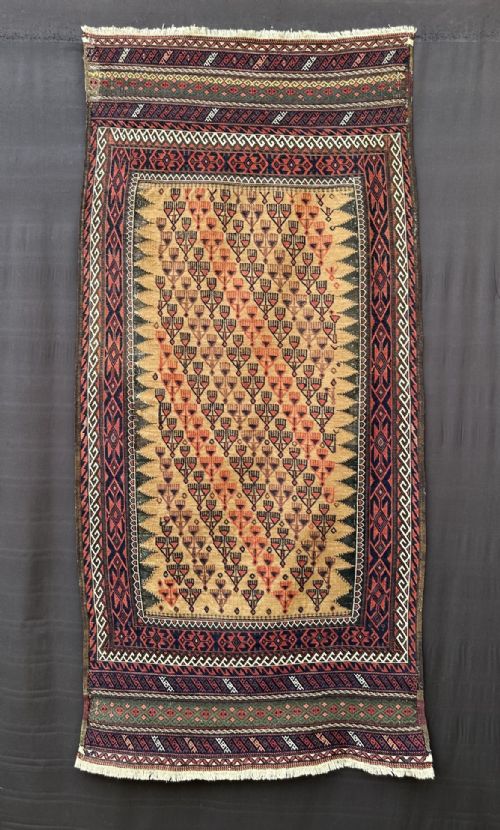
When searching for a geometric persia runner rug, buyers encounter narrow, elongated woven floor coverings originating from various regions and tribes across Persia. These pieces span production dates from the late nineteenth century through to the early decades of the twentieth century, reflecting distinct regional weaving traditions.
The selections available include specific tribal and village formats such as Hamadan, Bakshaish, Heriz, and Kurdish narrow runners. These formats display repeat medallions, angular lattice work, and stylized botanical elements suited to corridor placement.
How they were made
The pieces documented utilise handspun wool foundations and pile yarns, frequently combined with cotton for warp and weft structures. Weavers employed natural dyes to achieve deep indigo, madder red, and earthy tone variations across the surface.
Tribal and village workshops constructed these runners on vertical or horizontal looms using asymmetric or symmetric knotting techniques. The resulting textiles provide dense, durable floor surfaces designed for heavy domestic utility.
Listings span production dates from the eighteen-seventies through to the nineteen-thirties, dominated by wool foundations and natural dyes.
What varies in quality
Quality differences stem from the precision of the knot density, the clarity of the geometric drawing, and the depth achieved through natural dyeing methods. Finer pieces demonstrate meticulous execution of angular lines and well-balanced border proportions.
The integrity of the wool pile and the condition of the original selvedges and ends influence the overall structural merit. Higher grade examples retain crisp motif outlines and supple foundations despite age and wear.
Waring and Gillow
The Geometric Persia Runner Rug Glossary
- Runner
- A long, narrow carpet format traditionally utilised in corridors, hallways, and beside beds. These pieces measure significantly greater in length than in width.
- Natural Dyes
- Colourants derived from plant, insect, and mineral sources prior to the widespread adoption of synthetic aniline dyes. These materials produce complex, harmonious patinas as they age.
- Medion
- A central decorative motif placed within the field of a rug, often repeated in geometric sequences along the vertical axis of runners.
- Warp
- The stationary vertical threads stretched onto a loom that form the structural foundation of the woven textile. Weft threads are interlaced across these foundational elements.
- Selvedge
- The reinforced outer edges of a rug formed by wrapping the lateral warp threads to prevent fraying and maintain the rectangular shape.
Geometric Persia Runner Rug: Frequently Asked Questions
Where were these runner rugs placed originally?
These narrow formats were traditionally positioned in long hallways, entrance corridors, and connecting passageways within Persian homes. Their elongated dimensions protected high traffic timber floors while adding warmth to transitional spaces.
Nomadic and village households also utilised similar long formats inside tents and mudbrick dwellings where floor space followed linear architectural layouts.
How do I distinguish regional Persian tribal designs?
Regional attribution relies on observing specific structural traits, palette choices, and motif geometries. Pieces from the north-west often feature bold angular medallions and crab motifs, while western and southern tribal weaves incorporate tighter lattice patterns and darker indigo grounds.
Examining the selvedge finish and the specific wool characteristics further aids in separating village productions from nomadic pieces.
What is the best way to care for an antique wool runner?
Regular gentle vacuuming without a rotating brush roll prevents dust accumulation within the wool pile. Professional conservation cleaning should be undertaken periodically by specialists familiar with antique vegetable dyed textiles.
Placing a breathable rug underlay beneath the piece prevents sliding and reduces friction against hard flooring surfaces.
Are natural dyes easy to identify on older carpets?
Natural dyes display subtle abrash, which is a gentle tonal variation within a single colour field caused by batch dyeing yarn with plant or insect extracts. These shades mellow gracefully over decades rather than fading harshly.
Chemical testing or examining the base of the pile knots reveals whether the dyestuffs penetrated the wool fibres evenly before weaving began.