



Caucasian Style Runner Rug
A caucasian style runner rug brings geometric patterns and tribal character to a hallway, formed from centuries-old weaving traditions.
Caucasian Style Runner Rug
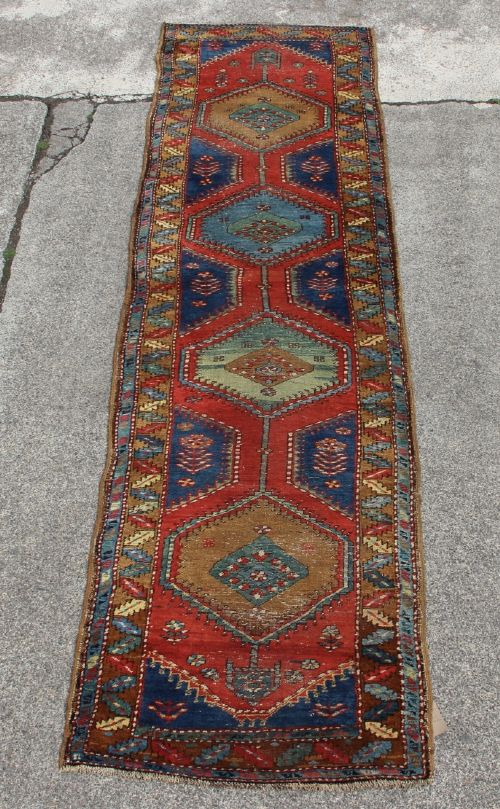
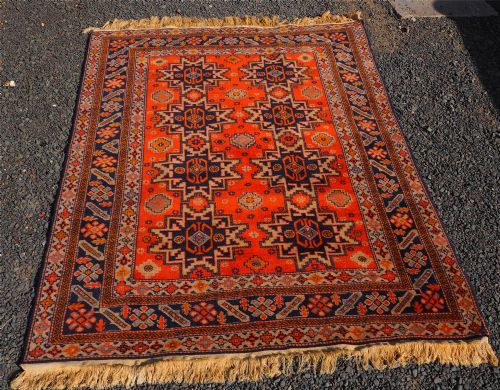
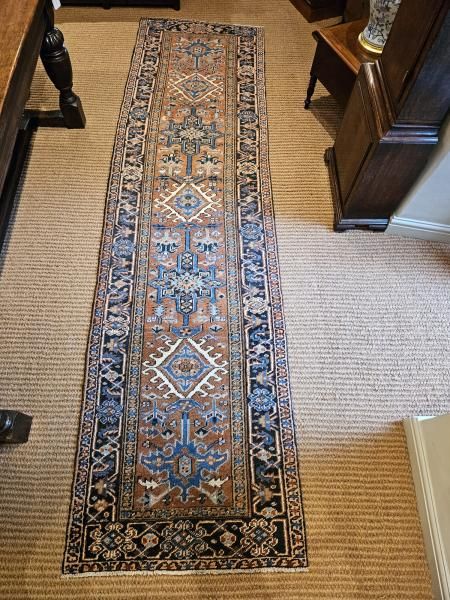
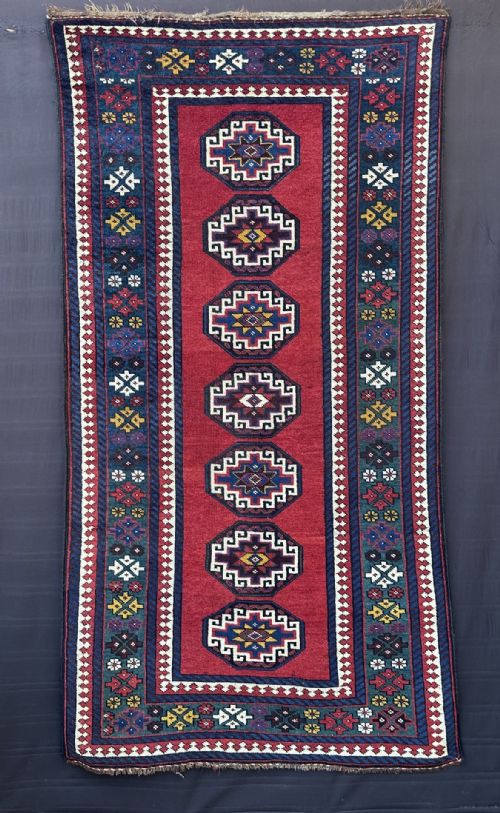
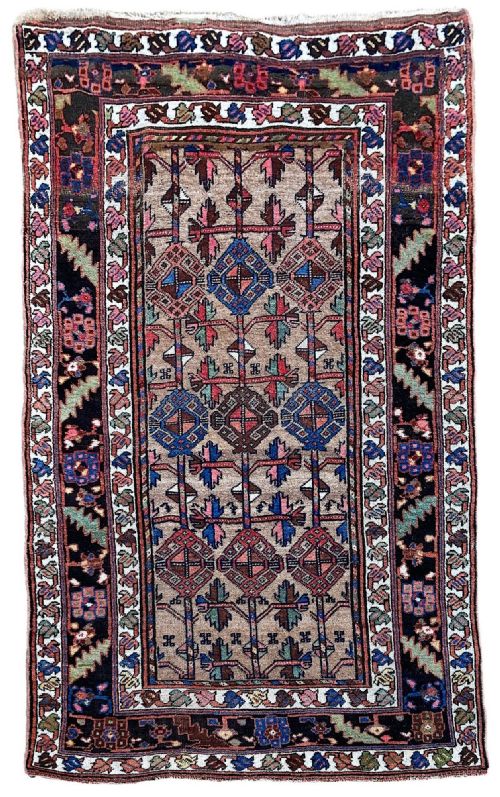
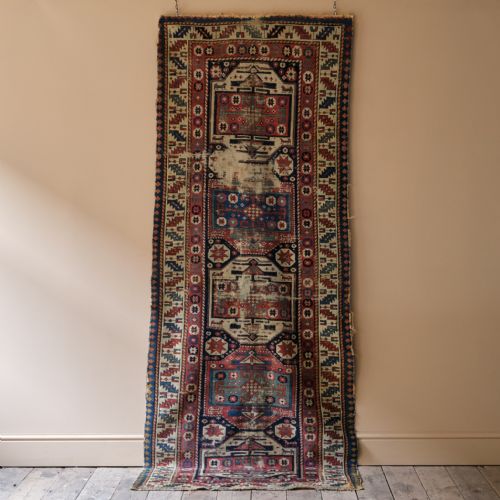
A caucasian style runner rug embodies the bold geometry and tribal motifs characteristic of nineteenth and early twentieth-century weaving traditions from the Caucasus and north-west Persia. These long, narrow formats suit hallways and corridors, providing durable floor coverings designed for heavy foot traffic.
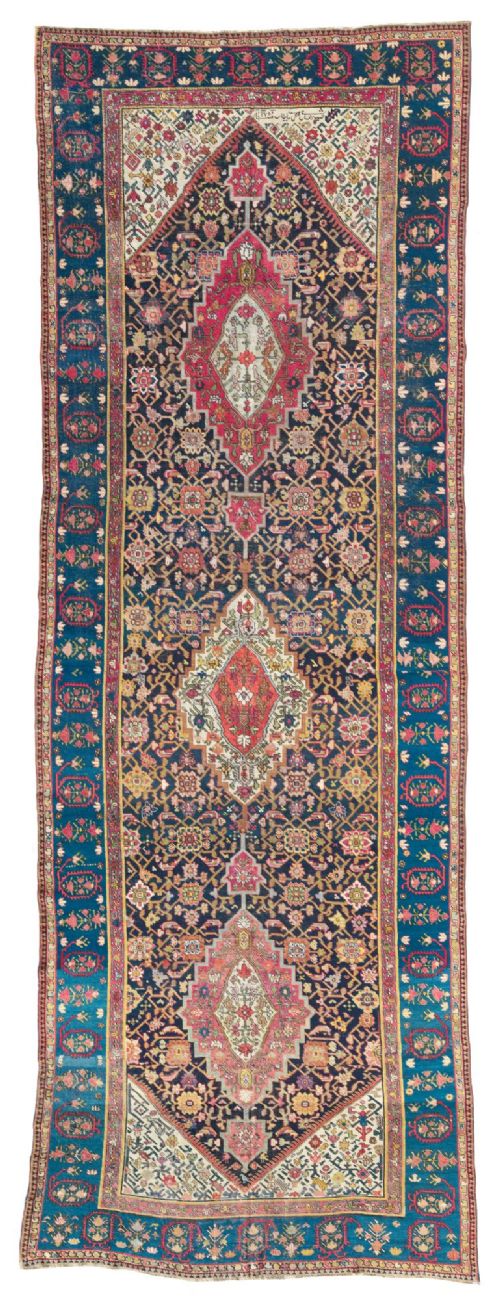
The pieces appearing here span periods from the late nineteenth century up to the 1930s, encompassing regional village and tribal workshops. Designs range from medallion patterns to repeated motifs, reflecting the cultural aesthetics of specific weaving groups.
Buyers will encounter formats that include traditional runner proportions alongside long rugs and village carpets. These variants share common structural roots in regional tribal designs, bridging Caucasian and Persian aesthetics.
How they were made
Weavers constructed these runners using hand-spun wool and cotton, often utilising camel hair for natural brown and golden tones within the pile or foundation. Natural dyes provided the deep reds, blues, and ivories that define the palette of these vintage pieces.
The construction relies on hand-knotting techniques executed on vertical looms, creating dense wool piles designed to withstand decades of daily use. Cotton warp and weft threads typically form the stable underlying grid supporting the knotted wool surface.
Several pieces display wonderfully crooked geometries, proving that historical village weavers prioritized character over straight lines.
What varies in quality
Knot density and the precision of the geometric layout dictate the refinement of a runner, distinguishing village pieces from finer workshop productions. Tighter knotting allows for crisper execution of intricate tribal symbols and medallion outlines.
The integrity of the wool pile and the stability of the cotton foundation determine structural longevity. Variations in dye quality and the retention of original borders also influence the visual coherence of the piece.
The Caucasian Style Runner Rug Glossary
- Runner
- A long, narrow carpet format specifically proportioned for corridors, hallways, and staircases.
- Pile
- The upright loops or cut ends of yarn that form the usable surface of a rug.
- Warp
- The vertical foundation threads stretched tightly on the loom before knotting begins.
- Weft
- The horizontal threads passed across the warp threads to secure each row of knots in place.
- Boteh
- A traditional teardrop or almond-shaped motif representing a-shrub or cypress tree, frequently seen in oriental carpets.
Caucasian Style Runner Rug: Frequently Asked Questions
Where should I place a runner rug?
These narrow formats suit hallways, corridors, and entryways where linear floor coverage enhances the space. Their elongated proportions also function effectively in long kitchens or alongside beds.
Ensure the chosen location allows doors to swing clear of the pile height. Using an appropriate underlay helps keep the runner stable on hard flooring.
How do I clean an old wool rug?
Gentle surface cleaning and regular light vacuuming without a beater bar help maintain the wool pile. Professional specialist cleaning remains advisable for deeper maintenance to protect natural dyes.
Avoid excessive moisture and harsh chemical detergents. Prompt attention to spills prevents staining on hand-spun wool fibres.
What is a tribal rug design?
Tribal designs originate from nomadic or village weavers working within specific regional traditions rather than urban manufactories. These patterns feature geometric motifs, stylized animals, and symbolic medallions passed down through generations.
The resulting aesthetics prioritize bold graphic contrast over classical floral curves. Each design often reflects the cultural identity of the makers.
How do I identify a village runner?
Village runners typically display slightly irregular geometry, spontaneous colour shifts, and simpler repeating motifs compared to court carpets. The use of locally sourced wool and natural dyes creates organic variations across the surface.
Structural characteristics such as hand-spun wool and visible knot irregularities point towards traditional village production. Examining the foundation provides further clues regarding regional origin.