

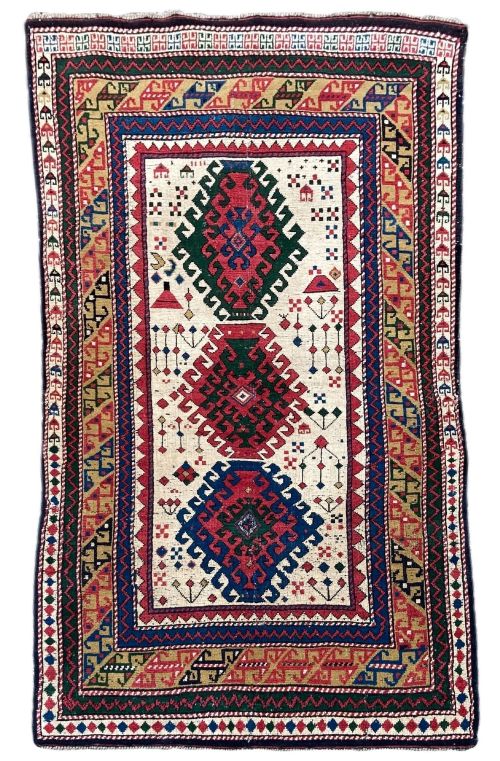
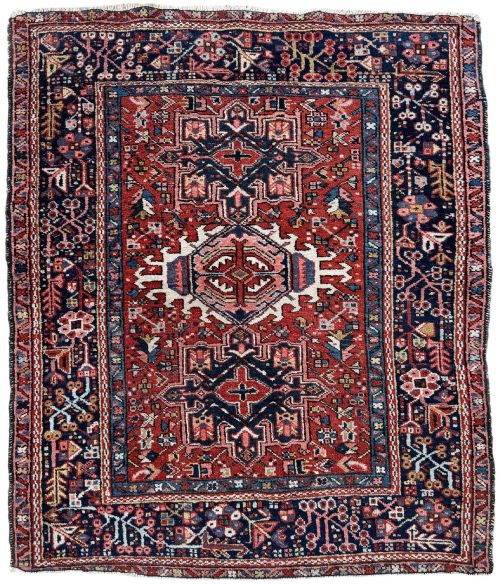
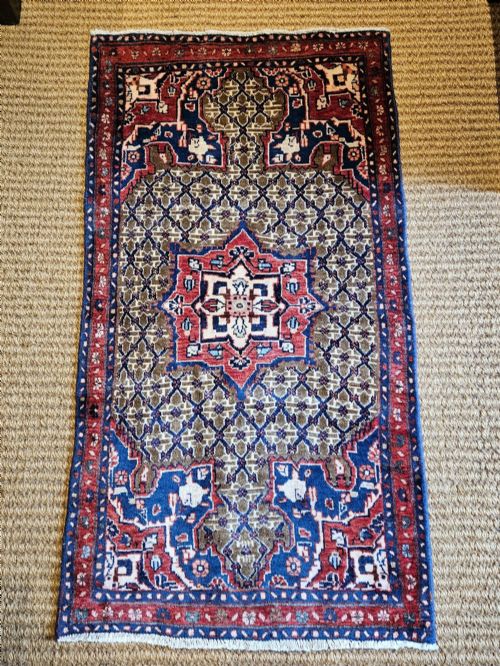
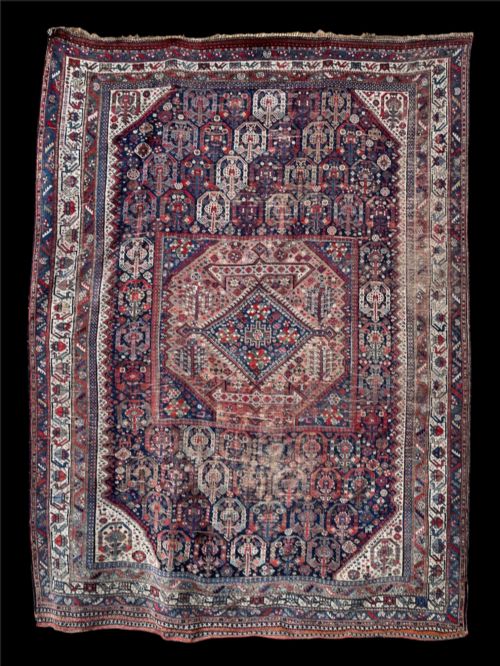





Geometric Medallion Floor Mat
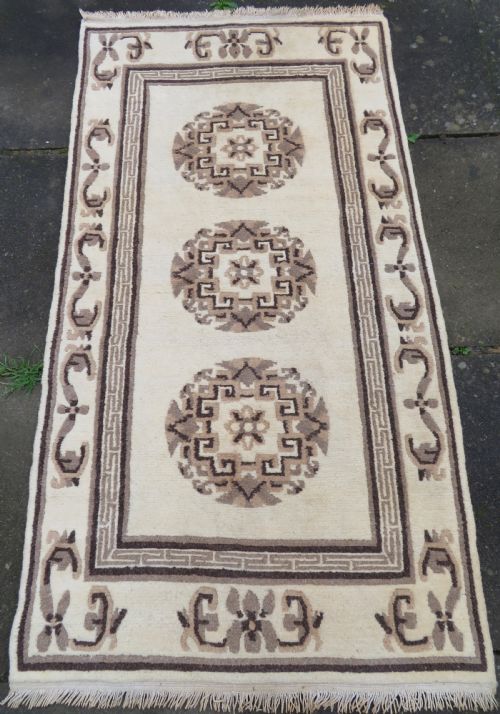
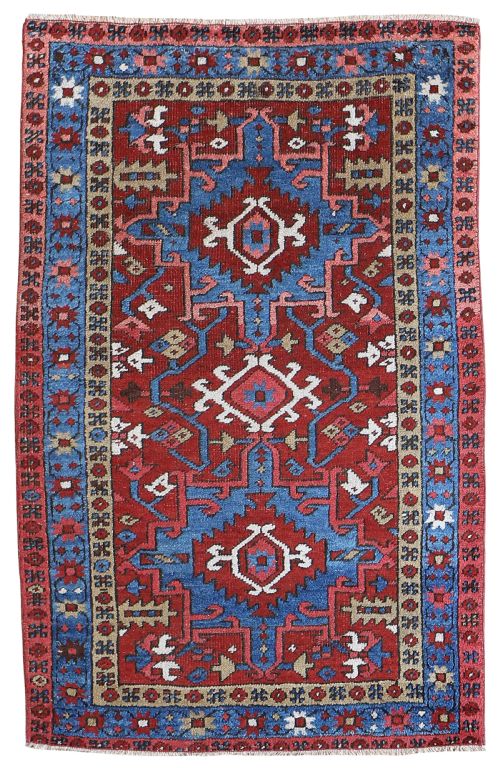
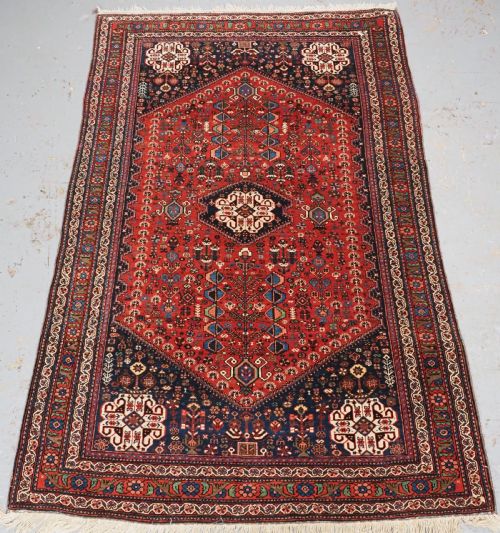
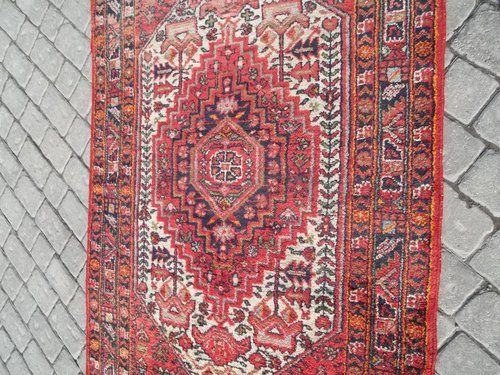
These geometric medallion floor mat pieces are woven wool and cotton carpets and rugs designed to anchor a room with distinct tribal character.
Geometric Medallion Floor Mat
When you search for a geometric medallion floor mat, you encounter hand-knotted wool and cotton rugs originating from Persian, Caucasian, and Himalayan regions. These pieces span from the late nineteenth century through the early twentieth century, including Victorian interpretations and tribal weaves.
The most common formats on this page are hearth-sized, area, and room-sized rugs featuring central medallion motifs. They derive from traditions such as Heriz, Kazak, Qashqai, Khamseh, and Abedeh, reflecting diverse regional aesthetics.
Buyers select these items to introduce historic texture and defined patterns into living spaces. Each rug serves as a functional floor covering carrying traditional iconography, from animal figures to architectural pillars.
How They Were Made
These floor coverings utilise natural wool and cotton fibres for both pile and foundation. Artisans hand-knot the wool pile onto sturdy cotton warps and wefts to ensure durability under foot.
Weavers employ traditional regional knotting techniques passed down through tribal confederacies and village workshops. Natural and early synthetic dyes create the enduring red, blue, and earth-toned palettes seen across the periods.
Geometric Medallion Floor Mat Retail Price Guide 2026
Typical asking prices for geometric medallion floor mat among the pieces listed under this phrase on Sellingantiques today, from the lower quarter to the upper quarter. They describe what is for sale here now, not the wider market.
The listings span from the 1870s to 1930, utilising wool and cotton across Persian, Caucasian, and Himalayan styles.
What Varies in Quality
Quality rests upon the density of the knotting and the precision of the geometric layout. Finer wool selection yields a softer handle and greater resilience against wear.
The clarity of the central medallion and the consistency of the surrounding tribal motifs distinguish standard village productions from finer regional masterworks.
The Geometric Medallion Floor Mat Glossary
- Medallion
- A central ornamental motif dominating the field of the rug. It often anchors the entire geometric composition.
- Pile
- The upright yarn loops forming the usable surface of the carpet. Wool is the predominant material used here.
- Warp
- The vertical threads stretched on the loom before weaving begins. Cotton forms the stable foundation for these structures.
- Weft
- The horizontal threads passed across the warp to lock the knots in place. This technique creates the firm body of the rug.
- Tribal
- Pertaining to nomadic or village groups producing traditional designs outside formal urban manufactories. These patterns reflect distinct cultural identities.
Geometric Medallion Floor Mat: Frequently Asked Questions
How do I clean an old wool rug?
Professional specialist cleaning is essential for nineteenth and early twentieth century wool carpets. Household methods and excessive water damage natural fibres and dyes.
Gentle surface maintenance and light rotation prevent uneven wear in high-traffic areas.
Are these rugs suitable for heavy traffic?
Wool and cotton construction provides natural durability for everyday use in residential spaces. Placing a quality underlay beneath the carpet cushions the pile and reduces friction.
Heavier room-sized carpets handle foot traffic well when maintained properly over decades.
What is a tribal rug?
Tribal rugs are hand-knotted floor coverings produced by nomadic or village weavers rather than city workshops. Their designs rely on generational motifs and memory rather than paper cartoons.
Geometric medallions and animal figures frequently appear in these regional expressions.
How do I date an antique carpet?
Dating relies on material analysis, dye characteristics, structural tightness, and stylistic indicators. Comparative study of known regional types helps narrow down the decade of production.
Victorian and early twentieth-century examples display specific wear patterns and colour maturity unique to their age.