

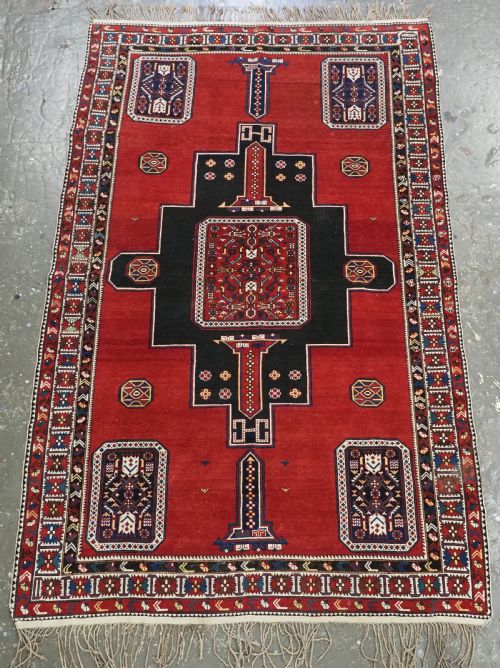
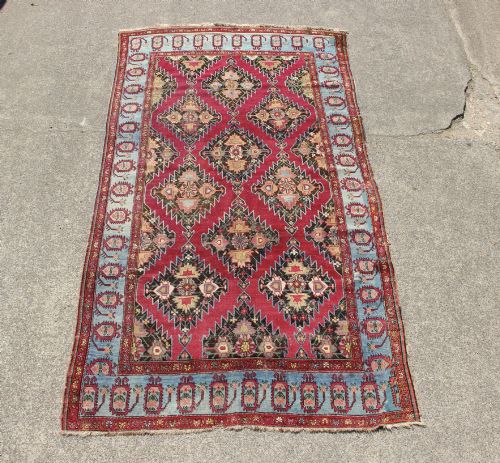
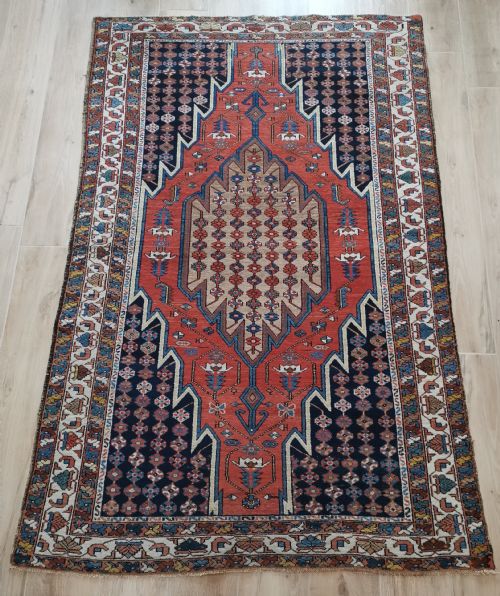
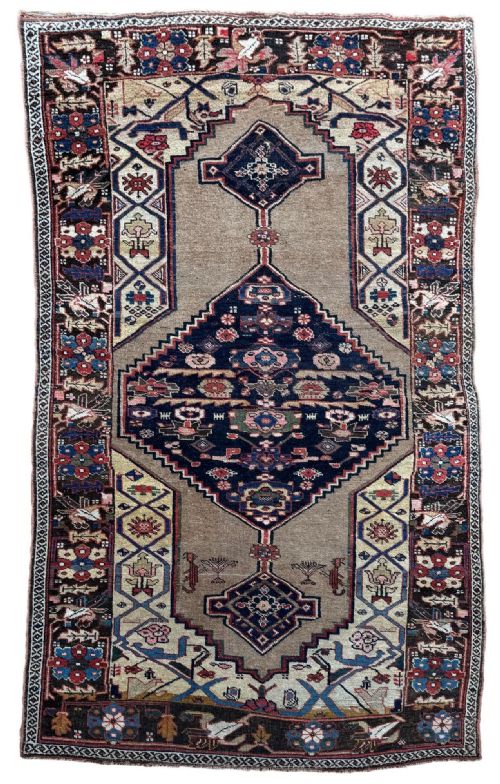


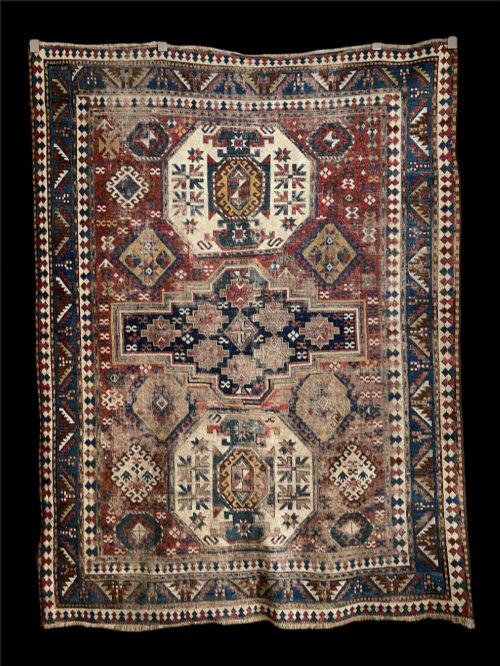

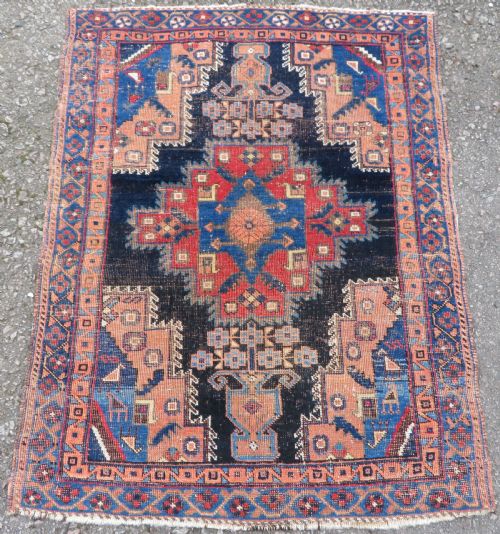


Stepped Medallion Carpet
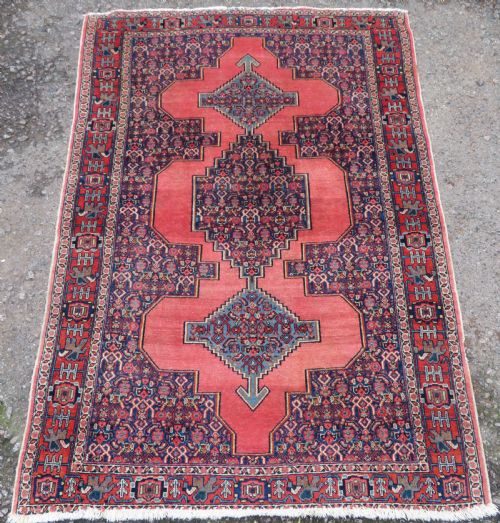
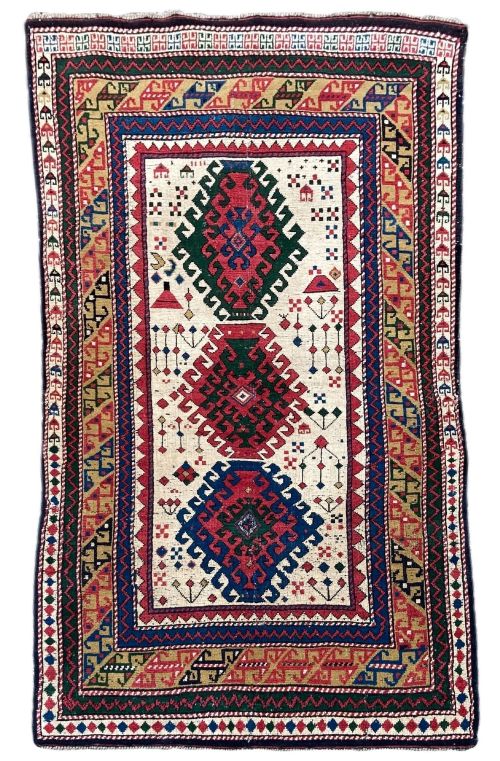
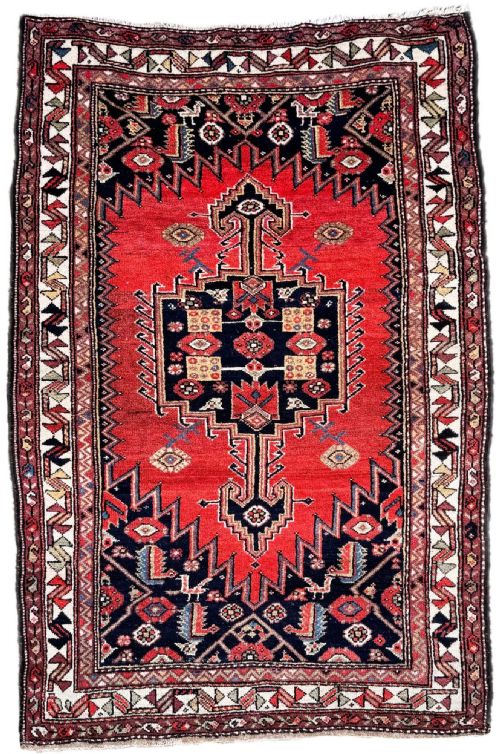
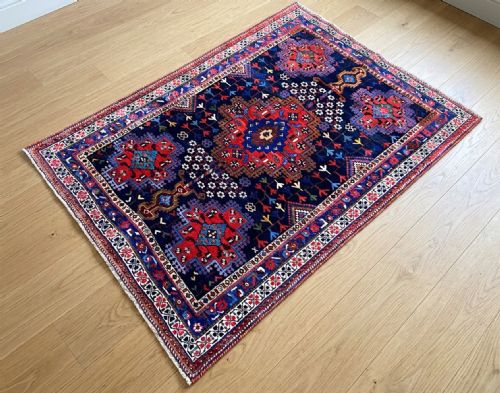
Stepped medallion carpet designs bring geometric rhythm and rich heritage into a room, drawing the eye with their distinct stepped central motifs.
Stepped Medallion Carpet
A stepped medallion carpet represents a rich tradition of woven floor coverings originating from Persian, Anatolian, and Caucasian regions. These textiles span periods from the nineteenth century into the early twentieth century, encompassing village and tribal creations. When exploring this selection, buyers encounter formats ranging from area rugs and runners to kilim rugs and large carpets.
The characteristic stepped medallion sits centrally, anchoring the geometric composition. Examples include regional village pieces such as Afshar, Bidjar, Heriz, and Kazak floor coverings. These works showcase traditional motifs handed down through generations of weavers in specific weaving centres.
How they were made
Traditional weavers constructed these carpets primarily using handspun wool for the pile and foundation, often supplemented by cotton for warps and wefts. The natural dyes utilised in earlier periods yielded deep, saturated tones that age gracefully over decades. Weaving techniques relied on hand-knotting or flatweaving, depending on whether the piece emerged as a pile rug or a kilim.
The structural integrity stems from tight packing of the foundation threads and secure knotting denseness. Village workshops and tribal nomadic weavers utilised vertical or horizontal looms to execute intricate geometric patterns. Each region employed specific loom setups and finishing methods that distinguish their output.
Stepped Medallion Carpet Retail Price Guide 2026
Typical asking prices for stepped medallion carpet among the pieces listed under this phrase on Sellingantiques today, from the lower quarter to the upper quarter. They describe what is for sale here now, not the wider market.
Geographic origins represented include Persian, Anatolian, and Caucasian weaving regions, alongside specific tribal groups.
What varies in quality
Quality differentiates through the precision of the geometric drawing and the handling of the stepped outlines. Master weavers achieved crisper lines and more harmonious colour distribution within the central medallion and surrounding fields. Finer knot density also contributes to a more resilient pile and greater longevity.
The choice of wool and the depth of natural dye saturation affect the tactile and visual richness of the surface. Pieces displaying superior material preparation retain their structural integrity and visual depth more effectively through generations of use.
The Stepped Medallion Carpet Glossary
- Medallion
- A distinct central ornamental motif set within the field of a carpet. It forms the primary focal point of the design composition.
- Kilim
- A flatwoven textile produced without a pile. These pieces rely entirely on the interweaving of warp and weft threads to form patterns.
- Warp
- The vertical foundation threads stretched tightly on the loom before weaving begins. Wefts are passed across these threads to secure the knots.
- Runner
- A long, narrow carpet format designed primarily for hallways, corridors, or alongside furniture. They adapt well to confined spaces.
- Pile
- The upright cut or looped yarn forming the soft surface of a carpet. Its density determines how the textile feels underfoot.
Stepped Medallion Carpet: Frequently Asked Questions
Where were stepped medallion carpets made?
These carpets originate from traditional weaving regions across Persia, Anatolia, and the Caucasus. Specific villages and tribal groups such as the Afshar, Bidjar, and Kazak each developed distinct regional interpretations of the stepped motif.
Production took place largely within domestic settings or small workshops, where weavers passed down local patterns and dyeing methods through generations.
How do I care for an antique rug?
Regular gentle vacuuming without a beater bar removes loose grit that can damage wool fibres over time. Professional cleaning by specialists in antique textiles ensures the natural dyes and fibres remain protected.
Keeping the carpet out of direct, harsh sunlight prevents premature fading of the saturated wool colours. Using a suitable underlay also reduces friction between the floor and the antique foundation.
What is the difference between a rug and a carpet?
The distinction traditionally rests on scale and placement within an interior space. Carpets generally refer to larger floor coverings, whereas rugs cover smaller areas or specific zones.
Both terms often apply interchangeably in historical contexts, though runner formats and specific room sizes help define their practical use.
Are these pieces made with natural dyes?
Many examples from the nineteenth and early twentieth centuries utilise traditional natural dye sources derived from plants, roots, and insects. These colourants yield complex, rich tones that mellow harmoniously over long periods.
As time progressed into the twentieth century, synthetic dyes also appeared in certain regions, altering the ageing characteristics of the wool.