







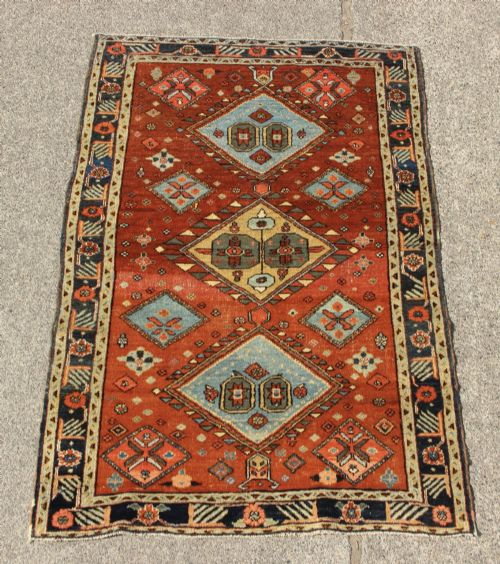
Geometric Caucasian Rug
A geometric caucasian rug brings bold tribal structure and saturated natural dyes into a room, offering authentic nineteenth and early twentieth century village weaving.
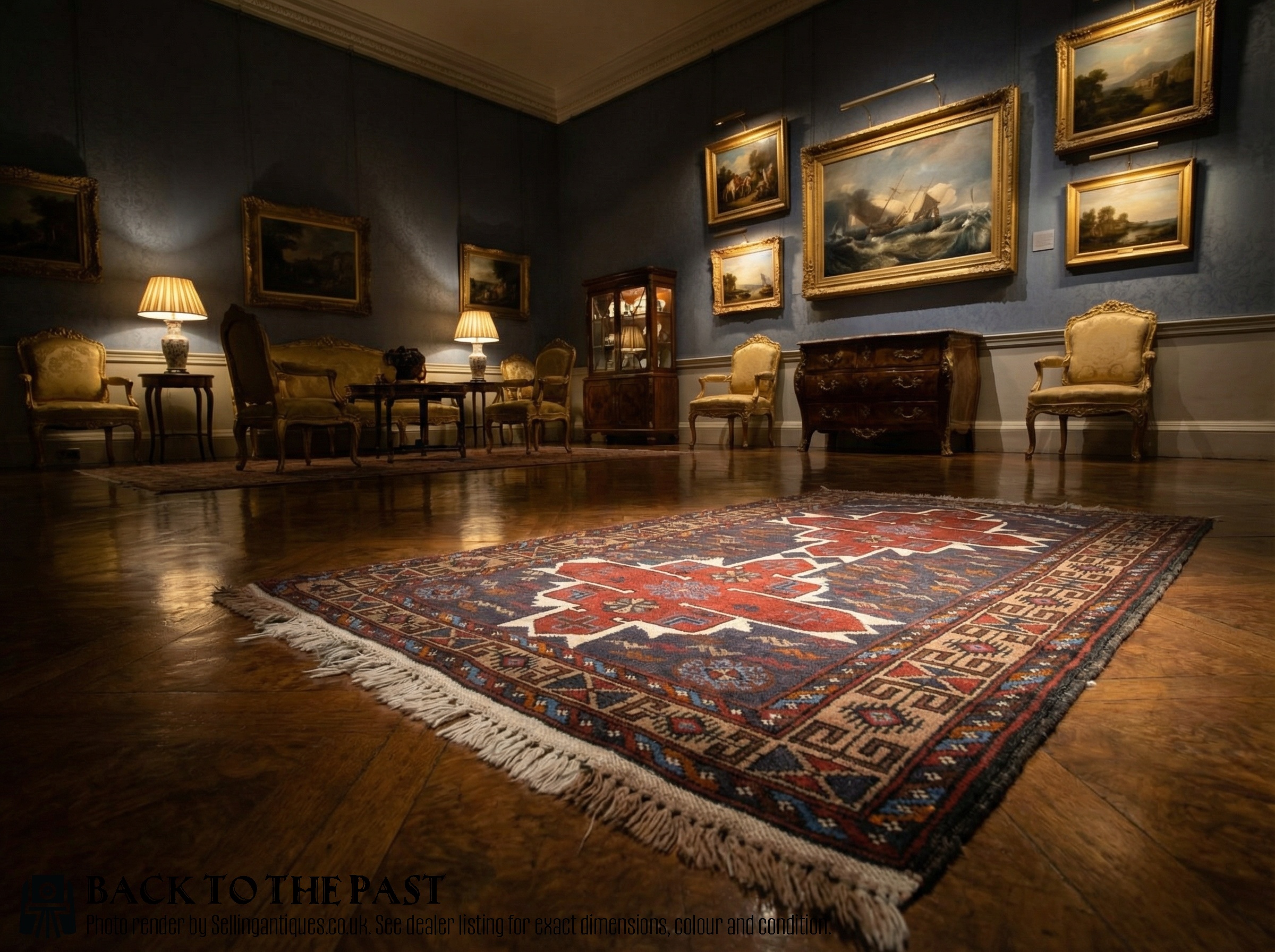
Geometric Caucasian Rug
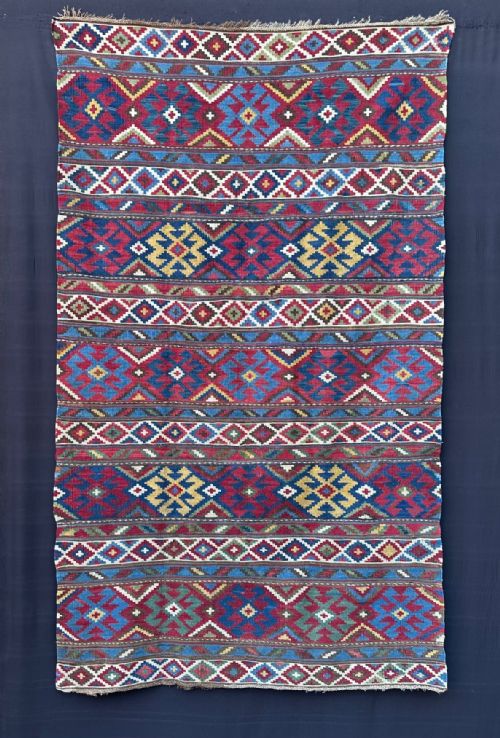
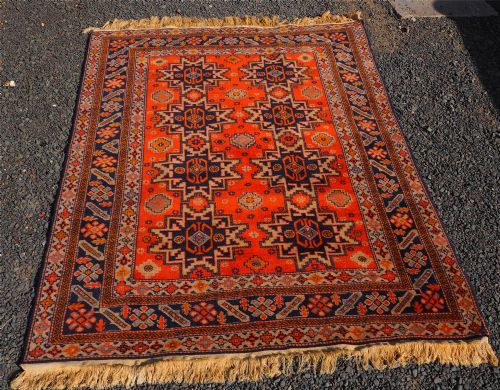
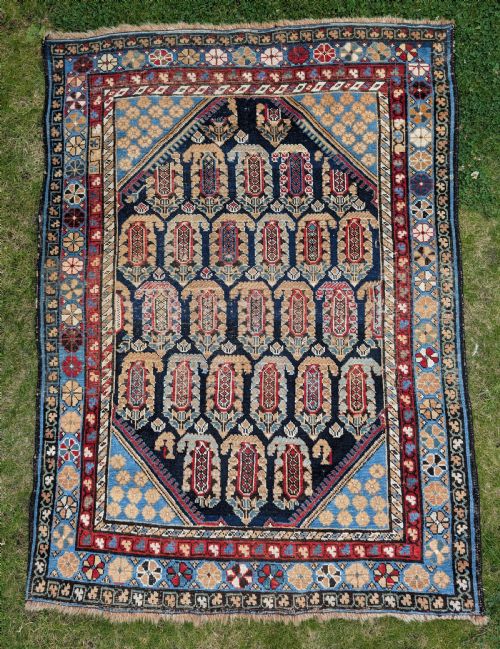
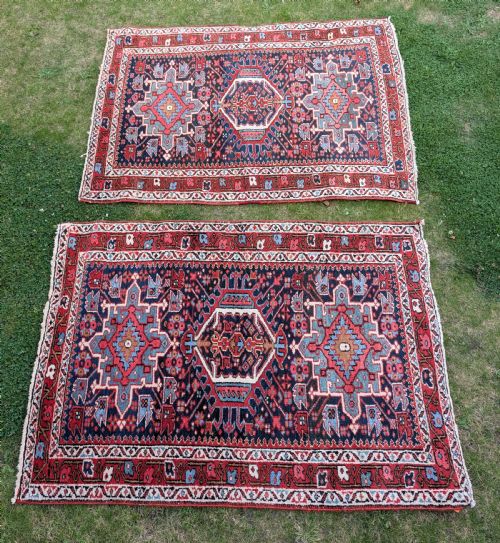
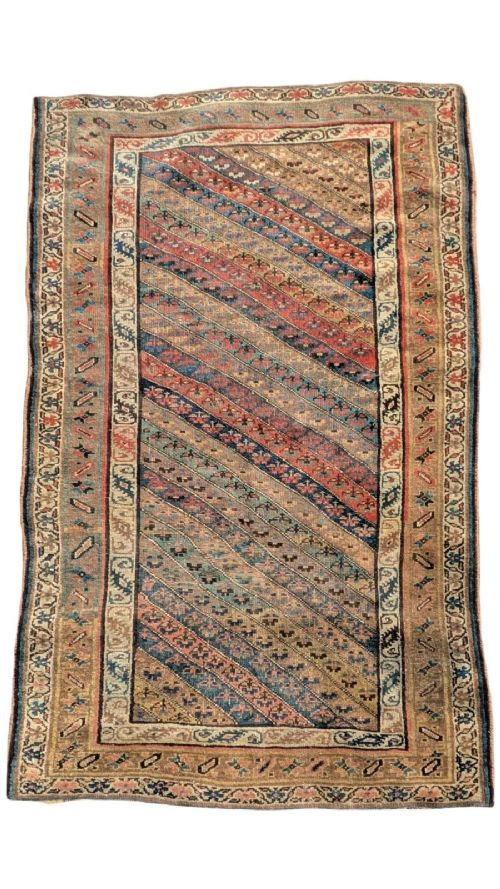
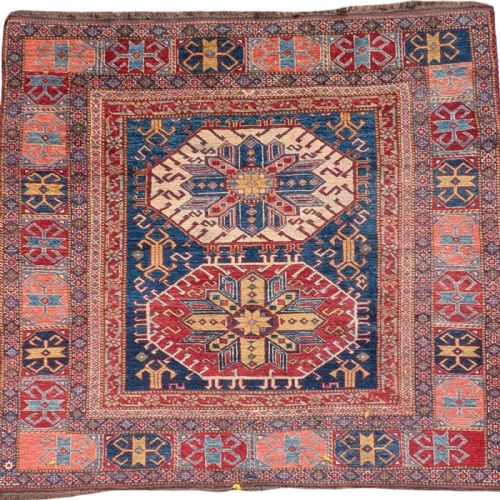
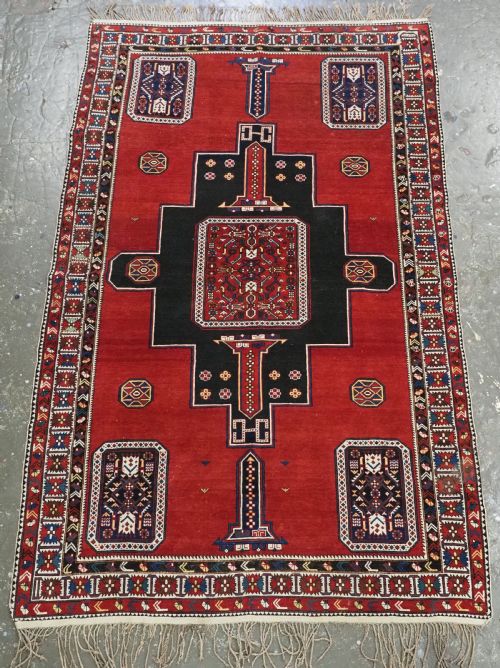
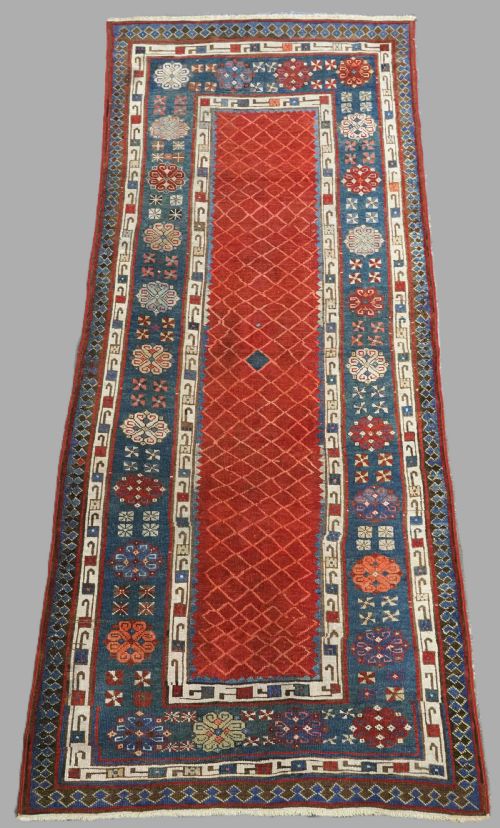
A geometric caucasian rug encompasses traditional woven floor coverings originating from the Caucasus region, frequently dating from the nineteenth and early twentieth centuries. These pieces display distinct rectilinear motifs, medallions, and tribal patterns rooted in regional weaving traditions.
Buyers will encounter various formats on this page, including standard area rugs, prayer rugs, and long runners. Regional designations such as Kazak, Shirvan, Kuba, and Daghestan appear frequently among the listings.
The aesthetic relies on striking polygonal forms, latch-hooks, and structured borders rather than fluid curves. Such designs reflect the nomadic and village heritage of the makers across the Caucasian landscape.
Materials and construction
Makers utilised hand-spun wool for the pile and foundation yarns, providing durability and a tactile weight to each textile. Cotton also appears in the structural foundations of certain regional types.
Natural dyes produced the deep red, blue, yellow, and ivory tones seen across these carpets, yielding rich colour variations over time. Artisans knotted the wool onto vertical looms using traditional symmetric or asymmetric knots, often supplemented by flatweave techniques in specific pieces.
Geometric Caucasian Rug Retail Price Guide 2026
Typical asking prices for geometric caucasian rug among the pieces listed under this phrase on Sellingantiques today, from the lower quarter to the upper quarter. They describe what is for sale here now, not the wider market.
Several nomadic saddle-bags and vanity-bags survive alongside large carpets, proving that historical travellers packed their geometry with them.
Factors of quality
The distinction between standard examples and finer pieces rests upon the precision of the drawing and the saturation of the natural dyes. Crisp execution of intricate geometric medallions demonstrates greater mastery by the weaver.
Knot density and the handled softness of the hand-spun wool further differentiate the tier of a piece. Uniform pile preservation and balanced proportions elevate certain rugs within their regional group.
The Geometric Caucasian Rug Glossary
- Kazak
- A designated style of rug originating from the southern Caucasus, known for bold geometric designs and bright primary colours. These pieces often feature large central medallions.
- Sumak
- A flatweave technique involving a wrapping process that creates a sturdy textile without a cut pile. This method produces crisp, sharp pattern outlines.
- Prayer rug
- A small format textile featuring a mihrab or arch design at one end, traditionally used for individual daily prayer. The layout points toward Mecca during use.
- Natural dye
- Colourants derived from plants, insects, and minerals rather than synthetic chemicals. They age gracefully and develop subtle abrash variations.
- Runner
- A long, narrow carpet format designed for hallways, corridors, or staircases. These pieces maintain proportional geometric repeats along their length.
Geometric Caucasian Rug: Frequently Asked Questions
How do I clean a vintage rug?
Gentle surface brushing and professional specialist washing are recommended to preserve the natural wool fibres and dyes.
Avoid harsh chemical detergents and excessive water immersion which can damage the antique foundation.
Where were these pieces made?
These textiles were woven by village and nomadic communities across the Caucasus region, including areas such as Shirvan, Kazak, and Kuba.
Local families produced them on upright looms for domestic use and local trade.
Can I place these on heated floors?
Natural wool and cotton materials generally tolerate moderate ambient heat from underfloor systems quite well.
Ensure a breathable underlay is utilised to prevent slippage and allow adequate air circulation beneath the textile.
How do I identify a regional style?
Regional attribution relies on specific structural characteristics, palette choices, and repeat motifs unique to areas like Daghestan or Gendje.
Examining the selvedges, end finishes, and knot types helps clarify the specific provenance.