




Geometric Anatolian Rug
A geometric anatolian rug brings centuries of village weaving tradition into a modern interior through bold medallions and repeated tribal motifs.
Geometric Anatolian Rug
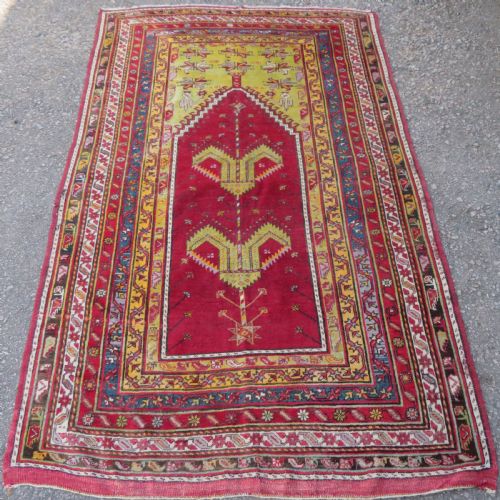
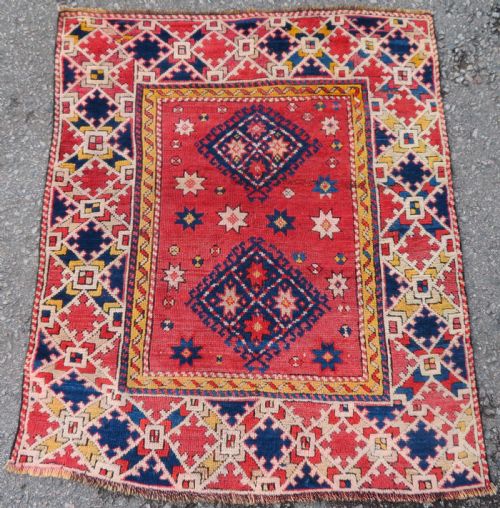
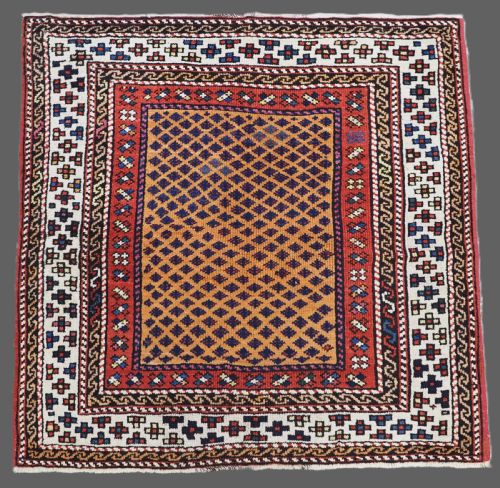
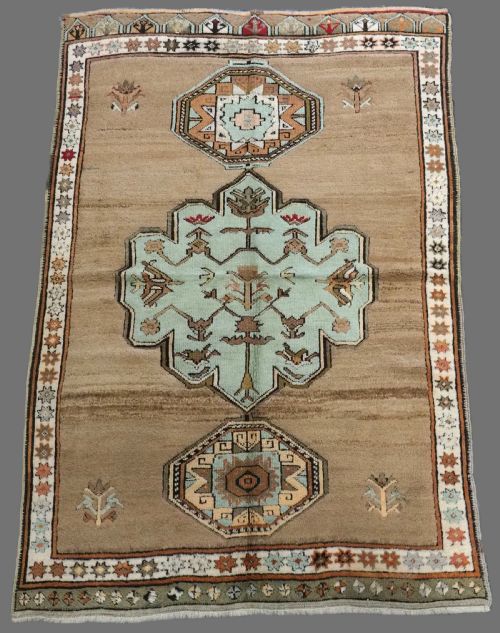
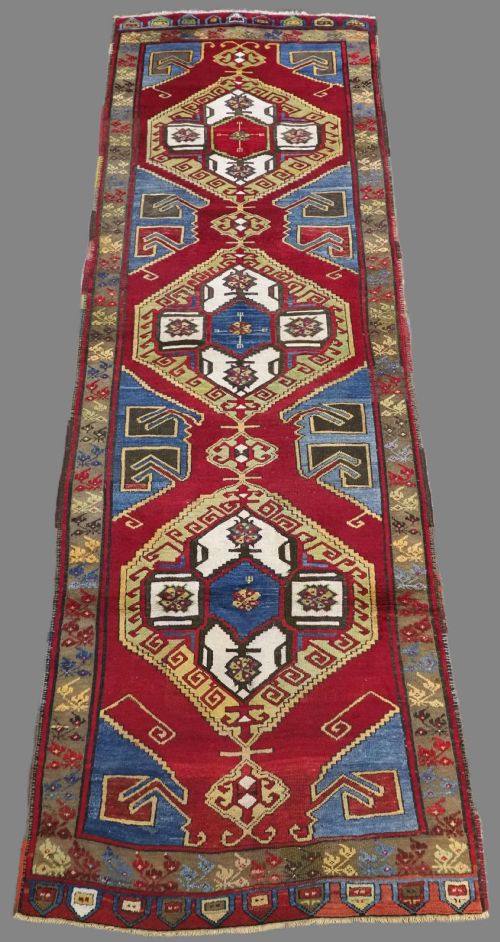
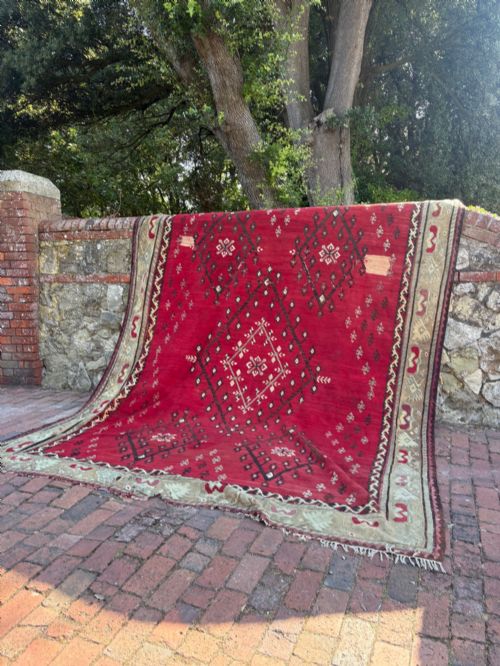
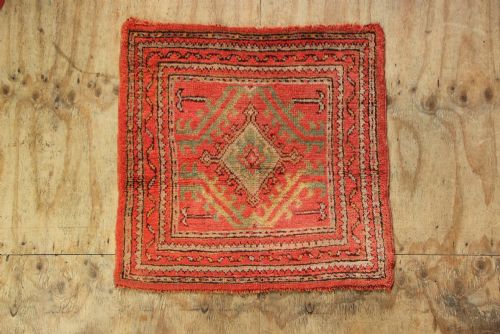
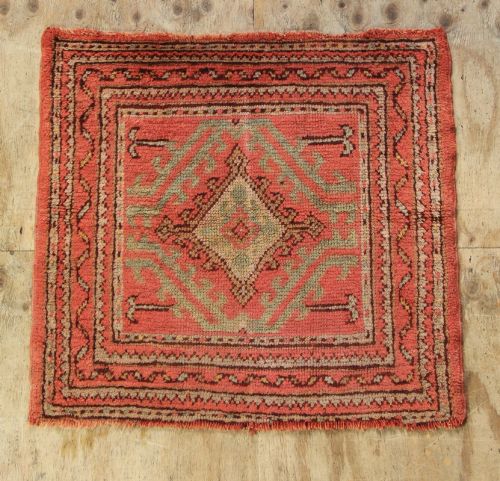
When you search for a geometric anatolian rug, you encounter hand-knotted floor coverings and flatweaves originating from various regions and villages across Turkey. These pieces range from small square mats and long runners to large carpets and decorative cushions.
The selection on this page centres on examples dated from the nineteenth century up through the nineteen-thirties. Traditional formats include village runners, prayer rugs with architectural niches, and square formats featuring lattice or medallion compositions.
Regional variations span distinct weaving centres such as Bergama, Konya Karapinar, Oushak, Kirsehir, and Yahyali. Each producing area imparts its own palette and structural rhythm to the finished textile.
How They Were Made
Weavers constructed these textiles predominantly using wool on wool foundations, occasionally incorporating cotton or camel wool for specific fields and details. The fibre was prepared using hand-spun wool, yielding varying thicknesses and tactile qualities across the pile and flatweave surfaces.
Traditional construction methods involved hand knotting or flatweaving techniques executed on vertical looms. Artisans utilised natural dyes to colour the wool, resulting in soft or saturated tones that age with distinct character over decades of use.
Geometric Anatolian Rug Retail Price Guide 2026
Typical asking prices for geometric anatolian rug among the pieces listed under this phrase on Sellingantiques today, from the lower quarter to the upper quarter. They describe what is for sale here now, not the wider market.
Several small cushions wait patiently on the sidelines, wondering if anyone still uses them for leaning against while drinking tea.
What Varies in Quality
Quality in these textiles rests upon the precision of the tribal design work and the handling of the wool. Finer examples display crisp geometric lines and balanced proportions within medallions and borders.
The integrity of the material foundation and the preservation of the original pile depth dictate the standing of an individual piece. Softer, harmonious colour palettes resulting from skilled dye work elevate the visual impact of the weaving.
The Geometric Anatolian Rug Glossary
- Kilim
- A flatwoven carpet or rug produced without a pile by tightly interweaving warp and weft strands. These versatile textiles often feature sharp geometric patterns.
- Prayer rug
- A small rug featuring a mihrab or niche design at one end, traditionally oriented toward Mecca during daily prayers. These pieces often display specific regional iconography.
- Runner
- A long, narrow carpet format designed for hallways, corridors, or alongside furniture. They translate repeating tribal motifs into an elongated composition.
- Yastic
- A small Turkish cushion face or small rug traditionally used as a bolster or pillow. Collectors prize these portable pieces for their concentrated tribal designs.
- Warp
- The vertical foundation threads stretched tightly on the loom before weaving begins. The visible fringe at either end of a rug consists of these foundational cords.
Geometric Anatolian Rug: Frequently Asked Questions
How do I clean an antique rug?
Professional dusting and specialist gentle washing preserve the fragile wool and natural dyes of older textiles.
Avoid immersion in water or chemical treatments that strip the lanolin from hand-spun wool.
Where were these textiles made?
Weavers produced these pieces in various towns, villages, and nomadic encampments across the Anatolian region of Turkey.
Specific districts like Bergama, Oushak, and Konya developed distinct design vocabularies and colour palettes.
Can I place a runner in a hallway?
Long runner formats suit corridors, landings, and narrow spaces where linear designs can be fully appreciated.
Using a quality underlay prevents slipping and cushions the wool pile against heavy foot traffic.
How do I identify the age of a piece?
Dating relies upon structural analysis, material characteristics, dye types, and stylistic indicators typical of nineteenth and early twentieth century production.
Slight irregularities in hand-spun wool and traditional dyes often point to older village manufacture.