

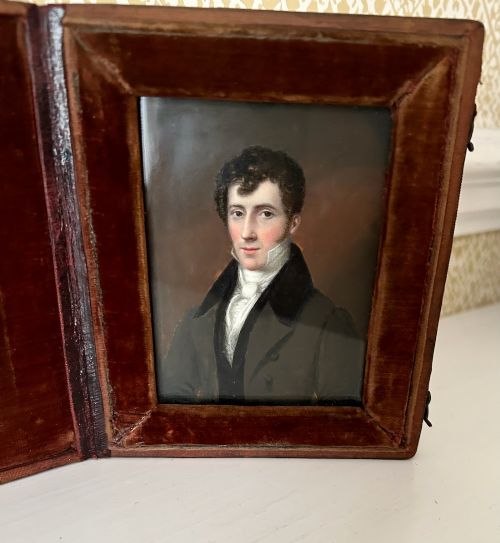


Gentleman Portrait Miniature
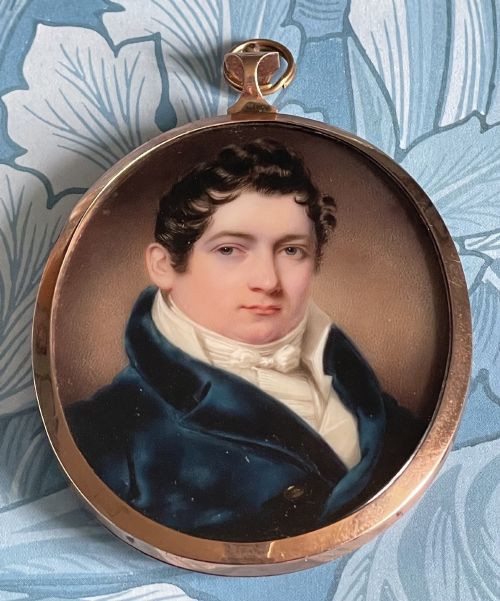
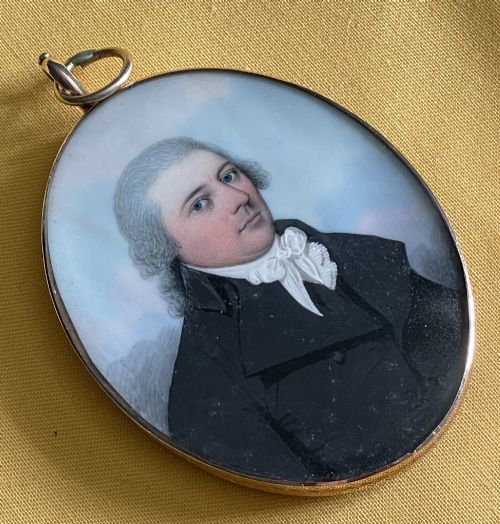
When you examine a gentleman portrait miniature, you hold centuries of intimate likenesses painted on ivory, paper, or glass.
Gentleman Portrait Miniature
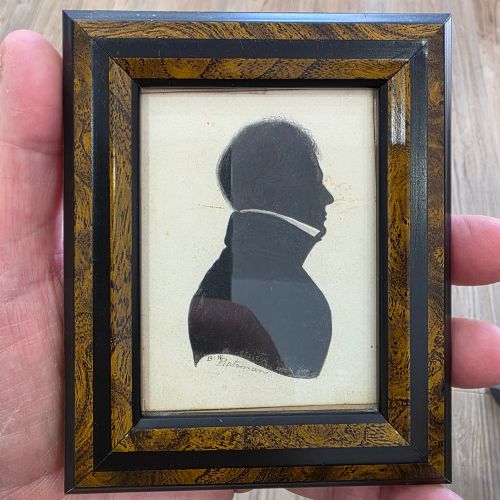
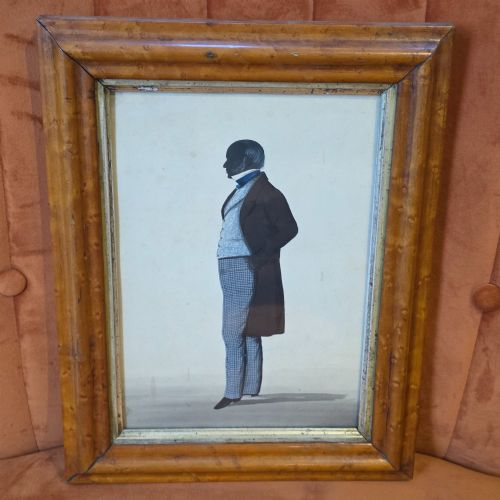
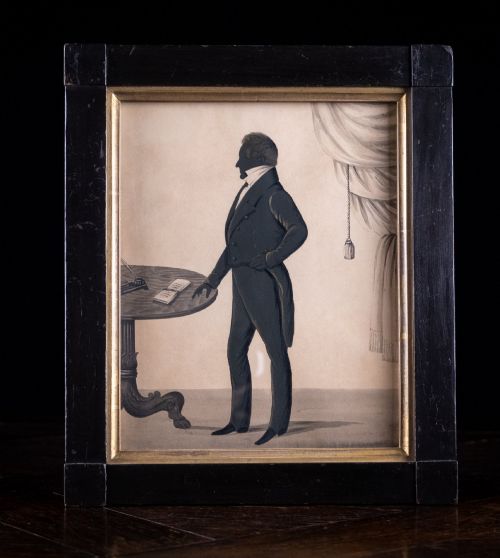
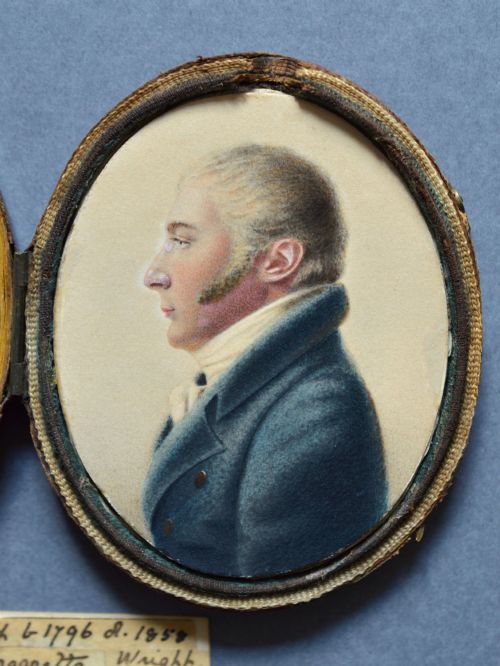
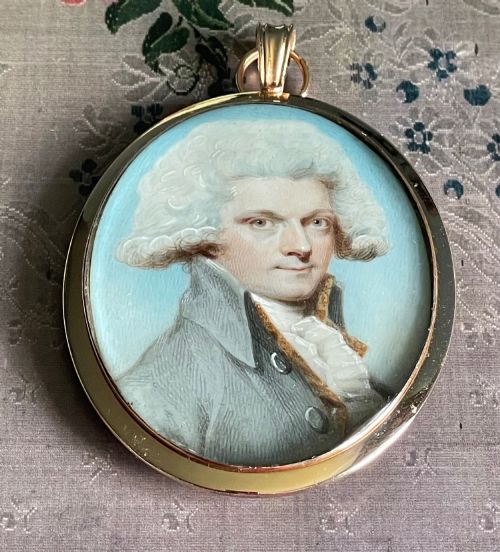
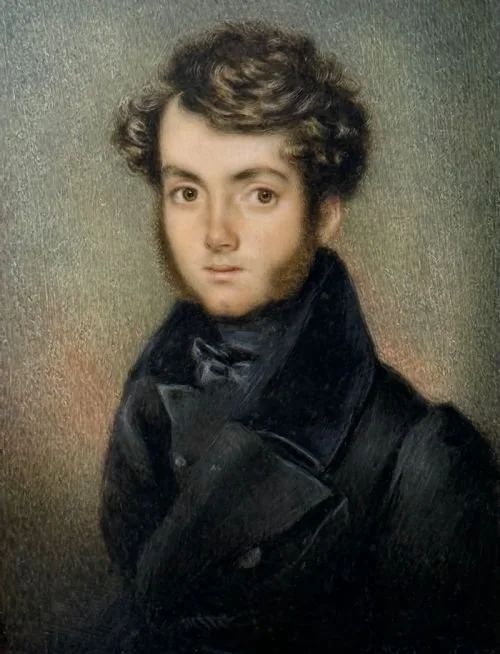
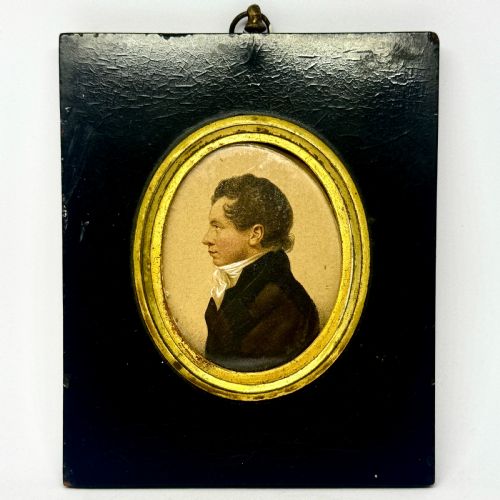
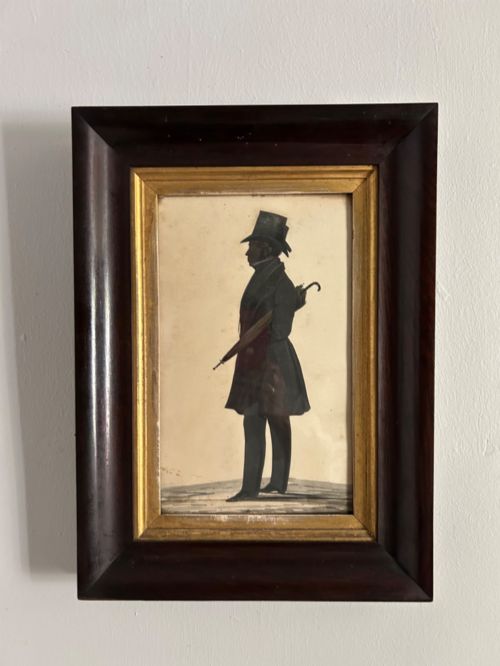
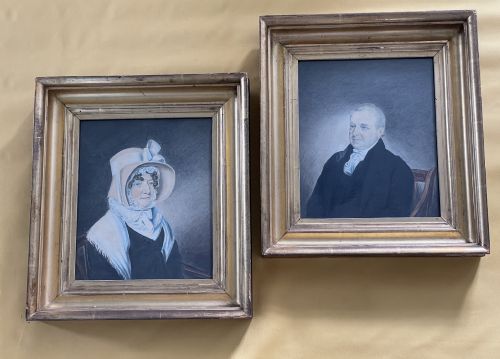
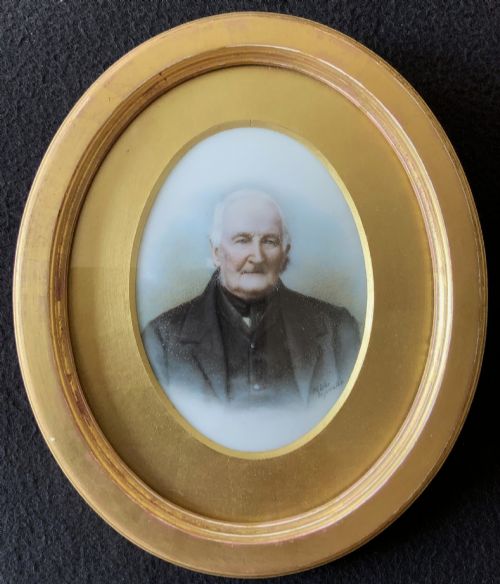
A gentleman portrait miniature captures the likeness of male subjects on a small scale, ranging from painted works to cut-paper silhouettes. These intimate objects emerge primarily from the eighteenth and nineteenth centuries, including Georgian, Regency, and Victorian periods.
Buyers encounter framed artworks, pendant lockets, and standalone miniatures housed in gilt metal or wooden frames. The works span detailed watercolour paintings, oil on copper or glass, and crisp profile silhouettes executed by professional artists and regional schools.
How They Were Made
Silhouettes involved careful hand-cutting from black paper or painting directly onto card and plaster, sometimes enhanced with gilt highlights. Frames incorporated brass, 9ct gold, and 14K gold, occasionally backed with wood or fitted with stands.
Gentleman Portrait Miniature Retail Price Guide 2026
Typical asking prices for gentleman portrait miniature among the pieces listed under this phrase on Sellingantiques today, from the lower quarter to the upper quarter. They describe what is for sale here now, not the wider market.
Materials documented in the collection include 14K gold, brass, gilt metal, ivory, glass, and paper.
What Varies in Quality
The precision of the brushwork and the psychological depth of the sitter's expression separate master works from basic studio outputs. Finer examples display meticulous control over facial contours, eye detail, and fabric textures.
Housing also dictates distinction, with heavy gold pendant frames, original convex glasses, and signed works by recorded artists commanding greater interest than unsigned vernacular pieces in simple wooden surrounds.
Thomas John Horsley·Charles Shirreff·Charles Jagger·John C D Engleheart·Frederick Buck·John Taylor·J Bizo·George Engleheart·George Hargreaves·Thomas Woolnoth·Miers·John Inigo Wright·Samuel Cotes·Diana Hill·Nathaniel Bermingham·AE Chalon·Richard Cosway·Samuel Collins·Nathaniel Plimer·Natale Schiavoni
The Gentleman Portrait Miniature Glossary
- Plumbago
- A graphite drawing technique popular in the eighteenth century, used to create finely detailed monochromatic portraits before the widespread adoption of watercolour.
- Silhouette
- A portrait profile cut from black paper or painted in solid black, often highlighted with gold details and mounted behind glass.
- Pendant
- A wearable frame fitted with a loop or ring, allowing the miniature to be worn around the neck or pinned to clothing.
- Gilt metal
- Base metal treated with a thin layer of gold or gold-coloured wash to imitate solid precious metal frames.
- Miniature painting
- A small-scale artwork requiring a magnifying glass and fine brushes to achieve intricate detail within a compact oval or rectangular format.
Gentleman Portrait Miniature: Frequently Asked Questions
How were gentleman portrait miniatures displayed originally?
These small artworks were frequently carried in pockets, worn as pendants near the heart, or displayed on tabletop easels and walls.
Owners often kept them in dedicated velvet-lined cases or mounted them into hinged travel frames.
What materials support these painted portraits?
Artists painted on prepared paper, card, glass, and thin copper panels using watercolours, oils, or gouache.
Protective convex glass covers the painted surface to prevent dust and moisture damage.
How do I identify a Georgian miniature?
Georgian pieces typically feature powdered hair, high-collared coats, and delicate gold or pinchbeck frames characteristic of the late eighteenth and early nineteenth centuries.
Clothing styles, wig shapes, and handwritten inscriptions verso offer reliable dating clues.
What is the difference between a silhouette and a painting?
Silhouettes focus entirely on the dark outline profile of the sitter, sometimes enhanced with bronzing or white highlights on clothing.
Paintings utilise full colour palettes to render facial tones, eyes, and complex textile patterns.