

Game Top Table
When you buy a game top table, you acquire a piece of functional furniture designed for parlour entertainment with a folding or swivel top.
Game Top Table
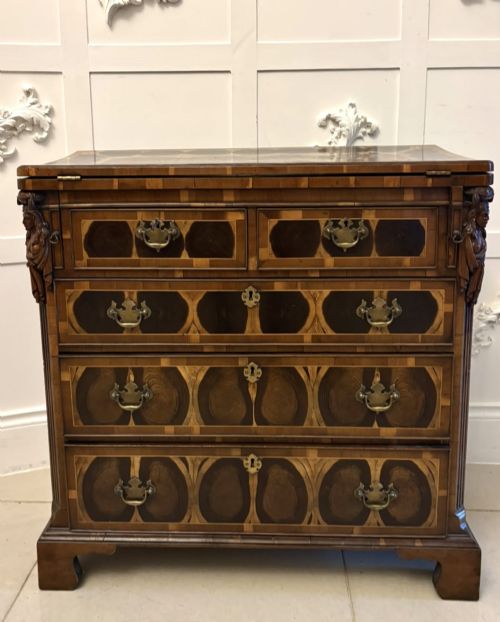
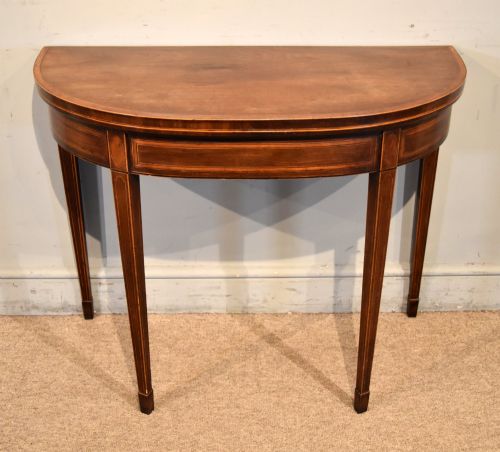
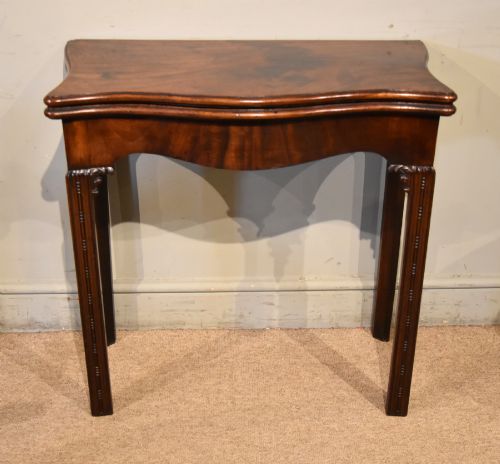
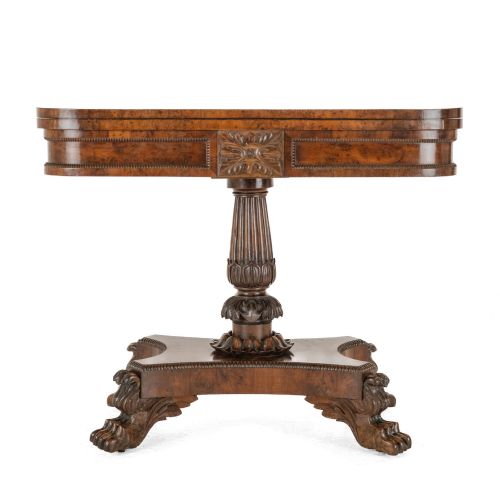
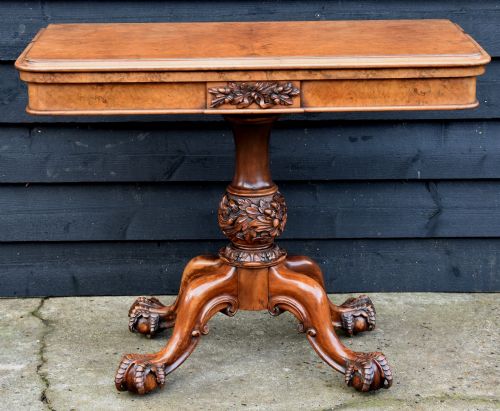
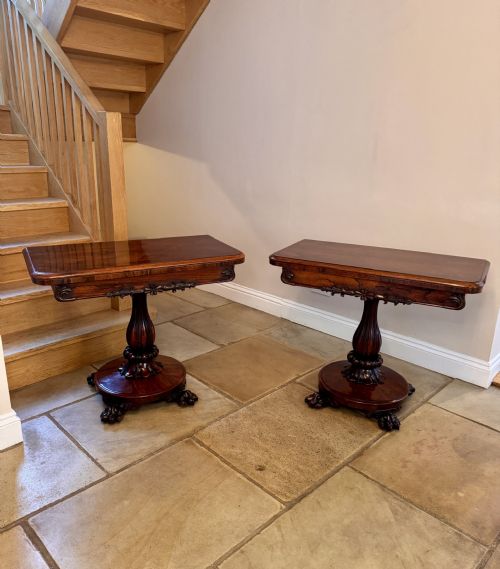
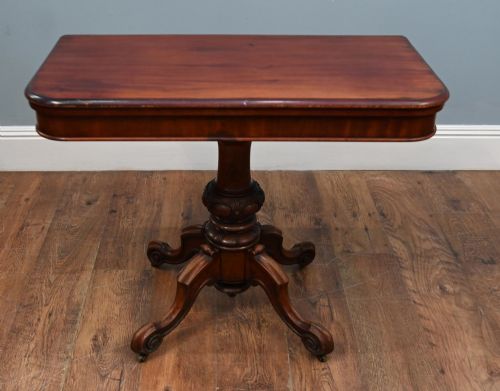
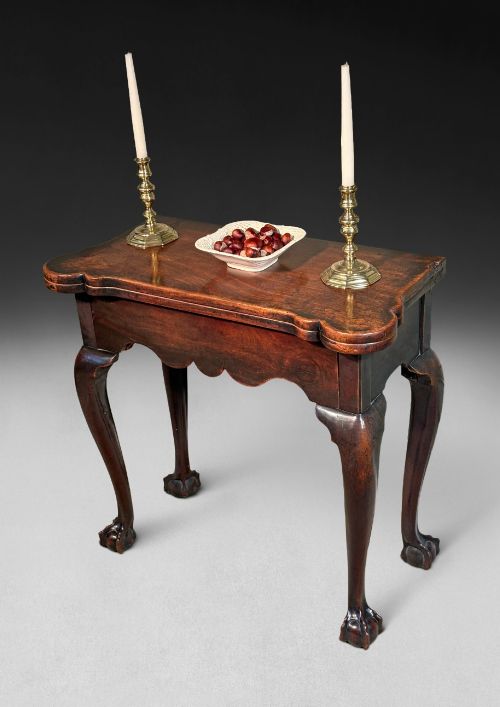
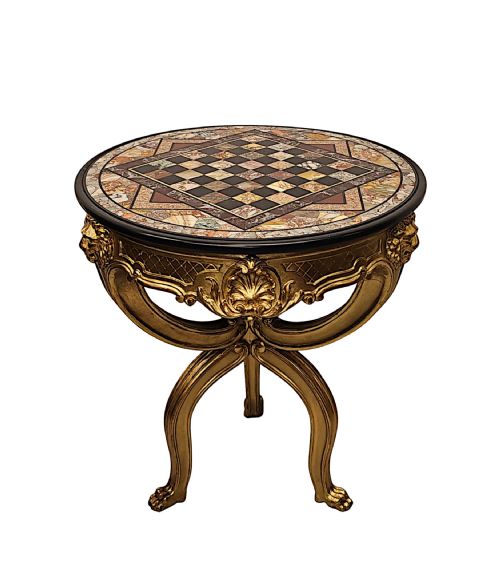
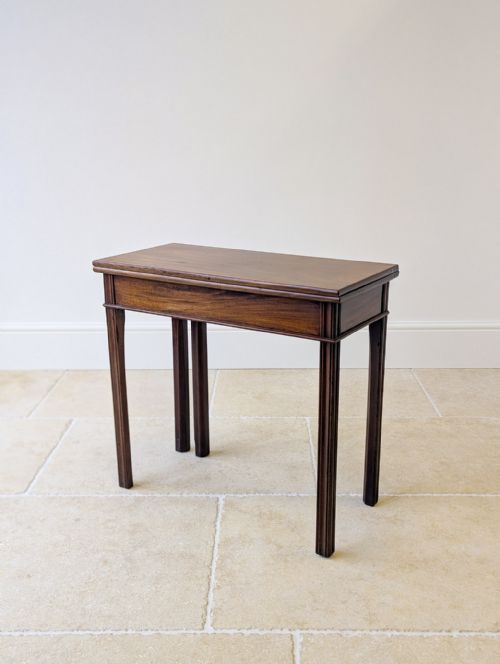
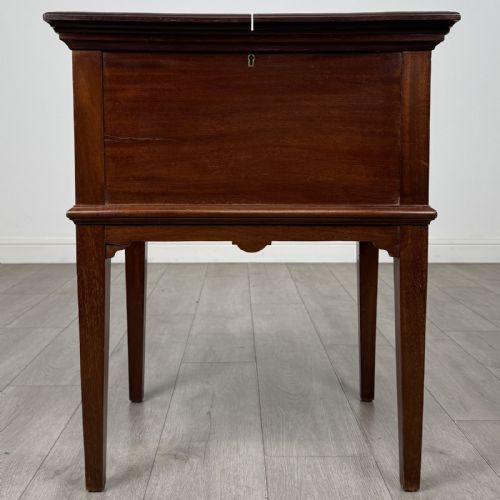
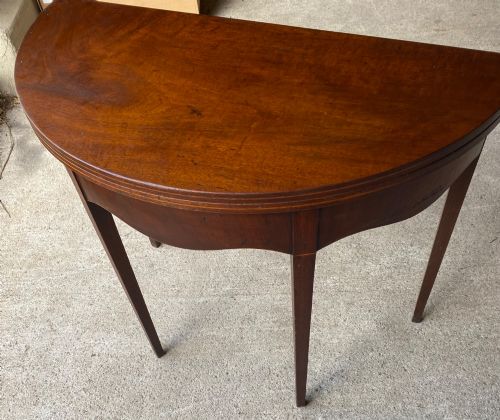
A game top table typically appears as a card table, tea table, or occasional table designed with a fold-over or swivel top mechanism. These pieces span from the 18th century through the Victorian period, including Georgian, Regency, and William IV eras.
Makers utilised various regional timbers and stylistic revivals, producing tables that served both formal entertaining and daily household use. Buyers encounter pieces ranging from plain mahogany tea tables to highly decorated marquetry games surfaces.
Materials and Technique
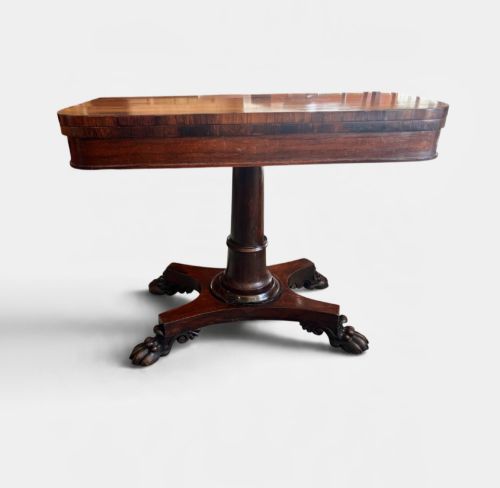
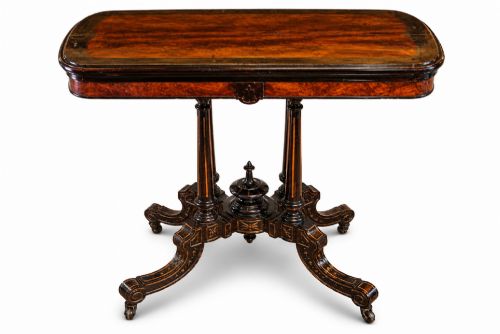
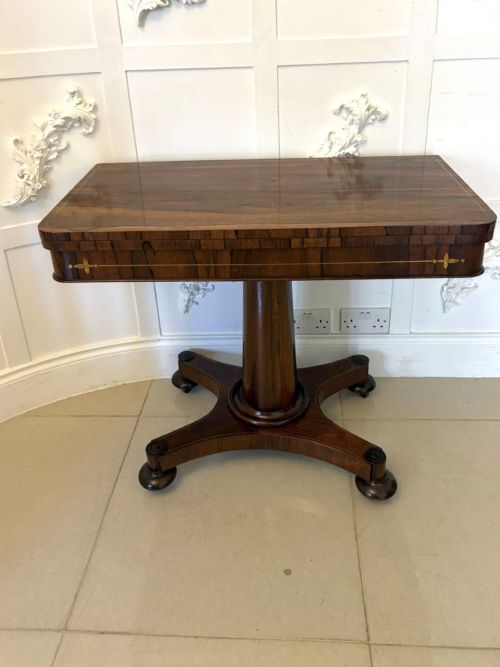
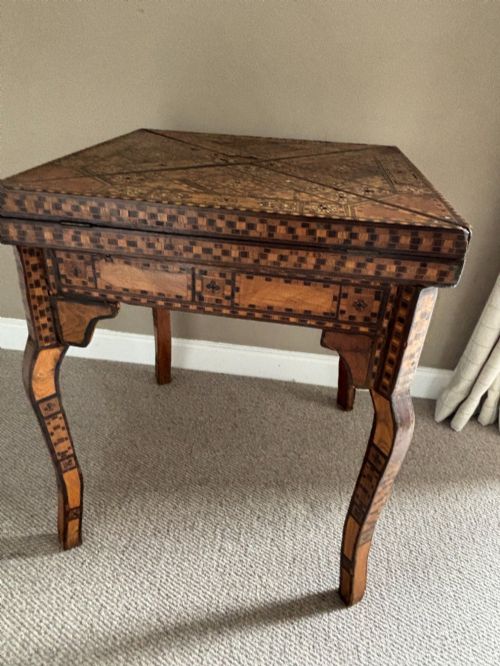
Cabinet makers constructed these pieces using solid timbers like mahogany, oak, and walnut, frequently applying veneers such as burr walnut, rosewood, and satinwood to the primary surfaces. Wood inlay, brass stringing, and marquetry enrich the top panels and friezes.
The folding mechanisms rely on hinged leaves and swivel tops that reveal hidden compartments or baize-lined playing surfaces underneath. Turning, carving, and brass mounts define the leg structures, from classical pedestal bases to slender tapered legs.
Game Top Table Retail Price Guide 2026
Typical asking prices for game top table among the pieces listed under this phrase on Sellingantiques today, from the lower quarter to the upper quarter. They describe what is for sale here now, not the wider market.
Listings feature mahogany, rosewood, and burr walnut across 18th-century, Regency, and Victorian periods.
Assessing Craftsmanship
Quality rests on the selection of figured veneers and the precision of the wood inlay or marquetry across the folding top. Superior pieces display seamless alignment when closed and stable, well-fitted hinge mechanisms that operate smoothly.
The crispness of carved details on the legs and the choice of secondary timbers inside drawers or compartments indicate the maker's investment of time and skill. Finer examples maintain structural integrity in the swivel or fold-over action without sagging or looseness at the joints.
Shapland & Petter·Gillows
The Game Top Table Glossary
- Fold-over top
- A hinged tabletop that opens to double its surface area, frequently revealing a lined well or compartment beneath.
- Marquetry
- Decorative patterns formed by fitting together thin slices of various coloured woods and veneers onto a structural surface.
- Crossbanding
- A border of veneer laid around the edge of a tabletop with the wood grain running perpendicular to the centre panel.
- Swivel top
- A tabletop design that rotates on its base to open and provide support for a folding leaf.
- Baize
- A coarse woollen fabric traditionally used to line the playing surfaces of card and games tables.
Game Top Table: Frequently Asked Questions
How do you open a game top table safely?
Most pieces utilise a swivel or folding mechanism where the top leaf rotates or lifts on hinges to reveal the interior compartment. Care must be taken to support the weight evenly during movement to protect the pivot points and joints.
Older mechanisms can stiffen over time, so forcing a stuck hinge risks splitting the surrounding veneer or straining the framework. Check the alignment of the dowels and pivots before attempting to unfold the surface.
What were these tables used for historically?
These pieces served multiple functions in the Georgian and Victorian drawing room, acting as console or side tables when closed against a wall. When unfolded, they provided a stable surface for card games, chess, or serving tea to guests.
Their dual nature made them essential for smaller spaces where furniture needed to adapt quickly to social gatherings. The concealed compartments often stored gaming pieces, cards, or writing materials.
How do you care for a polished wood surface?
Maintenance involves dusting regularly with a soft, dry cloth and avoiding placement near direct heat sources or strong sunlight. Excessive warmth dries out the timber and causes the delicate veneers to lift or crack over time.
Periodic application of appropriate wax helps nourish the finish and protect the grain without building up a heavy residue. Moisture should be wiped away immediately to prevent staining the polished wood or lifting inlaid brass details.
How can you tell a Regency table from a Victorian one?
Regency pieces often display classical restraint, featuring clean mahogany or rosewood surfaces enhanced by fine brass inlay and subtle reeded legs. The silhouettes tend to echo ancient Greek and Roman forms influenced by the federal and Empire styles.
Victorian examples frequently showcase heavier proportions, darker woods like burr walnut, and more exuberant carved details or elaborate marquetry. Cabinet makers in this later era experimented widely with revival styles and complex mechanical interiors.