

Fruitwood Kitchen Table
A fruitwood kitchen table brings warmth and a rich patina to the heart of the home, offering sturdy everyday utility.
What a fruitwood kitchen table is
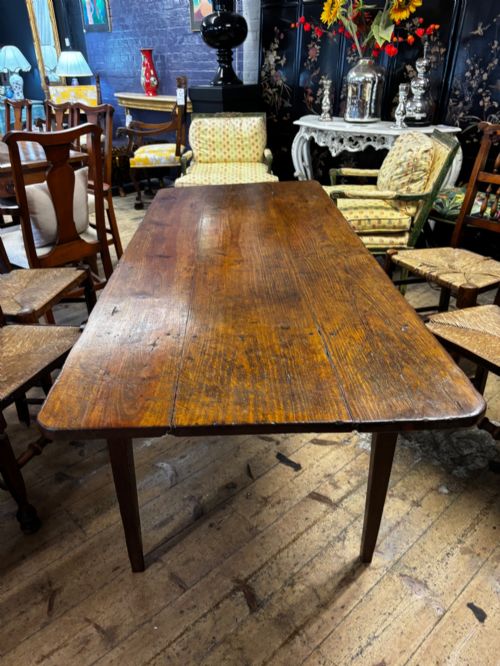
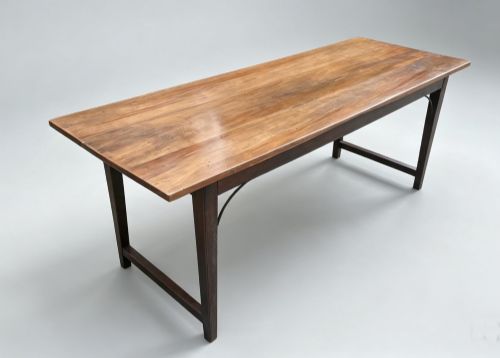
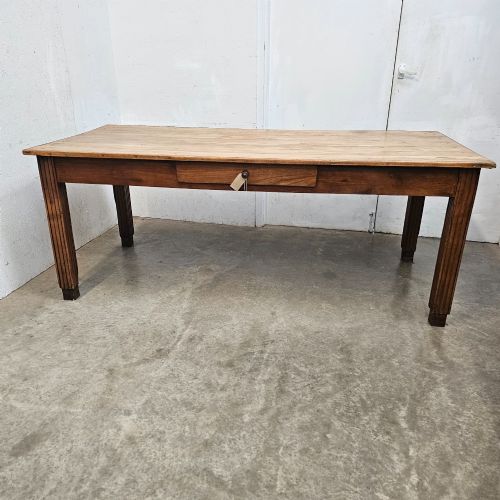
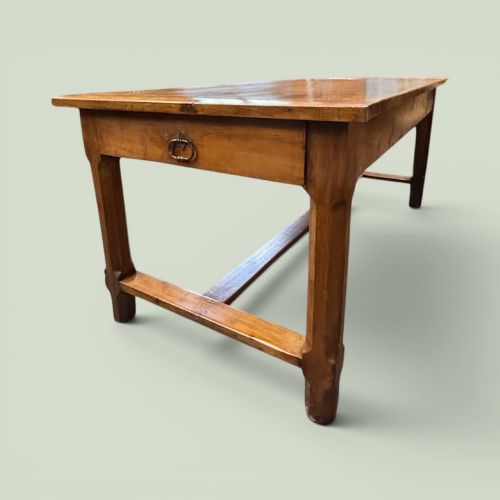
When you search for a fruitwood kitchen table, you are looking at sturdy domestic furniture designed for daily use in French provincial and rustic farmhouse settings. These pieces date predominantly from the nineteenth century, including examples around eighteen hundred and the nineteen-twenties.
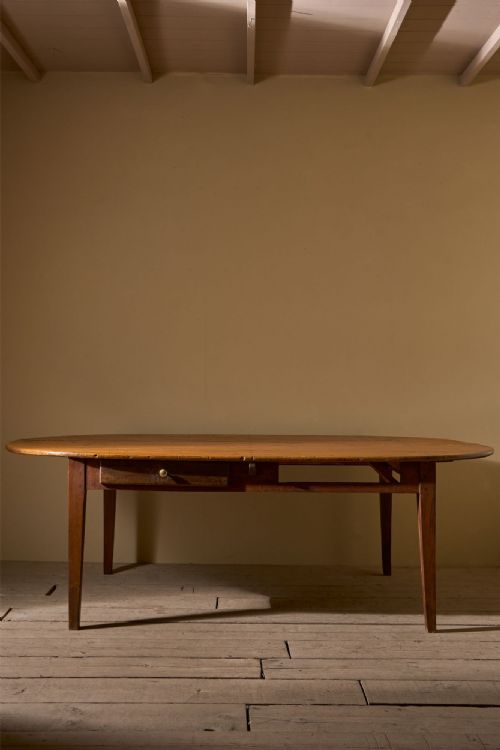
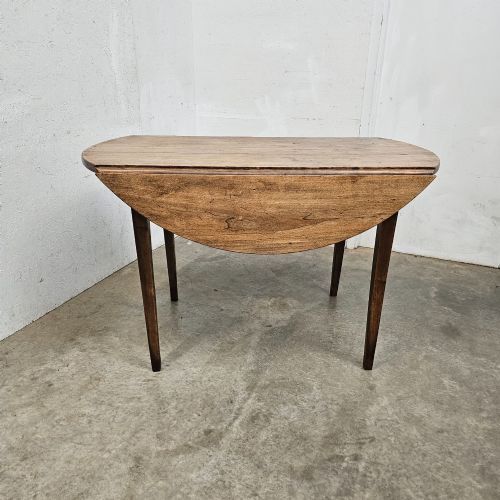
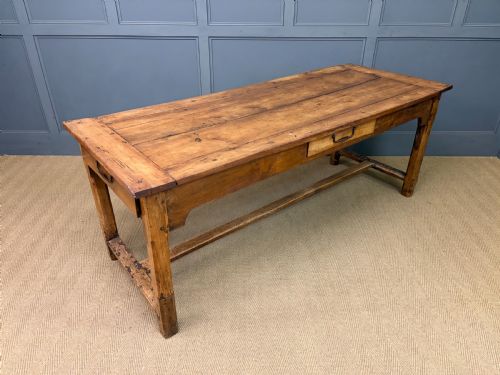
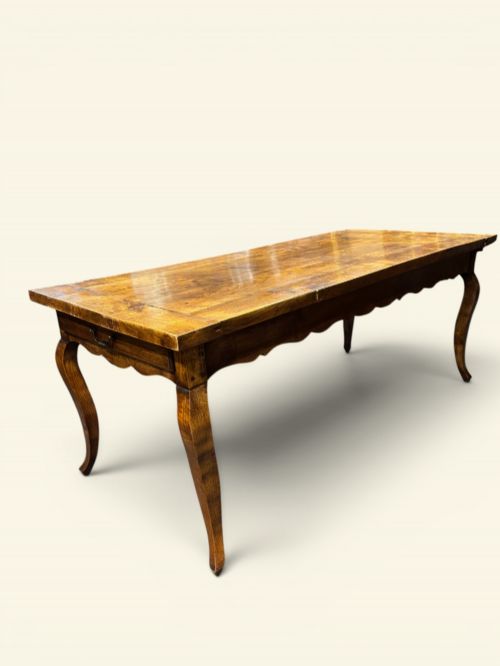
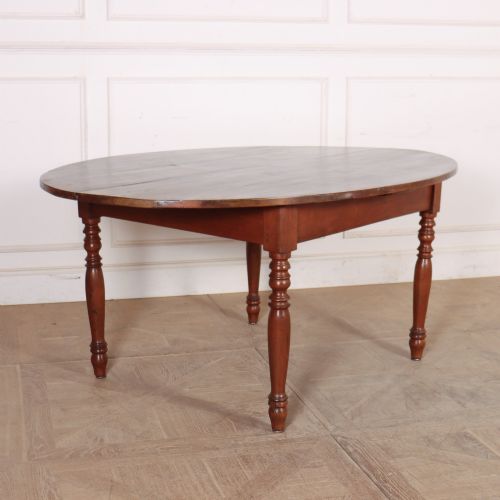
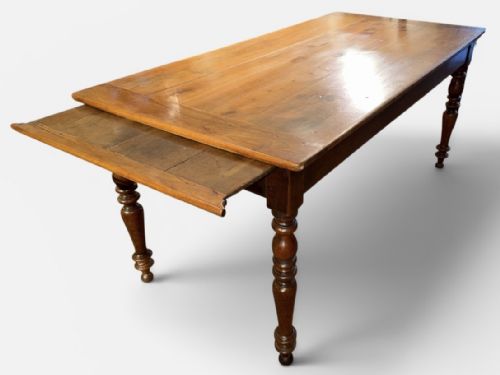
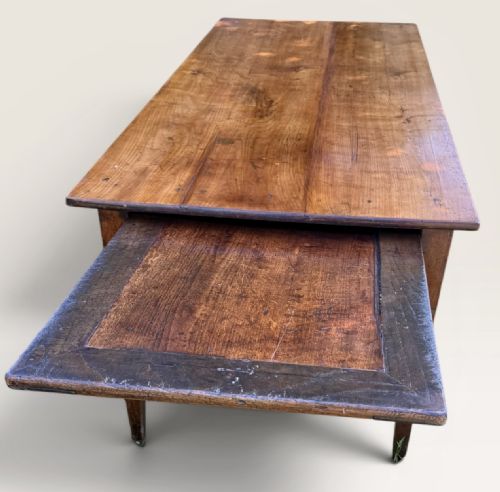
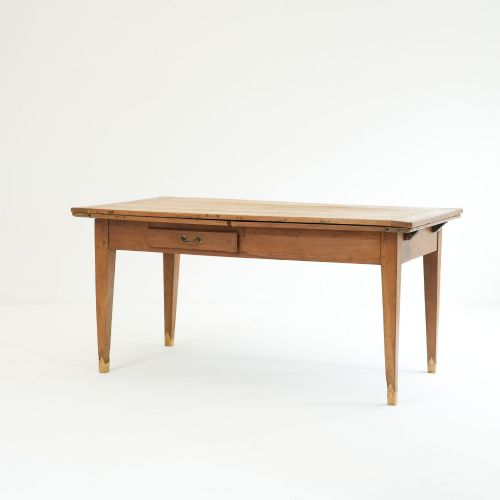
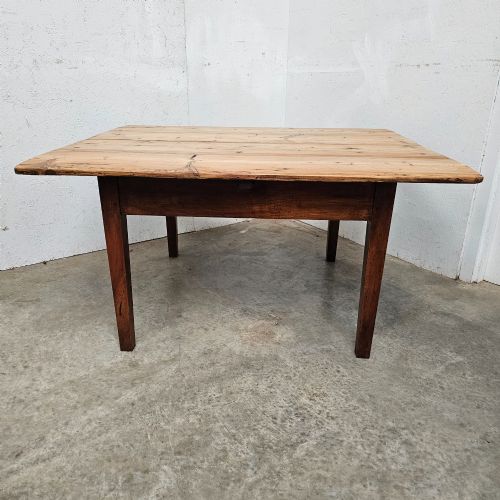
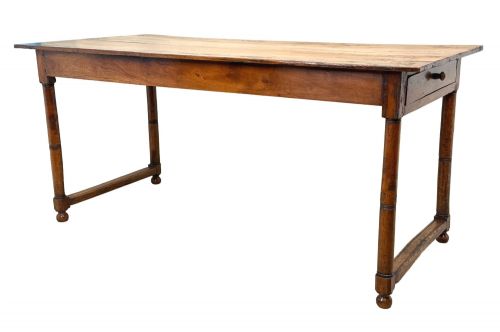
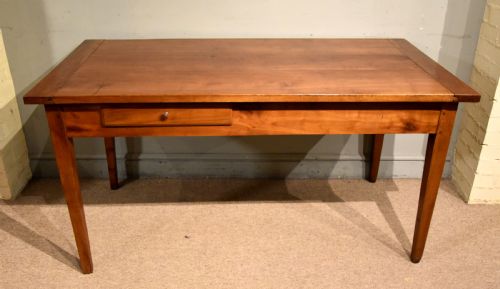
The version you are most likely to meet on this page is a French farmhouse or refectory table, often featuring a fruitwood top paired with pine or oak. Dining tables and low pantry surfaces also appear, sometimes with practical end drawers or scrub tops.
Most examples hail from French provincial or country traditions, embodying a rustic aesthetic that prioritises practical longevity. They range from standard dining proportions to large refectory formats built to seat many people.
How they were made
Joiners constructed these tables using solid timber, predominantly fruitwood for the working surfaces alongside pine, oak, and elm for structural bases. Iron and brass hardware occasionally appeared in functional elements such as drawer fittings.
Construction techniques focused on straightforward utility, combining timber boards with sturdy framing to withstand heavy kitchen labour. Parquetry top designs also feature among the surviving examples, demonstrating finer decorative woodworking skills.
Retail Price Guide 2026
Typical UK retail prices for fruitwood kitchen table, calculated from the Sellingantiques database of over a million retail prices indexed since 2003. This retail price guide relies exclusively on Sellingantiques data; no external sources or auction records are used, so the figures do not describe the wider market.
Materials recorded across the archive include fruitwood, pine, oak, elm, iron, and brass.
What varies in quality
Quality in these tables rests upon the selection of timber and the integrity of the original construction rather than elaborate decoration. Dense, beautifully grained fruitwood tops show superior character compared to simpler secondary woods.
The relationship between the top and the base dictates the overall balance of the piece, with harmonious combinations of fruitwood and pine representing solid craftsmanship. Tables retaining original drawers and unaltered proportions command greater interest.
The Fruitwood Kitchen Table Glossary
- Fruitwood
- Timber sourced from fruit-bearing trees such as cherry, apple, or pear, prized for its fine grain and warm tone. It develops a rich colour through generations of use.
- Refectory table
- A long, narrow table traditionally used for communal dining. In country houses, these provided ample surface area for food preparation and family meals.
- Parquetry
- Geometric woodwork formed by fitting small pieces of veneer or solid timber together. This technique creates patterned tabletops on finer provincial pieces.
- Scrub top
- A wooden tabletop designed to be vigorously scrubbed clean with water and sand. This treatment leaves the timber pale and deeply textured.
Frequently Asked Questions
What is a fruitwood kitchen table?
A fruitwood kitchen table is a sturdy domestic surface built for food preparation and dining, featuring timber from fruit trees. These tables originate largely from nineteenth-century French provincial settings.
They combine practical utility with warm tones, making them central pieces in country kitchens. Their design focuses on durability and everyday family life.
How were they used historically?
Historically, these tables served as the main workspace for rural households, accommodating baking, meal preparation, and family dining. End drawers often held small utensils and linens.
In larger country settings, refectory versions hosted communal meals for family and farm workers alike. Their robust construction handled the heavy demands of daily domestic labour.
How do I live with one?
Living with a fruitwood table involves embracing its natural patina and historical marks as part of its character. Regular maintenance requires simple cleaning and occasional waxing to protect the timber.
Place them in kitchens or dining rooms where their warm wood tones can anchor the space. They integrate easily into both rustic and contemporary interiors.
How can I tell periods apart?
Differentiating periods relies on observing construction methods, joinery details, and stylistic clues like art deco influences or traditional provincial forms. Nineteenth-century examples often display hand-cut joints and weathered surfaces.
Earlier pieces from around eighteen hundred tend to show simpler, heavier refectory proportions. Comparing leg shapes and base materials helps narrow down the decade of origin.