



Fruitwood Drawer Table
A fruitwood drawer table brings warmth and utility, offering practical storage alongside the rich patina of timber.
Fruitwood Drawer Table
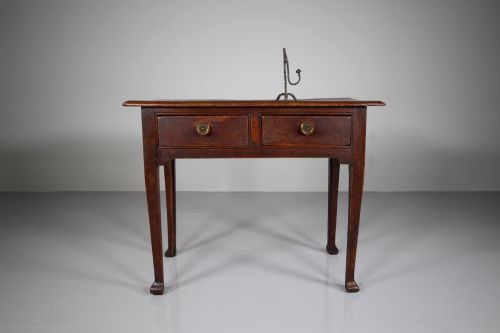
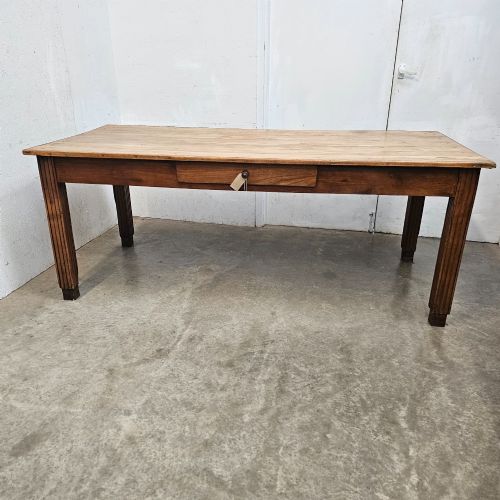
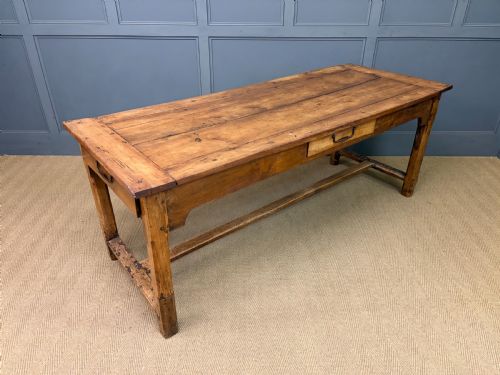
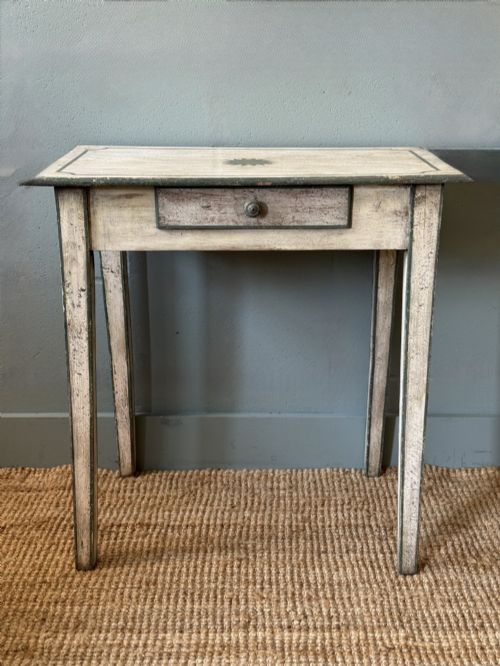
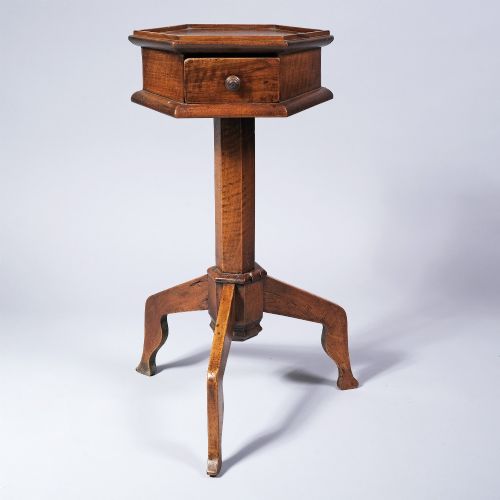
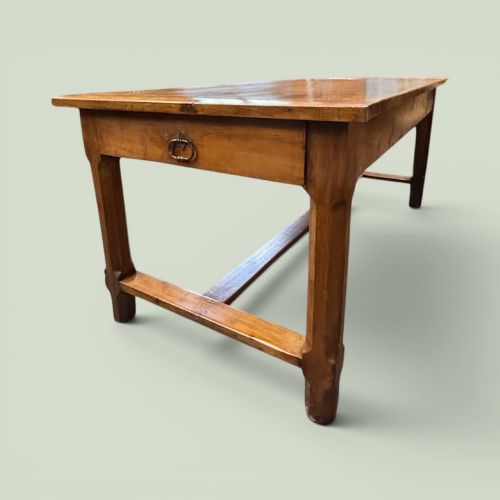
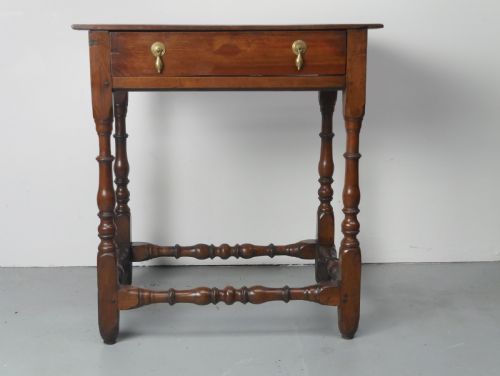
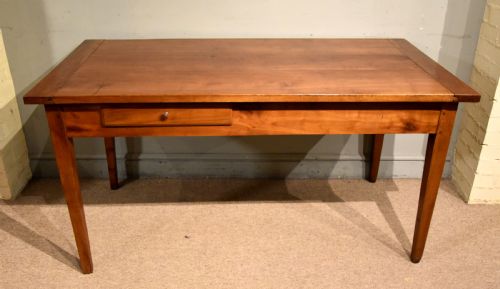
A fruitwood drawer table combines everyday domestic function with warm timber tones, appearing across various forms from side tables to large farmhouse dining tables. When exploring fruitwood drawer table options, buyers most frequently encounter rustic French and English provincial pieces featuring integrated drawer storage.
These items span several centuries, with examples emerging from the eighteenth, nineteenth, and early twentieth centuries. Forms range from compact lamp tables and lowboys to expansive refectory dining boards and dresser bases equipped with multiple drawers.
Origin and regional style heavily influence the overall aesthetic, bridging the gap between English country vernacular and French provincial design. Each piece serves a dual purpose as both a working surface and a storage unit.
What varies in quality
Quality rests primarily in the selection of the primary timber and the integrity of the original construction, distinguishing robust daily furniture from lighter decorative pieces. The uniformity of the fruitwood grain and the crispness of turned legs or carved cabriole details reflect the original maker's skill.
The degree of original preservation, including untouched patination and the retention of period hardware, separates standard domestic items from finer examples. Structural coherence across drawers and stretchers further determines the enduring integrity of each table.
Listings feature eighteenth and nineteenth century fruitwood tables alongside twentieth century French provincial pieces, constructed from cherrywood, oak, pine, elm, and alder.
The Fruitwood Drawer Table Glossary
- Fruitwood
- Timber sourced from fruit-bearing trees such as apple, pear, or cherry, known for a dense grain and warm reddish-brown tone. It was widely used by regional cabinetmakers for country furniture.
- Lowboy
- A small side table or dressing table with one or more rows of drawers, typically raised on tall cabriole or turned legs. Originating in the late seventeenth century, it served multiple domestic functions.
- Refectory table
- A long, narrow dining table originally built for communal dining halls, later adapted into domestic farmhouse forms. These tables often feature substantial stretcher bases for added stability.
- Dresser base
- A low sideboard or cabinet featuring multiple drawers set beneath a primary working surface. This form provided essential kitchen storage before fitted cabinetry became standard.
- Cabriole leg
- A furniture leg that curves outward and then tapers inward, inspired by the shape of an animal's leg. This decorative feature appears frequently on eighteenth-century regional and formal tables.
Fruitwood Drawer Table: Frequently Asked Questions
What is a fruitwood drawer table?
A fruitwood drawer table is a piece of furniture constructed primarily from orchard timbers like cherry, apple, or pear, featuring one or more integrated storage drawers. These tables range from small occasional and lamp tables to large farmhouse dining surfaces.
They were built for practical domestic use, combining a durable work surface with concealed storage for household items. Regional variations appear across both English and French country traditions.
How do I care for fruitwood furniture?
Care for fruitwood involves regular dusting with a soft cloth and occasional application of traditional beeswax to nourish the timber. Avoid placing these tables in direct sunlight or near heat sources to prevent the wood from drying out.
Gentle maintenance preserves the natural patina built up over centuries of use. Using coasters and placemats protects the historical surface from moisture and heat marks.
Where were these tables made?
These tables originate primarily from regional workshops in England and France, reflecting distinct local cabinetmaking traditions. Provincial makers utilised readily available local fruitwoods alongside structural timbers like oak and pine.
French pieces frequently exhibit characteristic provincial styling such as shaped aprons or bread slides. English examples often align with Georgian country vernacular and simpler turned-leg designs.
How do I date an antique fruitwood table?
Dating relies on examining construction techniques, joinery marks, drawer dovetails, and the wear patterns on the timber. Earlier pieces from the seventeenth and eighteenth centuries often feature hand-cut joints and distinct regional proportions.
Stylistic cues such as turned legs, stretchers, and hardware also provide chronological markers. Comparing the primary fruitwood species with secondary structural woods helps confirm the period of origin.