

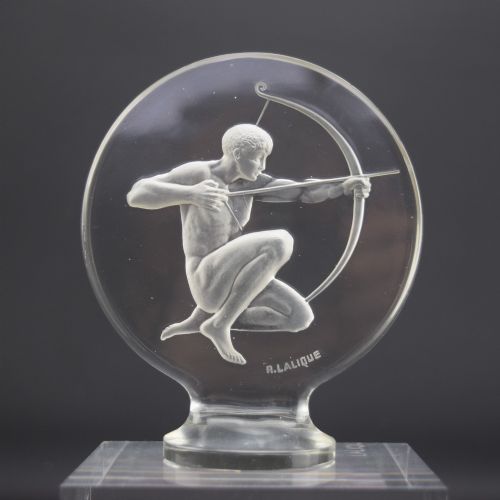

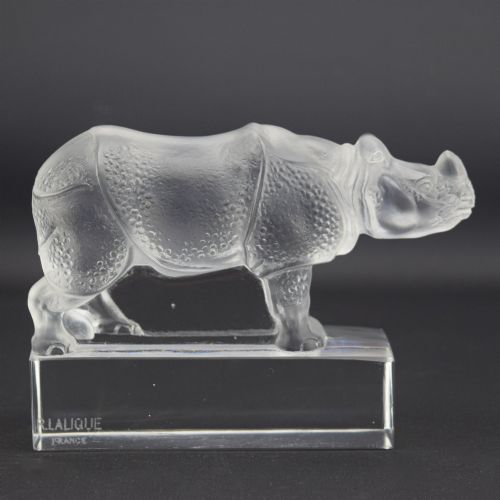


Frosted Glass Paperweight
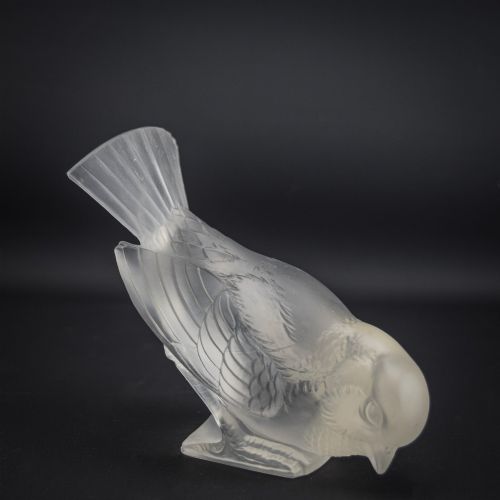
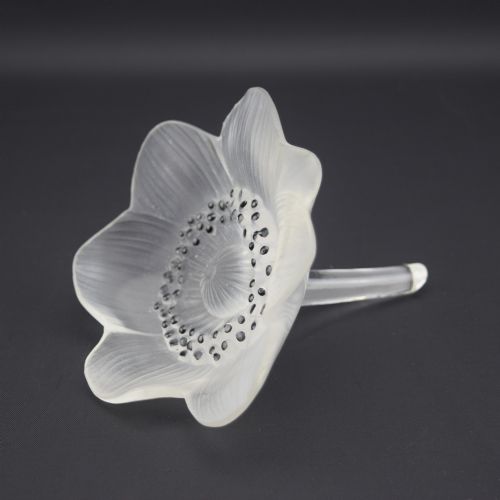
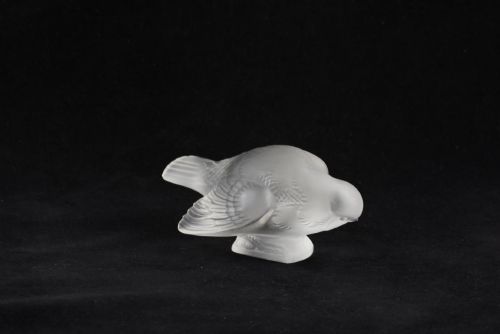
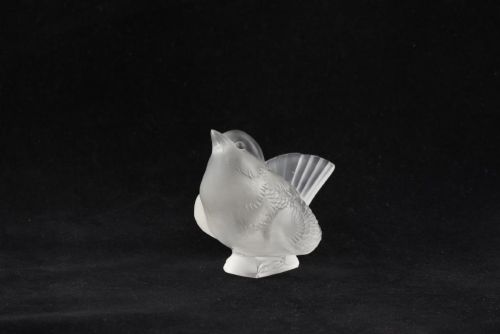
These frosted glass paperweight pieces bring tactile Art Deco and Art Nouveau form to the desk.

Frosted Glass Paperweight
A frosted glass paperweight is typically encountered here as a sculptural desk object, car mascot, or pin dish originating from the early twentieth century. The selection spans the 1910, 1920, and 1930 periods, showing how functional items doubled as miniature decorative sculptures.
Makers shaped these pieces into animal and figural forms, including birds like sparrows, rhinoceroses, elephants, and human statuettes such as Naiade and Thais. Many items perform dual roles, transitioning from desk seals and ashtrays to decorative glassware and car mascots.
The dominant aesthetic draws heavily from Art Deco and Art Nouveau design principles, relying on tactile surfaces rather than bright pigments. These objects demonstrate the versatility of moulded glass during the interwar decades.
Materials and construction methods
Makers utilised frosted glass, moulded glass, clear glass, pressed glass, crystal, and stained glass to achieve contrasting textures. Some pieces incorporate blue staining or opalescent effects to accentuate the contours of the moulded relief.
The technique relies on pressing molten material into moulds or casting crystal to capture intricate details. The contrast between polished clear sections and matte frosted surfaces defines the visual depth of each sculpture.
Frosted Glass Paperweight Retail Price Guide 2026
Typical asking prices for frosted glass paperweight among the pieces listed under this phrase on Sellingantiques today, from the lower quarter to the upper quarter. They describe what is for sale here now, not the wider market.
Listings span the 1910, 1920, and 1930 periods, incorporating Art Deco and Art Nouveau styles across various animal and figural forms.
Distinctions in execution
The precision of the finishing work around the socle or base separates standard production from superior pieces. Successful integration of opalescence or coloured stain adds another dimension to the physical depth of the glass.
Rene Lalique
The Frosted Glass Paperweight Glossary
- Frosted glass
- Glass treated to achieve a matte, non-translucent surface through acid etching or sandblasting. This finish diffuses light and highlights sculptural contours.
- Moulded glass
- Glass shaped by pressing molten material into a metal or wooden matrix. It allows for the repetition of complex animal and figural designs.
- Car mascot
- A sculptural ornament mounted on the radiator cap of an automobile during the early twentieth century. Many glass examples later function as desk paperweights.
- Cachet
- A French term for a seal or stamp, often featuring an intaglio design on the underside for impressing into wax. Several early desk accessories take this form.
- Opalescent
- Glass that displays milky, iridescent colour shifts depending on the angle of light. It creates a luminous depth within moulded decorative sculptures.
Frosted Glass Paperweight: Frequently Asked Questions
What are frosted glass paperweights?
These pieces are small decorative sculptures and desk accessories produced primarily during the 1910, 1920, and 1930 periods. They often take the form of birds, animals, and human figures created in moulded glass.
Many objects on this page served multiple functions originally, acting as car mascots, pin dishes, ashtrays, or desk seals before finding places on writing tables.
How were they used historically?
Owners placed them on desks to hold loose papers or displayed them on furniture as miniature works of art. Some items were mounted directly onto automobile radiators as mascots.
The dual utility of these objects reflects the period desire to incorporate artistic design into everyday utilitarian items.
How do I live with them?
Place these pieces where natural light can cross the matte frosted surfaces and clear glass sections. Positioning them near a window or desk lamp reveals the textural contrast.
Keep them on stable surfaces away from heavy foot traffic due to the delicate nature of moulded crystal and glass edges.
How do I tell periods apart?
Dating relies on stylistic shifts between Art Nouveau curves of the 1910s and geometric Art Deco forms of the 1920s and 1930s. Subject matter and finishing techniques like blue staining also point to specific interwar years.
Signatures and registry marks moulded into the glass provide direct chronological markers for pieces from this era.