


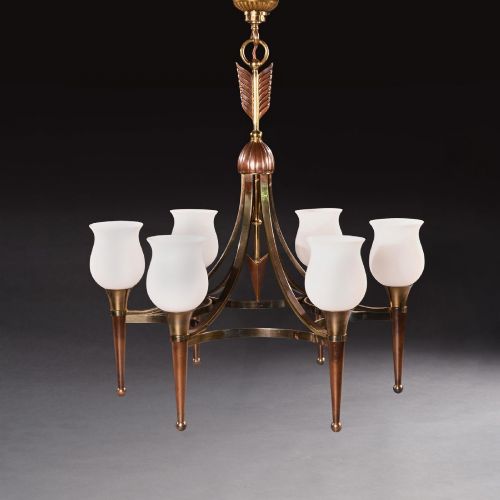
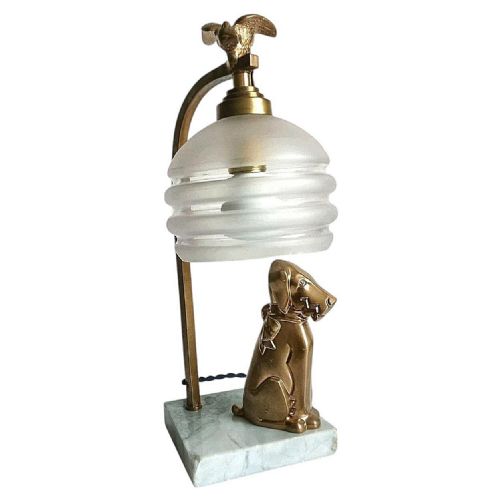
Frosted Glass Light
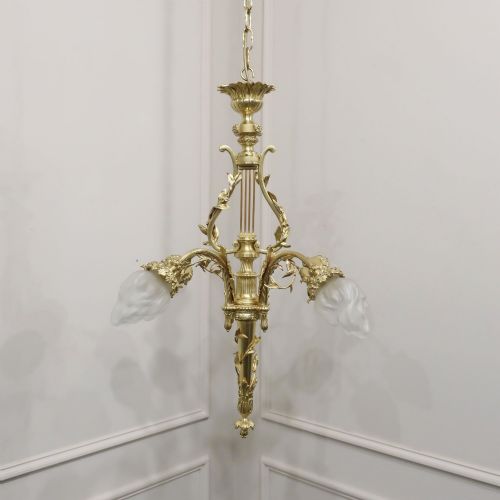
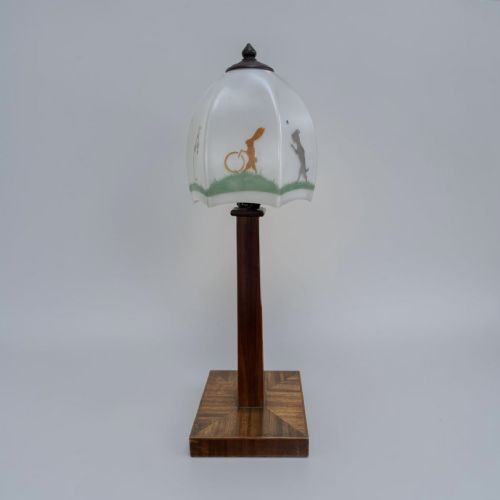
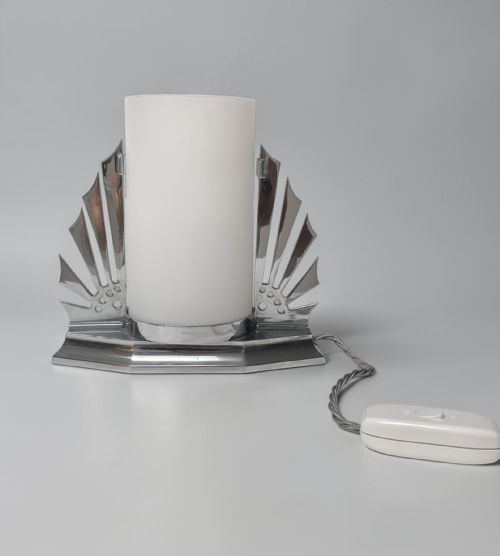
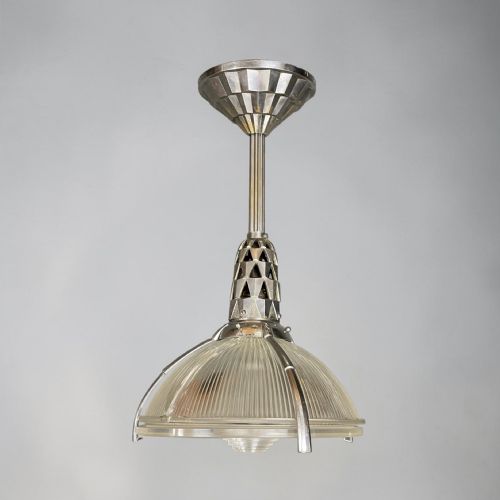
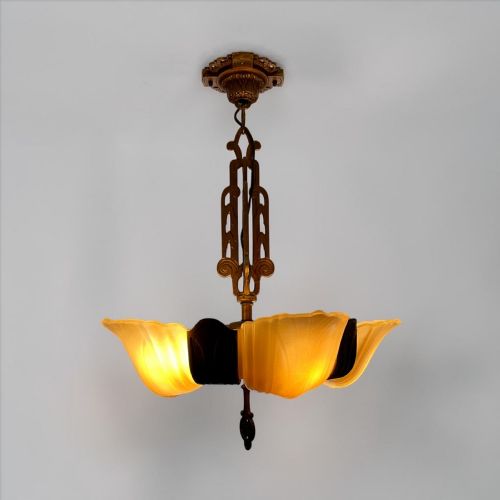
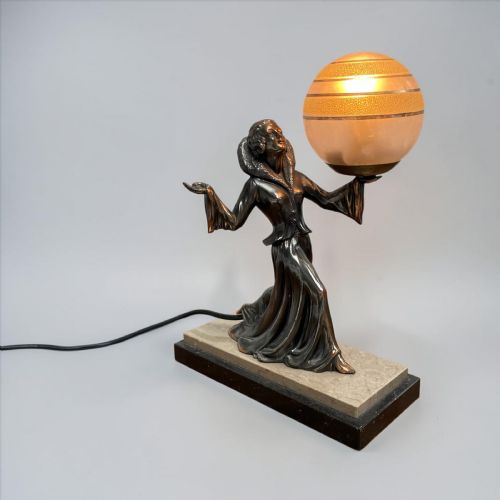
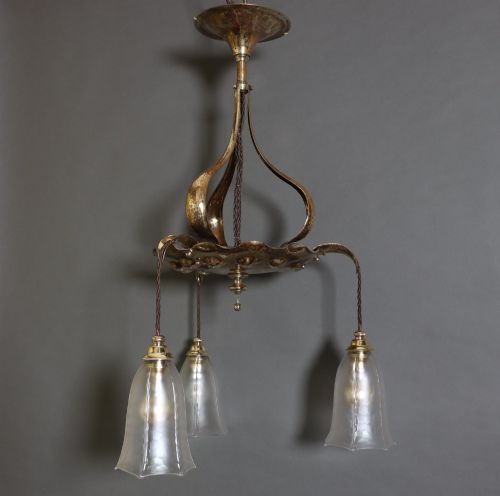
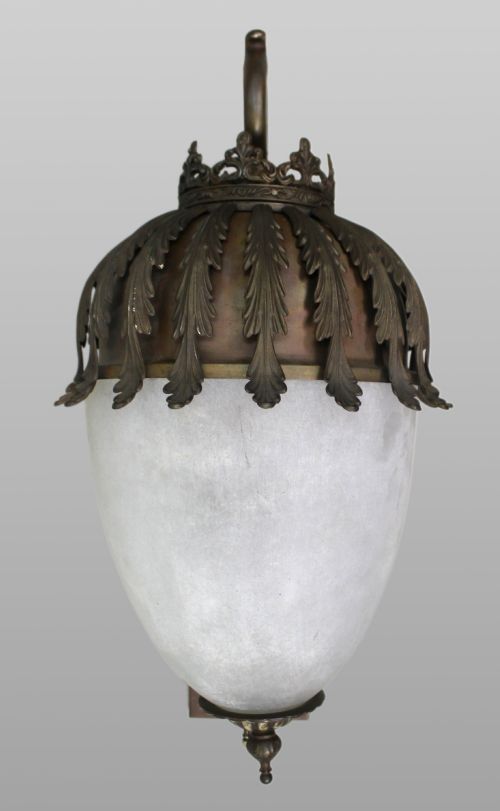
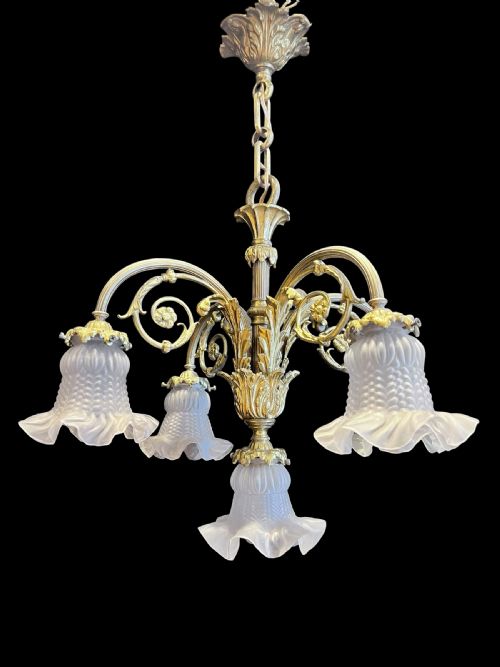
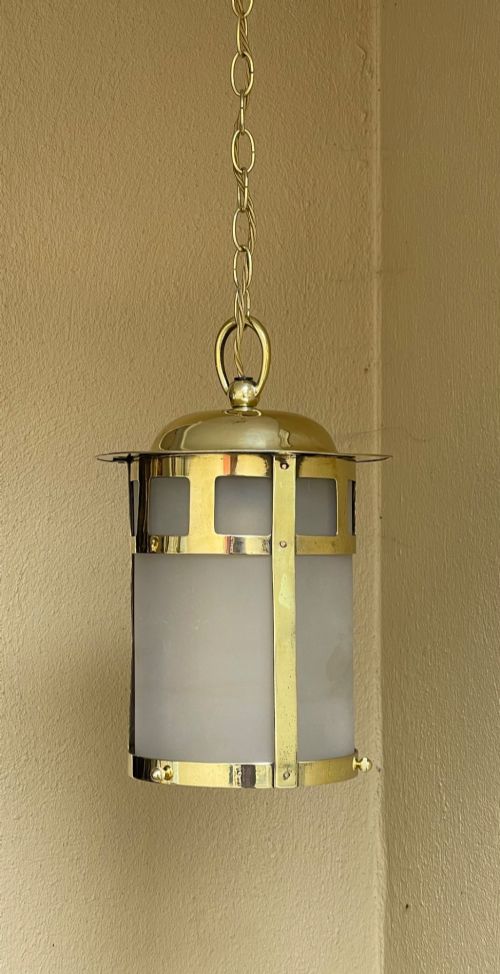
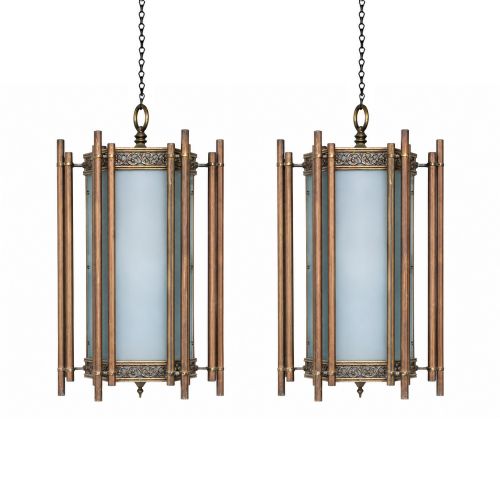
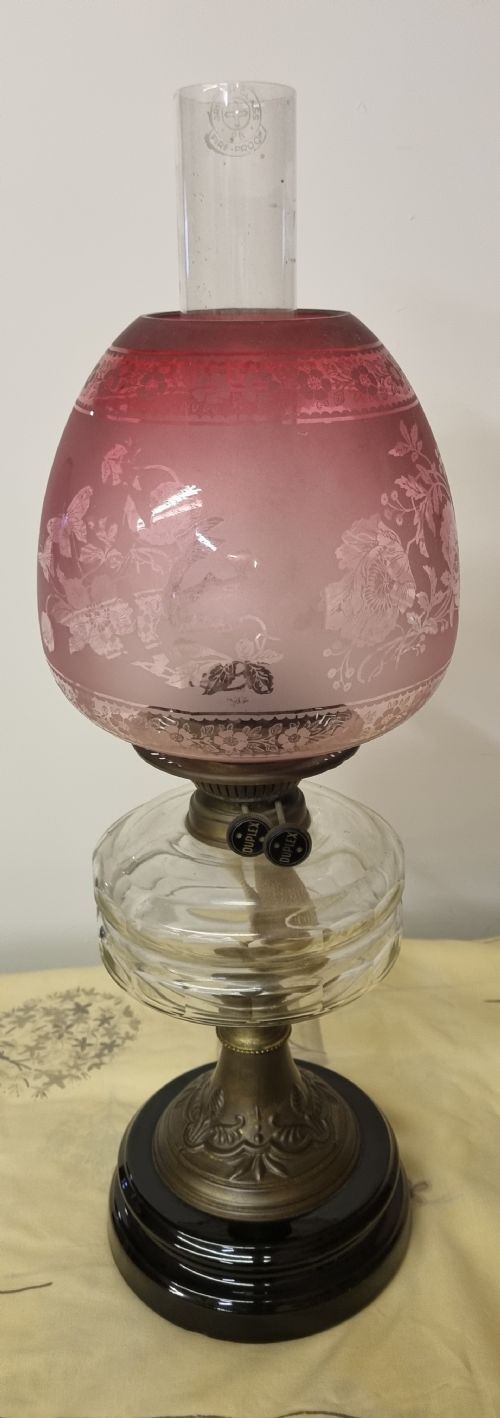
These pieces of frosted glass light combine diffuse illumination with period metalwork, offering a subtle glow that suits hallways, living rooms and bedrooms alike.
Frosted Glass Light
A frosted glass light provides gentle, non-glaring illumination through treated translucent surfaces that soften the bulb's output. When searching this phrase, buyers encounter various forms including ceiling pendants, wall sconces, table lamps and hall lanterns.
The pieces span multiple design movements, with notable representation from Art Deco geometric styles, Edwardian pendants, Victorian oil lamps and Neo-Classical wall brackets. Brass and bronze mountings frequently frame the glass elements across these eras.
How they were made
Manufacturers combined blown or pressed glass with structural metalwork such as brass, bronze, chrome and gilt bronze. The glass surfaces underwent acid etching, sandblasting or enamelling to achieve the characteristic opaque, light-diffusing finish.
Mounts and galleries were cast, chased and turned to secure the shades, utilising screws and brass galleries to hold heavy bowls and panels safely in place.
Listings feature brass, bronze, chrome and gilt bronze combined with frosted, cut, opalescent and ruby glass.
What varies in quality
Quality rests in the weight and purity of the metal mounts, the crispness of casting detail on ormolu and bronze, and the thickness of the glass shades. Superior examples feature hand-cut decoration or complex moulded relief work rather than simple pressed patterns.
The integration between the glass shade and the metal frame distinguishes finer workshops, where fixings fit securely without strain and original galleries match the proportions of the bowl.
Émile-Jacques Ruhlmann·Maison Jansen·Andre Arbus·Osler
The Frosted Glass Light Glossary
- Ormolu
- Gilded bronze or brass mountings popular in French Neo-Classical and Victorian lighting. The technique gives a rich gold-coloured surface finish.
- Pendant light
- A hanging luminaire suspended from the ceiling by a cord, chain or rigid brass rod. These fixtures cast downward illumination into a room.
- Spelter
- A zinc-based alloy used as a substitute for bronze in decorative figures and lamp bases. It takes plating and patination well to resemble heavier metals.
Frosted Glass Light: Frequently Asked Questions
How do I hang a heavy pendant light safely?
Suspension requires fixing the ceiling rose directly to a joist or using a designated weight-bearing hook. Professional wiring ensures the electrical components handle the fixture's load.
Heavier bronze and brass chandeliers need appropriate brass chain lengths rated for the total weight of the metal and glass combined.
Can these antique lights use modern bulbs?
Most antique fixtures accept standard modern LED or incandescent bulbs provided the wattage matches the historical wiring capacity. Contemporary SES or BC base bulbs fit standard historic sockets.
Rewired fittings accommodate modern electrical safety standards while preserving the original brass or bronze exterior appearance.
How do I clean frosted glass shades?
Wash the glass gently in warm soapy water using a soft cloth to remove dust and grease accumulation. Avoid abrasive scouring pads that scratch the etched surface.
Dry the pieces thoroughly before reinserting them into brass galleries or tightening thumbscrews.
What rooms suit a hall lantern best?
Hall lanterns provide focused overhead illumination suitable for narrow entryways, corridors and stairwells. Their enclosed glass sides protect the internal light source from drafts.
Brass and bronze frames from the Edwardian and Art Deco periods complement traditional hallway furniture and architectural mouldings.