


Frosted Glass Flower Vase
These frosted glass flower vase examples bring tactile texture and floral relief from the early twentieth century directly to your table.
Frosted Glass Flower Vase
A frosted glass flower vase is typically a decorative vessel designed to hold stems while displaying muted, translucent surfaces achieved through acid-etching, moulding, or blowing. The pieces on this page span the Art Nouveau and Art Deco periods, originating primarily from French makers.
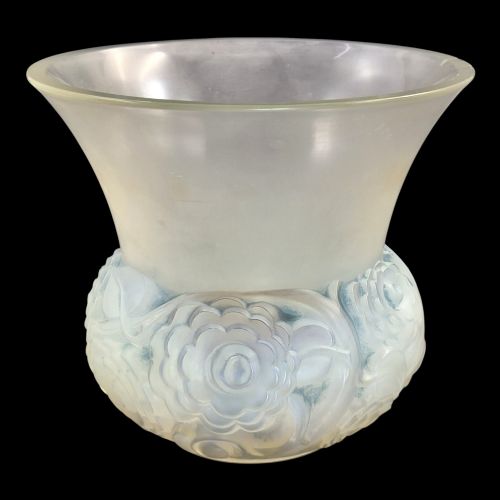
You are most likely to encounter moulded opalescent vessels from the 1930s alongside earlier cameo glass creations featuring naturalistic botanical motifs. Forms range from standard vases and banjo shapes to large oviform bodies and table centrepieces.
How they were made
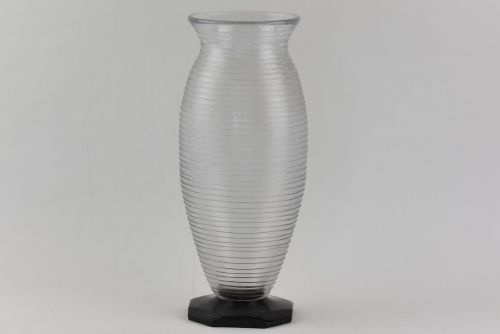
Makers utilised techniques such as acid-etching and cameo glass carving to create depth and contrast on the vessel surfaces. Blown glass and moulded glass formed the foundational shapes before artisans applied enamel highlights or surface frosting.
Opalescent glass was frequently employed to catch and scatter light across relief patterns like flowers and foliage. The combination of layered glass types allowed French studios to produce intricate multi-coloured botanical designs.
Frosted Glass Flower Vase Retail Price Guide 2026
Typical asking prices for frosted glass flower vase among the pieces listed under this phrase on Sellingantiques today, from the lower quarter to the upper quarter. They describe what is for sale here now, not the wider market.
Several vases on this page are dedicated entirely to depicting single plant species, including clematis, hydrangeas, and myrrhis.
What varies in quality
The distinction between standard production and the finest work lies in the depth of the relief work and the crispness of the surface finish. Skilled handling of cameo layers and acid-etching produces sharper botanical details.
The weight of the glass, the subtlety of opalescence, and the clarity of maker signatures heavily influence the standing of an individual piece within its period.
René Lalique·Emile Gallé·Daum Nancy·Legras
The Frosted Glass Flower Vase Glossary
- Cameo Glass
- Glass vessels created by fusing two or more layers of different colours and carving away portions to form a raised design. This technique requires considerable skill to achieve precise contrast.
- Opalescent Glass
- Glass containing minerals that create a milky, translucent appearance with a bluish or yellowish glow when lit from certain angles. It was favoured by major French designers in the interwar years.
- Acid-Etched Glass
- Glass treated with hydrofluoric acid to eat away the surface and create a frosted texture or pattern. It allowed workshops to replicate the look of sandblasting with great precision.
- Epergne
- An ornamental centrepiece vase designed with multiple branches or receptacles for holding flowers or fruit. They frequently served as focal points on dining tables during the early twentieth century.
- Oviform
- Egg-shaped, describing vases with a rounded body that tapers towards the base and neck. This silhouette was common in French studio ceramics and glassware of the era.
Frosted Glass Flower Vase: Frequently Asked Questions
How do I clean frosted glass?
Clean frosted glass gently using warm water and mild soap with a soft cloth. Avoid harsh chemical cleaners that might damage the etched surface or delicate enamel details.
Dry the vessel thoroughly with a lint-free cloth to prevent water spots from settling into the textured areas.
Are these vases waterproof?
Most of these vessels were designed to hold water for fresh flowers, though some delicate antique pieces are better suited for display alone.
Check the interior for any historical residue or cracks before filling an antique vessel with water.
How do I date an Art Deco vase?
Art Deco pieces from this selection typically date around 1930 and feature geometric motifs, stylised floral patterns, or opaque glass bodies. Maker signatures and stylistic markers help narrow down the production decade.
Examine the base for signature styles characteristic of French glassworks active during the interwar period.
What is the difference between Art Nouveau and Art Deco?
Art Nouveau pieces from the early 1900s focus on fluid, asymmetrical lines and natural botanical forms like cornflowers and sweet peas. Art Deco pieces from the 1930s lean towards geometric symmetry and stylised relief work.
Comparing the sweeping plant stems of Gallé to the structured opalescent panels of Lalique illustrates this shift in design.