




Frosted Figural Glass
Frosted figural glass captures human and animal forms in translucent detail, bringing sculptural drama and ambient illumination to any room.
Frosted Figural Glass
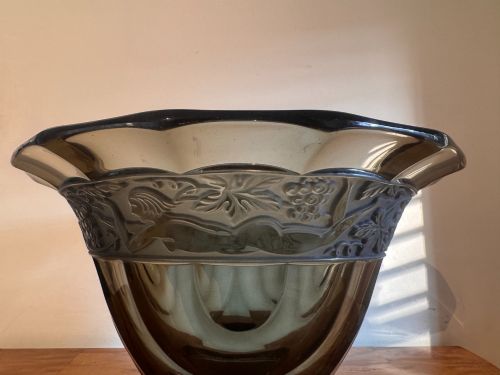
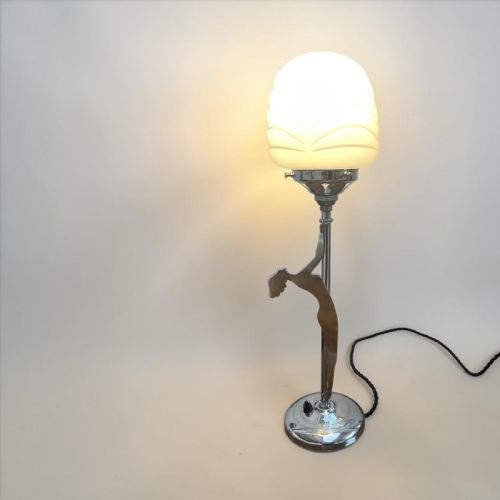
When you search for frosted figural glass, you are looking at items that combine sculptural human or mythological figures with translucent glass elements, most commonly seen in table lamps and decorative bowls. The selection here leans heavily towards Art Deco table lamps featuring female figures, alongside pieces from French and English makers spanning the nineteenth century up to the 1940s.
The forms range from individual nude ladies and dancers to mythological representations like Bacchantes or Atlas, often paired with bases of marble, brass, chrome, or patinated metal. These objects served both decorative and functional purposes in period interiors, functioning as centrepieces or mood lighting.
How they were made
Makers utilised moulded frosted glass for shades and bowls, paired with structural metalwork such as bronze, spelter, brass, and chrome. Spelter and bronze allowed for intricate casting of the figural elements, while marble provided heavy, stable footings for taller table lamps.
Techniques combined glass casting with metal foundry work, often applying patination, silvering, or gilding to the metallic components to complement the soft texture of the frosted glass.
Frosted Figural Glass Retail Price Guide 2026
Typical asking prices for frosted figural glass among the pieces listed under this phrase on Sellingantiques today, from the lower quarter to the upper quarter. They describe what is for sale here now, not the wider market.
Period origins span across the Regency era, the nineteenth century, and twentieth-century decades up to 1940.
What varies in quality
Quality rests in the crispness of the figure's casting and the subtlety of the glass frosting, where finer examples show anatomical precision and smooth gradients rather than surface blemishes. The integration between the figural sculpture and the supporting base, whether marble or patinated metal, distinguishes standard production from superior artistic output.
The reputation of the foundry or glasshouse, alongside the preservation of original patination and glass surfaces, dictates the standing of a piece within the range.
Karl Ens·Anton Buschelberger·Emile Picault·Baccarat·Walther and Sohne·Auguste Moreau
The Frosted Figural Glass Glossary
- Frosted glass
- Glass treated to scatter light and create a translucent, matte surface. This finish is achieved by acid etching or sandblasting.
- Spelter
- An alloy of zinc and other metals commonly used as a cost-effective substitute for bronze in nineteenth and twentieth-century figures. It accepts metallic paints and patination readily.
- Art Deco
- A design style characterised by sleek lines, geometric shapes, and stylised representations of the human form, prevalent during the 1920s and 1930s.
- Patinated metal
- Metal surfaces treated with chemicals or heat to produce a specific coloured finish or aged appearance. This layer protects the underlying material while adding visual depth.
Frosted Figural Glass: Frequently Asked Questions
How do I clean frosted figural glass?
Clean the glass surfaces gently with a soft cloth and mild soapy water, avoiding abrasive pads that can damage the matte finish. Keep moisture away from any vintage wiring on lamp assemblies.
Take care around patinated metal or painted spelter parts, as harsh cleaners can strip the original finish from the sculptural base.
Are these lamps safe for daily use?
Many period lamps retain their original wiring, which should be checked and updated by a qualified electrician before plugging them in. Modern low-heat LED bulbs help protect fragile glass shades from excessive thermal stress.
Ensure the base remains stable and balanced, particularly with heavier stone and metal figural compositions.
What is spelter and how do I spot it?
Spelter is a zinc-based alloy used extensively for figural lamp bases and sculptures as an alternative to heavier bronze. It is lighter in weight and often reveals a greyish metal underneath if the surface finish chips.
Examine the underside or areas of wear to determine whether the sculpture is cast bronze or plated spelter.