





Amber Glass Vessel
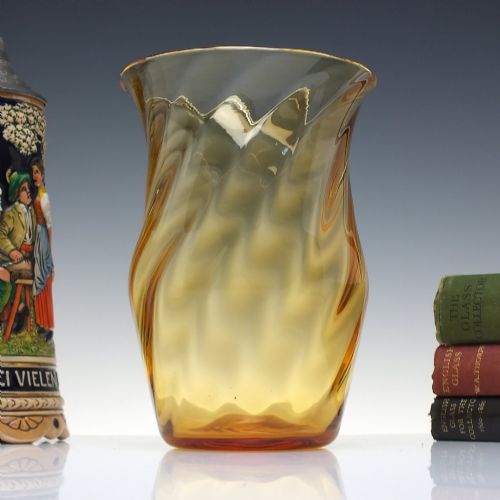
An amber glass vessel brings warmth and rich tone to a room, catching the light across styles from Victorian decanters to Art Nouveau vases.
Amber Glass Vessel
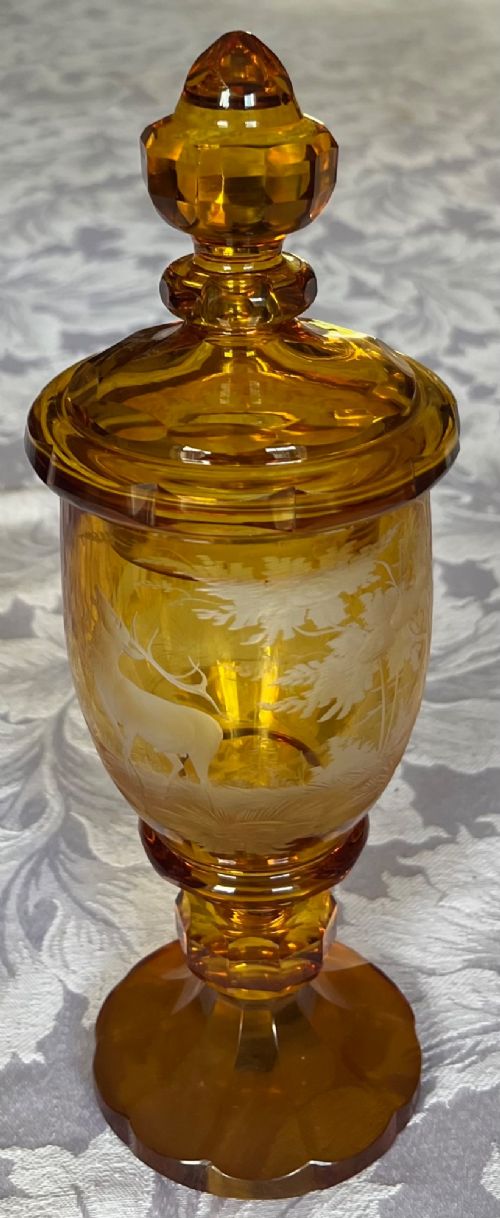
When you search for an amber glass vessel, you encounter a diverse selection of decorative and functional objects spanning from the Georgian era through the Art Deco period. The listings include vases, decanters, bowls, and goblets originating from British, French, Bohemian, and Italian workshops.
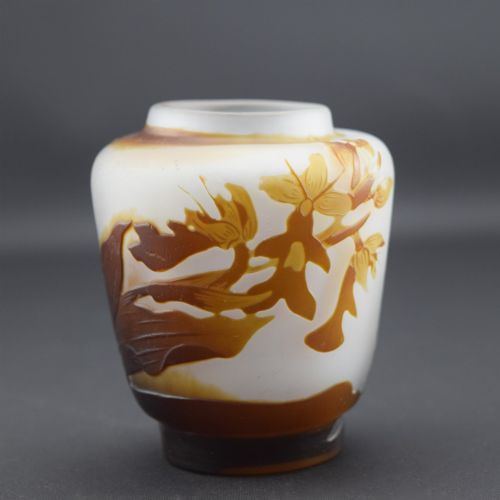
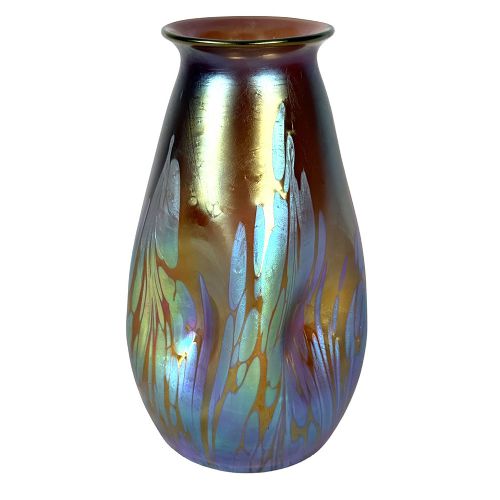
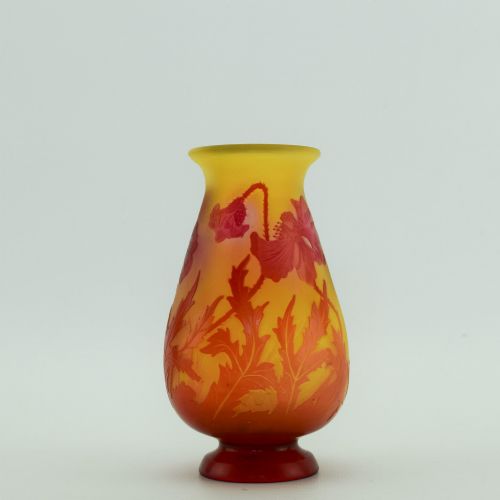
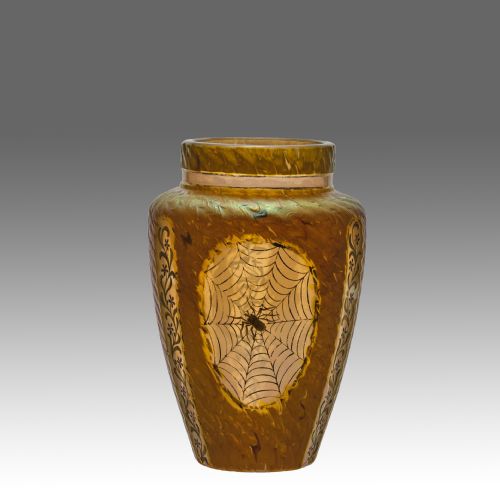
You are most likely to meet pieces produced in the early twentieth century, particularly Art Nouveau works featuring iridescent finishes or cameo layers. These range from tall floral vases to small finger bowls, reflecting the shifting tastes of Victorian and twentieth-century makers.
Materials and Techniques
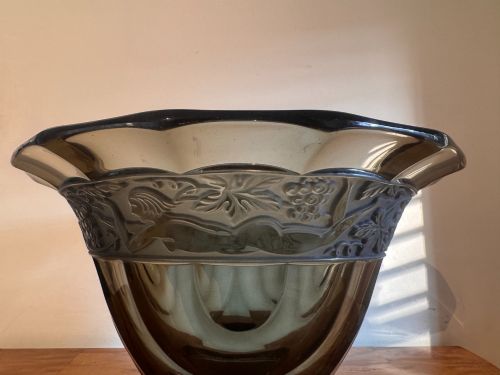
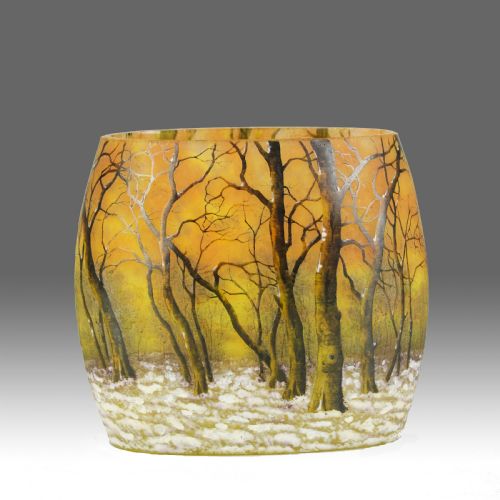
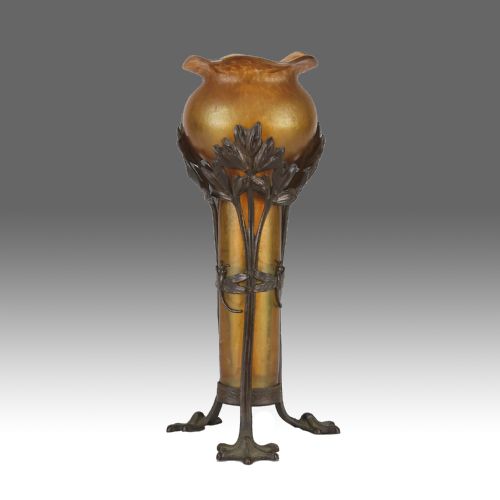
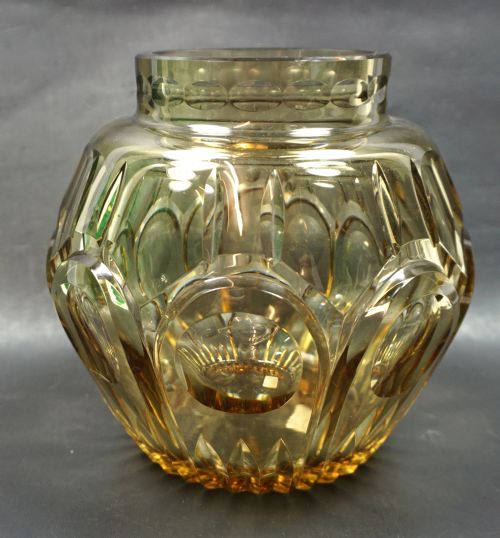
The objects combine amber glass, lead crystal, and standard glass with decorative methods such as cameo carving, acid etching, and polychromatic enamelling. Makers utilised metal mounts in bronze and silver, alongside silver overlay and cabochons, to frame the glass forms.
Techniques varied from free-blown organic shapes to intricate wheel engraving, intaglio cutting, and latticinio banding. Surface treatments included iridescence achieved through metallic vapour treatments during cooling, as well as multi-layered cameo glass acid-cut to reveal contrasting motifs.
Amber Glass Vessel Retail Price Guide 2026
Typical asking prices for amber glass vessel among the pieces listed under this phrase on Sellingantiques today, from the lower quarter to the upper quarter. They describe what is for sale here now, not the wider market.
Some nineteenth-century English makers experimented with straw-coloured glass finger bowls just to satisfy affluent diners who fancied washing their fingers in tinted luxury.
Evaluating Quality
Quality rests in the precision of the glassblower's hand and the depth of the decorative execution. In cameo pieces, the sharpness of the acid-etching and the subtle graduation of colour determine the fineness of the work.
The integration of secondary materials, such as heavy bronze mounts or silver overlay, distinguishes standard production from exceptional studio output. The crispness of wheel engraving and the control over iridescent sheens further separate ordinary items from masterworks.
Emile Galle·Daum Freres·Loetz·Kralik Glass·Moser·LCT Tiffany·Val St. Lambert
The Amber Glass Vessel Glossary
- Cameo Glass
- A form of luxury glassware produced by overlaying two or more layers of opaque or transparent glass of different colours. The outer layer is then carved or acid-etched away to create raised designs.
- Iridescent Glass
- Glass treated with metallic salts while hot to produce a shimmering, rainbow-like surface effect. This technique gained immense popularity during the Art Nouveau period.
- Latticinio
- A glassblowing technique involving fine opaque white or coloured glass threads embedded within clear glass. It often creates delicate network patterns inside the vessel wall.
- Intaglio
- A design carved into the surface of the glass rather than raised above it. Light catches the depressed cuts to form subtle, detailed imagery.
- Nailsea Type
- Glassware characterised by looped or splashed coloured glass trails applied to a base layer. The style originates from nineteenth-century English glassworks.
Amber Glass Vessel: Frequently Asked Questions
What is an amber glass vessel used for?
These pieces served practical dining and decorative functions, functioning variously as decanters for wine, tableware bowls, or standalone display vases for floral arrangements.
Over time, their roles shifted from utilitarian household goods to prized cabinet pieces collected for their artistic glasswork and distinct coloration.
How do I date an amber glass vessel?
Dating relies on identifying stylistic markers such as the organic fluidity of Art Nouveau curves, the geometric restraint of Art Deco, or the heavier ornamentation of Victorian and Georgian periods.
Maker signatures, pontil marks on the base, and specific manufacturing techniques like cameo layering or silver overlay provide further chronological clues.
How should I display an amber glass vessel?
Place these pieces where natural light can pass through the warm amber tones, illuminating the internal structure and any iridescent surface treatments.
Keep them away from direct, harsh sunlight to protect mounted metals and enamelled details from unnecessary environmental stress over time.
What distinguishes Art Nouveau glass?
Art Nouveau examples draw inspiration from the natural world, featuring motifs like poppy flowers, oak leaves, and landscapes rendered in layered cameo or iridescent finishes.
They often display asymmetric, organic forms that break away from traditional symmetry, reflecting the philosophy of the design movement.