





Relief Moulded Glass
Relief moulded glass pieces combine raised decorative motifs with tactile depth, offering collectors striking optical effects and sculptural forms.
Relief Moulded Glass
When you search for relief moulded glass, you encounter decorative vessels produced across the nineteenth and twentieth centuries. The selection ranges from nineteenth-century opaline pairs to twentieth-century vases and bowls.
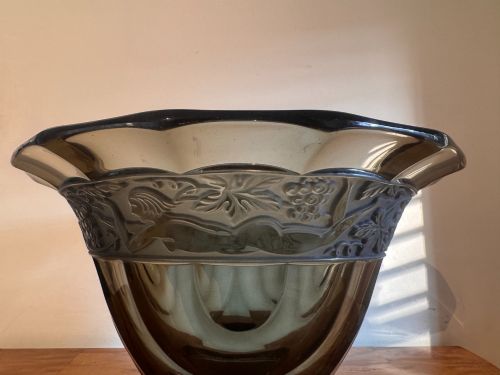
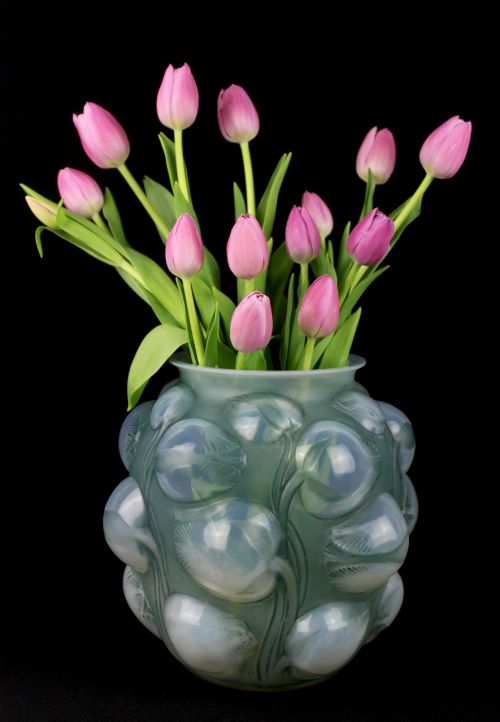
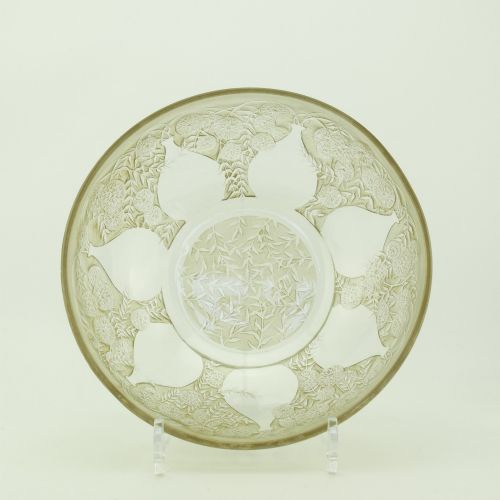
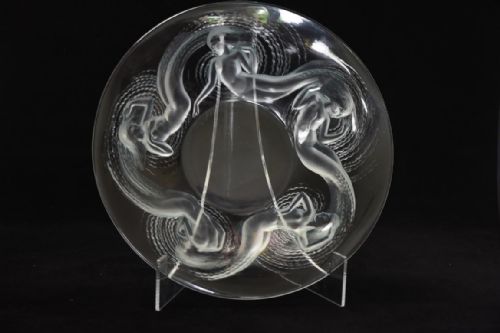
You are most likely to meet Art Deco pieces on this page, particularly floral and figural bowls and vases from the 1920s and 1930s. These items display distinct raised designs that define their structural profile.
The inventory includes various forms such as large coupe vases and decorative bowls. Each object utilises moulding techniques to achieve three-dimensional surface patterns.
How they were made
Maker workshops utilised pressing and moulding techniques to form raised motifs directly into the material. Molten substance filled metal moulds under pressure, creating sharp definition along the decorative borders.
Makers employed specialised colour treatments, including frosted, opalescent, smoky, and cobalt finishes to enhance the optical depth of the raised patterns. Some examples incorporate gold leaf details to highlight the surface relief.
Relief Moulded Glass Retail Price Guide 2026
Typical asking prices for relief moulded glass among the pieces listed under this phrase on Sellingantiques today, from the lower quarter to the upper quarter. They describe what is for sale here now, not the wider market.
Listings feature items spanning the 19th Century, 1920, 1930, and 1940 periods, executed in frosted, opalescent, clear, smoky, pressed, and opaline glass.
What varies in quality
The clarity and distribution of the opalescent or coloured effects distinguish superior examples from standard production. Higher-grade items show deliberate control over the frosted and translucent areas, creating distinct contrasts across the raised patterns.
The crispness of the moulded relief dictates the overall refinement of the piece. Sharp, well-defined floral or figural elements indicate skilled mould preparation and careful execution during the manufacturing process.
René Lalique·Baccarat
The Relief Moulded Glass Glossary
- Opalescent Glass
- Glass that exhibits a milky, bluish lustre when viewed in transmitted light and a warm yellowish tone in reflected light. This optical property depends on the chemical composition and cooling process.
- Frosted Glass
- Glass treated to achieve a textured, translucent surface by acid etching or sandblasting. This finish mutes transparency and highlights the raised contours of moulded designs.
- Pressed Glass
- Glass shaped by pressing molten material into a metal mould using a plunger. This mechanical method allows for intricate raised patterns to be produced efficiently.
- Coupe
- A wide, shallow bowl or vase form often supported on a short stem or foot. This shape provides a broad canvas for showcasing expansive relief ornamentation across the interior and exterior walls.
Relief Moulded Glass: Frequently Asked Questions
What is relief moulded glass?
Relief moulded glass refers to decorative vessels featuring raised patterns and motifs formed during the moulding process. These pieces utilise tactile surfaces and optical effects to create depth.
Items range from nineteenth-century opaline pairs to twentieth-century Art Deco vases and bowls. The method allows for intricate floral and figural designs to stand out from the body of the vessel.
How do I identify Art Deco pieces?
Art Deco pieces typically display stylised floral motifs, geometric symmetry, and strong sculptural forms. The designs often incorporate clean lines alongside rich opalescent or frosted finishes.
Look for specific botanical or figural names recorded in the titles, such as tulipes, dahlia, or bacchantes. These characteristics point firmly to the design sensibilities of the 1920s and 1930s.
How were these decorative bowls used?
Decorative bowls and coupe vessels served primarily as ornamental table centerpieces or display objects within domestic interiors. Their sculptural qualities allowed them to function as standalone works of art.
Larger sizes accommodated floral arrangements or simply highlighted the craftsmanship of the maker. Their physical presence relied on the interplay between light and raised surface decoration.