




Fringed Floor Lamp
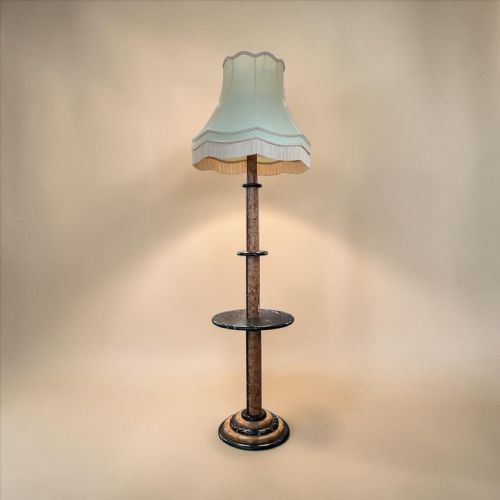
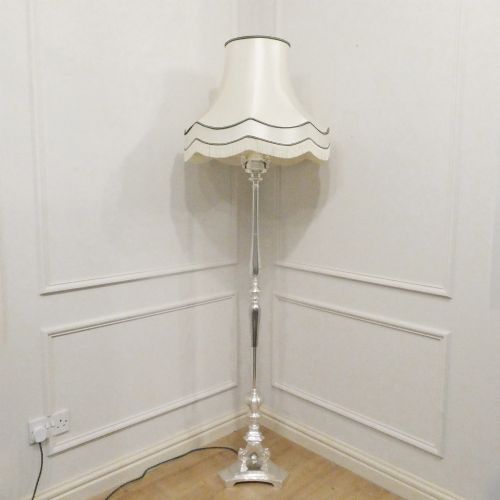
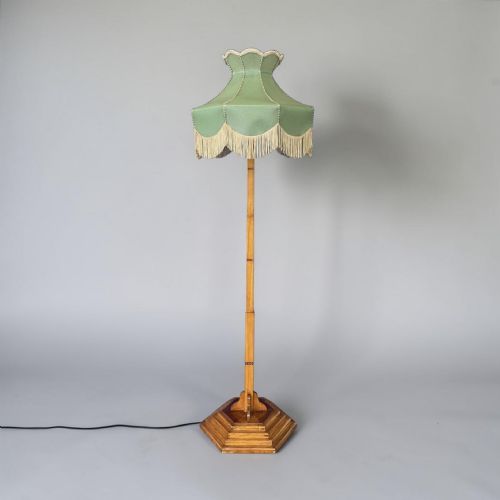
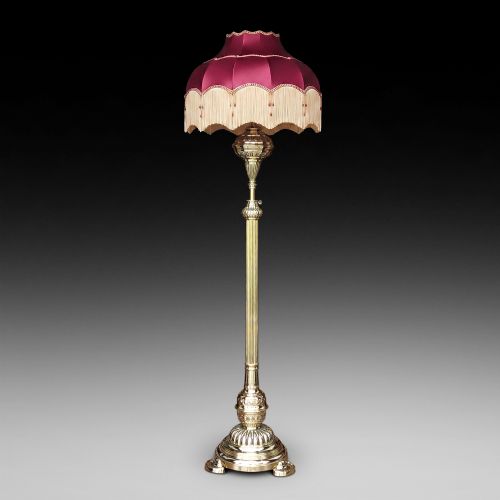
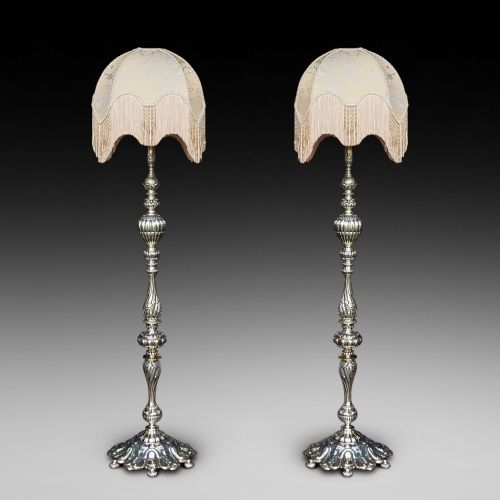
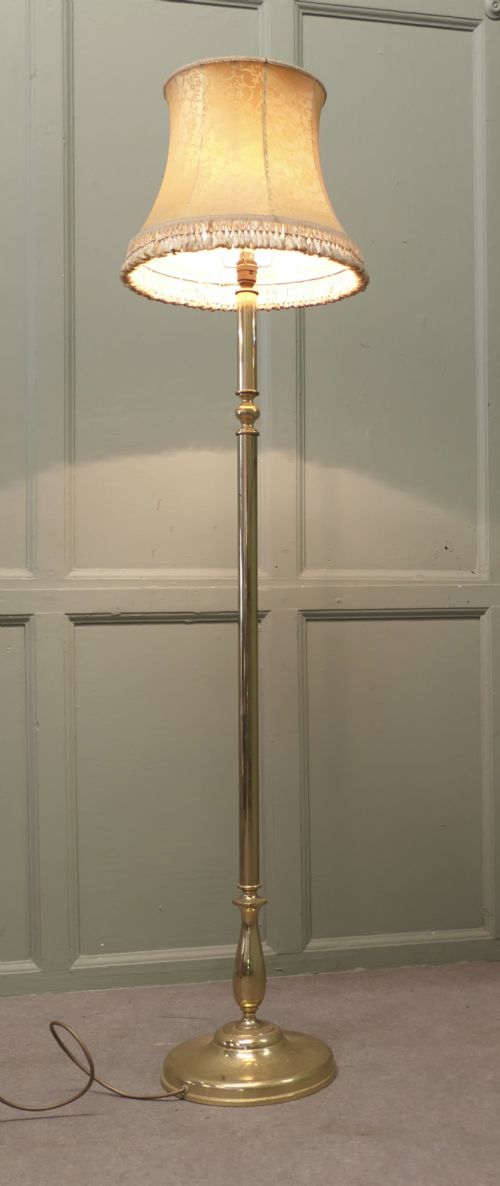
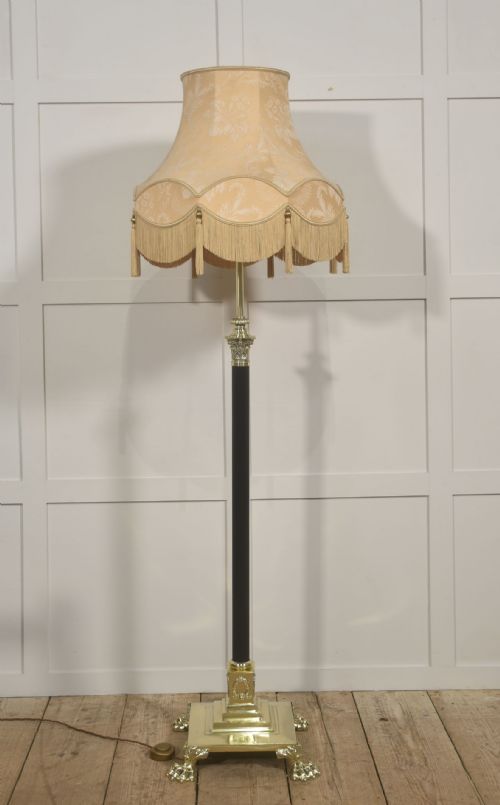
A fringed floor lamp brings warm ambient light and height to a corner, combining sturdy upright stands with decorative fabric trims.
Fringed Floor Lamp
When you search for a fringed floor lamp, you encounter tall upright lighting fixtures designed to stand directly on the floor. These pieces appear across Victorian, Edwardian, and Art Deco periods, frequently taking the form of standard lamps with adjustable stems or oil lamp conversions.
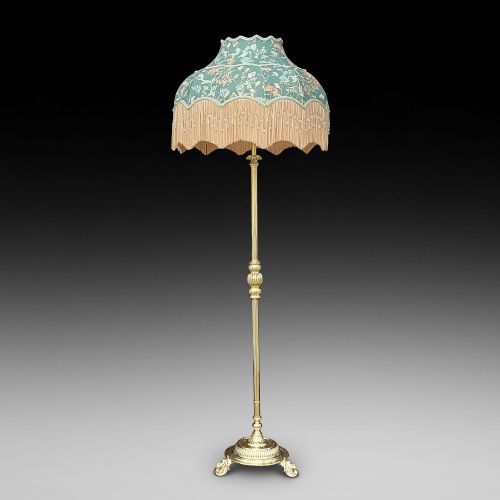
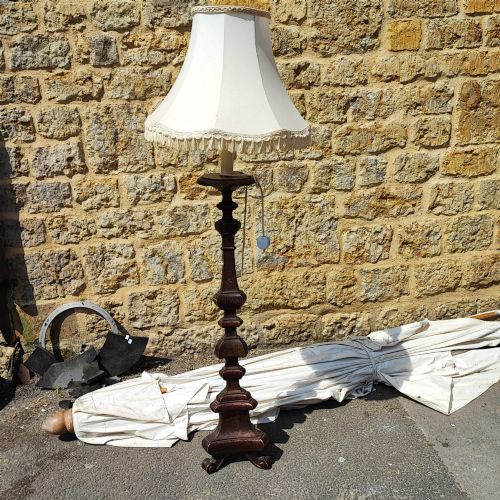
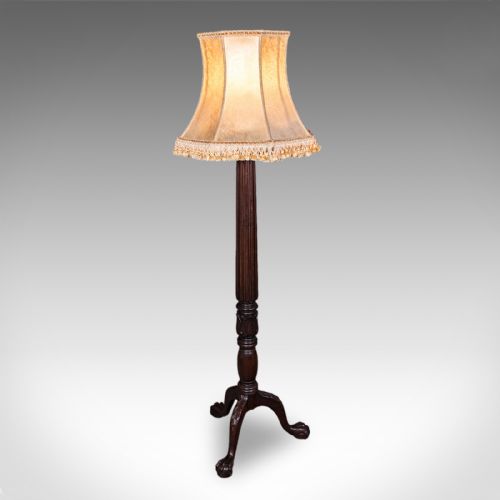
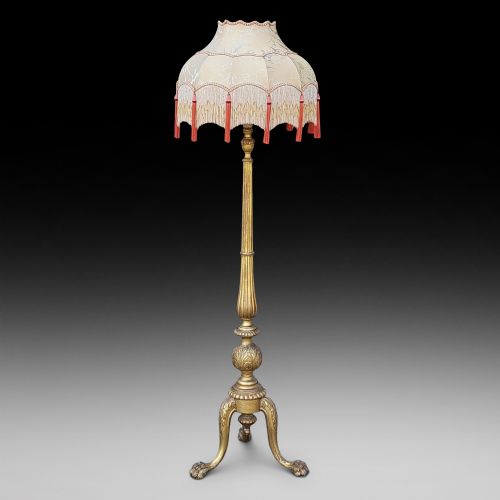
The version you are most likely to meet on this page combines a turned or columned support in brass, mahogany, or giltwood with a shade finished in textile elements. Such standards serve to illuminate larger sitting rooms and corners where table space is absent.
How they were made
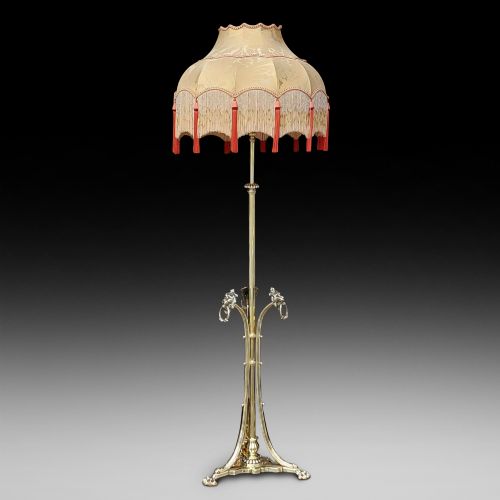
Makers constructed the vertical shafts from turned mahogany, carved giltwood, and heavy cast brass, often employing telescopic or adjustable mechanisms to alter the height. Metal columns frequently feature Corinthian capitals or wrought iron work.
Shades and trims incorporate silk, fabric, and applied fringe to soften the bulb output. Wood elements receive carved detailing or dark lacquer finishes, while marble and metal bases provide necessary structural stability.
Fringed Floor Lamp Retail Price Guide 2026
Typical asking prices for fringed floor lamp among the pieces listed under this phrase on Sellingantiques today, from the lower quarter to the upper quarter. They describe what is for sale here now, not the wider market.
Current listings demonstrate materials spanning brass, giltwood, mahogany, marble, and silk, originating across Victorian, Edwardian, and Art Deco periods.
What varies in quality
The standard of materials separates simpler turned wood pieces from finely cast brass columns and carved giltwood standards in the Neoclassical or Adam manner. Weight in the base and the precision of adjustable extension stems indicate higher production standards.
Design complexity also marks the range, moving from plain beech shafts to elaborate floral openwork bases, Corinthian detailing, and hand-decorated Chinoiserie lacquering.
Hinks of B'ham
The Fringed Floor Lamp Glossary
- Standard lamp
- An alternative British term for a floor lamp, describing a tall vertical light fixture standing on a heavy base. This term predominates in older catalogues and antique inventories.
- Telescopic
- A shaft construction allowing the upper section of the lamp to slide upwards and downwards to alter the overall height. This mechanism is frequently found on brass reading and oil lamps.
- Giltwood
- Timber coated with a thin layer of gold leaf or gilt gesso, seen on ornate Neoclassical and Baroque style standards. It provides a reflective surface that catches ambient room light.
- Corinthian column
- A classical architectural column design featuring ornate acanthus leaves at the top capital, commonly adapted for Victorian brass lamp standards. This form mimics ancient stone pillars in miniature scale.
- Chinoiserie
- European decorative style employing imitation Chinese motifs, often expressed in black lacquered finishes on wooden lamp shafts. These pieces date from the Edwardian period and the early twentieth century.
Fringed Floor Lamp: Frequently Asked Questions
What is a standard lamp?
A standard lamp is simply the traditional British term for a floor lamp designed to stand independently in a room.
These tall fixtures hold shades at eye level to provide general illumination without requiring furniture surfaces.
How do adjustable stems work?
Adjustable stems utilise a sliding inner rod secured by a thumb screw or key to raise or lower the light source.
This telescopic movement allows the lamp to adapt to different seating heights and room requirements.
What materials are most common?
Brass and carved mahogany form the majority of the upright shafts across the Victorian and Edwardian periods.
Giltwood and marble also appear frequently in decorative styles inspired by Neoclassical and Baroque designs.
How do I date these lamps?
Dating relies on combining the stylistic clues of the base, such as Art Nouveau curves or Corinthian capitals, with the primary construction materials.
periods like the Victorian era favour heavy brass and dark woods, while later decades introduce lacquered finishes and giltwood.