


French Woman Artist Painting
A french woman artist painting captures intimate domestic interiors, sunlit Mediterranean landscapes and avant-garde surrealist visions across changing modernist decades.
French Woman Artist Painting
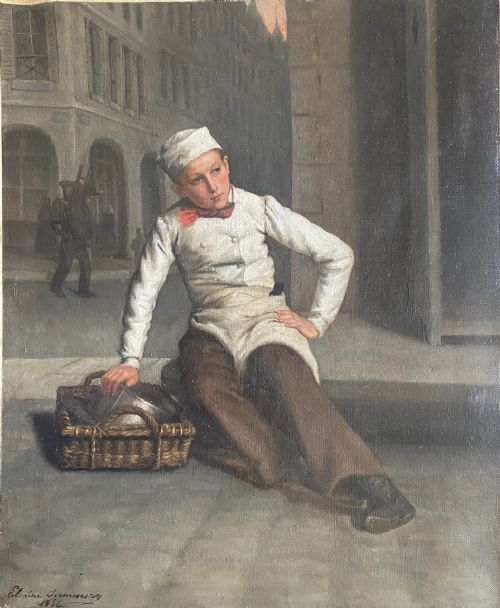
When you search for a french woman artist painting, you encounter canvases and works on paper spanning from mid-nineteenth-century salon pieces to mid-century modern abstractions. The selection ranges from intimate interior scenes and pastoral landscapes in Provence and Brittany to surrealist compositions and bold colourist still lifes.
You are most likely to meet twentieth-century works on canvas and paper from the nineteen-twenties through to the nineteen-fifties. These pieces record the distinct stylistic shifts from post-impressionism and art deco toward mid-century modernism and avant-garde surrealism.
Materials and methods
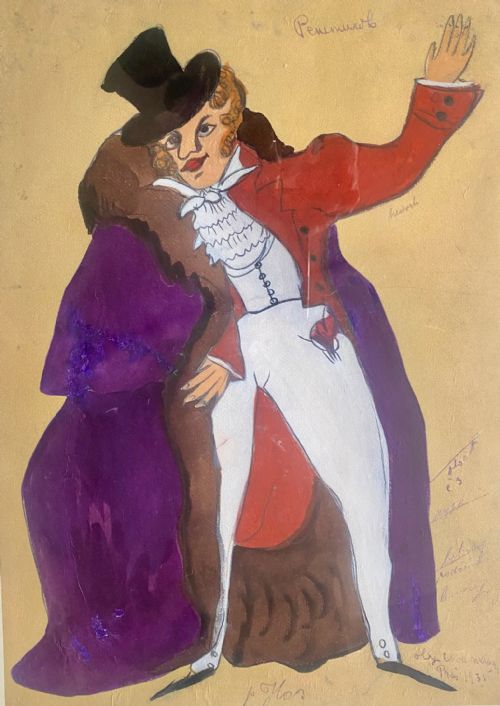
Artists primarily employed oil paint applied to canvas, paper, wood panels or board. Works on paper frequently utilise gouache, watercolour, ink and coloured pencil to achieve lighter atmospheric effects.
The physical construction of these pieces relies on traditional painterly techniques combined with experimental modernist approaches. Canvases are stretched over wooden frames, whilst works on paper capture immediate gestural strokes and fluid washes.
Listings feature works spanning from eighteen-fifty to nineteen-sixty, created using oil, gouache, watercolour, ink and mixed media on canvas, paper and wood.
Distinctions in execution
Quality rests upon the confidence of brushwork and the sophisticated handling of light and colour harmonies. Stronger compositions demonstrate a purposeful command of form, whether depicting a complex interior scene or a simplified landscape.
The distinction between standard decorative output and a compelling work lies in the distinct personal vision of the painter. Pieces that capture an expressive modernist spirit or a nuanced psychological atmosphere stand apart from routine academic exercises.
Olga Choumansky·Mercedes Legrand·Yo Mayer·Irene Lagut
The French Woman Artist Painting Glossary
- Intimist
- A style of painting focusing on domestic interior scenes and quiet everyday moments. It draws inspiration from intimate domestic life rather than grand historical narratives.
- Gouache
- An opaque water-based paint that dries to a matte finish. It allows for dense blocks of vibrant colour and precise graphic details.
- Avant-garde
- Artworks that push boundaries and reject established academic traditions in favour of experimental forms. These pieces reflect new philosophical and political currents of the twentieth century.
- Colourist
- A painter who prioritises expressive colour relationships over strict naturalistic representation. These works use bold hues to convey emotion and light.
- Salon
- An official annual art exhibition sanctioned by the state academy in Paris. Exhibiting in these shows marked a significant milestone for nineteenth-century painters.
French Woman Artist Painting: Frequently Asked Questions
What subjects do these paintings feature?
The works encompass a wide variety of subjects including domestic interiors, coastal views, pastoral landscapes in Provence and Brittany, and still lifes with fruit or flowers.
Artists also explored figurative compositions, surrealist visions, and wartime scenes reflecting the social shifts of their respective decades.
How do I care for works on paper?
Works executed on paper, including gouaches and watercolours, require protection from direct sunlight to prevent fading and discolouration over time.
Displaying them behind conservation-grade glass and maintaining stable humidity levels in the room preserves the integrity of the paper and pigments.
How can I identify the period of a painting?
Stylistic clues such as brushstroke techniques, colour palettes, and subject matter often point toward a specific decade like the nineteen-twenties or nineteen-fifties.
Examining the materials used, framing remnants, and any signatures or inscriptions on the reverse of the canvas or panel provides further chronological context.
Where were these artists active?
Many of these creators lived and worked in France, particularly around artistic centres in Paris and regional landscapes in the south.
Their circles included prominent modernist figures and movements, connecting their studio practices to wider European artistic developments.