



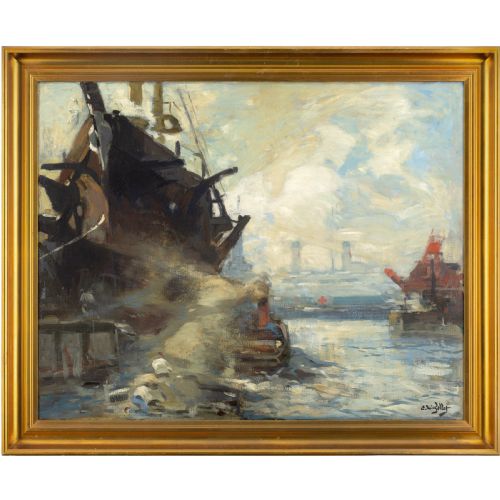
Vintage Original Oil Painting
A vintage original oil painting brings textured brushwork and rich pigment directly to your wall, spanning centuries of portraiture, landscape, and still life.
Vintage Original Oil Painting
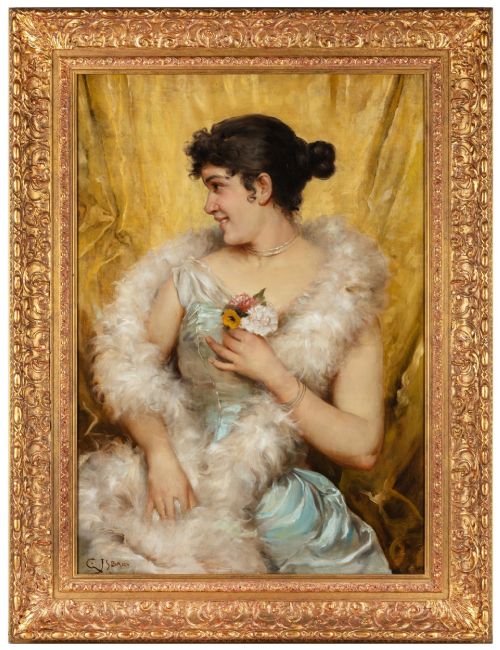
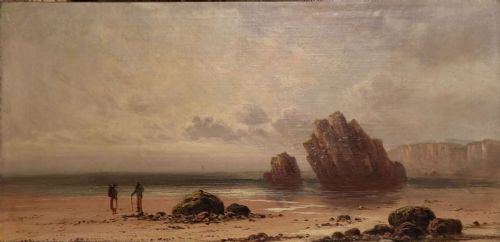
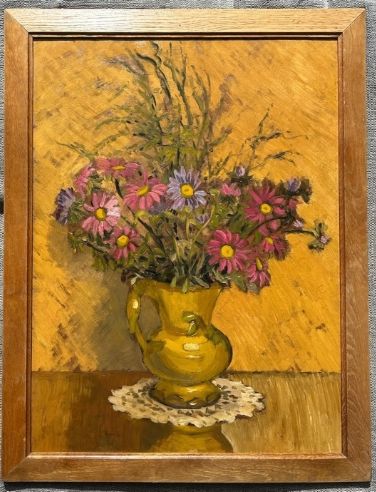
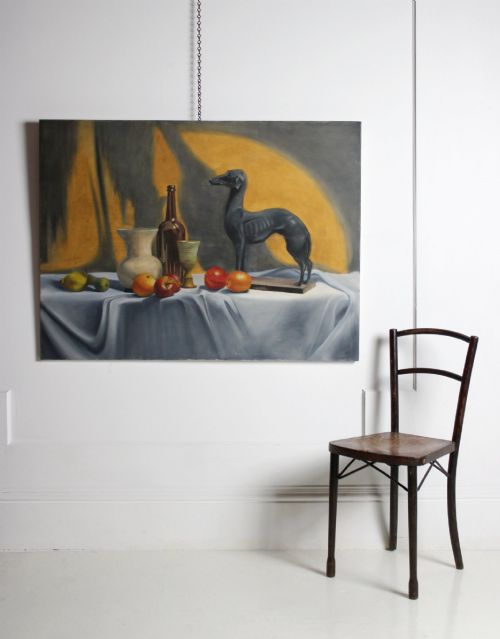
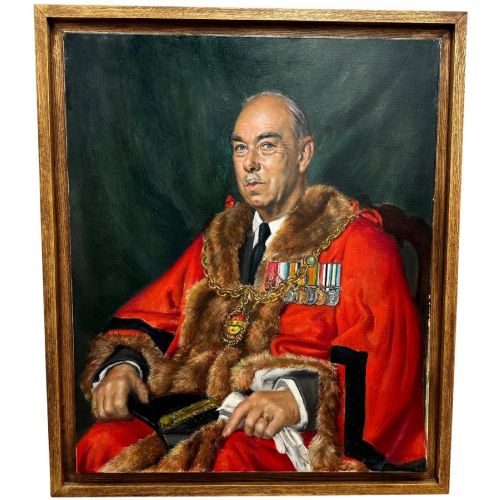
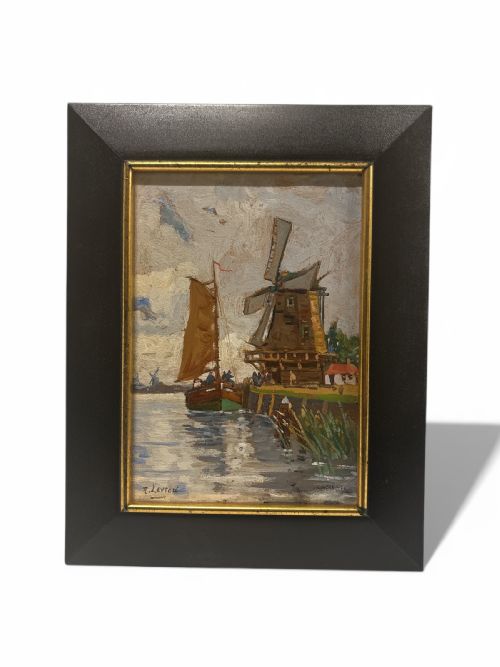
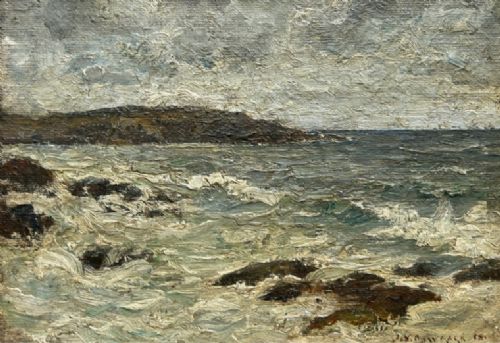
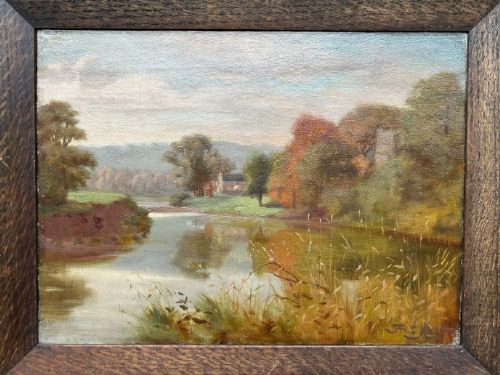
Most pieces met on this page date from the mid-twentieth century and the Edwardian era, reflecting popular domestic subjects such as rural British landscapes and still life arrangements. Works range from intimate board panels signed by regional artists to larger canvas portraits and coastal seascapes.
Support mediums vary considerably among the listed items, with oil paint applied directly to stretched canvas, wooden panels, thick board, and occasionally milk glass. Each piece represents a unique hand-painted creation rather than a reproduction, displaying the distinct brushwork and palette of its maker.
How They Were Made
Artists built these works using slow-drying oil paint applied to rigid supports like timber panels and composition board, or flexible woven canvas stretched over wooden frames. The medium allowed makers to blend tones smoothly or layer thick impasto pigment to create physical texture on the surface.
Gilt gesso frames frequently encase the paintings, combining moulded plaster details with metallic leaf finishes designed to complement the artwork. Preparatory grounds and priming layers were brushed onto the canvas or board before painting to seal the surface and support the oil colours.
Listings span multiple eras from the 17th century through the 1960s, executed on canvas, board, wood panels, and milk glass.
What Varies in Quality
The degree of anatomical precision in portraits and the perspective handling in landscapes establish the baseline skill of the painter. Stronger compositions demonstrate confident brush control and a sophisticated understanding of light and shadow.
The preservation of the pigment layer and the stability of the support material influence the overall integrity of the piece. Works retaining their original period frames and clear artist signatures command greater historical completeness.
Kenneth Cozens·Bernard Hailstone·William H Myers·George Graham·John Hayls·Tom Campbell·Clifford Hanney·Frederick Marriott·Eugène-Louis Gillot·Robert Heinrich·William Joseph Shayer Senior·Alfred Fontville de Breanski Jr·Sidney A Court·Kershaw Schofield·George Houston·Thomas W Lascelles·Gabriel Mathieu·Arthur Gué·Alfred Lyndon Grace·G J S Bary·Charles Houben·Alfred Pollentine·Albert E Jackson·Percy Hipkiss·W Matthews
The Vintage Original Oil Painting Glossary
- Impasto
- Paint applied thickly to a canvas or board, leaving prominent brush or knife marks that stand out from the plane. This technique adds tactile depth and catches light across the surface.
- Gesso
- A plaster mixture applied as a smooth base coat on panels or moulded into ornamental decorative patterns on picture frames. It provides a stable foundation for subsequent gilding or painting.
- En plein air
- The practice of painting outdoors directly from nature to capture transient light and weather conditions. Impressionist and modernist artists utilised this method to record immediate visual impressions.
- Provenance
- The documented history of ownership and origin associated with a work of art. Clear provenance helps verify the authenticity and dating of older paintings.
- Board
- A rigid flat substrate made from wood pulp or compressed material used instead of stretched canvas. Many twentieth-century painters favoured board for its stability and smooth texture.
Vintage Original Oil Painting: Frequently Asked Questions
How do I clean an old oil painting?
Surface dust can be gently removed using a very soft, dry natural bristle brush without applying pressure to the pigment.
Any deeper cleaning or removal of aged varnish requires a professional conservator to prevent permanent damage to the delicate paint layers.
Are all these paintings one-of-a-kind?
Every piece listed is an original hand-painted artwork created directly by the artist rather than a printed reproduction.
Artists worked entirely by hand using oil pigments on canvas, board, or wood panels to produce singular compositions.
How can I tell canvas from board?
Canvas yields slightly when gently pressed and reveals a woven textile texture under magnification, whereas board provides a completely rigid backing.
Wooden panels and composition boards were widely adopted by artists throughout the twentieth century for their durability and flat working surface.
Where should I hang an oil painting?
Paintings last longest when displayed away from direct sunlight, high humidity, and rapid temperature fluctuations caused by radiators or fireplaces.
Stable indoor environments protect both the wooden stretcher frames and the organic oil pigments from warping and fading over time.