




1960s Landscape Oil Painting
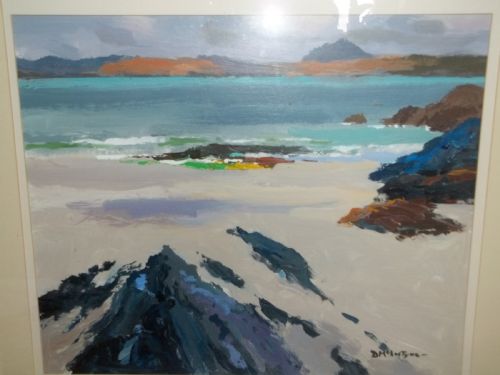
A 1960s landscape oil painting captures the expressive palette and textural surface of mid-century art, offering buyers a striking window into post-war modernist vision.
1960s Landscape Oil Painting
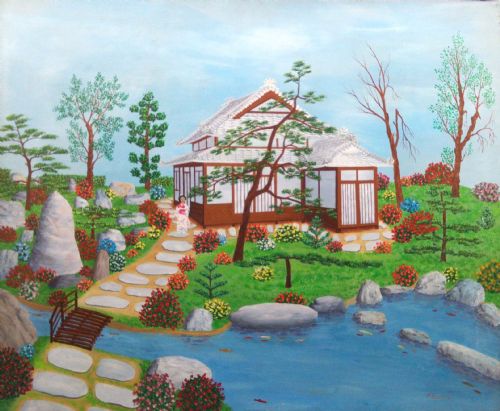
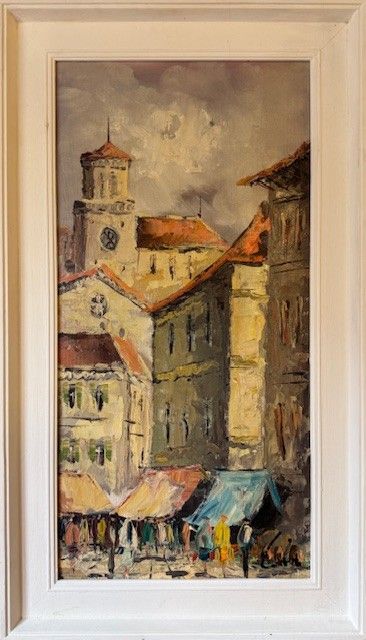
A 1960s landscape oil painting encompasses vibrant interpretations of urban scenes, coastal views, and rural expanses created during the mid-century period. Buyers seeking this aesthetic will encounter works spanning French Impressionism, Modern British painting, and naive outsider art.
The selections on this page highlight both serene countryside settings and dynamic cityscapes, often rendered on canvas or board. These pieces reflect the diverse stylistic movements that defined the decade, from textured impasto techniques to simplified modernist compositions.
What varies in quality
Quality in these works is determined by the strength of the composition and the confidence of the brushwork, distinguishing accomplished mid-century modernist expressions from more routine decorative output. The handling of light and pigment, particularly within impasto applications, reveals the technical capability of the painter.
The distinction between anonymous works and those bearing the signature of established artists such as Donald McIntyre or Gabriel Dauchot also influences the standing of a piece. Provenance and exhibition history further elevate certain paintings above standard examples from the same decade.
Listings feature oil paint applied to canvas, board, and wood frames, encompassing styles from Mid-Century Modern to naive art.
Helen Layfield Bradley·Raymond Picque·Gabriel Dauchot·Ron Folland·William Littlejohn·Donald McIntyre
The 1960s Landscape Oil Painting Glossary
- Impasto
- A technique where oil paint is laid on an area of canvas in very thick layers, usually thick enough that the brush or painting-knife strokes are visible. When dry, impasto provides texture and holds the marks of the creator.
- Mid-Century Modern
- A style of interior design, architecture, and art that generally describes modernist developments in design from roughly the mid-1930s to the mid-1960s. It emphasises clean lines, functional forms, and a departure from traditional ornamentation.
- French Expressionism
- An artistic movement rooted in emotional experience rather than physical reality, characterised by bold colours and energetic brushwork. Artists working in this manner prioritized subjective perspective over strict optical fidelity.
- Naive Art
- Characterised by a childlike simplicity in style and technique, often produced by artists without formal academic training. These works typically feature flat perspectives and unblended pigments.
- Canvas
- A heavy woven fabric used as a surface for oil painting, usually stretched tightly across a wooden frame. It provides a flexible yet durable ground for pigment application.
1960s Landscape Oil Painting: Frequently Asked Questions
What defines a mid-century landscape painting?
These works are defined by their post-war artistic approaches, utilising oil paint on canvas or board to capture urban and rural scenes. They often reflect modernist or impressionistic tendencies popular during the period.
Creators of the era moved away from strict realism, favouring expressive brushwork, textured impasto, and subjective interpretations of light and colour.
How should I hang an oil painting?
Oil paintings on canvas require stable wall fixings suited to the combined weight of the stretcher frame and the outer wood housing. Ensure the hanging wire or brackets securely support the piece.
Position the artwork away from direct sunlight and fluctuating heat sources to protect the oil pigments and wooden substrate over time.
Are these paintings signed by the artists?
Many examples feature artist signatures, while others remain attribution works by unknown creators from the period. Signed pieces often provide a clearer link to established mid-century art movements.
Both signed and unsigned works share the same fundamental materials, including oil paint on canvas or board, dating from the same decade.
How do I care for canvas artwork?
Maintain the surface by gently dusting the canvas and frame with a soft, dry cloth as needed. Avoid using liquid cleaners or moisture on the painted area.
Keep the painting in a room with moderate humidity levels to prevent the canvas and wooden elements from warping or deteriorating.