




French Wall Shelves
French wall shelves bring practical surface display and decorative character to an interior through tiered timbers and gilt ornamentation.
French Wall Shelves
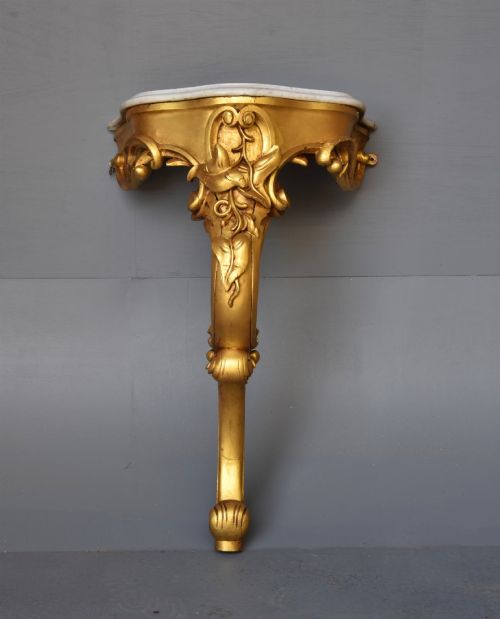
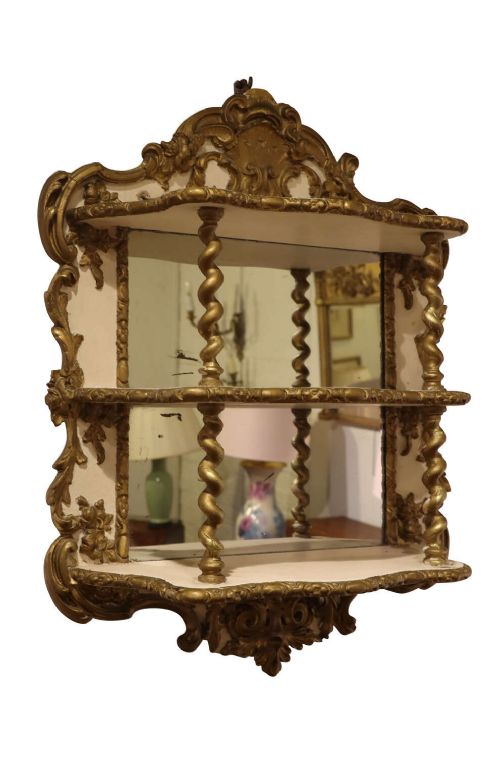
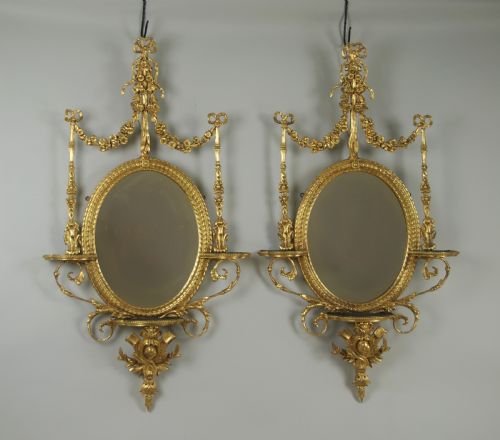
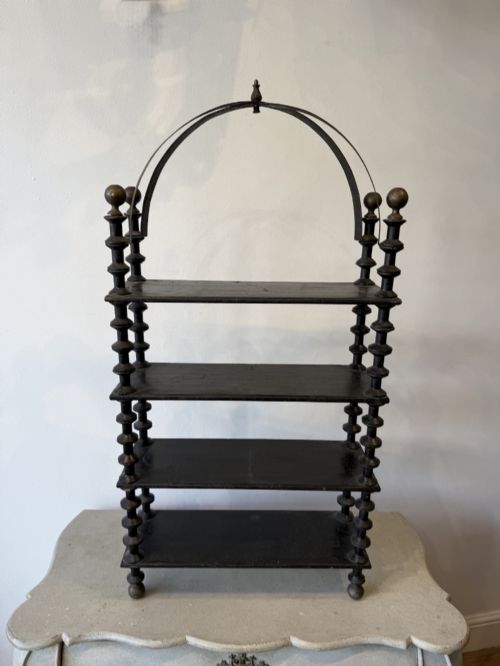
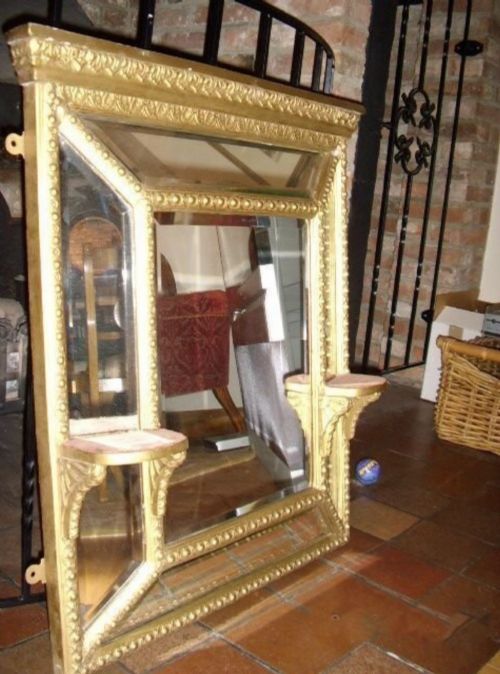
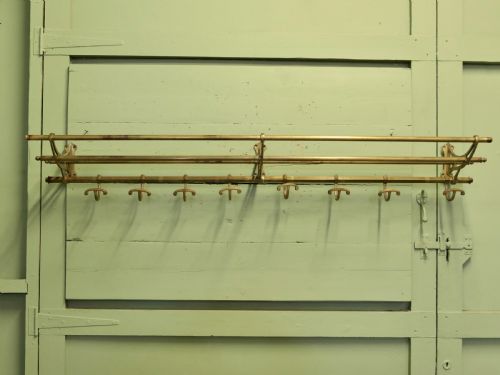
The selection ranges from provincial oak and beech tiers to elaborate giltwood and gesso pieces influenced by Rococo Revival and Art Deco styles. Many examples incorporate functional additions such as mirror glass, drawers, and coat hooks.
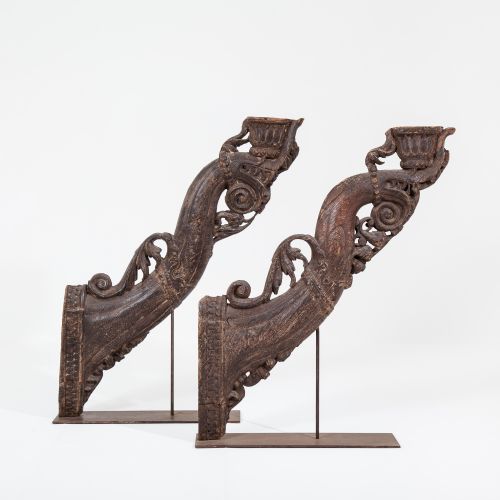
Earlier periods are represented by substantial 18th century carved brackets and architectural forms, while 19th century and early 20th century pieces favour multi-tier hanging shelves and console tables.
Materials and construction methods
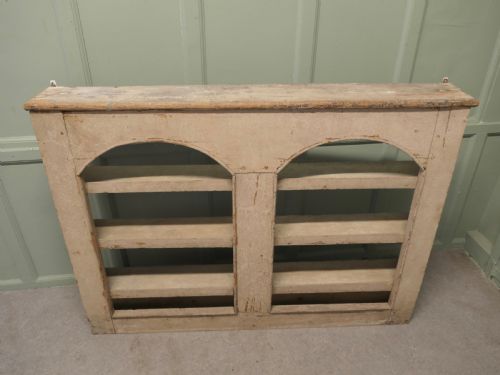
Makers utilised a variety of native and imported timbers, predominantly solid oak, mahogany, cherry wood, walnut, and pitch pine, often paired with painted or scraped finishes. Structural elements rely on traditional joinery to support tiered ledges and weight-bearing brackets.
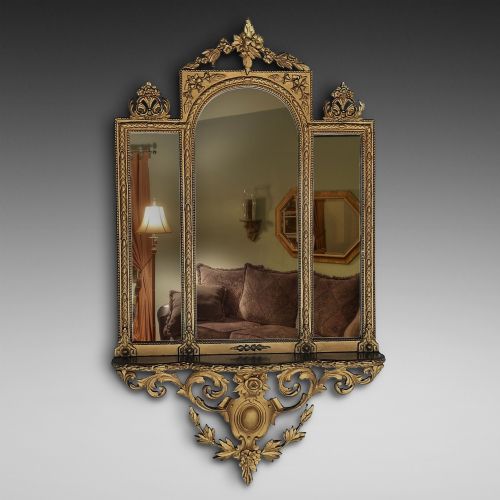
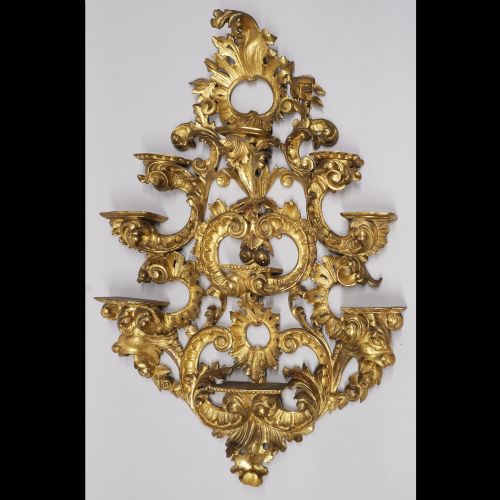
Decorative surfaces frequently feature applied gesso, carved giltwood, or ormolu mounts, combining gilded elements with hand-carved wooden details. Glass components, including bevel-cut mirror glass and glass panels, are integrated into mirrored display shelves and pier glasses.
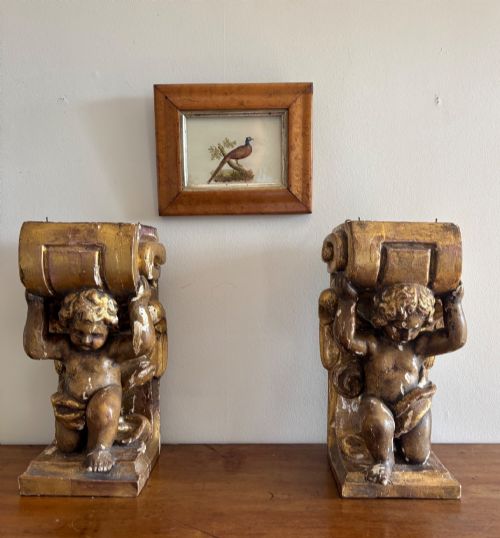
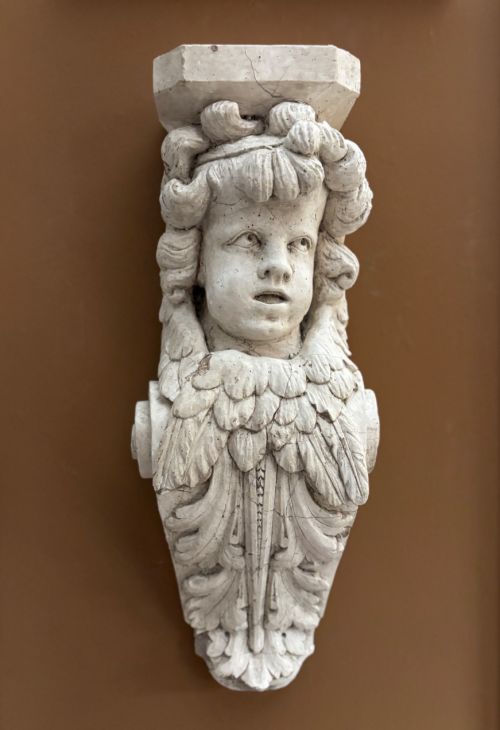
Keep an eye out for cheeky putti figures hiding among the carved acanthus leaves on mid-nineteenth century architectural corbels.
Assessing quality in construction and finish
The distinction between tiers of quality rests on the crispness of the hand-carving in wood and gesso, as well as the depth and warmth of the underlying timber or gilding. Superior examples display refined proportions, tight joinery, and well-executed decorative details rather than purely mechanical production.
Finish preservation also marks the upper range, where original painted surfaces, authentic giltwood, and patinated wood surfaces remain intact without heavy modern intervention. The integration of auxiliary materials like mirror glass, brass fittings, and ceramic elements further elevates the sophistication of a piece.
The French Wall Shelves Glossary
- Étagère
- A set of open tiered shelves used for small ornaments and display purposes. These pieces are typically designed to hang on a wall or stand independently.
- Giltwood
- Timber that has been coated with a thin layer of gold leaf or gilt. This finish is frequently found on ornate 19th century decorative brackets and mirrors.
- Corbel
- A structural or decorative bracket projecting from a wall to support a weight above it. In decorative pieces, they often take carved figural or architectural forms.
- Gesso
- A plaster-like mixture applied to wood as a base for painting or gilding. It allows craftsmen to model intricate low-relief ornamentation before applying gold leaf.
- Pier glass
- A tall mirror designed to fit the wall space between windows. These frequently incorporate integrated display shelves or console ledges beneath the glass.
- Ormolu
- Gilded bronze used for decorative mounts and furniture embellishments. It adds metallic contrast to wood and ceramic wall fittings.
French Wall Shelves: Frequently Asked Questions
How were French wall shelves used historically?
These shelves and brackets provided functional storage and display space in domestic rooms without occupying valuable floor area. They held ceramics, books, clocks, and small ornamental objects.
In hallways and boot rooms, similar wall-mounted units featuring integrated coat hooks and mirrors served daily organizational needs for hats and outerwear.
What woods are most common?
Oak and mahogany appear frequently across both provincial and formal examples, offering structural durability and deep natural grain. Beech, cherry wood, and walnut are also well represented in regional pieces.
Pine appears regularly in rustic or provincial painted configurations, often finished with scraped paint or antique white treatments.
How do I hang antique wall shelves securely?
Antique wall units require fixings matched to the weight of the timber and the specific construction of your walls. Multi-tiered wooden shelves and marble-topped consoles demand robust wall anchors.
Consulting a professional installer ensures the piece is safely secured, particularly when dealing with heavy hardwood frames, mirror glass, or items designed to hold weighted displays.
How can I tell the period of a piece?
Dating relies on observing stylistic markers, construction techniques, and material choices. 18th century examples often feature heavier architectural carving and solid provincial oak construction.
Victorian and later 19th century pieces frequently lean into Rococo Revival giltwood or multi-tier mahogany designs, while 1920s examples introduce Art Deco brass work and industrial iron framing.