


French Wall Coat Rack
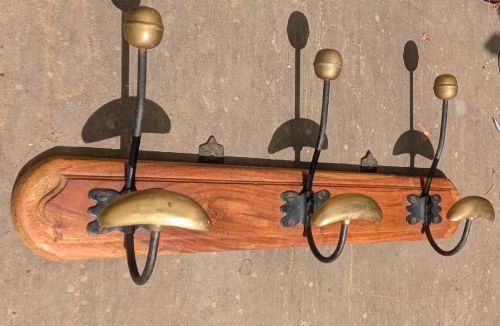
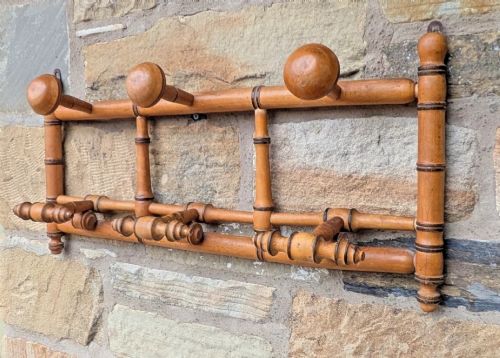
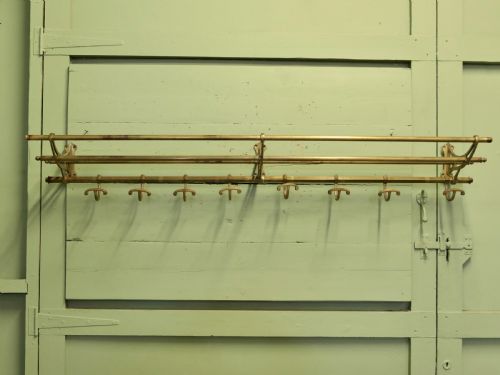
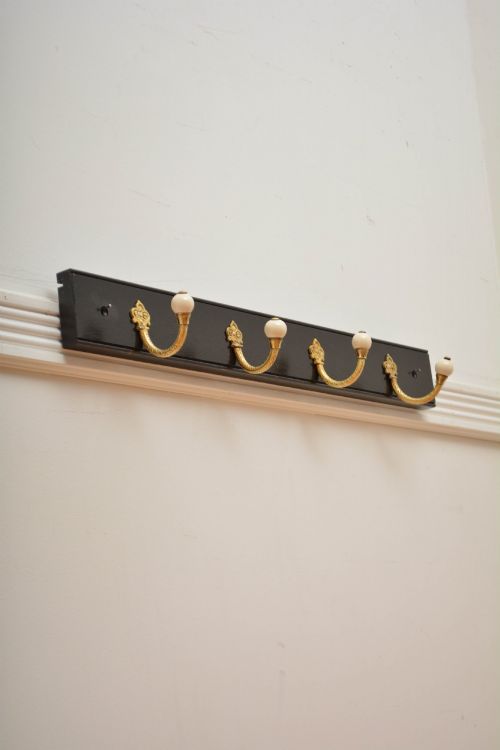
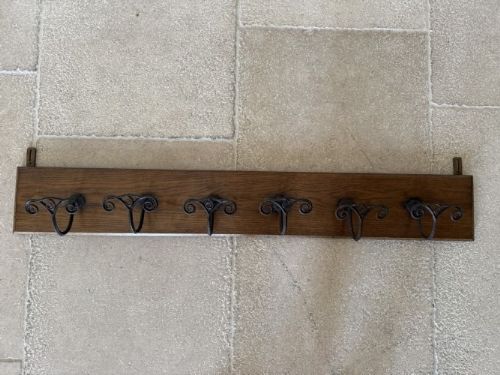
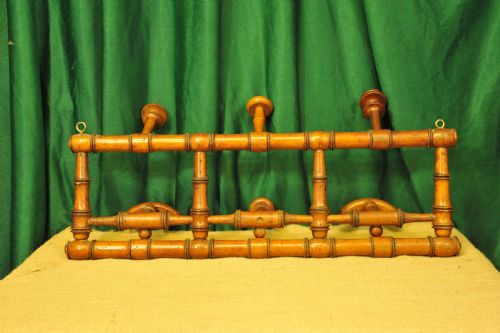
These french wall coat rack pieces combine utility and continental charm, offering brass, wrought iron and simulated bamboo forms to organise your hallway.
French Wall Coat Rack
When you search for a french wall coat rack, you encounter wall-mounted hardware designed to hold hats, coats and garments in hallways and entrance spaces. The selections span simple hook arrays and brass hangers to substantial portmanteaus incorporating shelves and mirrors.
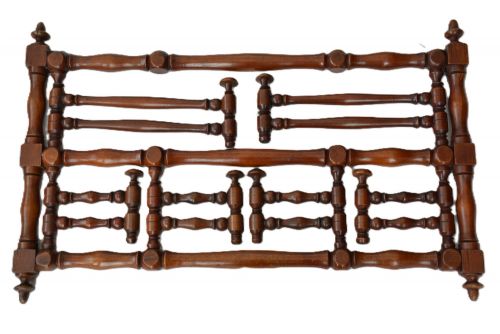
The versions most commonly met on this page date from the nineteenth and early twentieth centuries, drawing on styles such as Art Deco, French Country, Victorian and French Provincial. They originate in oak, mahogany, turned wood and metal, frequently featuring functional details like porcelain knobs and mounted horn elements.
What varies in quality
The distinction between standard examples and superior pieces rests on the weight of the materials and the intricacy of the metal casting. Heavy brass, finely chased bronze and solid hardwood structures demonstrate a higher grade of manufacture than lighter, simpler assemblies.
Listings feature items spanning the 1880s through the 1930s, constructed from brass, wrought iron, mahogany, oak and turned wood.
The French Wall Coat Rack Glossary
- Portmanteau
- A combined wall fixture featuring a hat shelf, coat hooks and frequently an integrated mirror. This multi-functional hall furniture item maximises utility in entrance spaces.
- Faux bamboo
- Wood turned and painted or carved to imitate the segmented stalks of natural bamboo. This decorative technique became popular in nineteenth-century furniture design.
- Chased brass
- Metal ornamented by hammering or indenting the front surface with hand tools to create raised patterns. This detailed work adds texture and relief to the hook plates.
- Ebonised
- Wood finished with a dark stain or black lacquer to simulate ebony. This treatment provides a formal contrast against bright brass or ceramic elements.
- Taxidermy hall rack
- An entrance wall fixture incorporating preserved animal horns or other biological specimens as coat hooks. These pieces reflect nineteenth-century sporting aesthetics.
French Wall Coat Rack: Frequently Asked Questions
How do I mount a heavy french wall coat rack?
Secure the piece directly into structural wall studs using appropriate fixings matched to the weight of the metal and wood frame. Many examples feature robust cast mounting plates designed to distribute the load evenly.
Ensure the wall type can support the combined weight of the rack and heavy winter coats. Professional installation is recommended for larger portmanteaus incorporating glass mirrors and shelves.
What periods do these wall racks come from?
The available pieces originate primarily from the late nineteenth century through the early twentieth century. Common eras represented include the Victorian period, the Art Deco decade of the nineteen-twenties and nineteen-thirties, and broader French provincial traditions.
Stylistic markers such as wrought iron geometry or simulated bamboo turning help indicate the specific decade of manufacture. Earlier nineteenth-century items often employ cast brass and turned wood construction.
Are the mirror plates original?
Many portmanteaus and mirrored racks retain their original glass plates, which often display subtle foxing or age spots. These natural imperfections confirm the antique status of the glass.
When a listing specifies an original plate, it refers to period glass that has not been replaced with modern alternatives. Inspect the surface for authentic signs of gentle oxidation.
How do I clean brass and bronze hooks?
Maintain the metalwork by dusting regularly with a soft, dry cloth to prevent the accumulation of grime. Avoid harsh chemical polishes that strip away the aged patina accumulated over decades.
Preserving the natural surface coloration is generally preferred by collectors over achieving a bright, modern shine. Gentle cleaning protects any delicate chasing or applied gilt details.