

Mirrored Coat Rack
A mirrored coat rack combines an entrance glass with practical hanging space, offering a functional piece that pulls an entrance hall together.
Mirrored Coat Rack
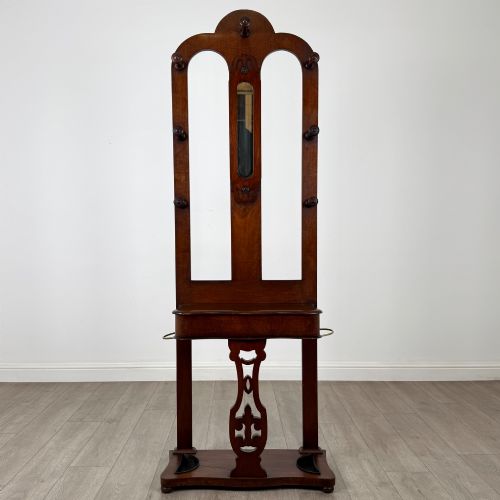
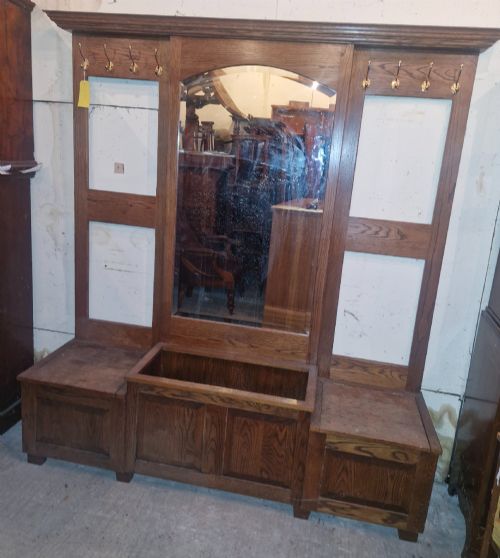
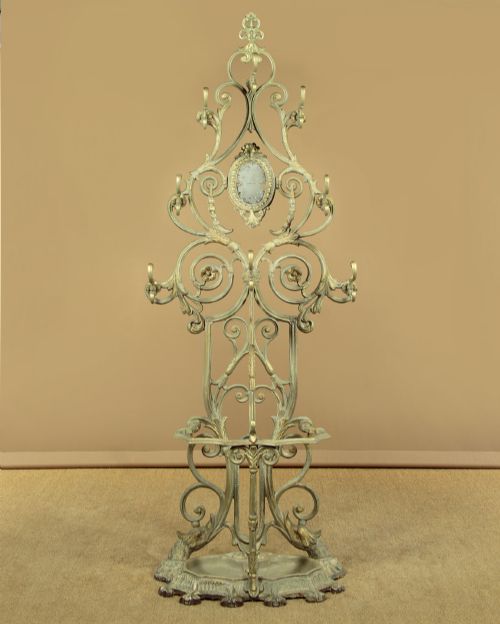
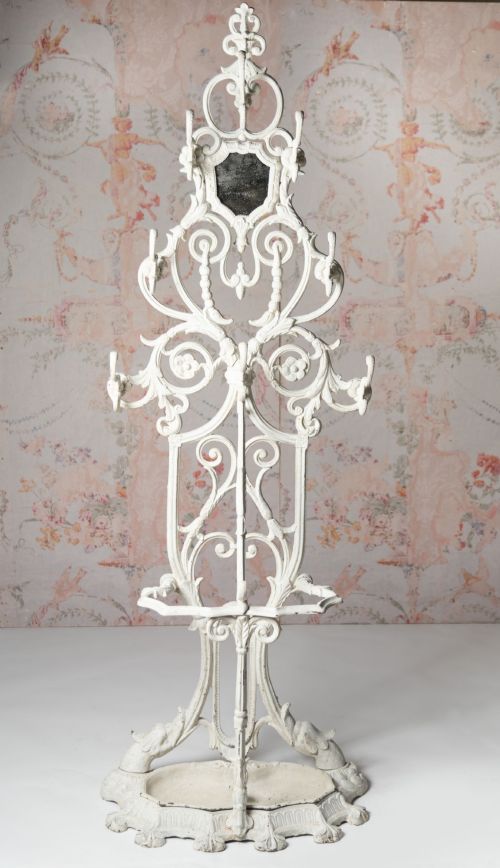
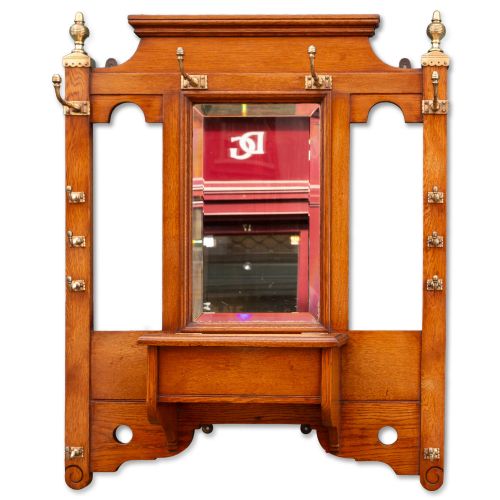
When you search for a mirrored coat rack, you encounter a variety of forms ranging from compact wall-mounted pieces to substantial freestanding hall stands. These functional entrance pieces combine a looking glass with brass or metal hooks for hats, coats, and umbrellas.
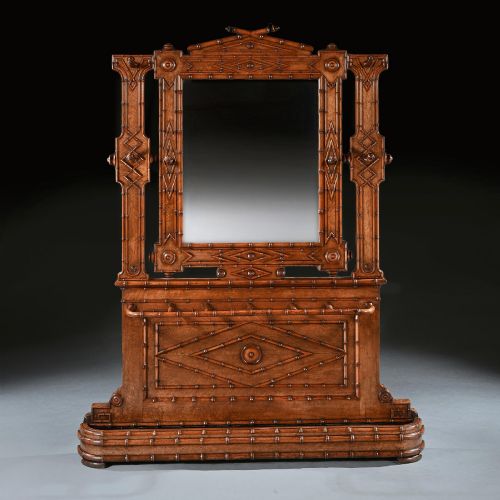
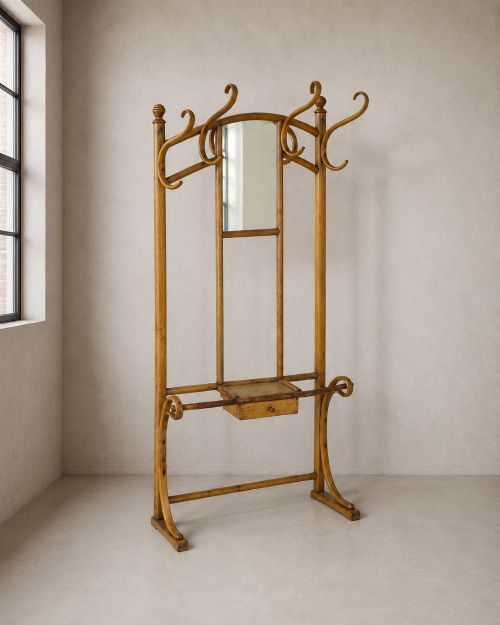
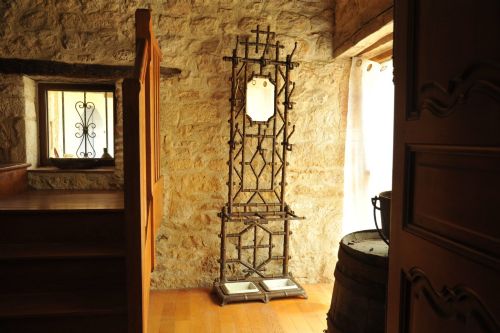
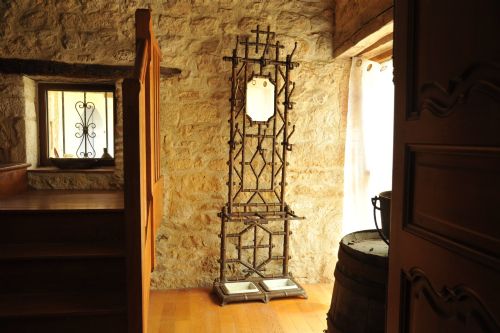
The versions most commonly met span the Victorian, Edwardian, and early twentieth-century periods. They appear in materials like oak, mahogany, bamboo, and cast iron, often reflecting styles such as Aesthetic Movement, Arts and Crafts, and Art Nouveau.
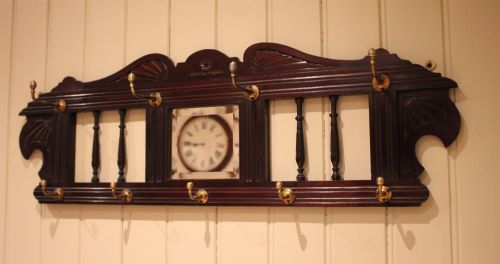
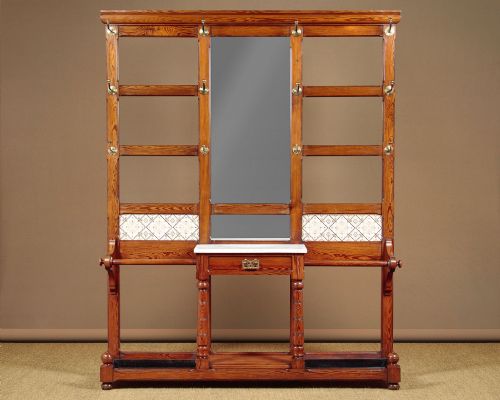
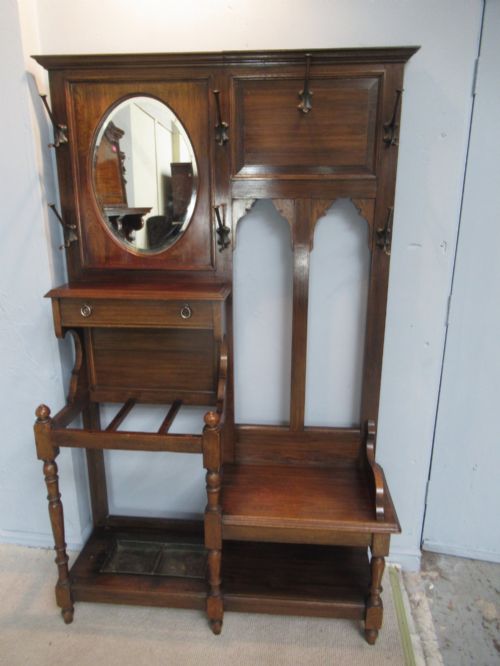
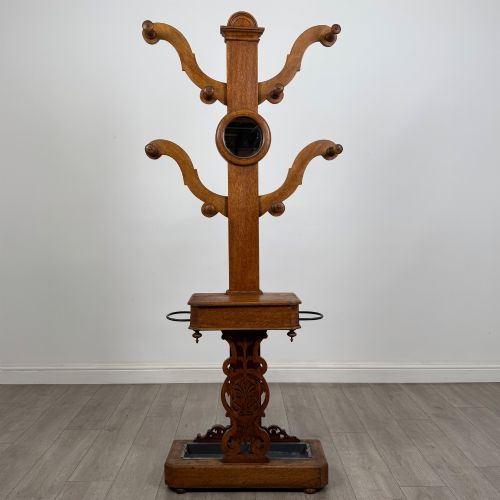
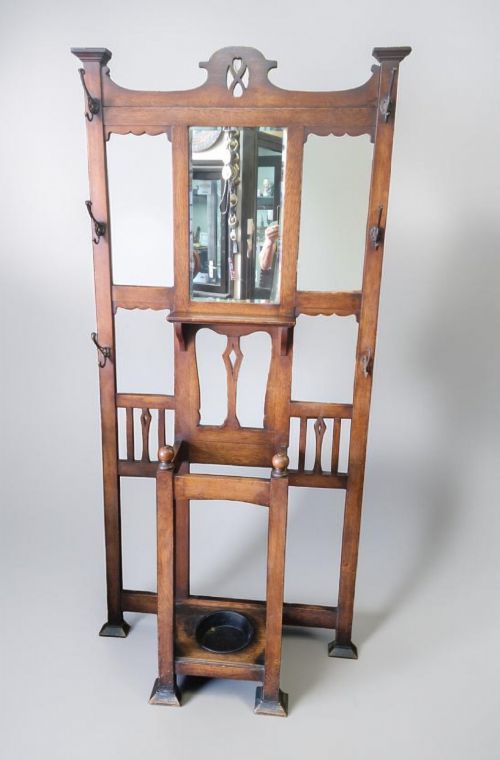
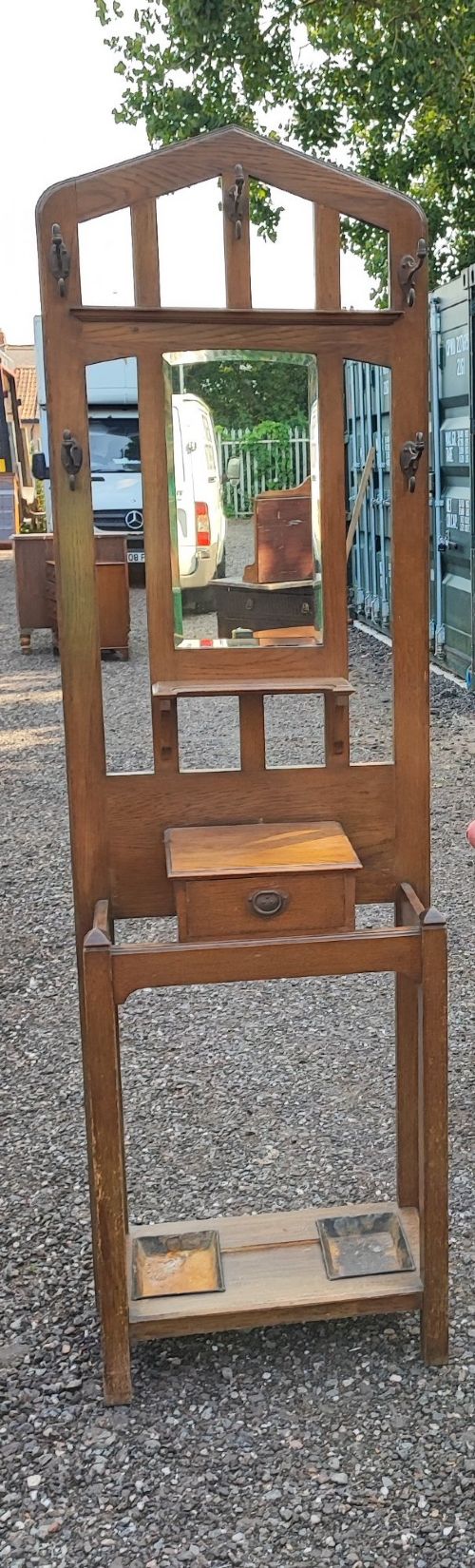
Stand-alone hall stands frequently integrate umbrella wells and marble shelves into their wooden frames. Wall-mounted variations focus more narrowly on timber panels set with brass hooks and a central mirror.
Materials and construction
Makers utilised solid timbers like oak, mahogany, and walnut alongside bentwood and faux bamboo to build the structural frames. Carving, inlay work, and shaped wooden panels frequently define the aesthetic of the period.
Metal components play a structural and decorative role, featuring cast iron frames, brass hooks, and copper elements. Bevelled glass mirrors are secured into wooden backplates, often accompanied by marble shelves or metal drip trays for umbrellas.
Certain horseshoe-shaped pieces incorporate actual iron horse tack into the rack.
Assessing quality
The standard of carving and the selection of timber dictate the distinction between ordinary pieces and finer examples. Dense, well-figured oak, mahogany, or walnut with crisp, deep relief carving separates better workshops from standard production.
Hardware integrity and original fittings matter significantly. Cast brass hooks, well-preserved mercury or bevelled mirror plates, and intact marble inserts or drip trays indicate a higher grade of manufacture.
Thonet
The Mirrored Coat Rack Glossary
- Hall stand
- A large freestanding entrance piece incorporating a mirror, coat hooks, a shelf, and umbrella stands. These multifunctional pieces dominated hallway furniture in the nineteenth and early twentieth centuries.
- Faux bamboo
- Turned and painted wood designed to imitate natural bamboo stalks. This technique was particularly popular during the Aesthetic Movement and late Victorian periods.
- Aesthetic Movement
- A late nineteenth-century design style emphasising visual beauty over narrative content. Pieces from this movement often feature Japanese-inspired motifs and bamboo or ebonised wood.
- Arts and Crafts
- A design movement valuing traditional craftsmanship and simple forms. Furniture in this style highlights honest construction and natural materials.
- Bevelled mirror
- A looking glass with an edge cut at an angle to create a framed appearance. This traditional detail adds depth and catches light in small entrance spaces.
Mirrored Coat Rack: Frequently Asked Questions
How do I hang a wall-mounted mirrored coat rack?
Wall-mounted versions require secure fixing into wall studs or proper masonry anchors due to the combined weight of the timber backboard, mirror, and hanging coats. Heavy pieces need multiple fixing points to bear the load safely.
Ensure the mounting brackets or screw holes on the back are sound before installation. Positioning the rack at a comfortable height allows family and guests to use the hooks and mirror with ease.
Where should I place a hall stand?
Entrance hallways and vestibules provide the natural home for these pieces, offering an immediate spot for coats and hats as people enter the house. They fit well against blank walls in reception spaces.
Keep them away from direct heat sources and damp external corners to protect the timber and mirror silvering. Adequate clearance allows umbrella wells and doors to function properly.
How do I care for the wood and mirror?
Dust timber frames regularly with a dry cloth and apply a quality beeswax periodically to nourish the wood surface. Avoid silicone-based polishes that can build up a cloudy residue over time.
Clean the mirror glass with a mild glass cleaner applied to a cloth rather than sprayed directly, preventing moisture from seeping behind the glass edge and damaging the silver backing.
How can I tell Victorian from Edwardian pieces?
Victorian examples tend to feature heavier carvings, darker woods like mahogany, and more ornate ornamentation such as Green Man motifs or deep mouldings. They project a sense of Victorian solidity and presence.
Edwardian pieces often appear lighter in feel, favouring golden oak, simpler lines, and influences from the Arts and Crafts movement. The construction reflects a shift towards brighter, less cluttered hallway interiors.