


French Coat Rack Mirror
These french coat rack mirror examples combine practical hanging space with reflecting glass, bringing continental style straight to the hallway.
French Coat Rack Mirror
A french coat rack mirror combines a functional hanging rail with an integrated looking glass, frequently appearing as wall-mounted portmanteaus or substantial freestanding hall stands. These pieces serve entranceways by offering a spot to check attire while managing outerwear and umbrellas.
The selections available span multiple decades, from late nineteenth-century iterations through to interwar modernist designs. Buyers encounter everything from narrow hall stands to robust cast iron frames fitted with original glass plates.
Materials and construction methods
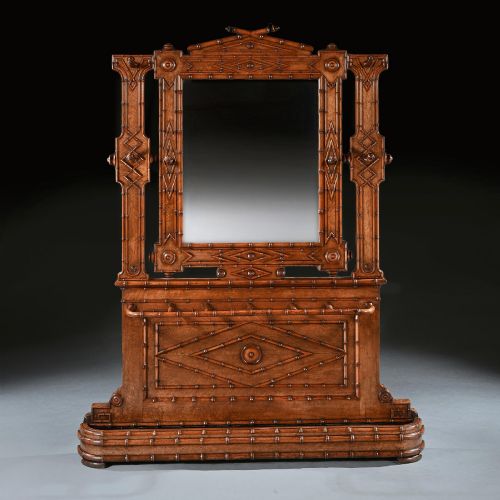
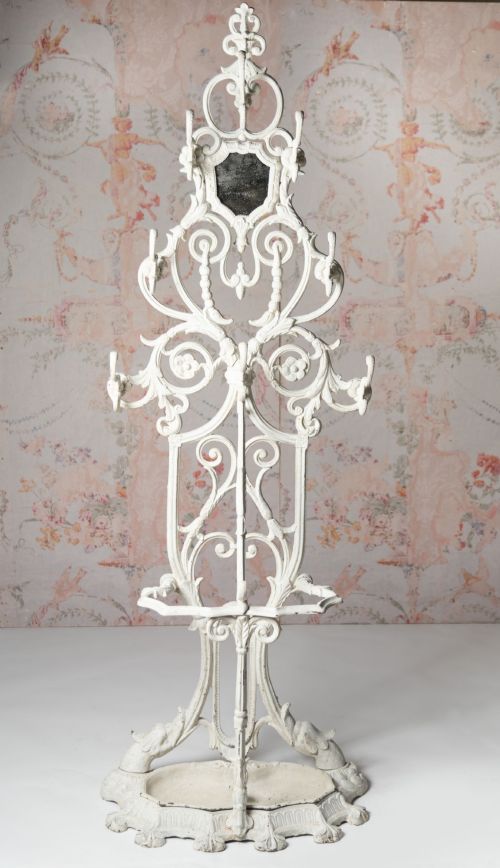
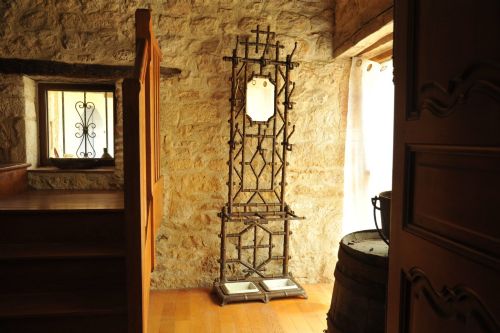
Constructors utilised a mix of metals and timber, pairing cast iron, brass, wrought iron, and chrome with birdseye maple and oak. Faux bamboo finishing appears frequently across nineteenth-century metallic and wooden structures, mimicking natural cane through careful moulding and painting.
Mirrored glass plates form the central visual anchor, secured within wooden surrounds or metal frameworks alongside hooks for hats and coats. Industrial and art deco iterations incorporate storage shelves above the glass, welded or riveted for structural rigidity.
Listings feature periods spanning from the nineteenth century through the 1930s, incorporating glass, cast iron, brass, and birdseye maple.
Assessing quality and craftsmanship
Superior examples distinguish themselves through the preservation of original mirror plates and the integrity of the structural metalwork or timber. Heavy cast iron frames with crisp faux bamboo detailing display a higher grade of manufacture than simplified later counterparts.
The nuance of the decorative style dictates the tier of the piece, with refined Aesthetic Movement Japonisme details or sophisticated French Art Deco lines commanding attention. Original hooks, sturdy shelving attachments, and unblemished glass elevate an item above standard utility.
The French Coat Rack Mirror Glossary
- Portmanteau
- A combined piece of furniture incorporating coat hooks, a hat rack, and a mirror, often designed for hallway placement. These units function as compact storage systems for entranceways.
- Faux bamboo
- A decorative finish where metal or alternative woods are carved, moulded, or painted to imitate natural bamboo stalks. This technique gained significant popularity during the nineteenth century.
- Aesthetic Movement
- A late nineteenth-century design style that emphasised visual beauty over narrative subject matter, drawing heavily on Japanese art and natural forms. Pieces from this period often feature stylized organic motifs.
- Art Deco
- A design style spanning the 1920s and 1930s characterised by sleek geometric shapes, streamlined forms, and industrial materials. It represents a sharp departure from ornate nineteenth-century revivals.
French Coat Rack Mirror: Frequently Asked Questions
Where should a french coat rack mirror be hung?
These pieces suit entrance halls and narrow corridors where floor space remains limited yet practical storage is required. Positioning them near the main entrance allows for a final check of appearance before departure.
Secure mounting to structural wall studs is essential, particularly for heavier cast iron or mirrored portmanteau designs that bear the weight of winter coats and umbrellas.
How do I clean an antique mirror plate?
Maintenance requires gentle dusting with a soft, dry cloth to prevent scratching the aged glass surface. Avoid harsh chemical ammonia sprays that can damage the surrounding wooden or metallic frame.
If moisture is necessary, apply a mild soap solution sparingly to the cloth rather than spraying directly onto the glass, taking care around the edges where the silvering meets the backing.
What is a pullman style rack?
Pullman style luggage and coat racks draw inspiration from the overhead storage compartments found in vintage railway carriages. They typically feature a slatted top shelf for bags paired with hanging hooks underneath.
Incorporating a mirror into this configuration creates a compact hybrid unit suited for smaller vestibules or bathrooms requiring integrated storage.
How do I distinguish art deco from 19th-century pieces?
Nineteenth-century items often display organic motifs, faux bamboo detailing, and ornate revival styles such as Rococo or Aesthetic Movement influences. Materials tend towards cast iron, brass, and figured woods like birdseye maple.
Art Deco designs from the 1920s and 1930s favour clean geometric lines, chromed finishes, and streamlined wrought iron structures, reflecting a shift towards industrial simplicity.