

French Upholstered Tub Chairs
French upholstered tub chairs bring curved comfort and period elegance to a room, offering deep seats and enveloping backs.
French Upholstered Tub Chairs
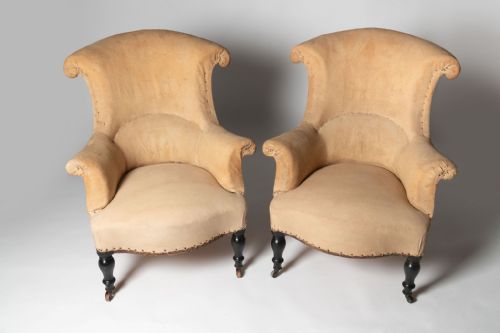
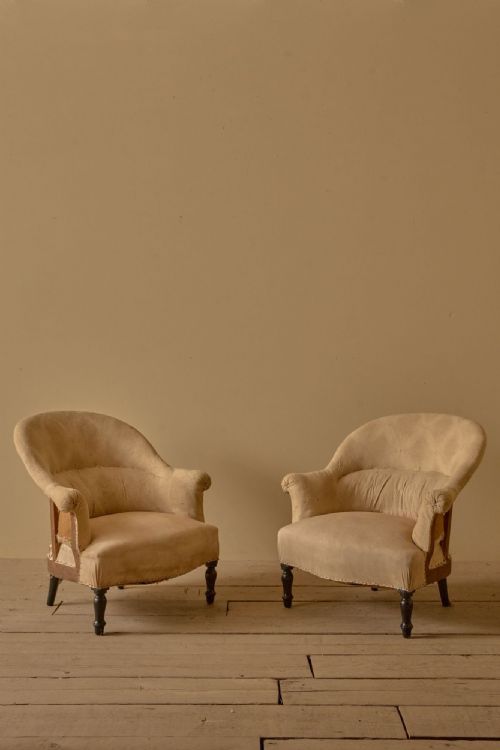
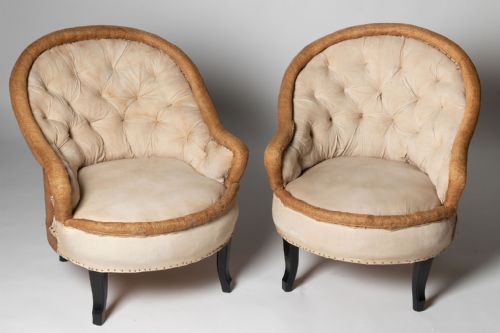
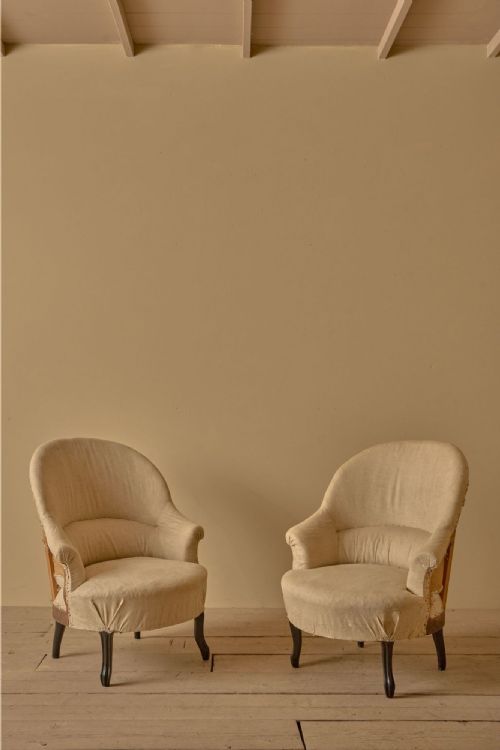
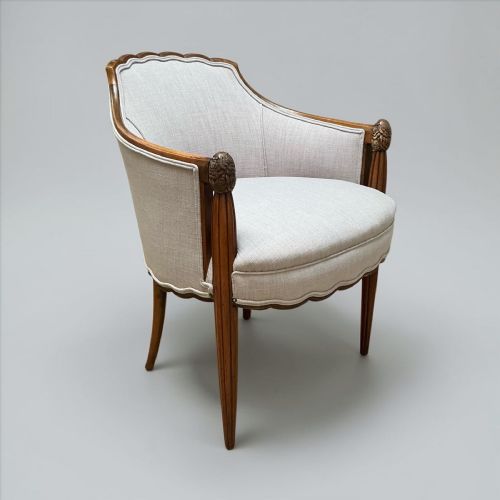
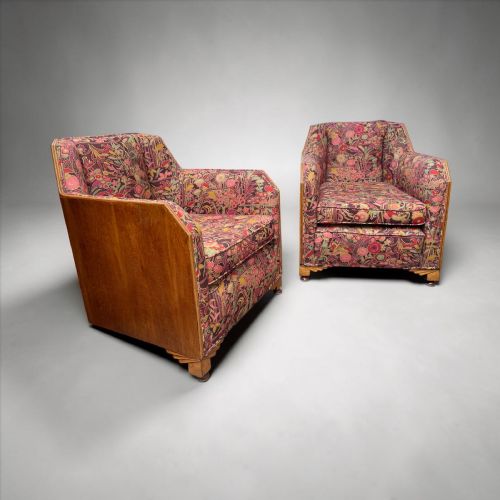
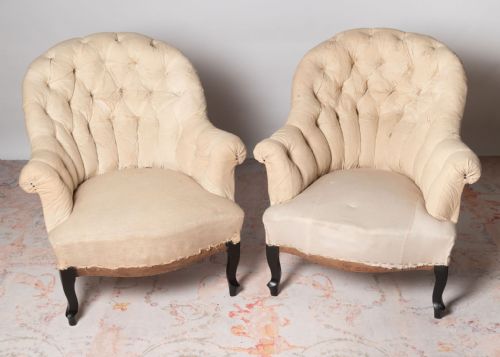
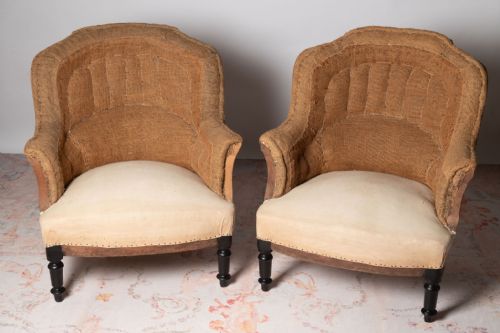
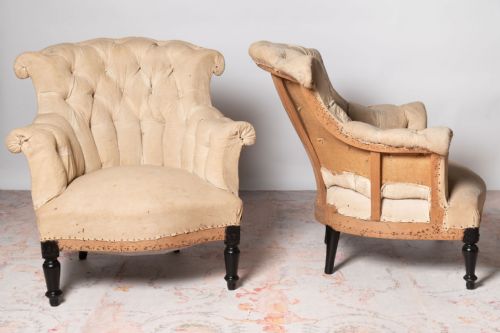
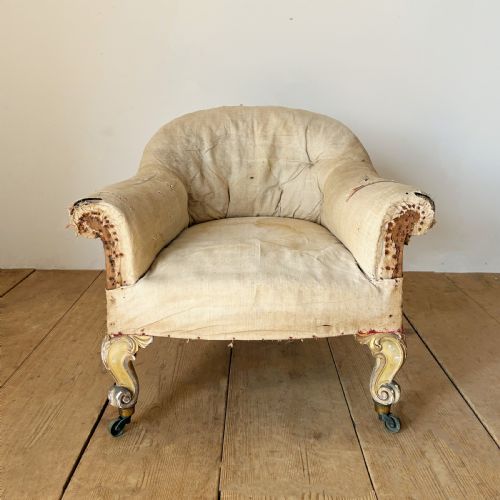
French upholstered tub chairs encompass nineteenth century forms, Art Deco pieces, and Empire or Louis XVI styles. Buyers will frequently encounter nineteenth century examples, including Napoleon III tub chairs and buttoned back designs.
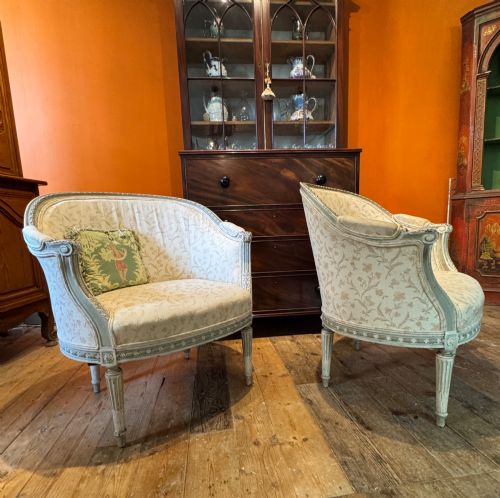
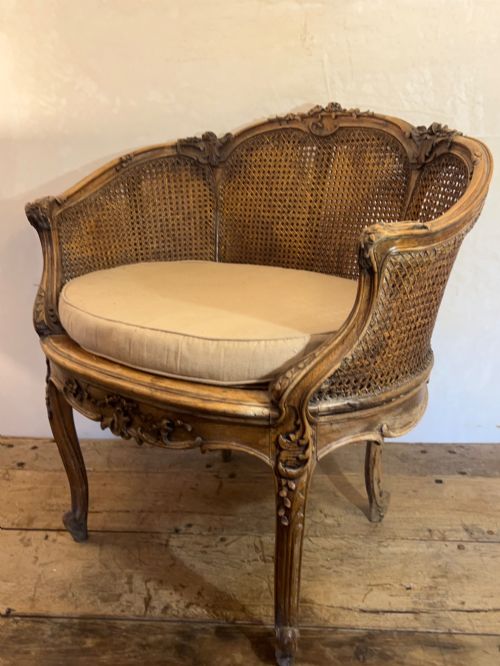
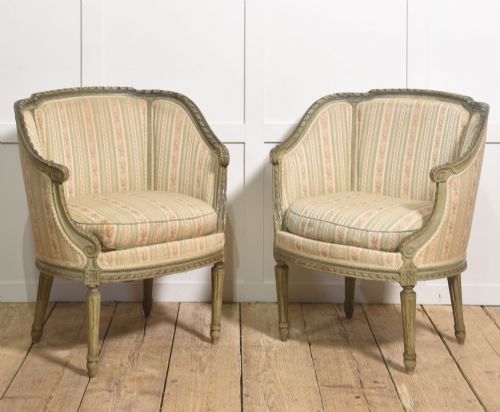
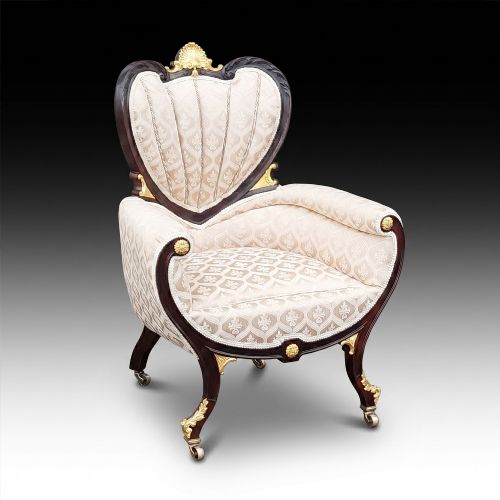
The selection ranges from pairs of armchairs in original paint to walnut and giltwood salon seats. These low profile chairs often feature enclosed curved backs that frame the sitter.
Origins stretch across the nineteenth century into the early twentieth century, taking the shape of salon suites, library chairs, and occasional seating. Each piece reflects distinct continental proportions and decorative carving.
Materials and construction
Frames rely on solid woods such as walnut, beech, and mahogany, frequently shaped with giltwood or brass mounts. Artisans carved the timber skeletons to support rounded backs and scrolling arms.
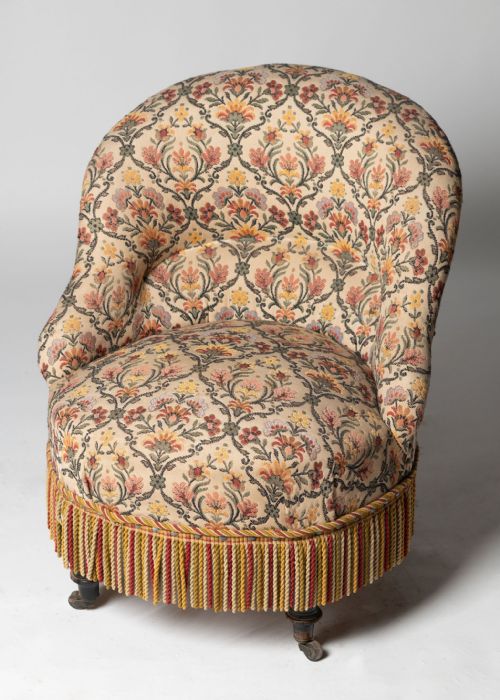
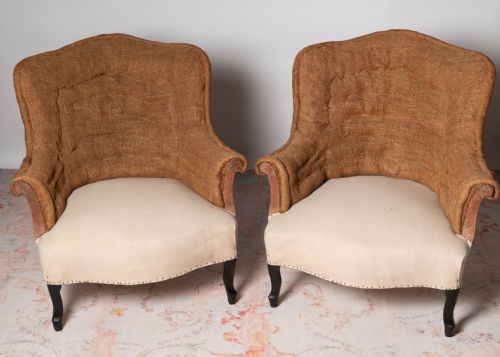
Traditional upholstery techniques utilise calico, hessian, linen, and vintage cotton to build the curved seats and buttoned backs. Interior padding provides the signature soft enclosure of the tub shape.
French Upholstered Tub Chairs Retail Price Guide 2026
Typical asking prices for french upholstered tub chairs among the pieces listed under this phrase on Sellingantiques today, from the lower quarter to the upper quarter. They describe what is for sale here now, not the wider market.
Buttoned cotton backs wrapped around deep wooden curves ensure that nineteenth century sitters remained firmly embraced against the chill.
Assessing quality and craftsmanship
Quality rests in the precision of the timber carving and the integrity of the curved wooden frame. Finer examples display crisp gilt bronze mounts, detailed marquetry inlay, or preserved original paint.
The fluidity of the scroll arms and the balance of the proportions distinguish superior seating. Upholstery finish and the execution of buttoning further separate standard workshop production from high salon pieces.
The French Upholstered Tub Chairs Glossary
- Tub chair
- An armchair with a continuous curved back and arms forming a single rounded enclosure. This shape provides deep, supportive seating.
- Napoleon III
- A nineteenth century French style known for eclectic revivalism, comfort, and rich upholstery. It often incorporates buttoned backs and turned wooden supports.
- Bergere
- An enclosed upholstered armchair with wooden frames and exposed woodwork. The sides are typically solid or cane panelled beneath the armrests.
- Giltwood
- Wood that has been coated with a thin layer of gold leaf or gilt powder. This finish accentuates carved details on formal seating.
- Fauteuil
- An open-armed French armchair with upholstered back and seat. The wooden framework is fully exposed and shaped according to period style.
French Upholstered Tub Chairs: Frequently Asked Questions
How do I style a tub chair?
These chairs fit well in sitting rooms, bedrooms, or reading corners where their curved profile softens straight architectural lines. Pair a single antique piece with modern furnishings to create a focal point.
Matching pairs work effectively placed opposite a fireplace or flanking a sofa. Their compact footprint allows them to provide comfortable seating without dominating the floor space.
What is a Napoleon III chair?
Napoleon III chairs date from the mid to late nineteenth century during the Second French Empire. They emphasise comfort through generous padding and buttoned upholstery.
These pieces often combine traditional craftsmanship with playful revival styles. They suit interiors that embrace textured fabrics and ornate woodwork.
Are these chairs comfortable for daily use?
The enclosed tub shape and deep cushioning make these seats naturally suited for relaxing. Their curved backs offer continuous support around the sides.
Comfort levels depend on the firmness of the internal padding and webbing. Many period examples provide supportive lounging when paired with a matching footstool.
How do I identify the period?
Dating relies on stylistic markers such as Empire mahogany frames, Louis XVI tapering legs, or Art Deco geometric lines. Wood types like walnut and beech also offer clues to the era of production.
Examining the construction methods beneath the upholstery reveals period joinery techniques. Secondary woods and hand tool marks help confirm nineteenth or early twentieth century origins.