
French Upholstered Sofa
When you search for a french upholstered sofa, you are looking at centuries of carving and textile traditions built for formal reception rooms.
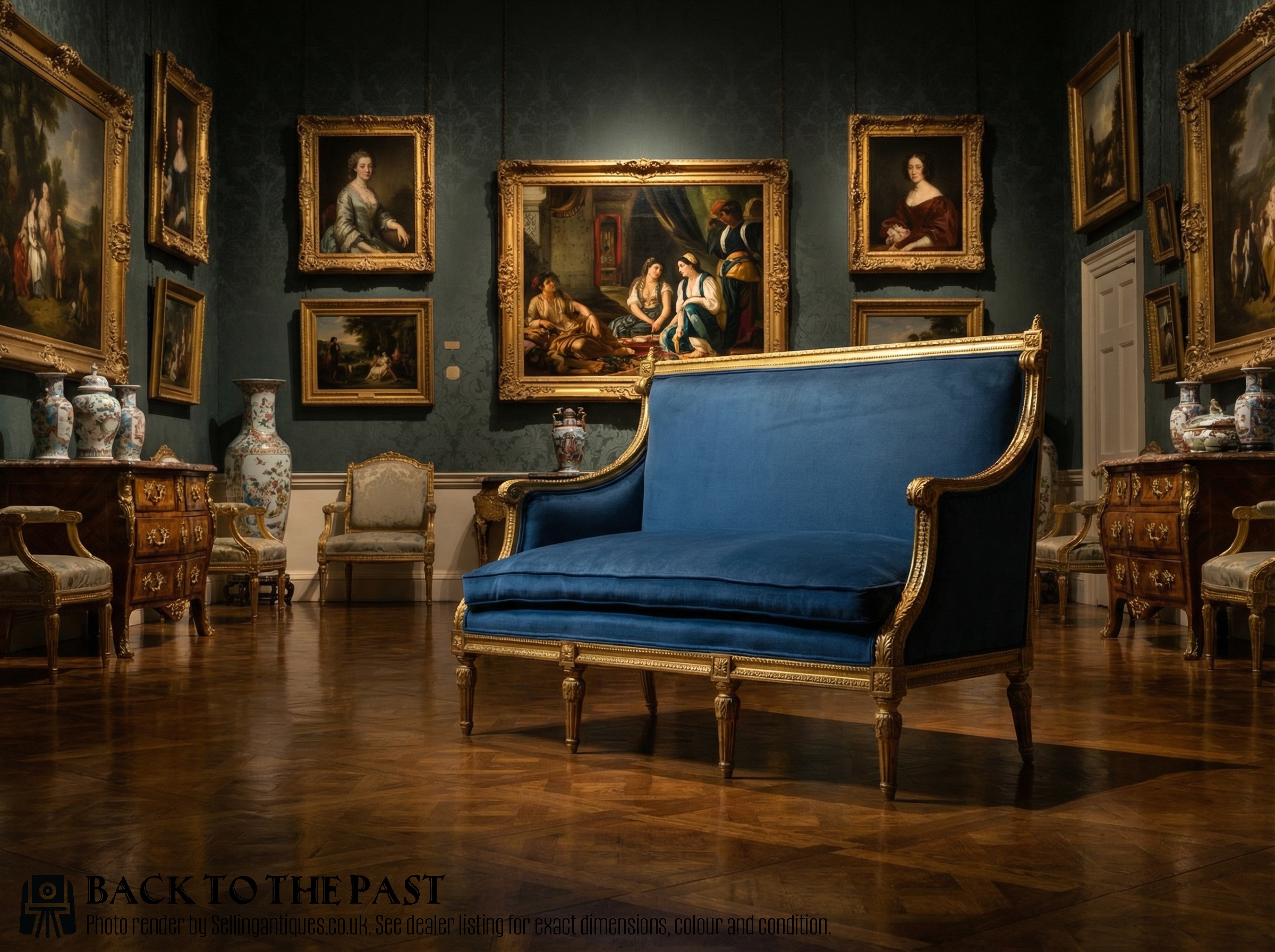
French Upholstered Sofa
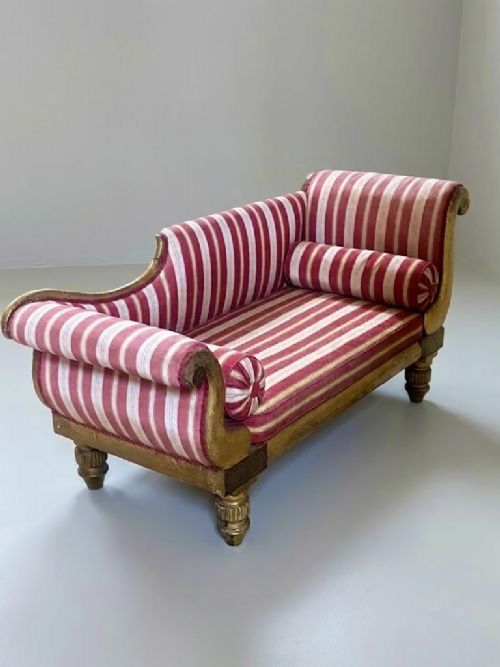
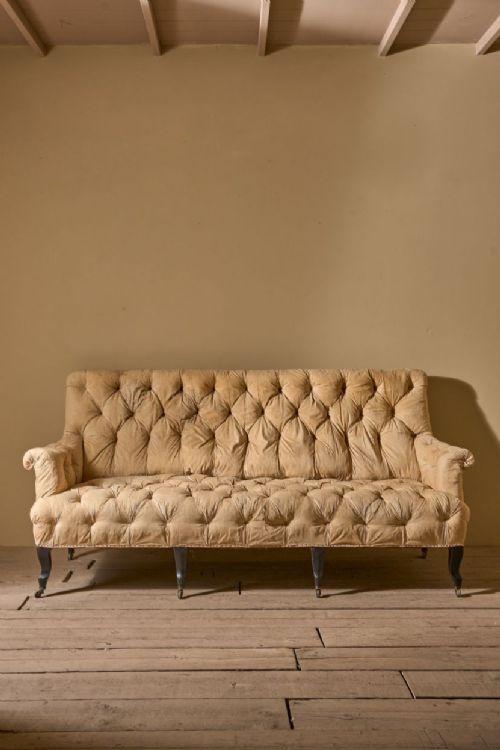
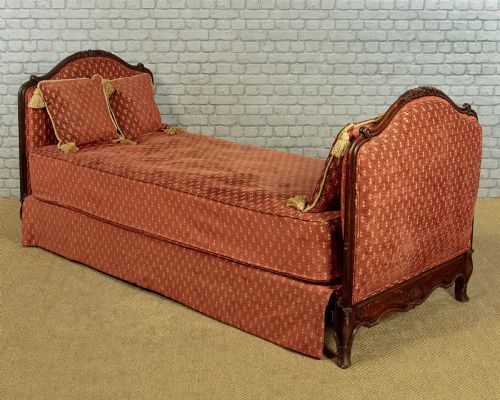
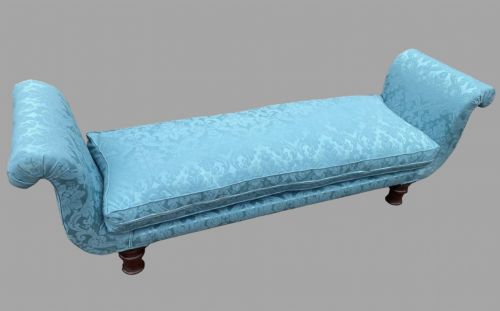
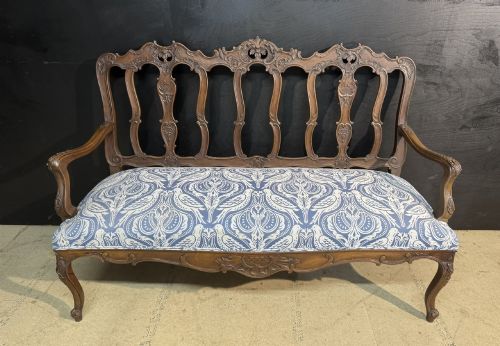
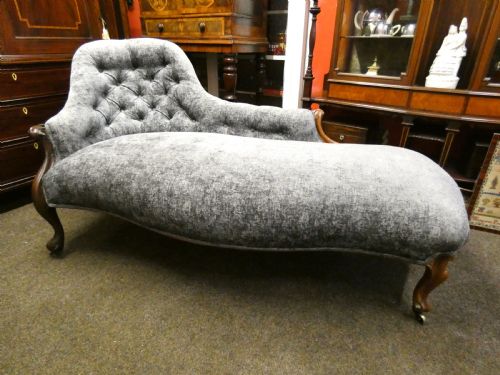
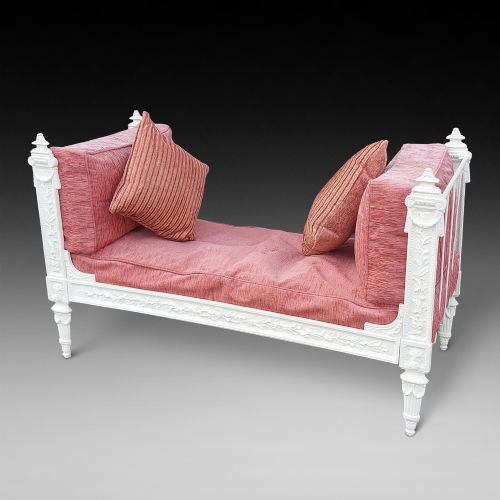
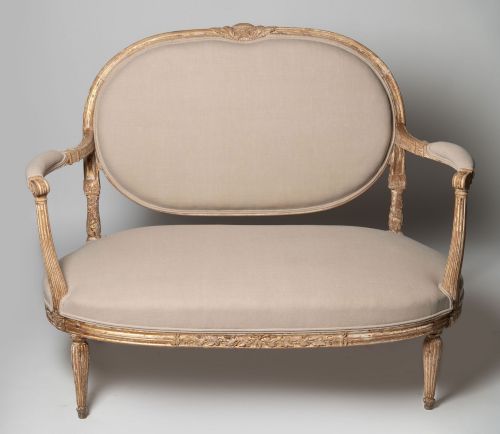
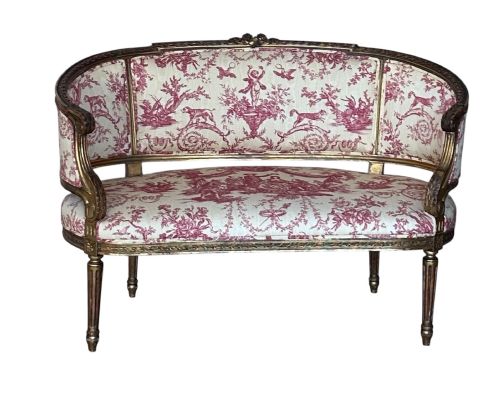
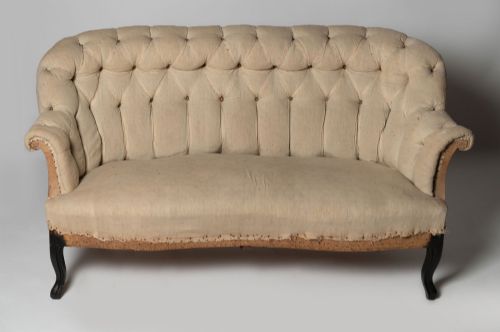
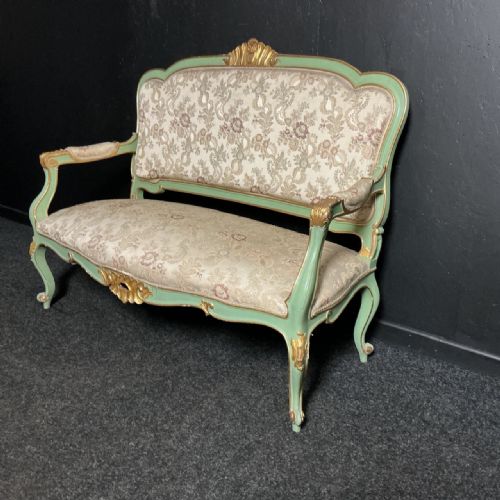
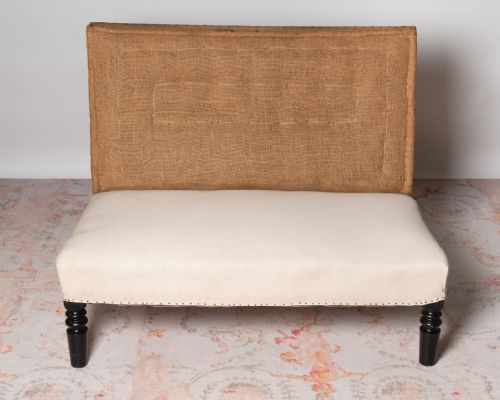
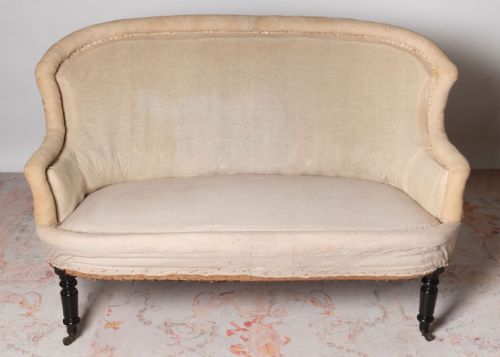
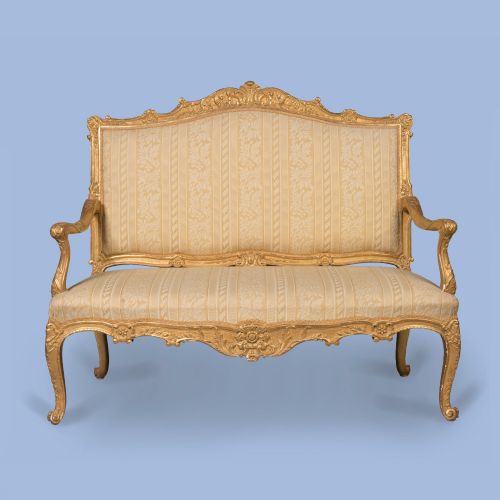
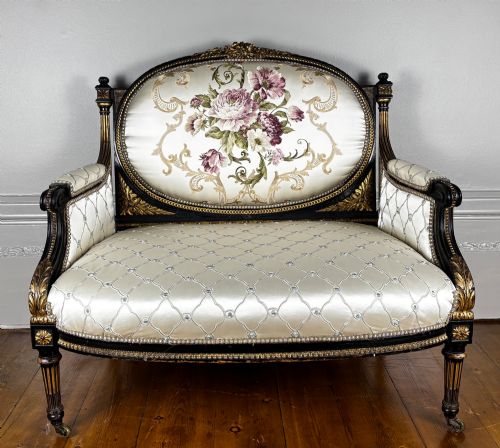
A french upholstered sofa encompasses a range of seating from nineteenth century canapés to salon suites and daybeds shaped by historical revival periods. Buyers searching this phrase most frequently encounter walnut or giltwood frames carrying traditional upholstery, alongside painted or ebonised wood finishes.
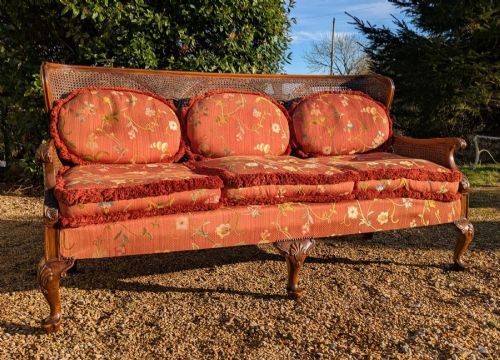
The forms vary across distinct stylistic influences including Louis XV, Louis XVI, and Napoleon III designs. These pieces range from intimate two seat boudoir settees to larger three seater couches intended for grand reception spaces.
Makers and manufacturers produced these seats throughout the nineteenth and early twentieth centuries, drawing on regional French provincial aesthetics and ornate chateau styling. Surviving examples reflect both formal Parisian workshops and broader continental interpretations of classic seating furniture.
Materials and Construction
Frames rely primarily on dense hardwoods such as walnut, mahogany, and timber, selected for their structural stability during intricate carving. Giltwood and parcel gilt finishes applied to wood surfaces added reflective opulence to formal salon pieces.
Upholstery techniques combined traditional stuffing with quality textiles including silk, velvet, damask, and contemporary woven fabrics. Brass mounts, ormolu details, and exposed wooden frames completed the assembly of these decorative seats.
Current listings feature walnut and giltwood frames spanning the Victorian, Regency, and Napoleon III periods.
Assessing Quality and Craftsmanship
The distinction between standard commercial seating and exceptional salon pieces rests in the crispness of the hand carving on the wooden frame. Deep relief work on walnut or finely applied gilding indicates superior craftsmanship.
Proportion and structural integrity define the higher tiers of these sofas, where balanced curves support substantial upholstery without sagging. Original fabric treatments and retained decorative mounts further elevate the standing of a piece.
The French Upholstered Sofa Glossary
- Canapé
- An antique French sofa featuring an upholstered back and seat framed in exposed carved wood. These pieces typically display cabriole legs and decorative crest rails.
- Giltwood
- Timber coated with a thin layer of gold leaf over a prepared gesso ground. This luxurious finish appears frequently on formal nineteenth century seating.
- Ormolu
- Gilded bronze mounts applied as decorative ornaments to furniture frames. The technique was particularly popular during revival periods.
- Bergere
- An enclosed upholstered armchair or sofa featuring wooden frames and stuffed cushions. They are designed for comfortable indoor lounging.
- Napoleon III
- A nineteenth century design period known for eclecticism, heavy buttoned upholstery, and lavish comfort. Pieces from this era often use dark woods and deep tufting.
French Upholstered Sofa: Frequently Asked Questions
Where should I place a vintage salon sofa?
These pieces suit formal living rooms, large bedrooms, or quiet reading spaces where the detailed woodwork remains visible from multiple angles. Their decorative backs make them effective as floating furniture pieces rather than pushed against walls.
Pairing them with neutral surroundings allows the carved frame and fabric texture to become the focal point of the interior.
What is the difference between a settee and a couch?
A settee traditionally denotes a light, narrow two seater wooden bench with an upholstered back and seat designed for formal reception rooms. Couches typically offer deeper proportions intended for relaxed lounging rather than upright sitting.
Historical listings often use these terms interchangeably depending on the regional terminology of the maker.
How do I care for antique silk upholstery?
Protect delicate silk and damask fabrics by positioning the seating away from direct sunlight to prevent fibre degradation and colour fading. Gentle surface dusting with a soft brush helps maintain the textile without disturbing the underlying weave.
Professional textile cleaning is recommended for addressing stains on vintage period fabrics.