

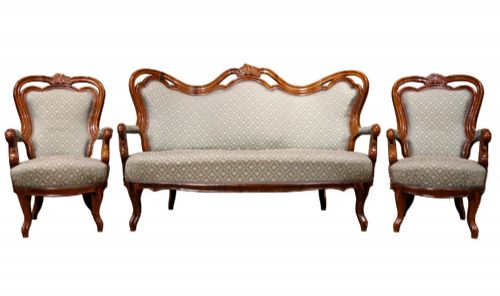


French Style Upholstered Settee
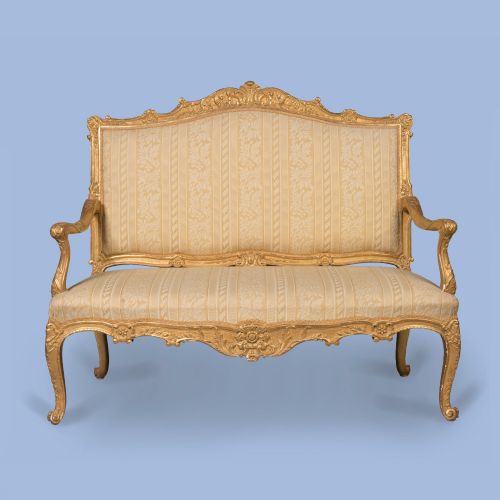
A french style upholstered settee brings seating of grand proportions into a room, taking form as a gilded canapé or a walnut salon sofa.
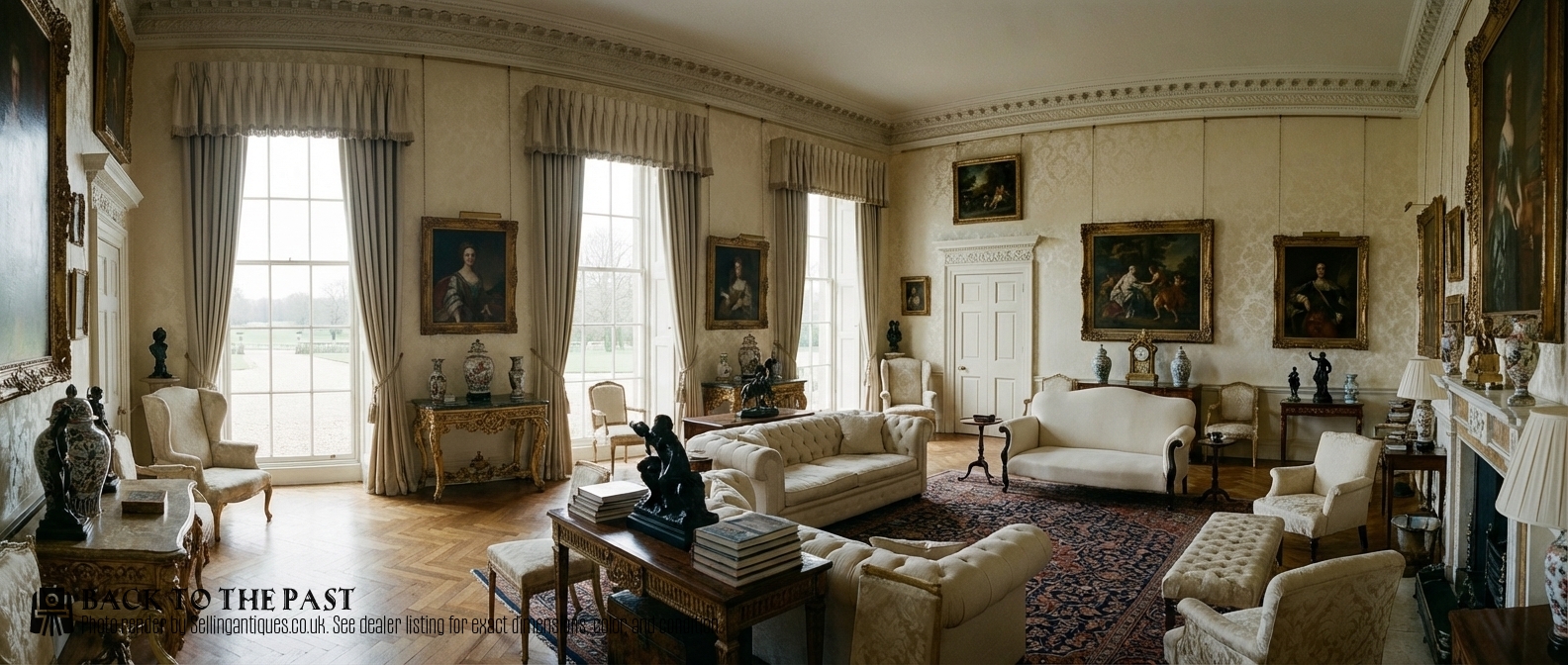
French Style Upholstered Settee
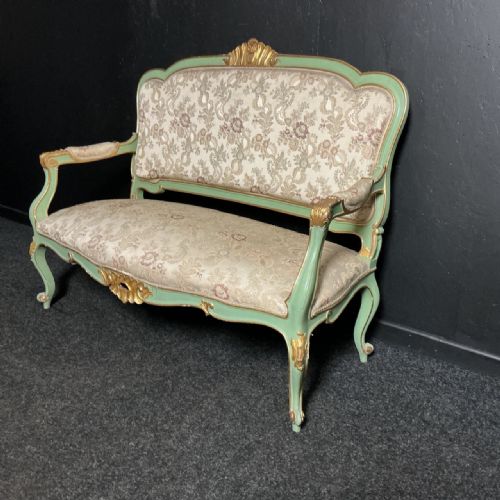
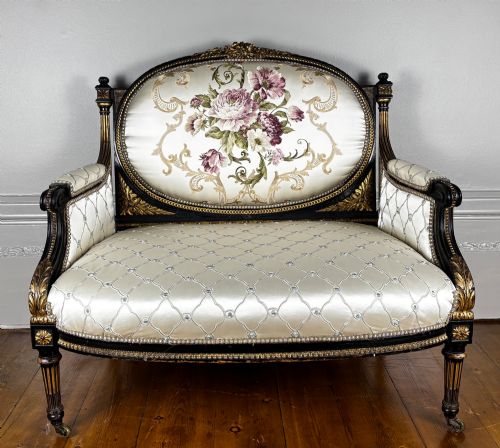
A french style upholstered settee draws upon historical design idioms, most frequently surfacing in variations of Louis XV and Louis XVI styles alongside Victorian interpretations. These pieces take the form of couches, canapés, and salon suites intended for principal reception spaces.
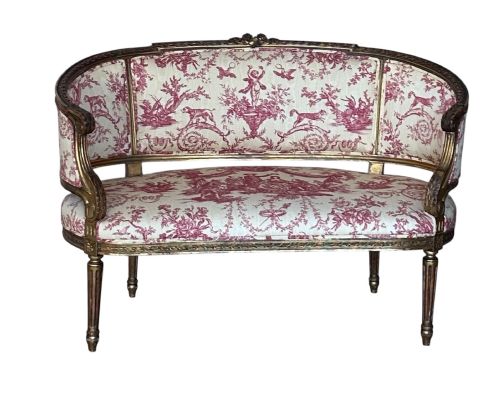
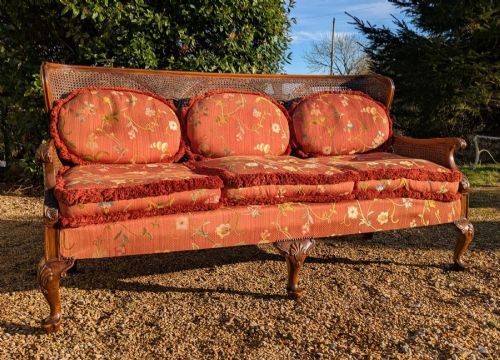
The materials span from giltwood and carved walnut to painted finishes paired with diverse textile upholstery. Examples range from compact two-seat love seats to larger three-seater couches dating across the nineteenth and early twentieth centuries.
Materials and Construction
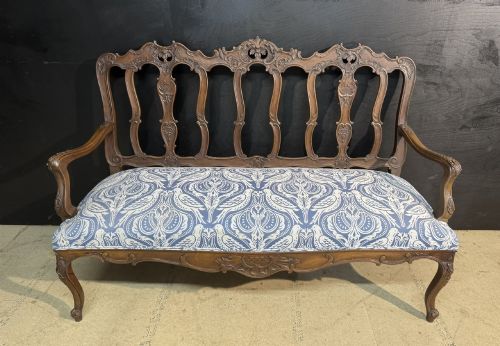
Carved wooden frames formed primarily from walnut, beech, or mahogany provide the structural skeleton, often enriched with giltwood accents, parcel gilt, or painted surfaces. Joinery relies on traditional hand-carving techniques to shape the flowing lines characteristic of revival periods.
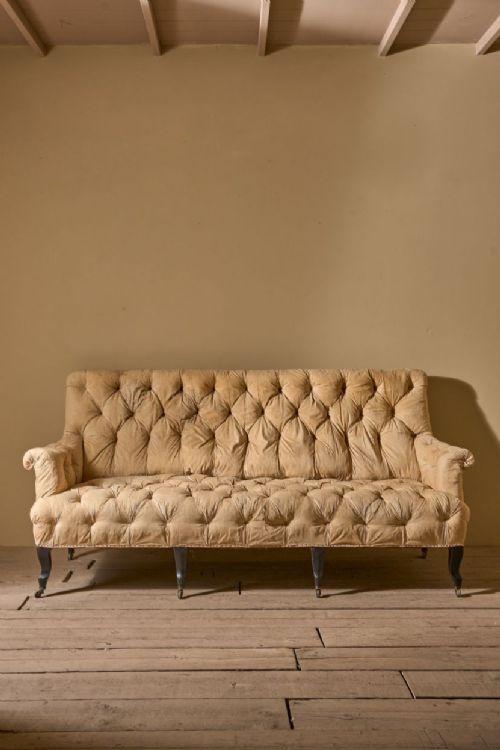
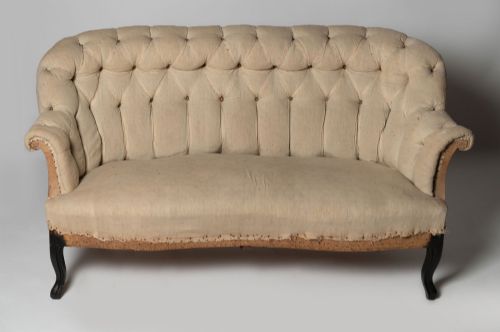
Upholstery incorporates fabric, velvet, and tapestry textiles, sometimes complemented by feather cushions, brass details, or ormolu mounts. Canework also appears on specific frames alongside buttoned back and seat configurations.
Listings feature walnut, giltwood, and beech frames upholstered in velvet, silk, and tapestry across the nineteenth and early twentieth centuries.
Judging Quality
The distinction between tiers rests upon the crispness of the wood carving and the integrity of the frame construction, where deep relief work and substantial timber distinguish superior examples. Finer pieces display refined proportions and hand-applied gilding or paintwork that adheres closely to period conventions.
Upholstery execution and the selection of textile materials influence the overall standard, with original or historically sympathetic coverings and supportive internal cushioning elevating the work. The harmony between the frame style, such as fluted legs or cabriole supports, and decorative mounts defines the upper range.
The French Style Upholstered Settee Glossary
- Canapé
- An upholstered sofa or settee, typically featuring an exposed wooden frame in a French design style. It often sits on cabriole or fluted legs.
- Giltwood
- Timber that has been coated with gold leaf or a gold-coloured finish. This treatment accentuates carved details on formal seating frames.
- Ormolu
- Cast and chased gilt-bronze applied as an ornamental mount onto furniture. It appears on neoclassical and empire revival frames.
- Bergere
- An enclosed upholstered armchair or sofa featuring padded armrests and a wooden frame. It frequently includes cushion seating.
- Louis XV Style
- A design aesthetic characterised by asymmetrical curves, floral motifs, and rococo influence. It dominates many nineteenth-century French settees.
French Style Upholstered Settee: Frequently Asked Questions
What is a canapé?
A canapé is a traditional French-style settee with an exposed wooden frame, often carved with floral or scroll motifs. These pieces function as decorative seating designed for formal rooms.
They typically feature upholstered seats and backs supported by cabriole or fluted legs. The style draws directly from historical French court furniture designs.
How do I identify Louis XV and Louis XVI styles?
Louis XV pieces display curving lines, cabriole legs, and asymmetrical rococo ornamentation. The forms feel organic and flowing.
Louis XVI pieces introduce straight lines, symmetry, neoclassical motifs, and fluted legs. The structural silhouette leans toward geometric restraint and architectural balance.
Where were these settees used?
These settees served as principal seating within formal salons, drawing rooms, and boudoirs. They provided comfortable yet impressive seating for entertaining guests.
Today, they integrate into contemporary living spaces as statement furniture pieces. They work well placed against a primary wall or used to anchor a conversational grouping.
Are these settees comfortable for daily use?
Many examples offer supportive upholstered seating, occasionally enhanced with feather cushions or buttoned backrests. Their primary intent was formal relaxation in a salon setting.
Modern comfort depends on the internal padding condition and depth of the seat. Buyers seeking daily lounging options often prioritize pieces with generous cushioning.