

French Style Salon Chairs
When you search for french style salon chairs, you are looking at seating designed for formal entertaining, drawing heavily on eighteenth-century court aesthetics.
French Style Salon Chairs
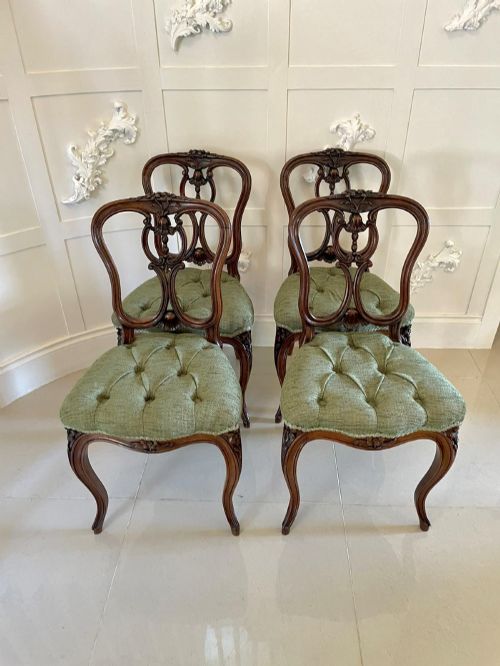
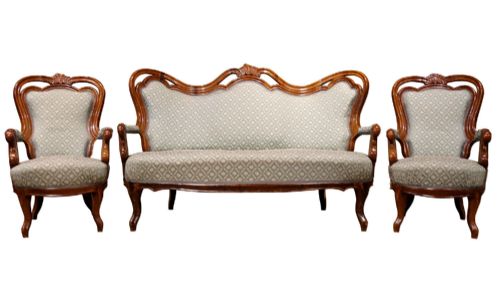
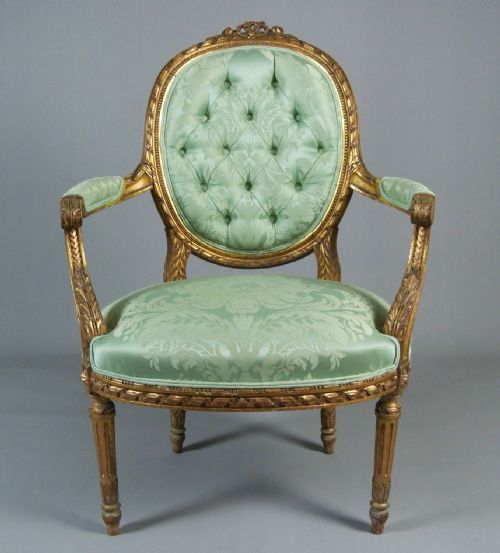
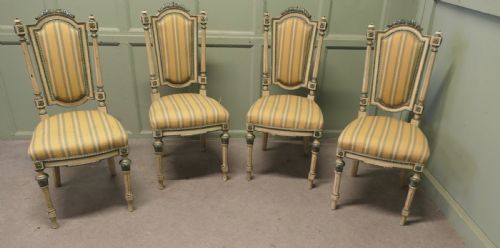
These pieces encompass armchairs, side chairs, and complete salon suites intended for reception rooms. The selection on this page leans heavily toward nineteenth-century revivals of earlier court periods.
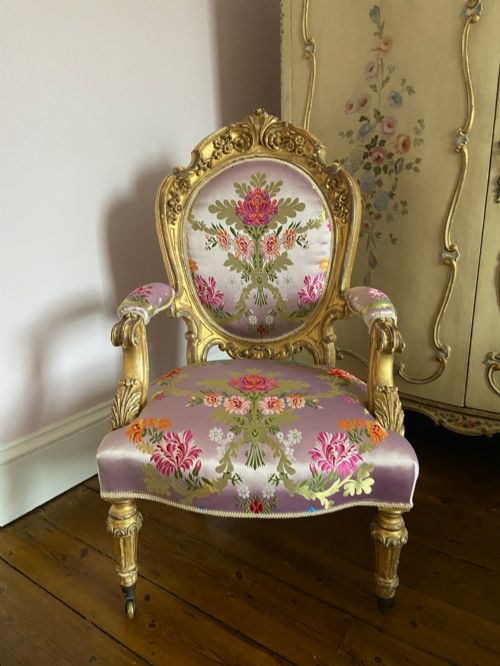
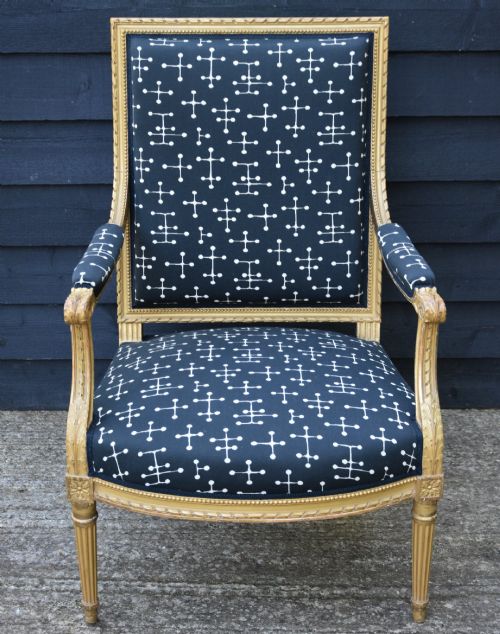
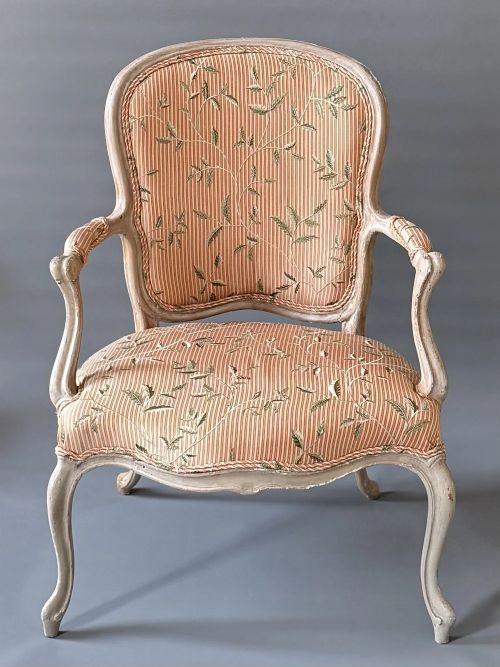
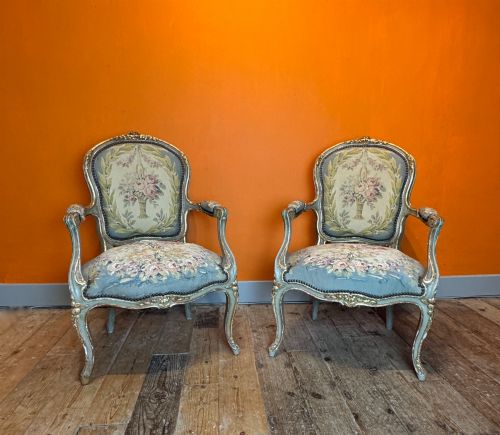
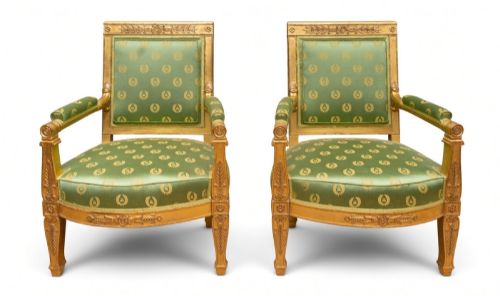
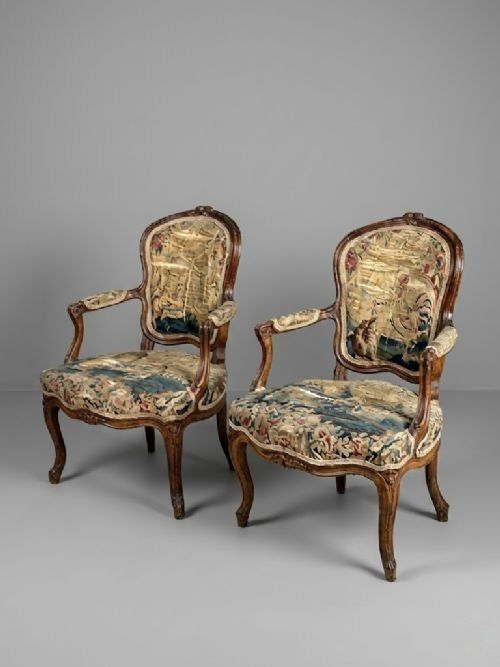
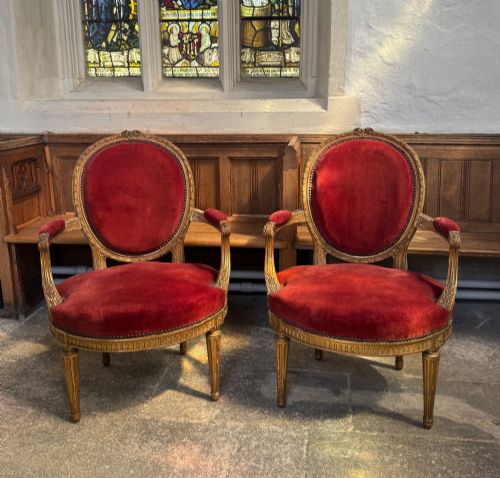
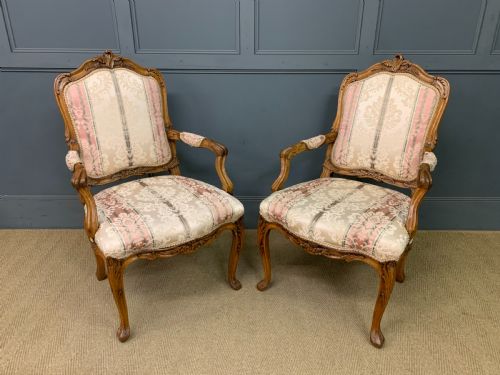
Buyers will encounter distinct sub-types including the enclosed bergère, the open-armed fauteuil, and rigid-backed side chairs. Many follow Louis XV or Louis XVI design idioms, bridging eighteenth-century originals with later interpretations.
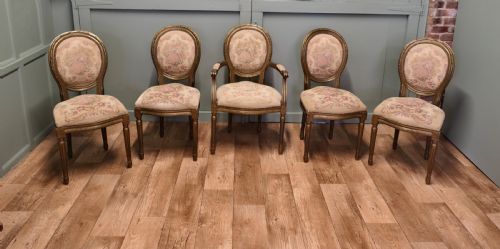
Forms range from individual occasional chairs to matching sets of four or six. Their primary purpose remains decorative and occasional rather than for heavy daily lounging.
How they were made
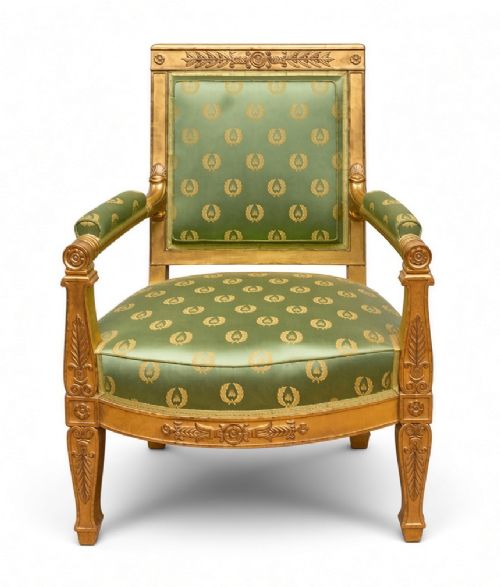
Frames are constructed from timbers such as walnut, beech, mahogany, and giltwood, carved with floral motifs, ribbons, or fluted legs. Joinery relies on traditional hand-cut joints designed to support upright seating.
Surfaces are finished with applied gold leaf, paint, or polished to reveal the natural grain of the wood. Brass or ormolu mounts occasionally accent the frame.
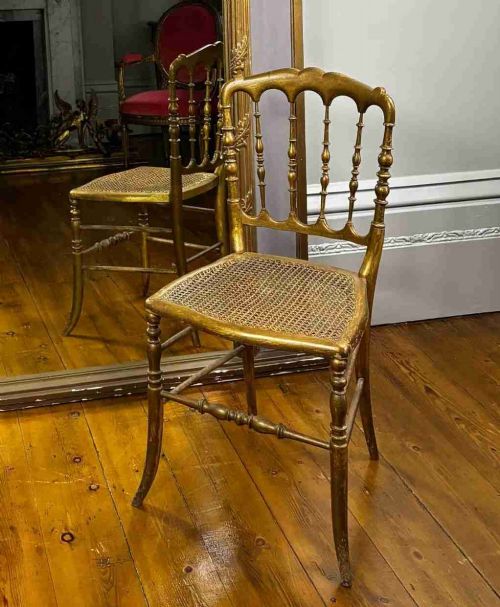
Upholstery involves traditional stuffing over webbing or cane seats, finished with silk, velvet, tapestry, or plain fabric secured by decorative tacks.
French Style Salon Chairs Retail Price Guide 2026
Typical asking prices for french style salon chairs among the pieces listed under this phrase on Sellingantiques today, from the lower quarter to the upper quarter. They describe what is for sale here now, not the wider market.
Listings feature pieces spanning the eighteenth to the mid-twentieth century, dominated by nineteenth-century revivals in walnut and giltwood.
What varies in quality
Quality rests in the crispness of the hand-carving and the choice of primary timber. Finer examples display deep, sharp relief work on the wood, whereas simpler versions show softer, machine-assisted finishing.
The integrity of the frame construction and the quality of the gilding or timber polish dictate the tier of the piece. Superior suites maintain structural rigidity without excessive past repairs to the delicate crest rails and cabriole legs.
Jacob Desmalter·Thomas Chippendale·Blaise Maucuy
The French Style Salon Chairs Glossary
- Fauteuil
- An open-framed armchair with upholstered back and seat, typically featuring exposed wooden armrests. These pieces were designed to accommodate wide eighteenth-century court dress.
- Bergère
- An enclosed armchair featuring upholstered sides filled in with wood, cane, or upholstery. This form offers a more enclosed and supportive sit than the open fauteuil.
- Giltwood
- Timber coated with a thin layer of gold leaf. This finish defines many formal salon pieces from the eighteenth and nineteenth centuries.
- Cabriole leg
- A furniture leg that curves out and then narrows inward, terminating in a small foot. This shape is characteristic of Rococo and Louis XV revival designs.
- Ormolu
- Gilded bronze applied as a decorative mount on furniture. It provides metallic contrast against mahogany and walnut surfaces.
French Style Salon Chairs: Frequently Asked Questions
How do I identify a true period piece?
Distinguishing between eighteenth-century originals and nineteenth-century revivals requires examining timber shrinkage, tool marks, and construction methods. Earlier pieces show hand-cut joinery and period-specific wear patterns.
Revival pieces often display nineteenth-century manufacturing traits beneath the historicist styling. Inspecting the underside and joints clarifies the true age of the frame.
Are these chairs comfortable for daily use?
These seats are upright and formal, designed for receiving guests rather than lounging for hours. Their proportions reflect historical seating habits.
Cushioning varies from firm traditional stuffing to modern interior pads. Buyers should expect a supportive, upright posture rather than a deep, soft sink.
How should I care for giltwood frames?
Giltwood requires dry dusting with a very soft brush to protect the delicate gold leaf layer. Moisture and chemical cleaners damage the historical finish.
Placement away from direct sunlight and heat sources prevents the wood from warping and the gesso from cracking. Gentle handling preserves the reflective surface.
Can I mix different chair styles in a salon?
Pairing armchairs with occasional side chairs from similar revival periods creates a collected interior rather than a rigid suite. Matching wood tones helps unify disparate pieces.
Maintaining a consistent scale prevents smaller chairs from being overwhelmed by heavier armchairs. Balance is key when arranging mixed seating groups.