




French Style Portrait Painting
French style portrait painting captures the elegance and character of past centuries through oil on canvas, delicate porcelain, and finely carved wood frames.
French Style Portrait Painting
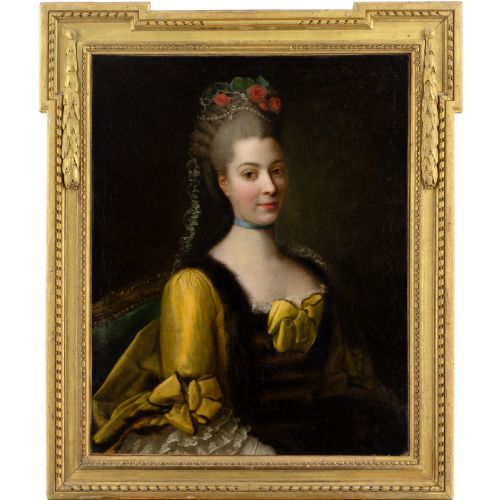
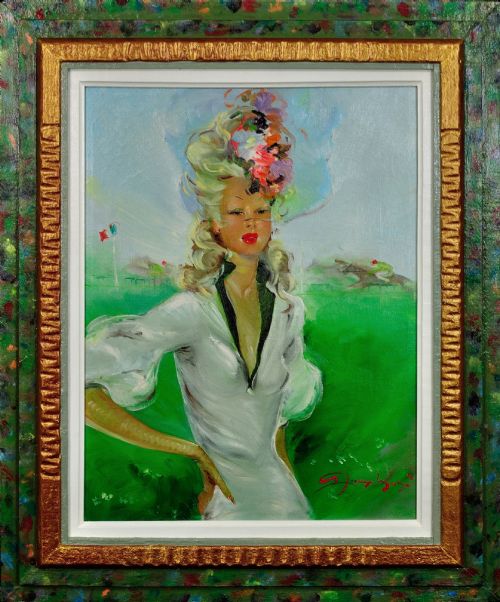
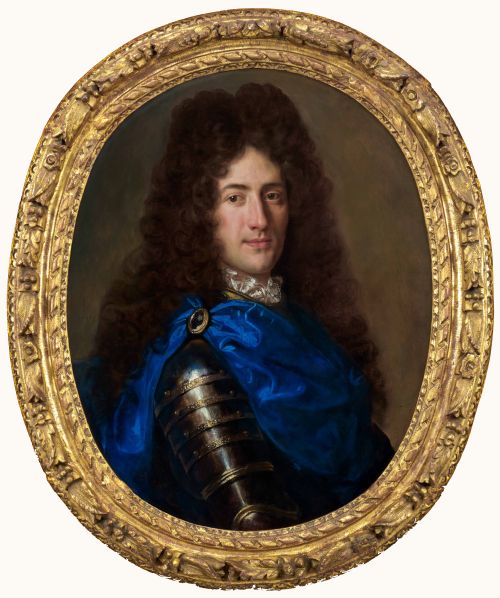
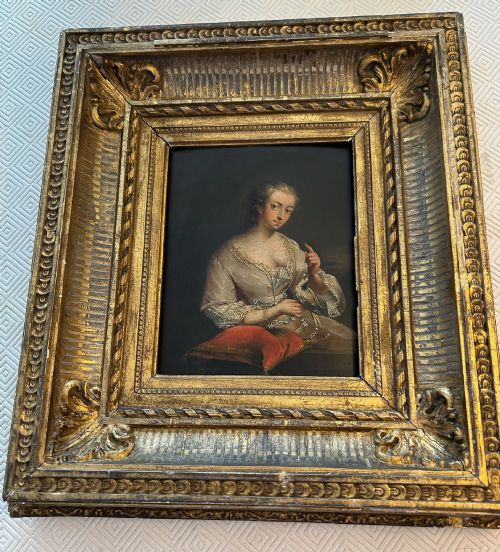
A French style portrait painting typically depicts elite subjects, aristocratic ladies, and gentlemen in elaborate attire from periods spanning the seventeenth to the twentieth century.
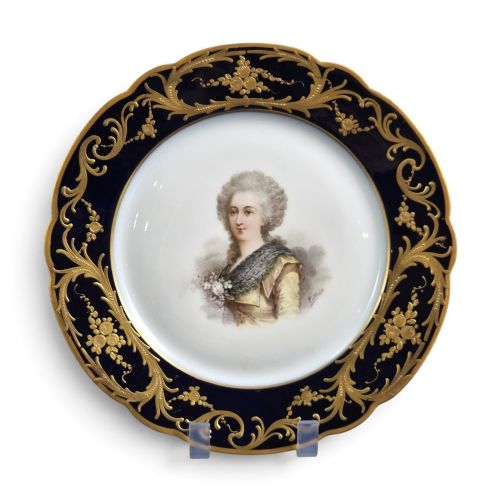
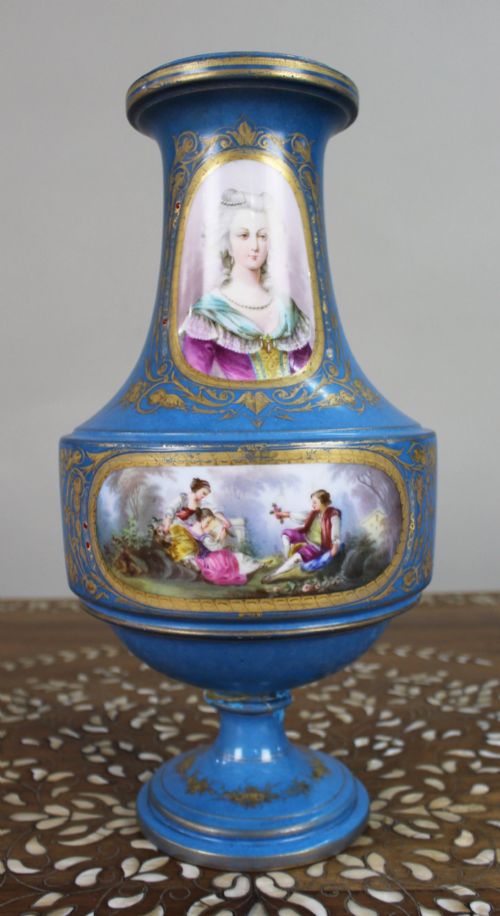
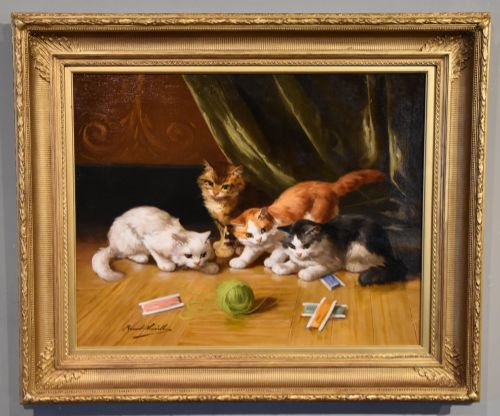
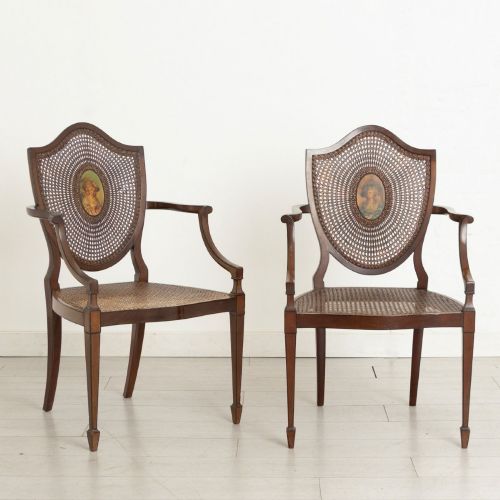
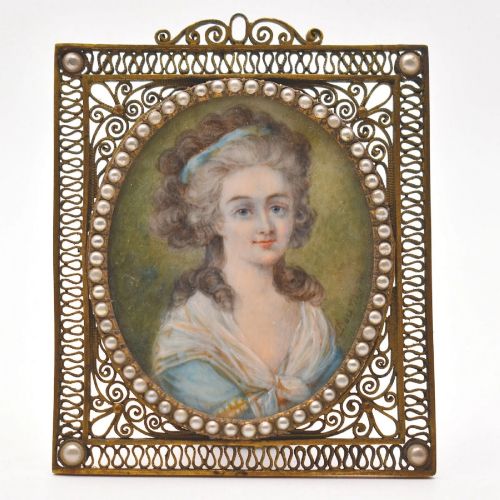
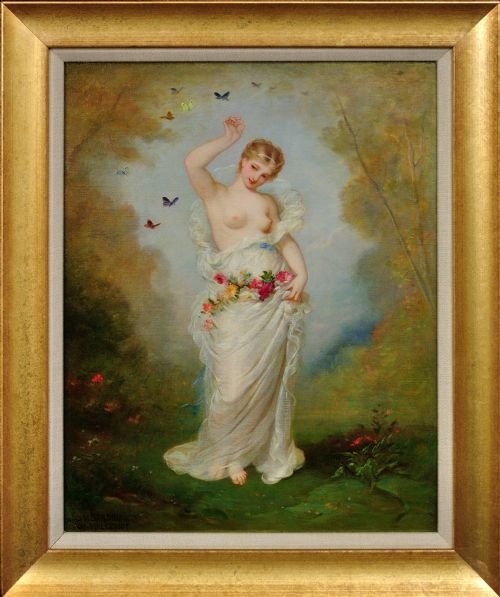
Buyers encounter works executed in oil on canvas, alongside painted porcelain plates, decorative vases, and delicate miniatures housed in gilt wood frames.
The selection ranges from seventeenth-century oil paintings in the manner of court artists to later revivals influenced by Rococo and Baroque aesthetics.
Materials and techniques
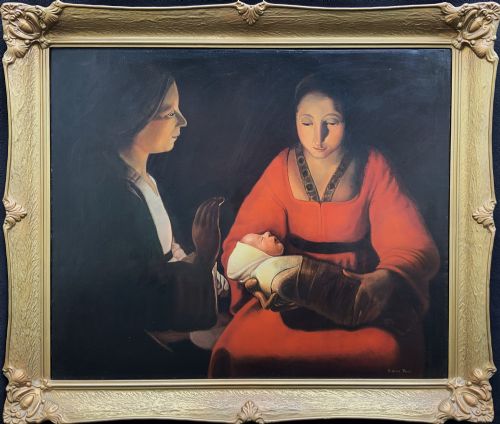
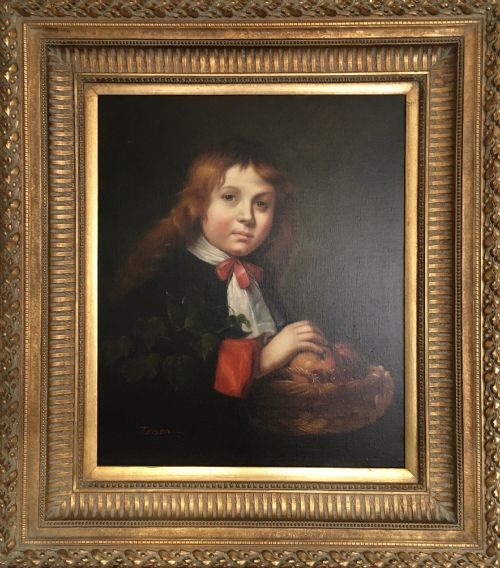
Artisans applied oil paint to canvas or wood panels, often following academic traditions or working after masters such as Boucher and Greuze.
Decorative objects utilise porcelain supports, such as Sèvres-style plaques and vases, hand-painted with polychrome enamels and finished with gilt detailing.
Listings feature oil paintings, porcelain plaques, and carved giltwood frames spanning from the seventeenth century through to the mid-twentieth century.
Distinctions in craftsmanship
Quality reveals itself in the handling of facial expressions, fabric drapery, and fine brushwork that conveys the texture of lace and velvet.
The sophistication of the surrounding frame, whether carved giltwood or simple moulded wood, contributes significantly to the overall presence of the piece.
Pierre Mignard·Joseph Vivienne·Jean-Baptiste Greuze·Alfred Arthur Brunel de Neuville·Adolphe Alexandre Lesrel
The French Style Portrait Painting Glossary
- Oil on canvas
- Pigments bound in a drying oil applied to a woven fabric support stretched over a wooden frame. This medium allowed artists to achieve rich colour depths and subtle tonal gradations.
- Giltwood
- Timber that has been coated with a thin layer of gold leaf or gold powder over a prepared gesso ground. It provides a reflective, ornate border for formal portraits and mirrors.
- Porcelain plaque
- A flat ceramic tablet fired at high temperatures and painted with enamels before a final glazing. These panels often display miniature portraits set within domestic decorative items.
- Rococo Revival
- A nineteenth-century design movement that reinterpreted the light, curving ornamentation and pastoral themes of the eighteenth-century French court. It appears frequently in framing and decorative arts.
- Miniature painting
- A highly detailed portrait executed on a small scale, often housed in a protective case with seed pearl or metal ornamentation.
French Style Portrait Painting: Frequently Asked Questions
How do I date a French style portrait painting?
Dating relies upon examining the costume of the sitter, the hairstyle, and the construction methods of the canvas stretcher or wood panel. Stylistic clues such as Baroque collars or Rococo gowns offer reliable chronological markers.
Additional evidence comes from signatures, inscriptions on the reverse, and the materials used in the framing or supporting ceramic plaques.
What is the difference between an original and an after-work?
An original painting is executed directly by the artist or within their active studio during the period. An after-work is a later study or copy created in homage to a well-known composition by a master.
Both forms hold distinct appeal for collectors, depending on whether one seeks period authorship or a faithful rendition of a celebrated historical image.
Where were porcelain portrait plaques displayed?
Porcelain plaques and hand-painted panels were typically mounted into decorative objects such as lidded vases, round boxes, and wall frames. They served as refined interior ornaments for nineteenth-century drawing rooms.
Their integration into functional or decorative items allowed owners to display miniature portraiture within domestic spaces without hanging framed canvases.
How should I care for an antique oil painting?
Antique canvases require stable indoor environments away from direct sunlight, excessive heat, and rapid humidity fluctuations. Keeping the surface free of dust with a soft, dry brush preserves the integrity of the paint layers.
Avoid using liquid cleaners or chemical solvents on the paint surface, and consult a professional conservator if structural repairs become necessary.