

French Style Frame
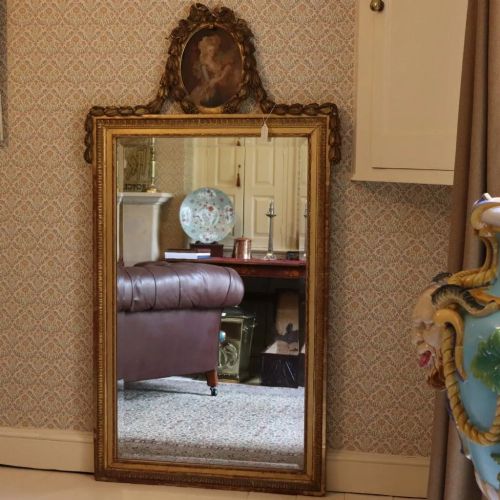
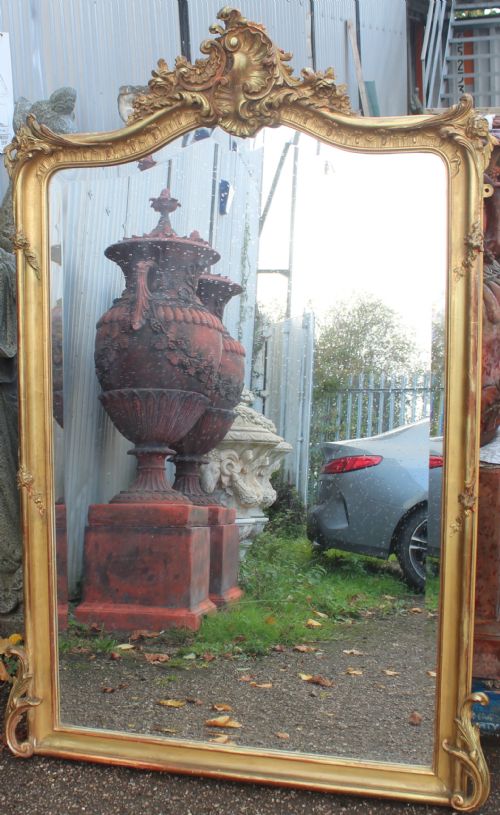
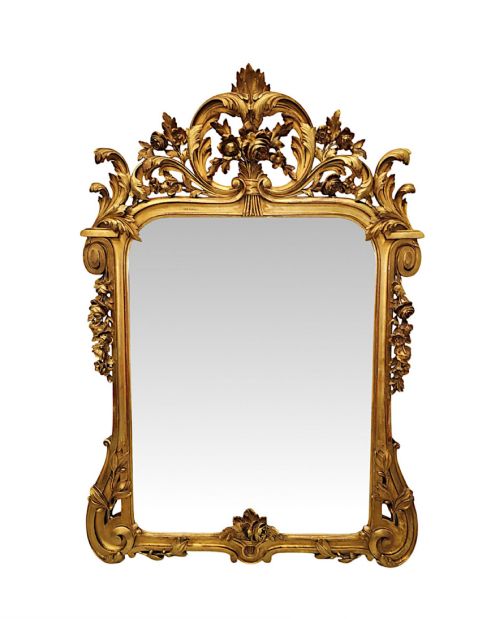
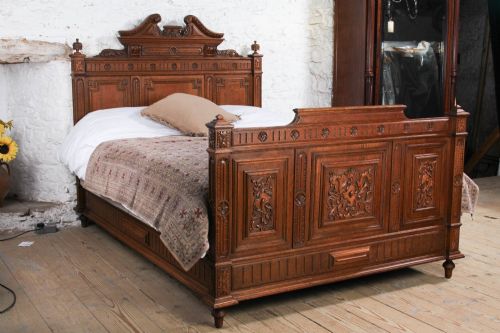
When you search for a french style frame, you are looking at mirrors, beds, and seating built to echo the decorative vocabulary of 18th-century court taste.
French Style Frame
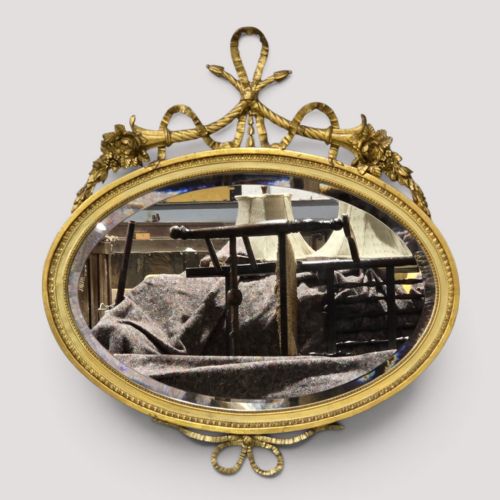
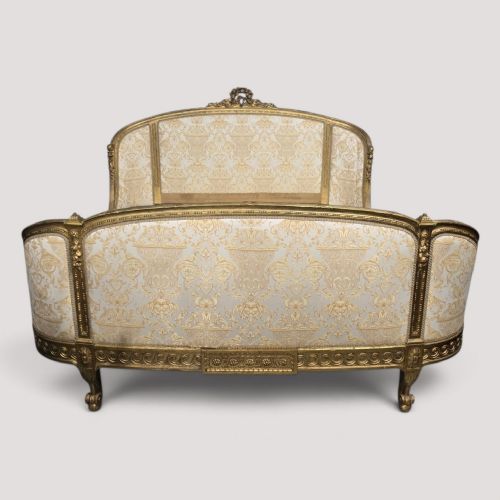
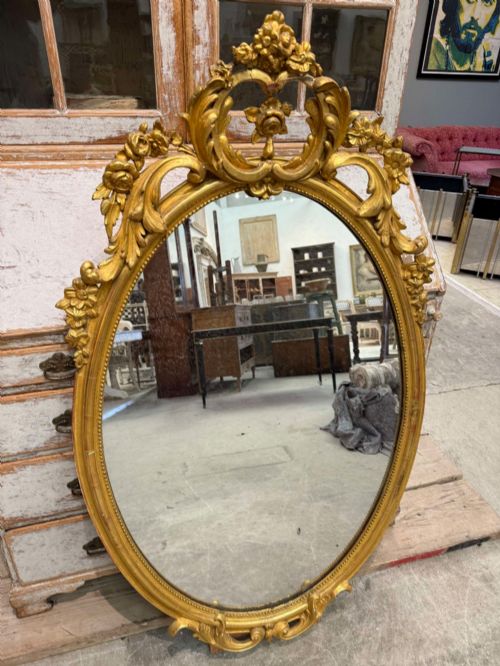
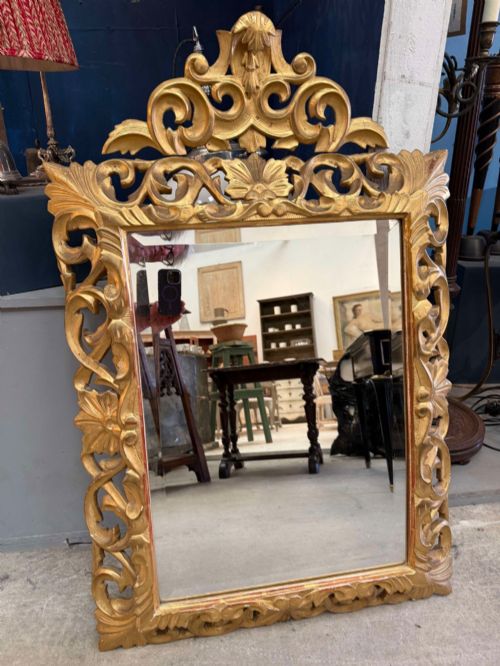
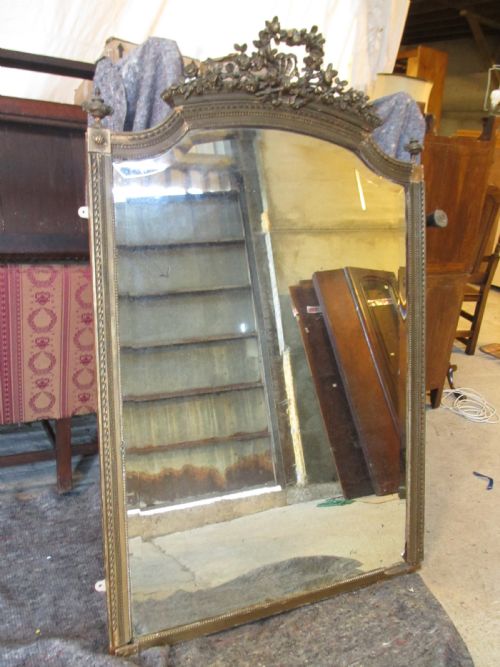
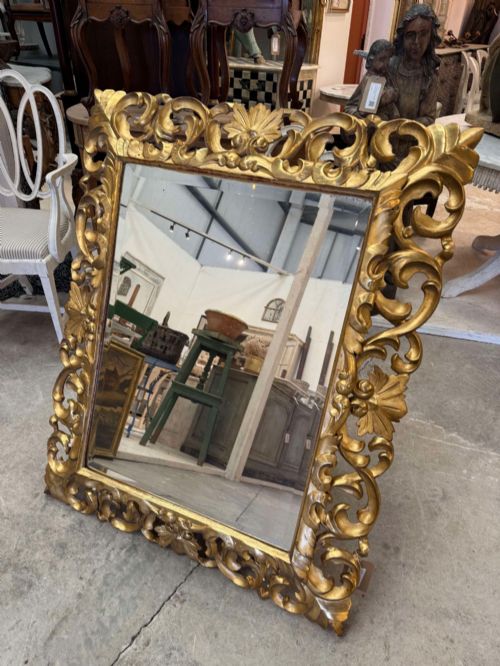
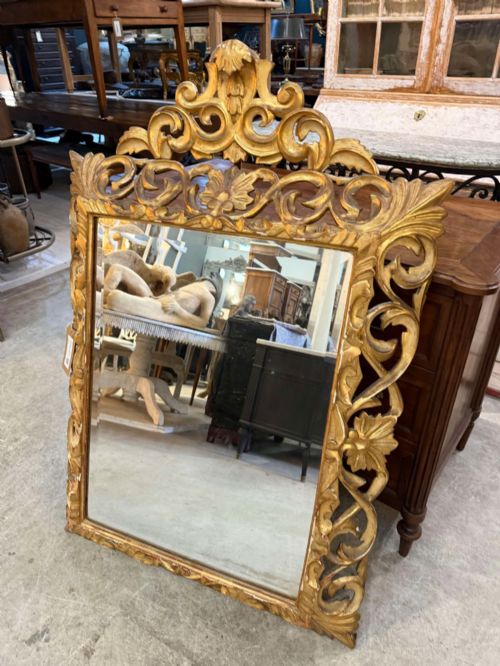
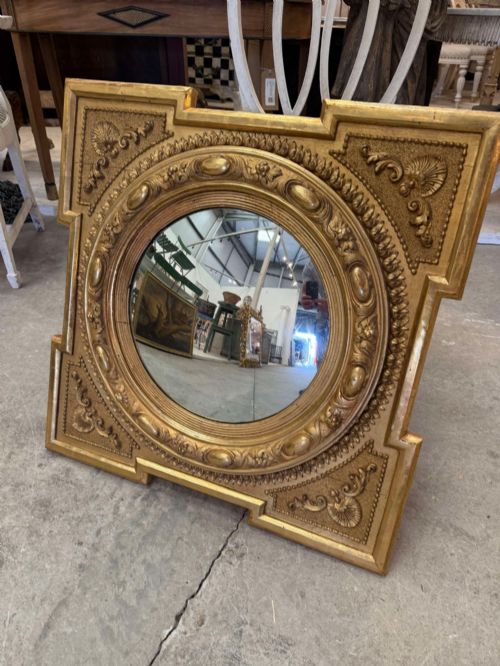
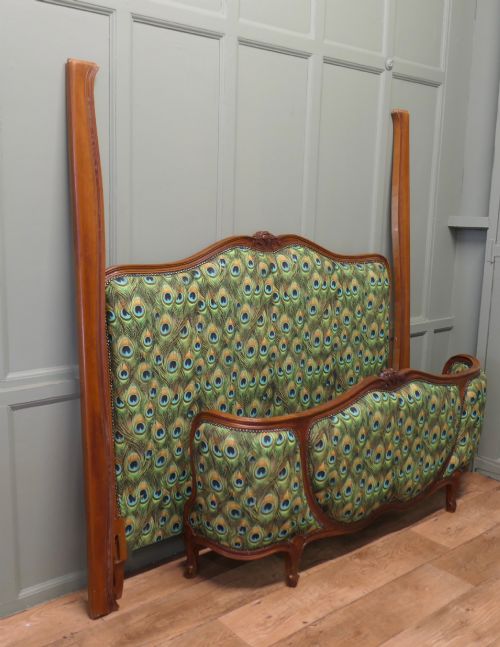
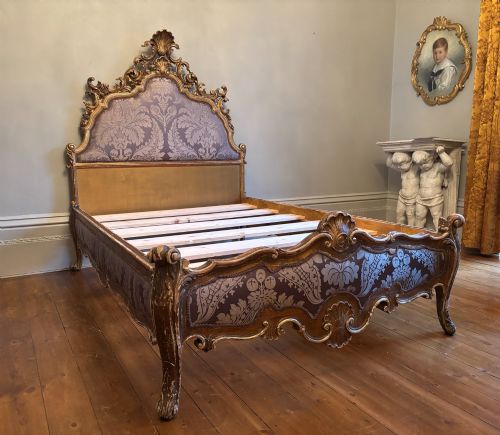
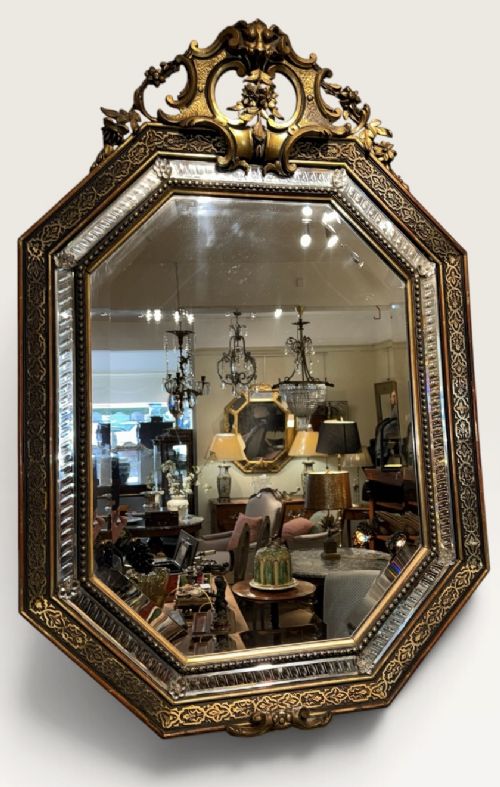
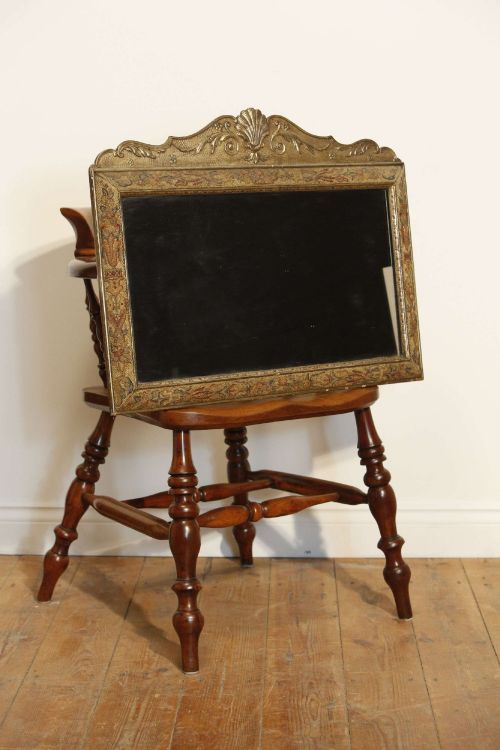
A french style frame generally takes the form of a wall mirror, overmantel glass, painted bedstead, or carved armchair rooted in 19th-century interpretations of historical court designs. The pieces on this page span Victorian and continental revivals, capturing the ornamental ambition of earlier centuries through later manufacturing methods.
Mirrors dominate the selection, appearing alongside upholstered fauteuils, canapés, and wooden bed frames finished in giltwood, paint, or bleached oak. Buyers encounter these items as statements of decorative intent, designed to introduce warmth and ornamental detail into domestic interiors.
How they were made
Makers constructed these frames from timber such as walnut, oak, and beech, applying layers of gesso to create crisp surfaces for carving and gilding. Gold leaf or metallic paint was then layered over the prepared wood to achieve the characteristic reflective sheen.
Glass plates were often set into the frames by hand, with mercury glass appearing on older examples to give a mottled, reflective depth. Upholstered pieces integrated structural wooden frames with fabric, cane, or leather panels secured by traditional tacking methods.
French Style Frame Retail Price Guide 2026
Typical asking prices for french style frame among the pieces listed under this phrase on Sellingantiques today, from the lower quarter to the upper quarter. They describe what is for sale here now, not the wider market.
Listings feature items spanning from the Victorian era back to the eighteenth century, constructed primarily in giltwood, walnut, and gesso.
What varies in quality
Quality rests upon the depth and crispness of the hand-carved detail in the wood and gesso, where sharper, deeper floral motifs distinguish better workshops from mass-produced alternatives. The integrity of the original gilding or paint finish also dictates value, with untouched surfaces holding greater visual coherence.
The weight and construction of the underlying timber frame determine structural longevity, particularly in large overmantel mirrors and seating where joints endure physical stress. Original glass plates with distinct foxing or bevels contribute to the authenticity of the object.
The French Style Frame Glossary
- Gesso
- A plaster-like mixture applied to wooden frames as a smooth base for gilding or painting. It allows intricate relief ornamentation to be carved before finishing.
- Giltwood
- Timber that has been coated with a thin layer of gold leaf or metallic powder. This material provides the bright, reflective surface characteristic of formal mirrors and seating.
- Mercury glass
- A double-walled glass blown type popular in older mirrors, created by pouring a liquid silvering mixture between glass layers. It produces a distinctive mottled appearance over time.
- Overmantel mirror
- A large mirror designed to hang specifically above a fireplace mantelpiece. These pieces often feature wide proportions to reflect light across a room.
- Fauteuil
- An open-framed armchair with upholstered seat and backrests, featuring exposed wooden arms. They were central to French seating design across various revival periods.
French Style Frame: Frequently Asked Questions
How do I clean a giltwood frame?
Giltwood surfaces require gentle dusting with a soft, dry brush to prevent damage to the delicate gold leaf or gesso layers. Moisture and chemical cleaners should be avoided entirely to preserve the original finish.
Regular maintenance involves simply removing surface particles without applying pressure to raised carved elements or antique mirror plates.
What is mercury glass?
Mercury glass refers to mirrors silvered using a mercury amalgam technique common in the 18th and 19th centuries before safer silvering methods were introduced. This process creates a dark, uneven reflection with characteristic spots and foxing.
Collectors prize genuine mercury glass for the depth and historical character it brings to antique mirrors.
Can I hang a heavy overmantel mirror safely?
Heavy overmantel mirrors require secure wall fixings anchored directly into structural studs or masonry rather than drywall alone. Professional installation is recommended due to the substantial weight of carved wood and thick glass plates.
Weight distribution across multiple brackets ensures the frame remains secure against the wall.
How do I distinguish 19th century from 18th century pieces?
Nineteenth-century revival pieces often display machine-prepared timbers and standardised gesso composition beneath the surface finish. Eighteenth-century originals show distinct hand-tool marks and older construction joints upon close inspection.
Examining the backing boards, fixings, and glass plates helps clarify the actual period of manufacture.