
French Style Crest Mirror
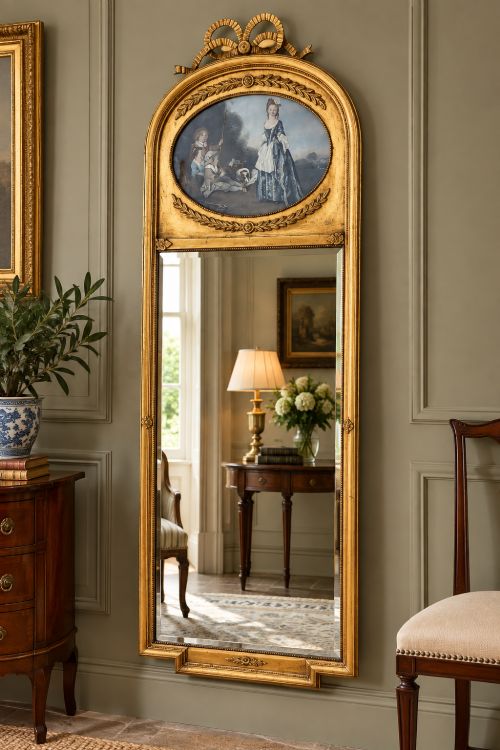
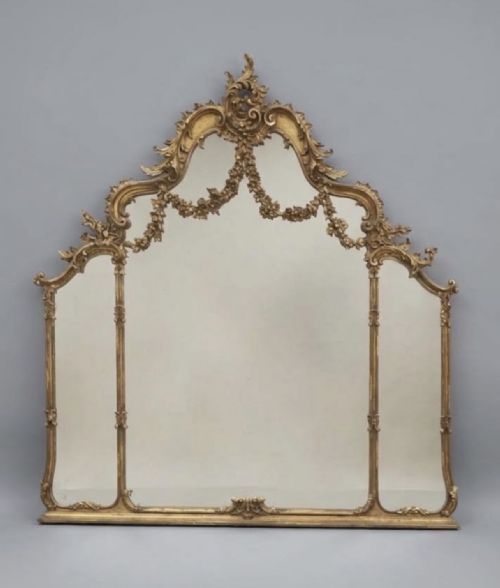
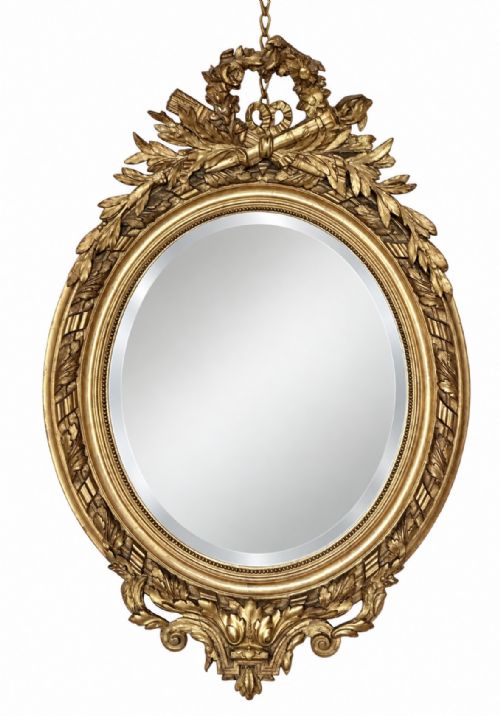
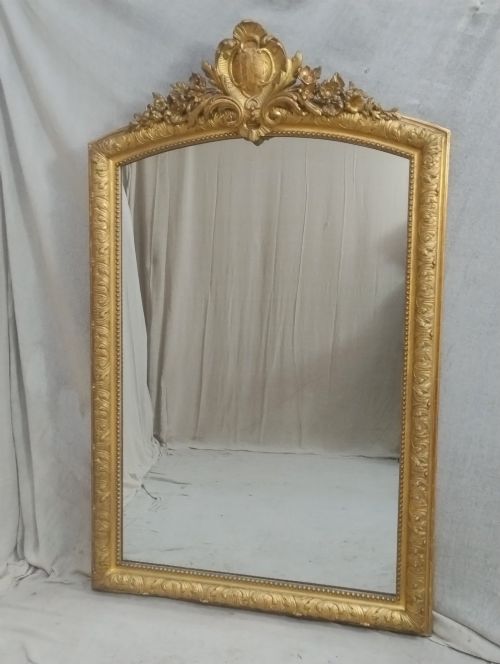
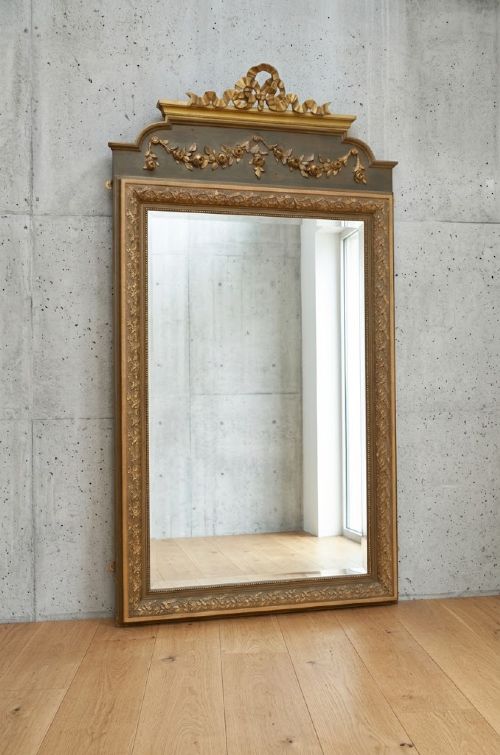
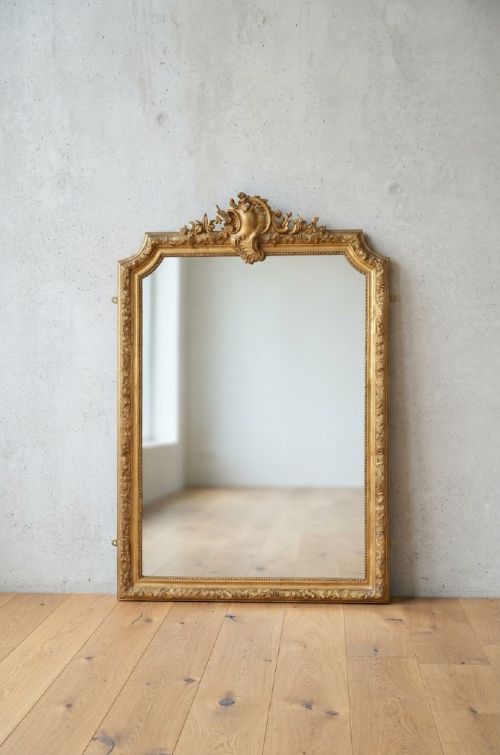
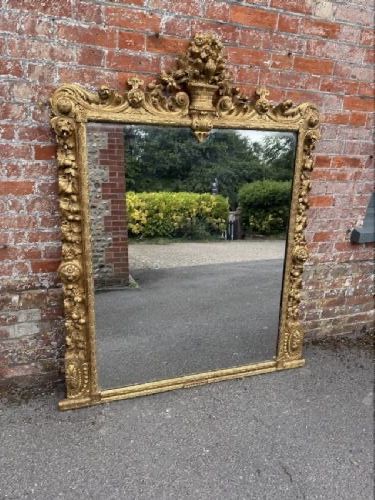
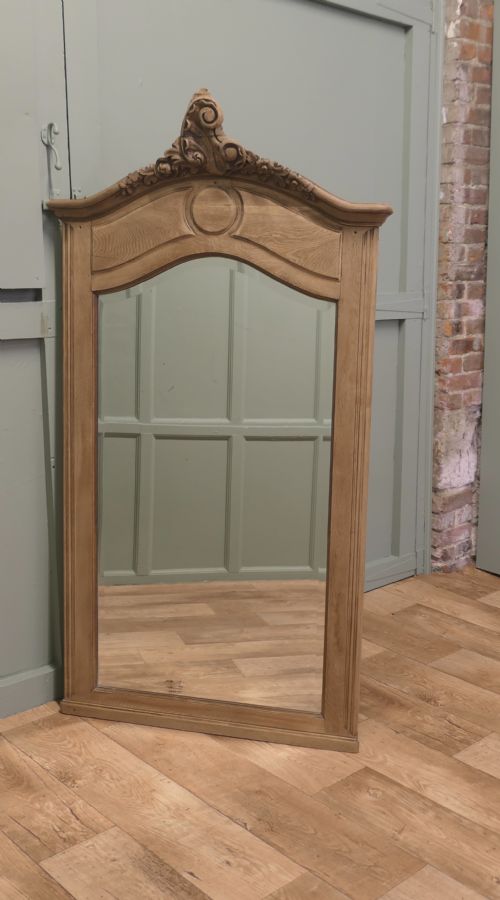
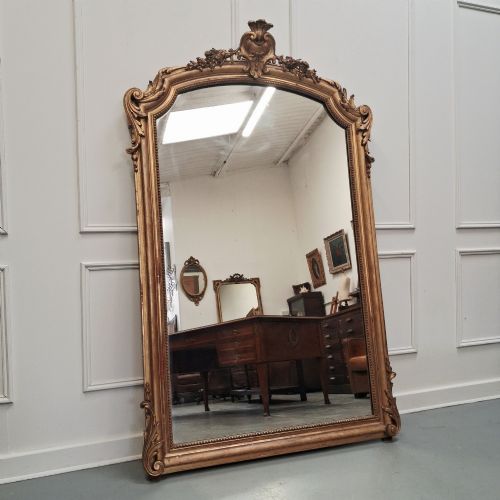
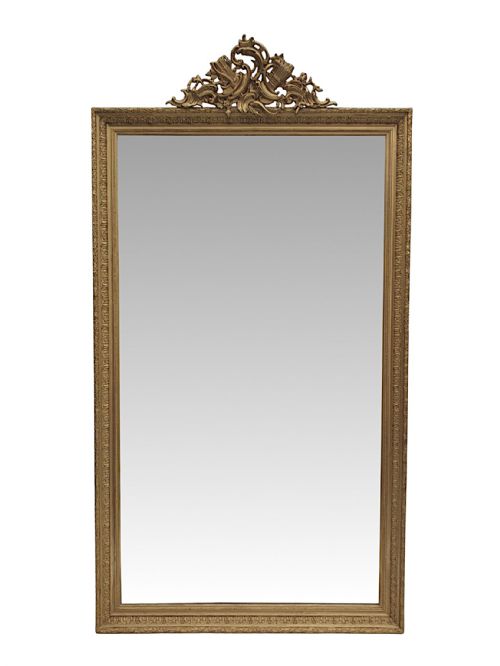
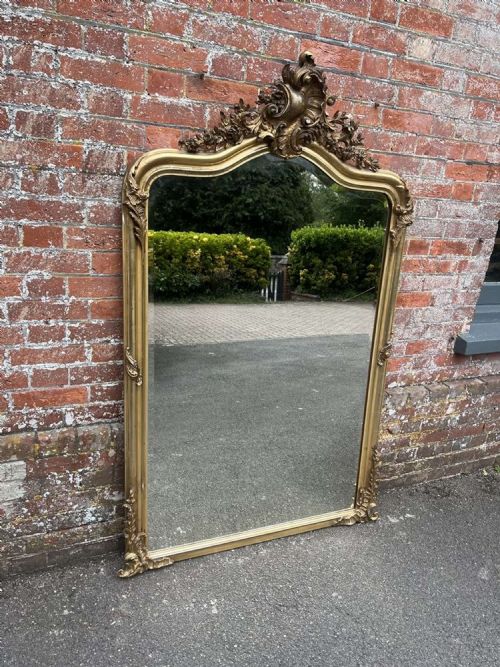
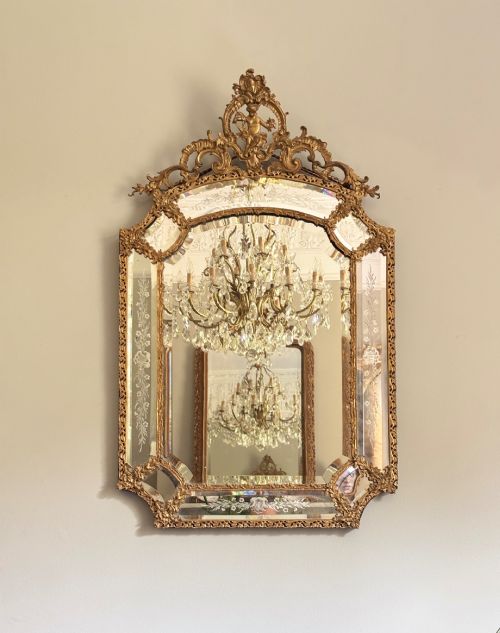
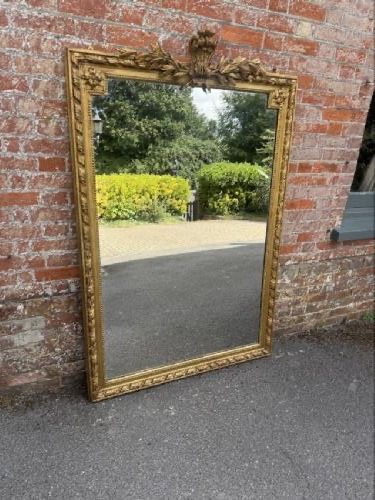
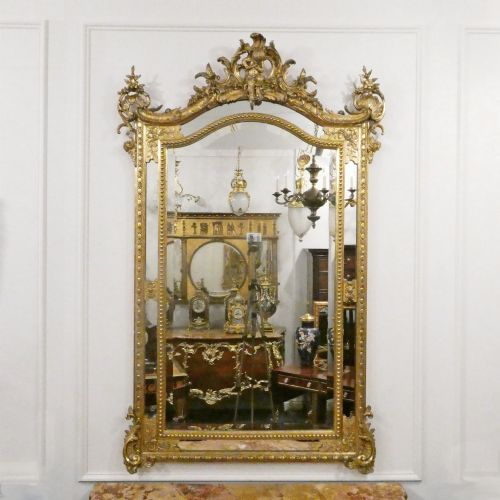
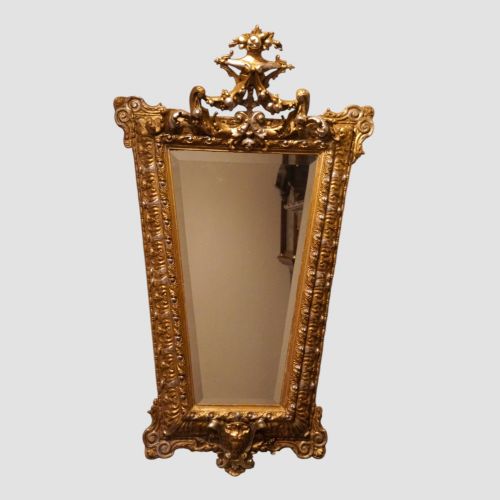
These french style crest mirror examples bring ornate continental grandeur into a room, defined by elaborate carved crestings and gilt finishes.
French Style Crest Mirror
A french style crest mirror serves as a dominant architectural focal point, frequently hung above a fireplace mantel or positioned as a principal wall piece. The inventory reflects a strong presence of nineteenth-century craftsmanship, alongside pieces originating from the Edwardian period up to the early twentieth century.
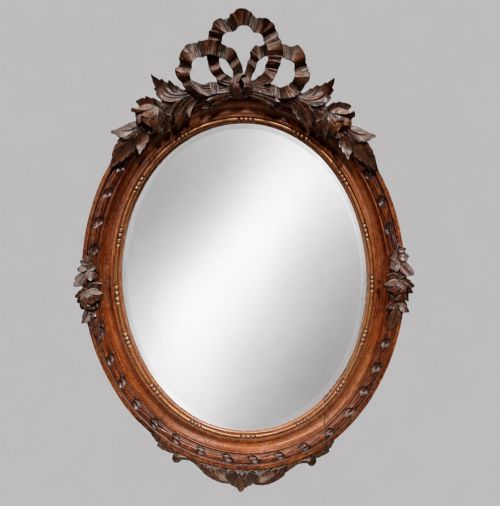
Buyers encounter distinct configurations, ranging from large overmantel mirrors and leaner formats to smaller oval wall mirrors and girandoles. The overarching aesthetic draws heavily from Louis XVI and Rococo revivals, chateau interiors, and French neoclassical design traditions.
Most examples originate from French workshops or English makers influenced by continental taste, incorporating substantial dimensions designed to amplify light and spatial volume in reception rooms.
Materials and Technique
Carved wood provides the structural framework for the majority of these pieces, often augmented with applied composition or gesso ornament to build up intricate relief details along the frame and crest. Artisans applied gold leaf, silver-gilt, or painted finishes directly over these prepared wooden grounds.
Mirror glass panels, occasionally retaining foxed mercury surfaces or older plate, sit within frames secured by traditional joinery. Bronze and gilt metal elements also appear on specific revival pieces from the latter part of the nineteenth century.
A few mirrors come with display brackets, allowing tiny ornaments to perch precariously beneath your reflection.
Evaluating the Pieces
Depth and crispness of the carving distinguish finer examples from standard production, particularly in the hand-chiselled details of floral motifs, ribbons, and cartouches on the crest. Superior pieces display harmonious proportions where the scale of the crest balances the expanse of the glass plate.
The integrity of the original gilding and the preservation status of the underlying gesso shape the character of the object over time. Original mirror plates with authentic ageing provide a depth that modern replacements cannot replicate.
The French Style Crest Mirror Glossary
- Crest
- The decorative ornamental feature mounted at the top of the mirror frame. This element often takes the form of a carved cartouche, ribbon bow, or floral arrangement.
- Gesso
- A plaster-based mixture applied to wood frames to create a smooth surface for gilding. Artisans carved intricate relief patterns directly into this material.
- Overmantel
- A large mirror specifically proportioned to hang above a fireplace mantelpiece. These pieces often incorporate horizontal formats to span the width of the hearth.
- Giltwood
- Timber that has been coated with a thin layer of gold leaf. It forms the primary lustrous finish seen on traditional continental mirrors.
- Rococo Revival
- A nineteenth-century design movement inspired by eighteenth-century French style. It employs asymmetrical scrolls, shell motifs, and naturalistic curves.
French Style Crest Mirror: Frequently Asked Questions
Where should I hang an overmantel mirror?
These large mirrors traditionally mount directly above a fireplace mantel to reflect light and anchor the wall space.
Ensure the wall fixings match the substantial weight of carved wood and gesso frames before installation.
How do I identify a Louis XVI style mirror?
Louis XVI style pieces rely on neoclassical symmetry, straight lines, architectural framing, and ribbon or urn crests rather than heavy curves.
Look for beaded borders and ribbon twists that distinguish this aesthetic from earlier Rococo designs.
What causes foxing on old mirror glass?
Foxing occurs when moisture penetrates behind the silver backing over decades, creating characteristic dark spots and cloudy patches.
Collectors prize authentic foxing as an indicator of age and originality in antique glass.
Can these mirrors be used as leaner mirrors?
Certain large overmantel formats suit floor placement as leaner mirrors against a drawing room wall.
Secure the top of the frame to the wall with appropriate brackets to prevent tipping.