

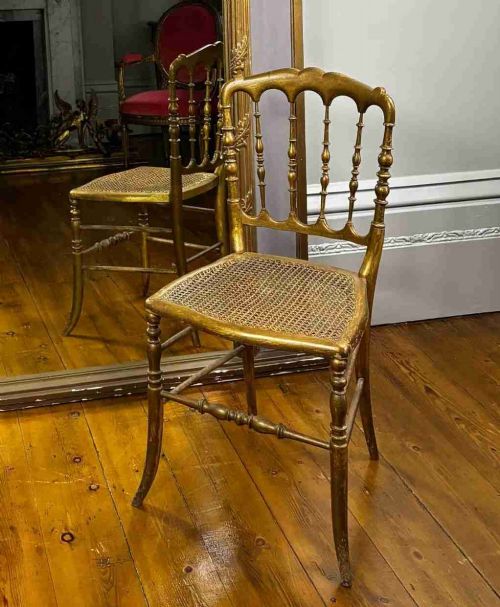
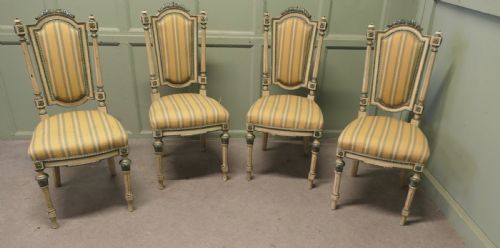
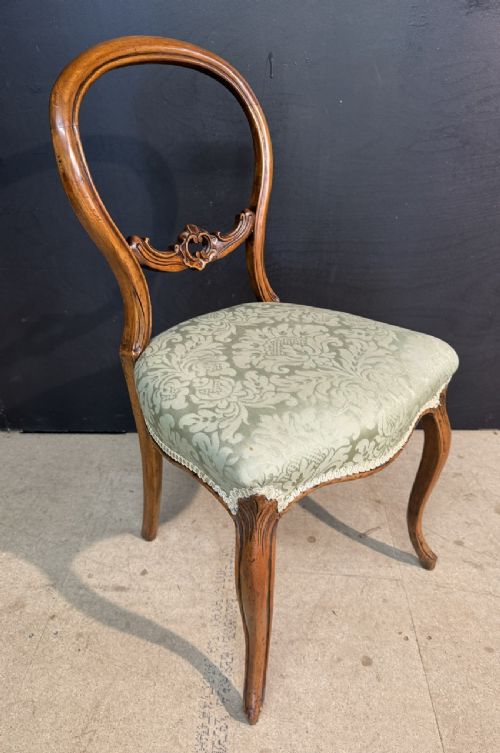
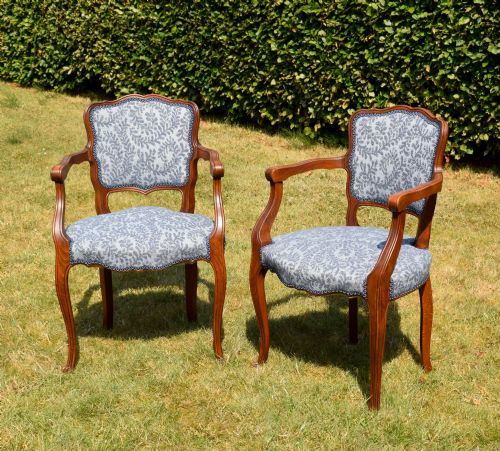
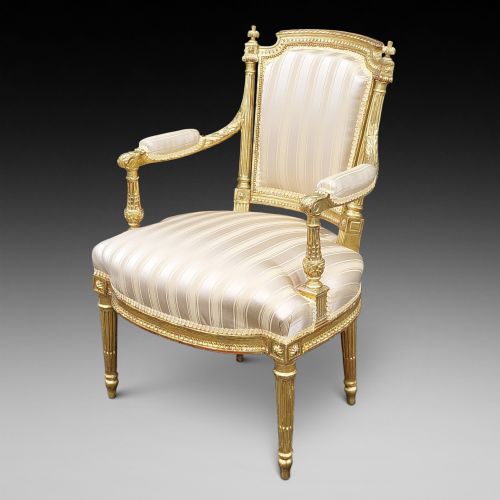
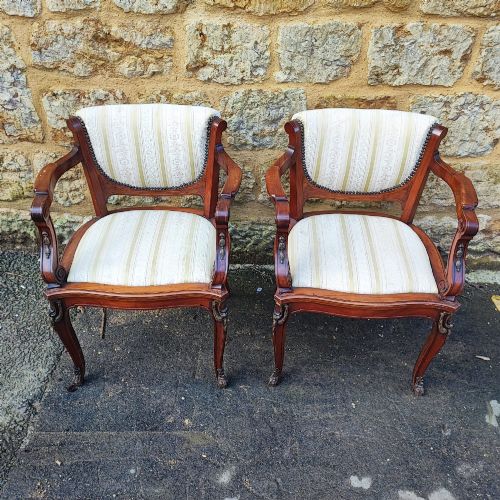
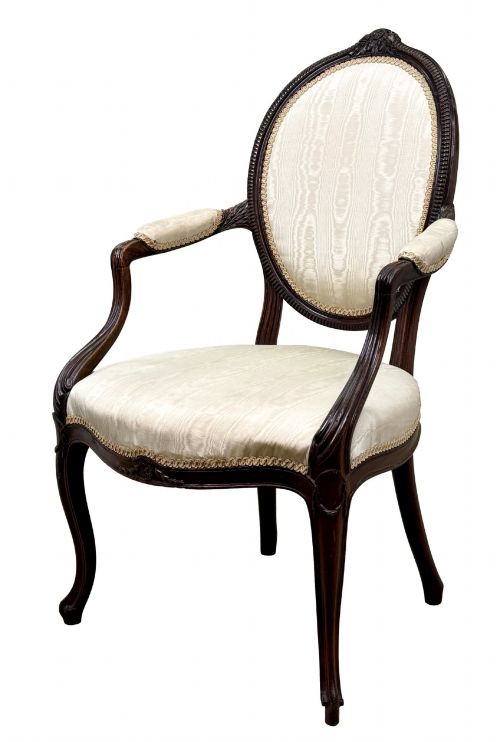
French Style Bedroom Chair
These French style bedroom chairs bring decorative seating to private quarters, combining historic continental forms with rich upholstery and carved frames.
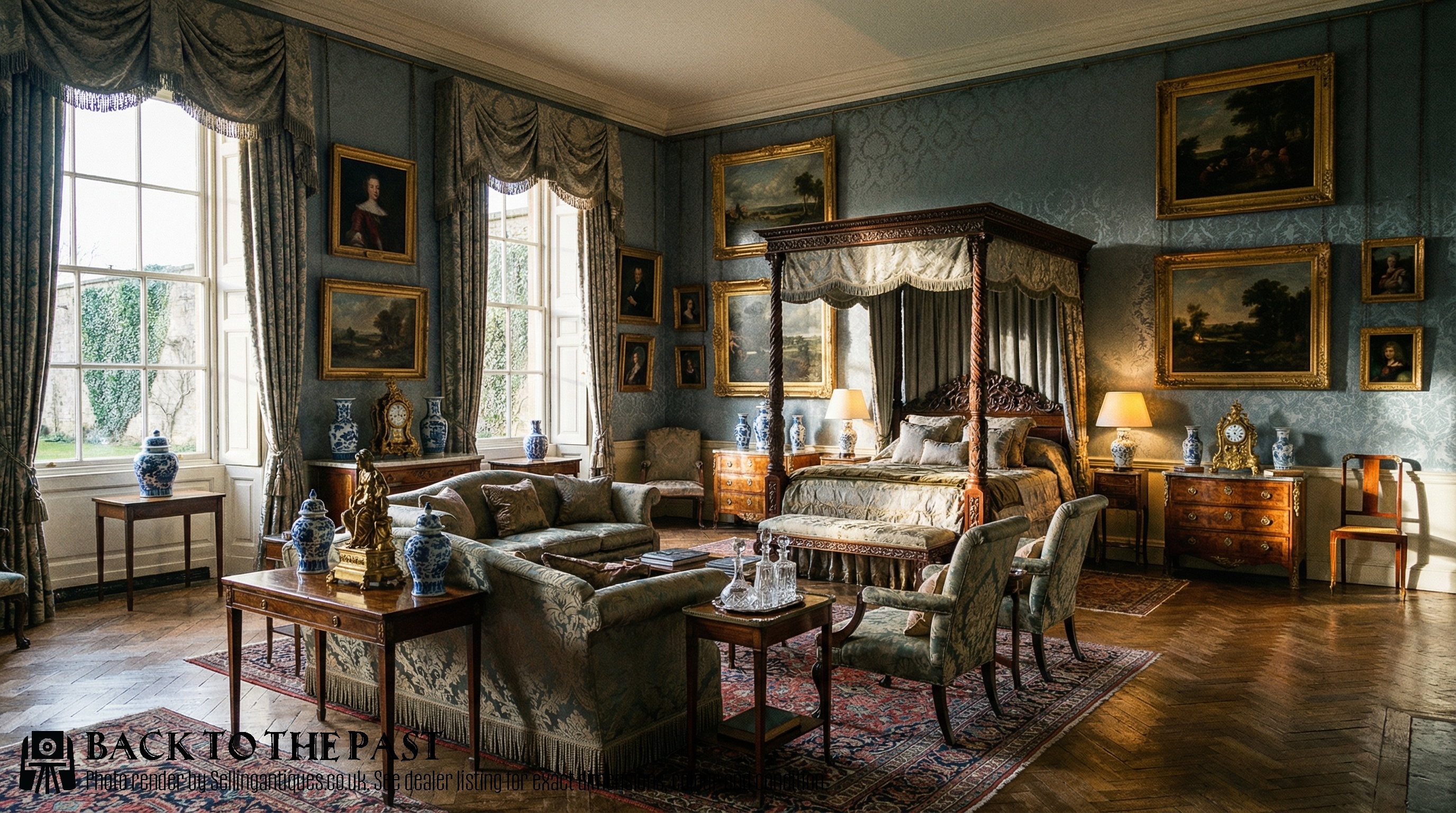
French Style Bedroom Chair
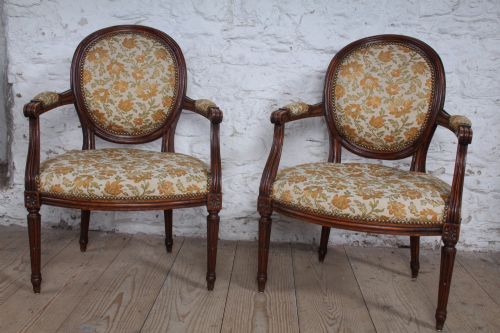
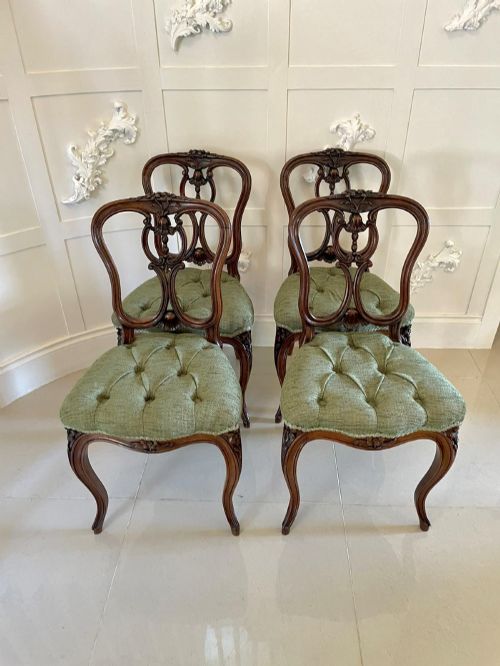
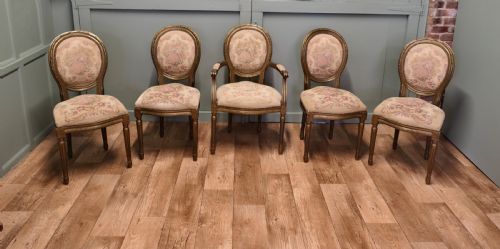
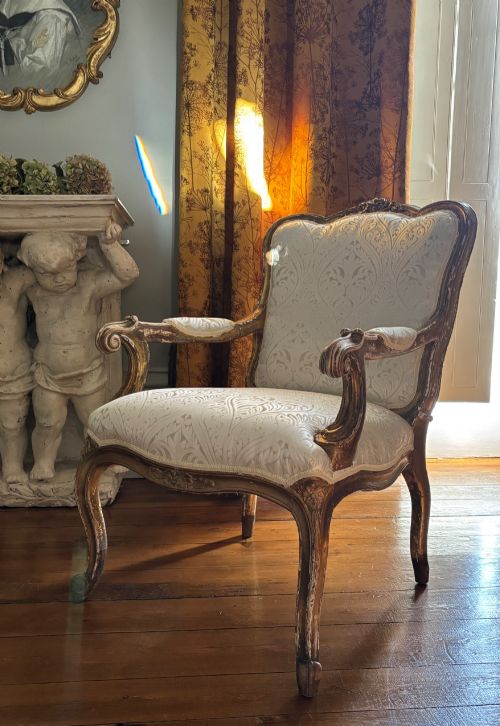
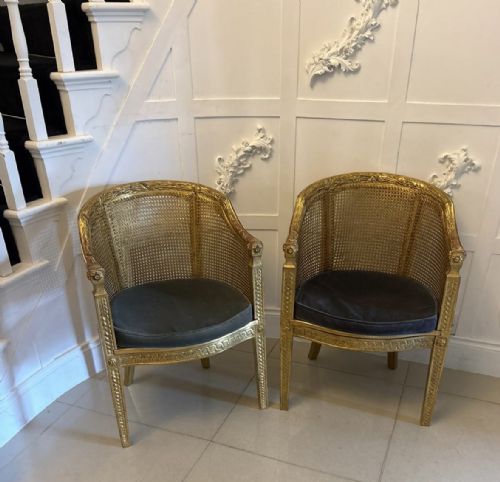
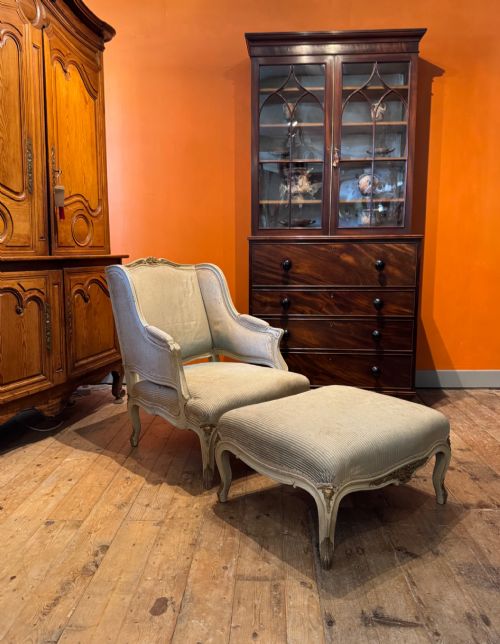
A french style bedroom chair brings refined seating into private domestic spaces, drawing on historic continental designs from the eighteenth and nineteenth centuries. The selection includes side chairs, slipper chairs, and low open armchairs alongside larger salon suites and day beds.
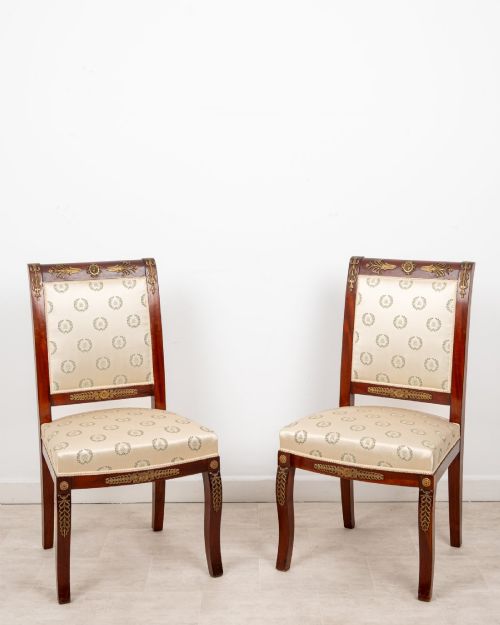
Most examples date from the nineteenth century or the early twentieth century, reflecting revivals of Louis styles, Victorian aesthetics, and Napoleon III tastes. These pieces range from intimate bedroom seating to decorative giltwood armchairs designed for formal reception rooms.
Materials and Technique
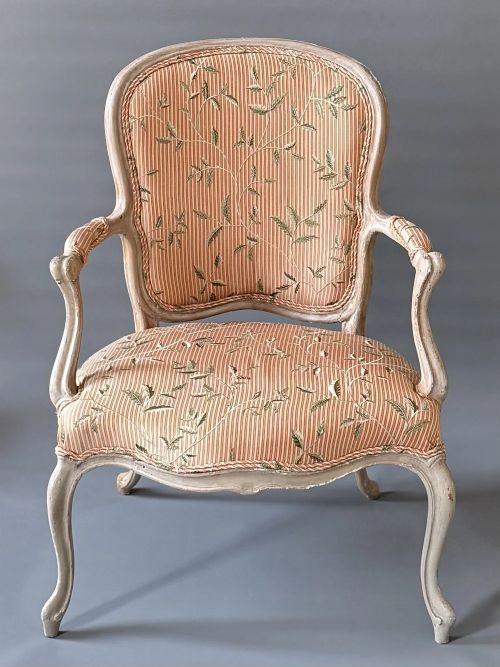
Makers shaped structural frames primarily from solid walnut, beech, and giltwood, often applying original paint or polished brass details. Carved ornamentation defines the woodwork, following classic continental curves and structural motifs.
Upholstery relies on traditional textiles including velvet, needlepoint panels, and fabric, sometimes finished with fringe or paired with caned seats. Ormolu mounts and brass accents appear on specific revival pieces to enhance the decorative surface.
Some chairs come with matching footstools, perfect for tired feet after a long day of royal court plotting.
Distinctions in Manufacture
The refinement of the carved woodwork and the crispness of the gilt or painted finish separate standard workshop output from finer examples. Deeply articulated frames and balanced proportions indicate greater care during production.
The integrity of the original upholstery, textiles, and underlying frame construction determines the overall character of each piece. Surviving original paint or untouched surface patination adds significant weight to a chair's historical interest.
Blaise Maucuy
The French Style Bedroom Chair Glossary
- Bergere
- An enclosed upholstered armchair with wooden framing around the sides and back. It typically includes a loose seat cushion resting over a upholstered base.
- Fauteuil
- An open-framed armchair with exposed wooden armrests and upholstered elbow pads. This form dates back to French court seating of the seventeenth and eighteenth centuries.
- Giltwood
- Timber coated with a thin layer of gold leaf or metallic gilt preparation. It creates a bright reflective surface popular in classical European furniture.
- Cabriole leg
- A furniture leg that curves outward at the knee and tapers inward toward the ankle, ending in a pad or foot. This line imitates the natural shape of an animal's limb.
- Ormolu
- Gilt bronze ornamentation applied to furniture frames and decorative objects. It provides metallic contrast against dark woods and painted surfaces.
French Style Bedroom Chair: Frequently Asked Questions
How do I identify a true period chair?
Examine the timber construction, joinery methods, and the tool marks left on the underside of the frame. Older pieces show hand-cut joints and material ageing consistent with historical cabinetmaking.
Compare the decorative carvings and stylistic motifs against known revival periods like the nineteenth-century Louis XV or XVI revivals. Subtle inconsistencies often point to later manufacturing dates.
Where should I place a salon chair?
These chairs suit dressing rooms, bedrooms, or small sitting areas where decorative seating enhances the room layout. Their compact proportions allow them to fit into corners or beside dressing tables.
Keep them away from direct sunlight and strong heat sources to protect delicate fabrics, giltwood finishes, and painted wooden surfaces.
Are these chairs comfortable for daily use?
Many of these pieces were designed for resting, reading, or dressing rather than prolonged lounging. Low seat heights and upright open arms provide structured support.
Consider the depth and cushion firmness of specific types like slipper chairs or tub chairs depending on your personal seating preferences.
How do I care for antique upholstery?
Vacuum textile surfaces gently using a soft brush attachment to remove dust without pulling threads. Protect delicate fabrics like velvet and needlepoint from friction and moisture.
Consult a professional restorer experienced in historic textiles if the fabric or internal stuffing requires repair or cleaning.