




Pair Vintage Cane Chairs
Pair vintage cane chairs bring lightness and texture to a room, spanning styles from Edwardian oak to French giltwood.
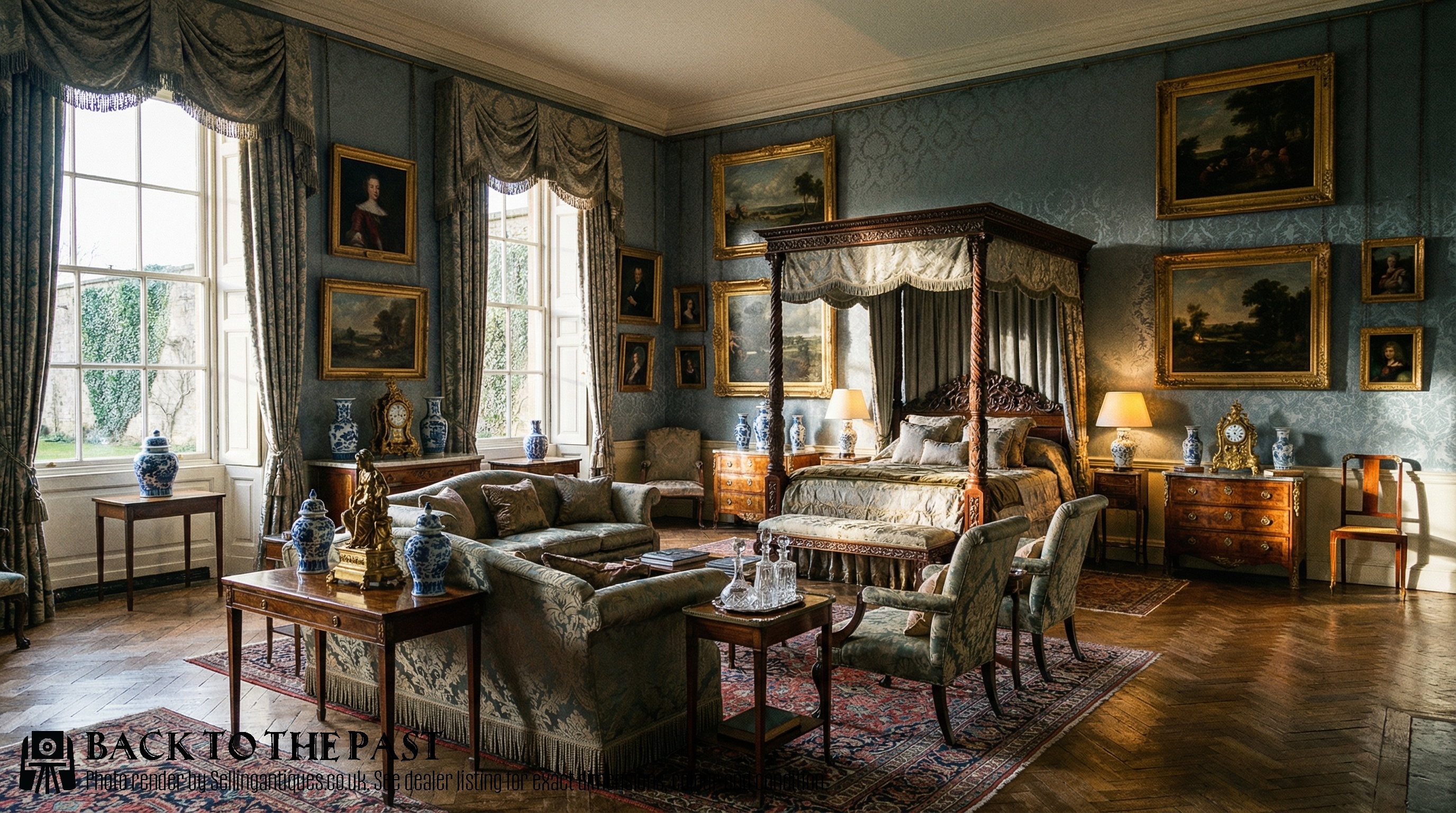
Pair Vintage Cane Chairs
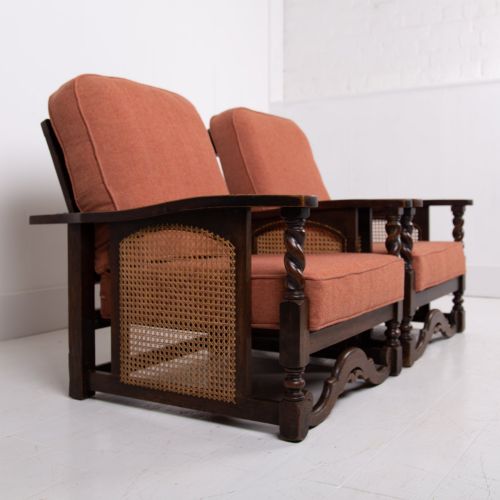
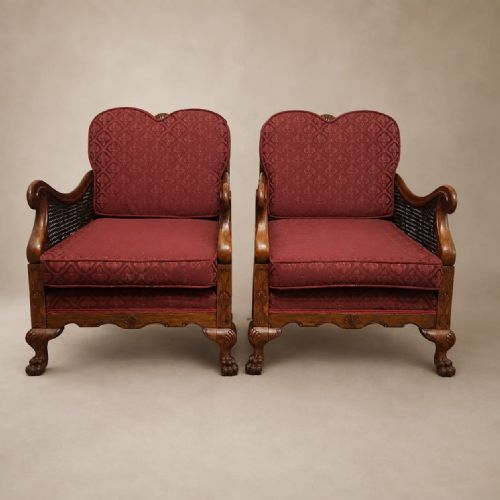
When you search for pair vintage cane chairs, you encounter seating solutions that combine woven panels with timber frames. The selection on this page centres primarily on armchairs, bergères, and side chairs originating from periods like the Edwardian era, the nineteenth century, and the 1920s.
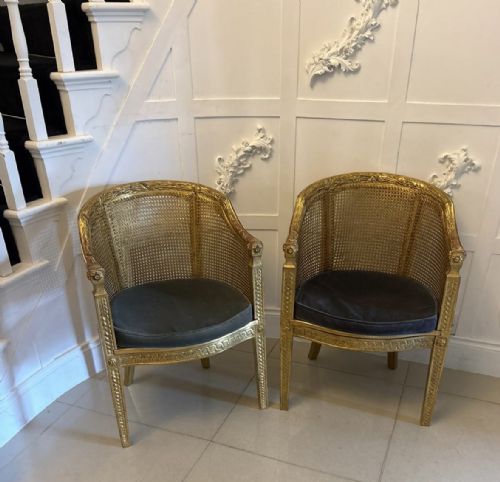
You find regional interpretations ranging from French Louis XV and XVI styles to Anglo-Indian colonial pieces in teak and rosewood. These pairings often include library armchairs, bedroom chairs, and fireside seating designed for comfort and decorative presence.
Makers and workshops utilised various frameworks, from heavy oak and walnut to painted finishes and giltwood. The woven cane or split cane panels provide a breathable, flexible backrest or seat that defines the aesthetic of each pair.
How they were made
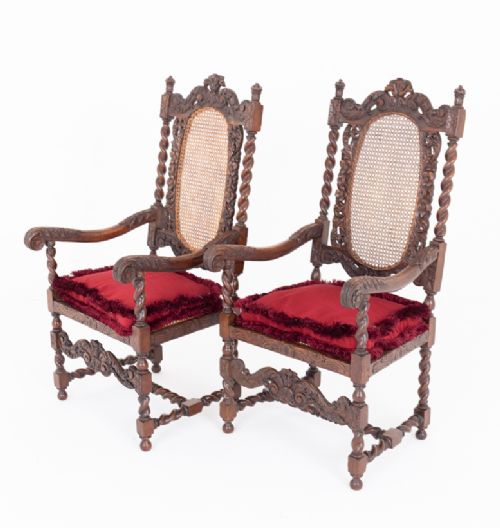
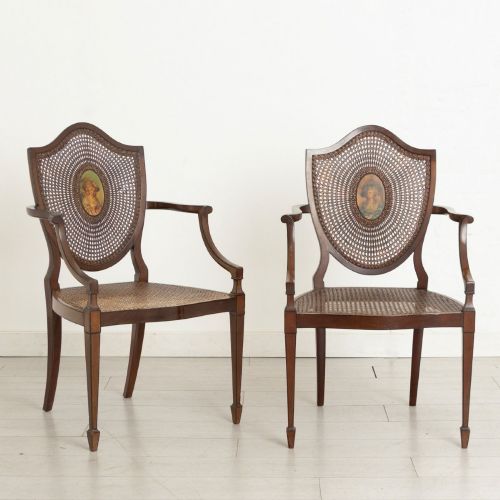
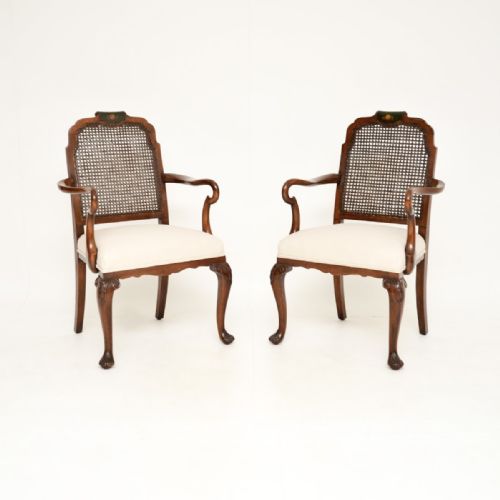
Craftsmen built the structural frameworks using hardwoods such as mahogany, walnut, oak, teak, and rosewood, frequently incorporating carved details or turned legs like barley twists. Some examples feature painted surfaces, scumble paint, or giltwood finishes applied to the timber skeletons.
The characteristic canework involves meticulous hand-weaving of split rattan or bamboo through drilled holes along the frame edges. Artisans paired these woven panels with upholstered cushions in fabric, velvet, or new materials to complete the seating.
Listings feature woods spanning oak, walnut, mahogany, teak, rosewood, and bamboo, alongside painted and gilt finishes.
What varies in quality
The integrity of the woven cane panels separates standard examples from superior ones, depending on the tightness of the weave and whether original caning remains intact. Finer pieces display crisp, deep hand-carving on the timber frames, whereas lesser examples show softer, more mechanical detailing.
The choice of primary wood and secondary framing influences the overall substance of the chair. Heavier timbers like walnut and rosewood, combined with sophisticated joinery and retained original painted or gilded finishes, elevate the standing of a pair.
Waring & Gillow·Thonet
The Pair Vintage Cane Chairs Glossary
- Bergère
- An enclosed upholstered armchair with wooden framing and cane sides and back. These seats typically accommodate loose squab cushions for comfort.
- Cane
- Strips of material derived from the rattan palm woven into open or closed patterns for chair seats and backs. This technique provides a resilient yet lightweight structural surface.
- Scumble paint
- A decorative paint technique involving translucent layers dragged or wiped across a base coat to imitate grain or texture. Victorian makers applied this to timber furniture for rustic effect.
- Lyre back
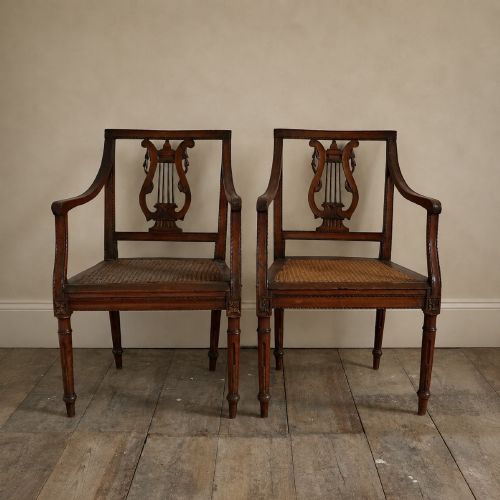
- A chair backrest shaped in the outline of a classical musical lyre, seen frequently in Regency design. This ornamental splat connects the top rail to the seat.
Pair Vintage Cane Chairs: Frequently Asked Questions
How do I care for vintage cane chairs?
Keep woven cane panels supple by occasionally wiping them with a damp cloth to prevent the natural material from drying out and snapping. Avoid placing these chairs in direct sunlight or beside intense heat sources.
Support loose cushions properly to avoid placing uneven weight directly onto the woven surfaces. Treat the wooden frames with standard furniture care suitable for walnut, mahogany, or oak.
What periods do these chairs come from?
The listings span from the nineteenth century through the Edwardian period and into the 1920s. You will also encounter specific historical revivals such as Jacobean, Regency, and French Louis styles.
Earlier examples from the Regency era use woods like rosewood and bamboo, while twentieth-century pieces often showcase Art Deco or French revival aesthetics.
Were these chairs used in dining rooms?
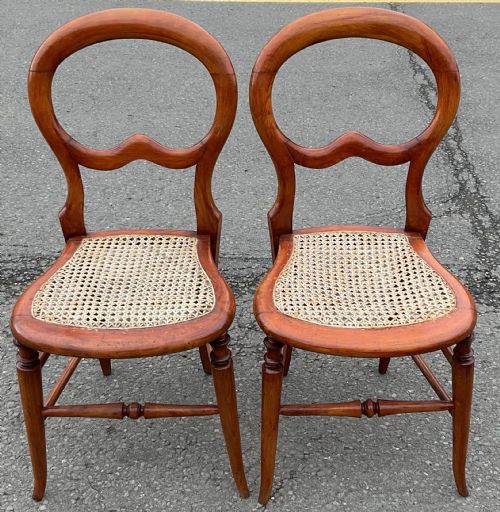
While many examples on this page are armchairs, bergères, or library seating, some listings specifically categorise pieces as dining chairs or side chairs. These smaller variants were built to sit around dining tables.
Most cane chairs in this selection, however, function as salon, bedroom, or fireside seating designed for relaxation rather than formal dining.
How do I identify French style cane chairs?
French style cane chairs from the Louis XV and XVI revivals often feature painted frames, carved medallion backs, and cabriole legs. Giltwood finishes and exposed curved woodwork are also common indicators of this influence.
These pieces emphasise decorative carving and sweeping lines compared to the stricter geometry found in English Jacobean or Arts and Crafts designs.