

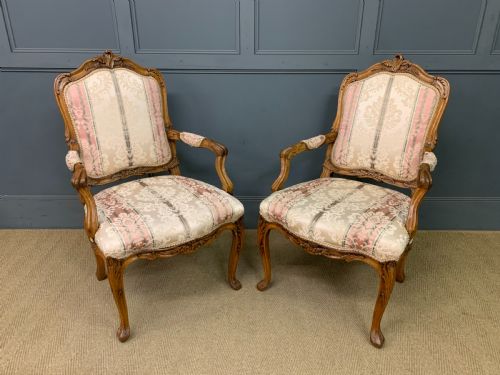
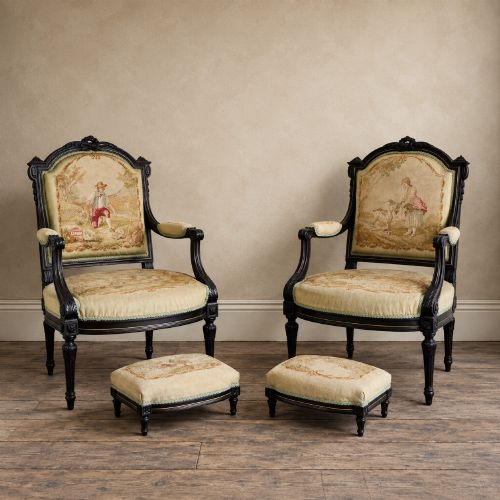
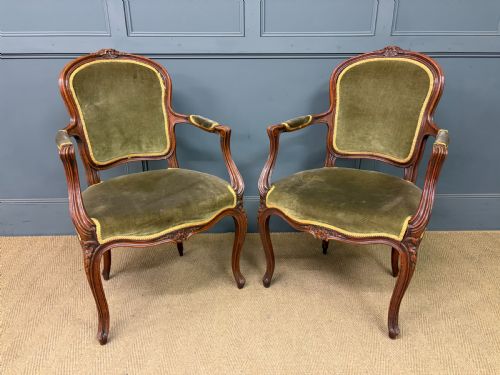
French Salon Armchairs
French salon armchairs bring formal elegance and classical carving to reception rooms through giltwood frames and historic revival styles.
French Salon Armchairs
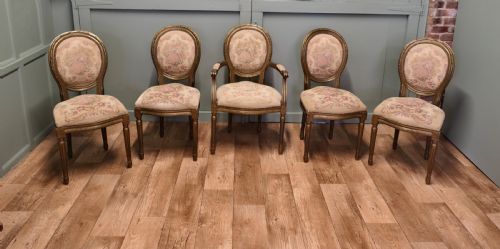
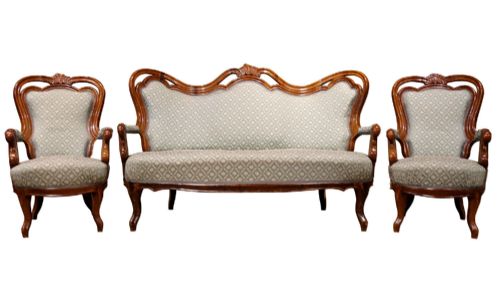
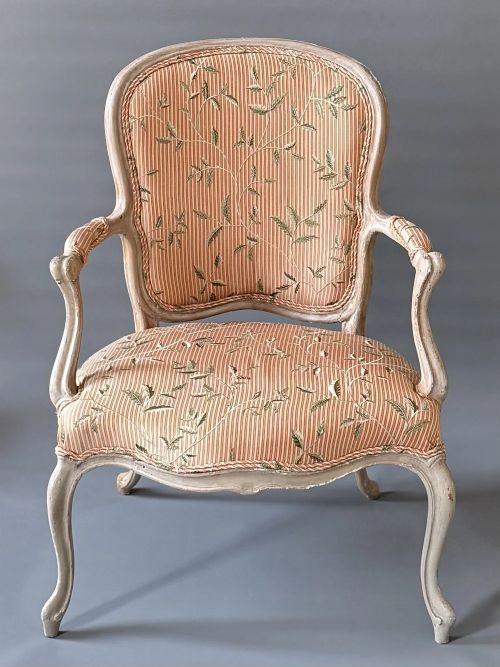
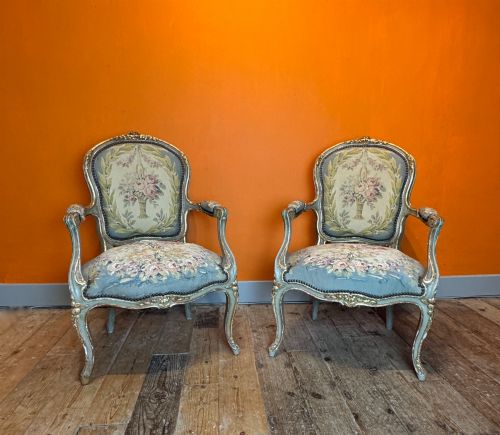
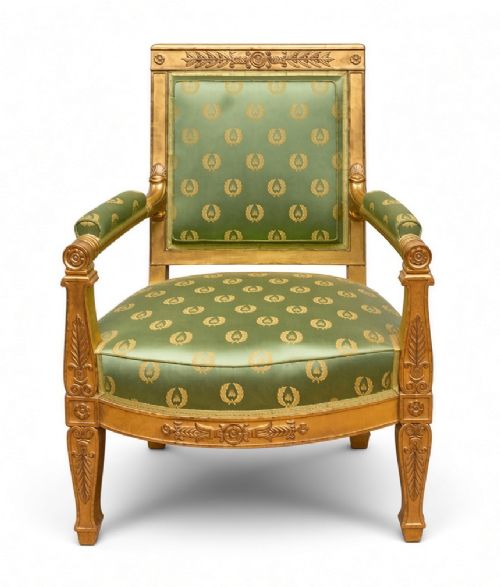
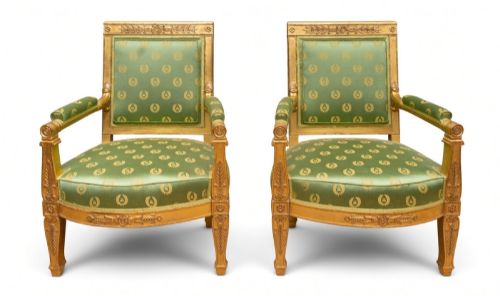
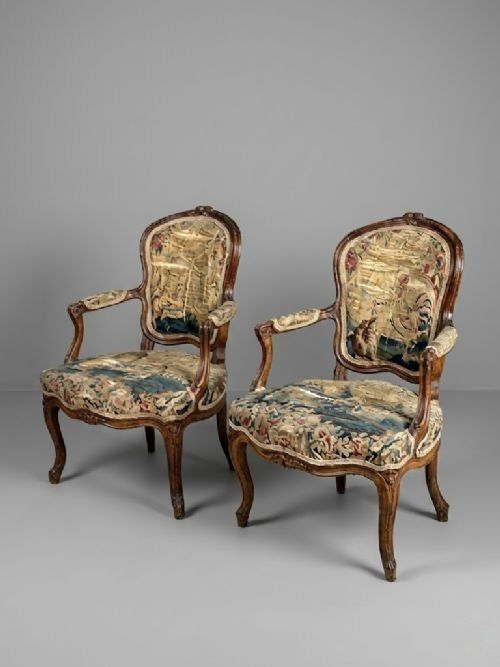
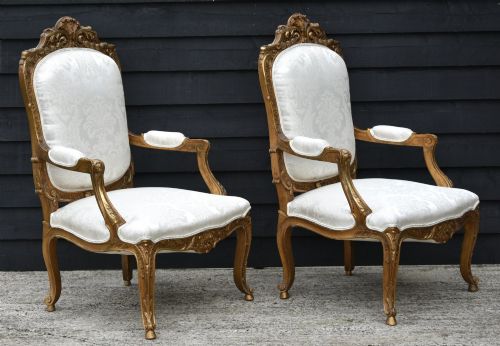
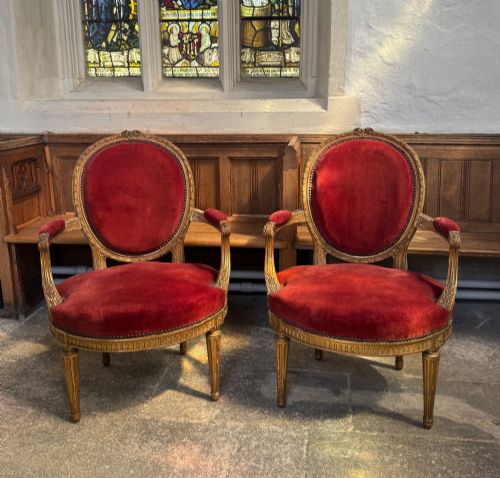
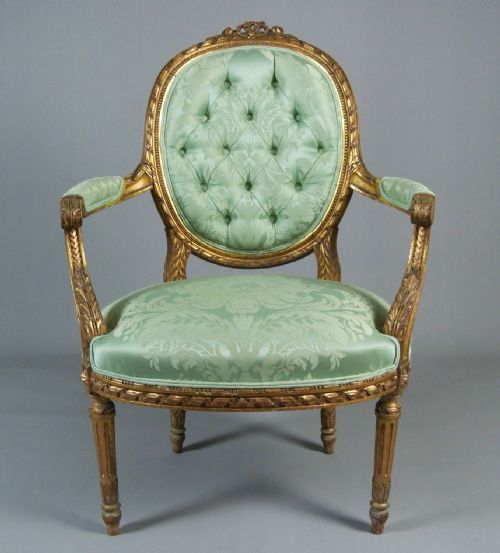
When you search for french salon armchairs, you encounter formal seating designed for historic reception spaces, spanning the eighteenth century through to the early twentieth century. These pieces predominantly reflect classical revivals such as Louis XV, Louis XVI, and Rococo styles, often appearing as matched pairs or part of larger salon suites.
How they were made
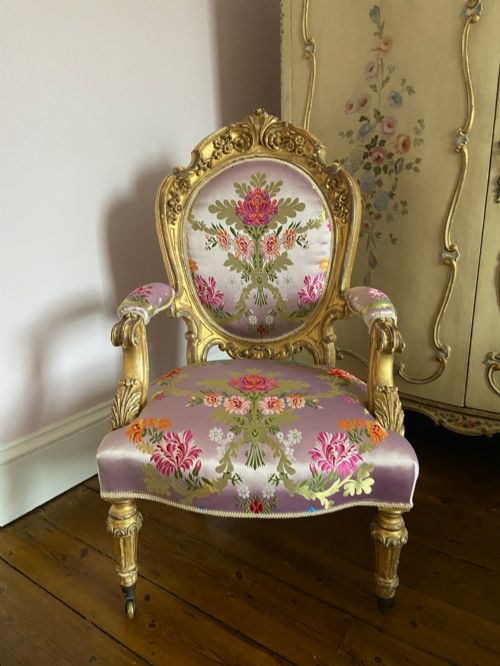
Cabinetmakers shaped structural frames from hardwoods including walnut, beech, and mahogany, applying carved ornamentation directly to the wood before finishing. Gilding or paint was applied to the timber, often combined with parcel-gilt highlights to accentuate classical motifs.
Upholstery methods utilised traditional stuffing techniques covered in textiles ranging from silk and velvet to tapestries and contemporary woven fabrics. Frames frequently relied on exposed joinery and hand-carved detailing rather than moulded components.
Listings feature eighteenth-century pieces alongside nineteenth-century revivals from 1860, 1880, 1890, and early twentieth-century dates.
What varies in quality
The standard of carving determines much of the distinction between standard production and exceptional examples, with crispness and depth in the foliage or scrollwork indicating superior craftsmanship. Fine joinery and the original integrity of the wooden frame dictate how well the structural proportions survive centuries of use.
The grade of finishing also separates tiers of production, seen in the layering of genuine leaf gilt or the subtlety of hand-mixed paint surfaces. Original textiles or period-appropriate tapestries elevate pieces further compared to later commercial re-upholstery.
Jacob Desmalter·Blaise Maucuy·Thomas Chippendale
The French Salon Armchairs Glossary
- Fauteuil
- An open-framed upholstered armchair with exposed wooden arms originating in France. These chairs typically feature padded armrests and a distinctively carved wooden chassis.
- Bergère
- An enclosed upholstered armchair featuring solid upholstered sides filled with padding or cane. This form offers a more substantial seat than an open fauteuil.
- Giltwood
- Timber that has been coated with a thin layer of gold leaf over a prepared base. It defines formal eighteenth- and nineteenth-century salon seating.
- Louis XVI Style
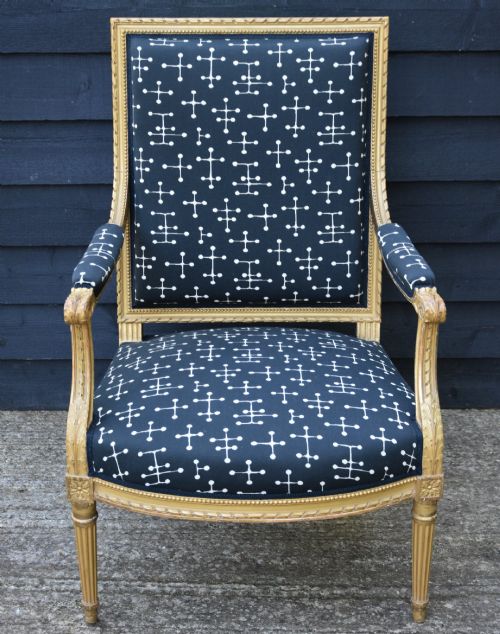
- A neoclassical design vocabulary characterised by straight tapering legs, rectangular backs, and geometric carved motifs. It draws inspiration from ancient Roman and Greek archaeology.
- Rococo Revival
- A nineteenth-century movement emulating the asymmetrical curves and naturalistic shell motifs of the mid-eighteenth century. Pieces in this style feature fluid, flowing lines.
French Salon Armchairs: Frequently Asked Questions
What is a French salon armchair?
A French salon armchair is a formal seat created for historic drawing rooms, featuring exposed carved wooden frames and classical revival ornamentation. These chairs served both decorative and social functions in reception spaces.
They encompass open-arm fauteuils and enclosed bergères, usually upholstered in silk, velvet, or tapestry. Their designs trace historic French monarchy styles through later nineteenth-century revivals.
How do I distinguish Louis XV from Louis XVI chairs?
Louis XV armchairs display asymmetrical curves, cabriole legs, and organic rococo carvings like acanthus leaves and floral sprays. The overall silhouette prioritises flowing, rounded contours.
Louis XVI armchairs shift towards straight lines, featuring fluted tapering legs, rectangular or oval backs, and classical motifs such as beading and ribbons. This neoclassical phase values symmetry and architectural restraint.
Are these chairs comfortable for daily use?
These salon chairs were engineered for formal entertaining rather than casual lounging, offering relatively upright support and firm padding. Their proportions suit formal sitting areas and bedrooms.
Many surviving pieces retain traditional stuffing or have been modernised with supportive internal upholstery during restoration. Adding custom footstools can also adjust their ergonomics for modern living.
How should I care for giltwood and antique wood?
Giltwood requires delicate handling because the gold leaf layer can flake or wear away if exposed to excess moisture or friction. Dusting should be done gently with a dry, soft brush.
Walnut and mahogany frames benefit from occasional waxing with appropriate conservation products to nourish the timber. Direct sunlight should be avoided to protect both the wooden finishes and historic textiles.