


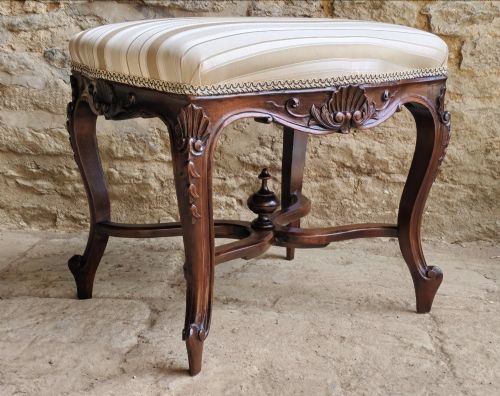


French Rococo Upholstered Bench
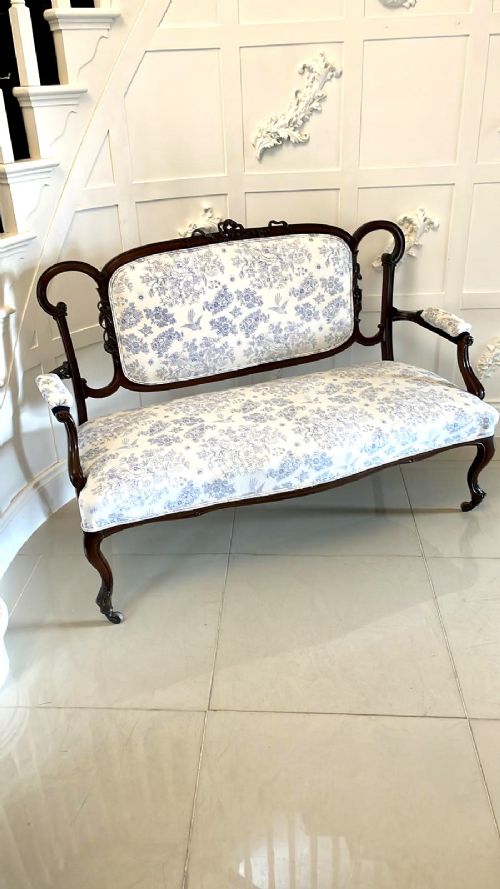
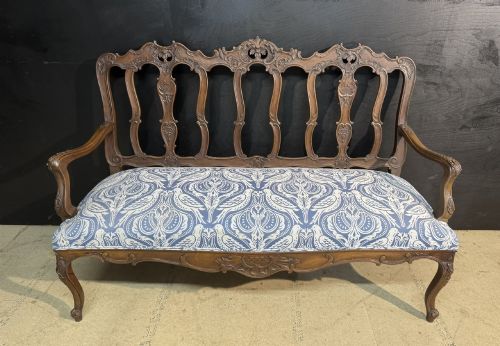
These pieces take the form of a french rococo upholstered bench, bringing curved lines and rich textiles into a room.
French Rococo Upholstered Bench
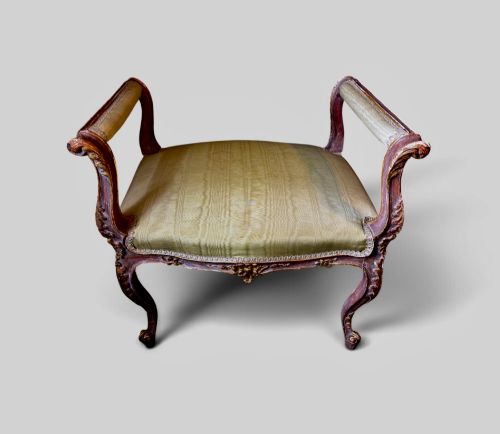
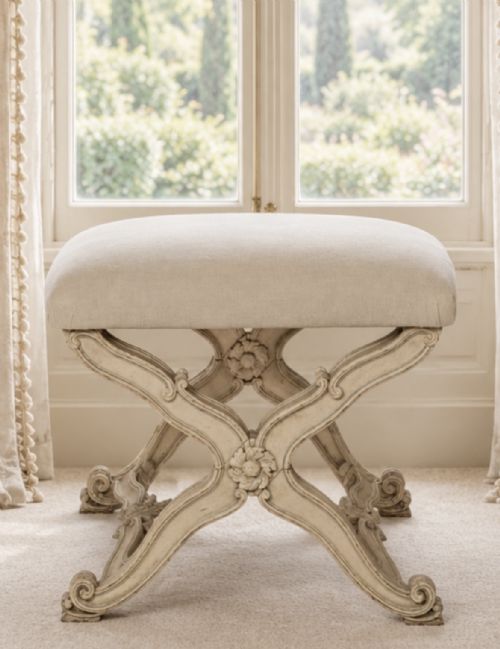
A french rococo upholstered bench brings together seating furniture built with flowing lines and decorative textiles. The selection spans long stools, window seats, and multi-seat settees.
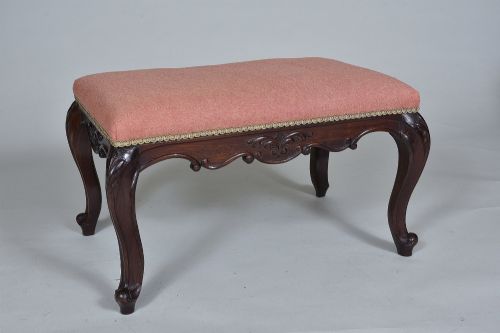
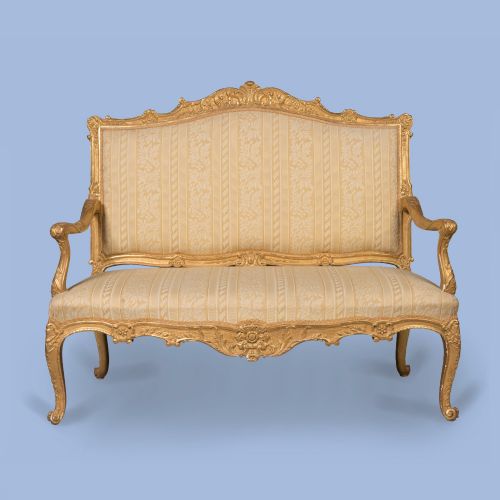
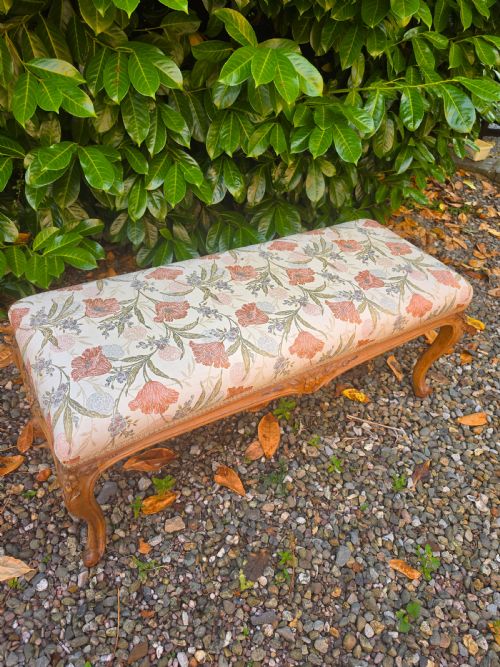
Most examples belong to the nineteenth century, drawing heavily on revival tastes and the Louis XV manner. Stools and smaller long forms appear frequently alongside larger canapés and open arm sofas.
Construction and materials
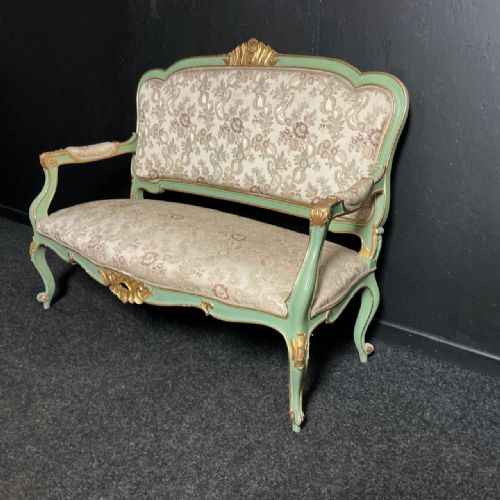
Frames rely primarily on hardwoods such as walnut and mahogany, carved with asymmetrical scrolls and leaf motifs. Many pieces employ giltwood, painted surfaces, or parcel gilding to enrich the exposed timber.
Upholstery relies on traditional textiles including silk, linen, and various decorative fabrics. Interior padding and webbing support these coverings across both compact footstools and expansive salon couches.
French Rococo Upholstered Bench Retail Price Guide 2026
Typical asking prices for french rococo upholstered bench among the pieces listed under this phrase on Sellingantiques today, from the lower quarter to the upper quarter. They describe what is for sale here now, not the wider market.
Listings feature periods spanning from the eighteenth century through the 1930s, constructed in walnut, mahogany, and giltwood.
Judging execution and finish
The depth and crispness of the hand carving separate simpler items from superior examples. Finishes also dictate quality, particularly the preservation of original gilding and painted decoration on the wooden frames.
Proportion and the handling of cabriole legs determine the visual balance of the piece. Well-executed joinery ensures the curved structural members remain stable under weight.
The French Rococo Upholstered Bench Glossary
- Canapé
- An upholstered sofa or settee designed in a formal French style. These pieces usually feature exposed carved wooden frames and open arms.
- Giltwood
- Timber treated with a thin layer of gold leaf applied over a prepared ground. It appears frequently on formal seating from the nineteenth century.
- Cabriole leg
- A furniture leg that curves outward at the knee and tapers inward toward the foot. This shape is characteristic of Louis XV and revival designs.
- Bergère
- An enclosed upholstered armchair or settee with upholstered sides. The wooden frame is typically exposed and finished with carving.
- Parcel gilt
- A decorative treatment where only specific parts of a wooden or painted surface receive gilding. This technique highlights carved details and mouldings.
French Rococo Upholstered Bench: Frequently Asked Questions
Where should I place a long stool?
These long stools suit placement at the foot of a bed or beneath a window. Their low profile keeps sightlines open in smaller reception rooms.
They also function as occasional seating in dressing rooms or hallways where a full sofa would overwhelm the floor space.
How do I care for giltwood frames?
Dust giltwood frames gently using a soft, dry brush to protect the delicate gold leaf layer. Avoid commercial polishes and moisture, which can damage the underlying preparation.
Keep the timber away from direct sunlight and heat sources to prevent the wood from drying and cracking over time.
What is the difference between a settee and a canapé?
A settee is a general term for a wide seat accommodating two or more people. The evidence shows these often feature walnut or mahogany frames.
A canapé specifically denotes a French-style sofa with an exposed carved frame following Louis XV design principles. Both terms describe elegant seating designed for formal salons.
How can I identify a revival piece?
Nineteenth-century revival pieces utilise machine-assisted joinery alongside hand carving, unlike eighteenth-century originals. Timber selection and tool marks on the interior frame help indicate the true production era.
Stylistic proportions often lean slightly heavier in nineteenth-century interpretations compared to earlier French models.