



French Rococo Table Glass
French rococo table glass brings exuberant nineteenth-century curves to interior surfaces through bevelled mirrors, enamelled vessels and clock panels.
French Rococo Table Glass
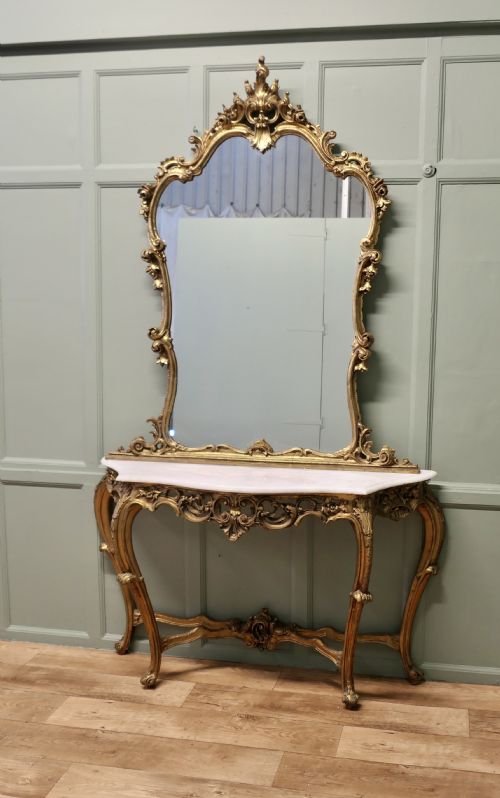
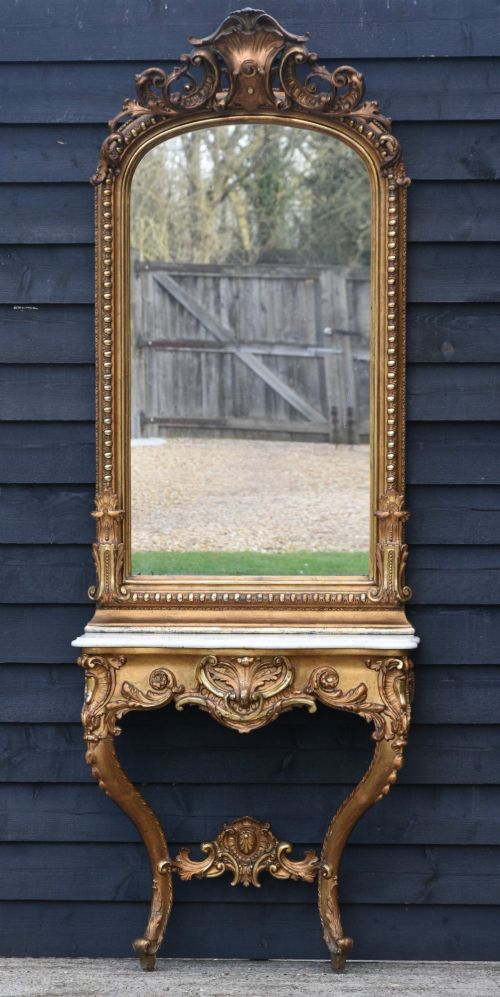
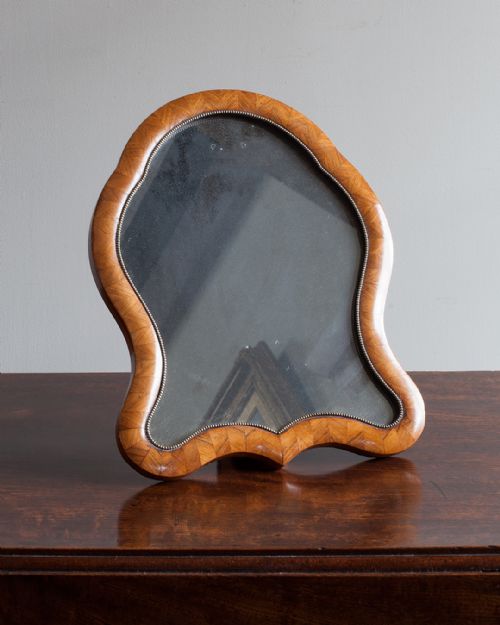
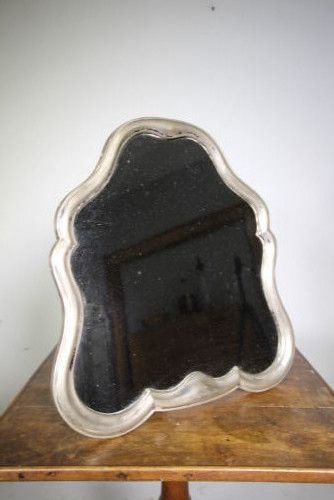
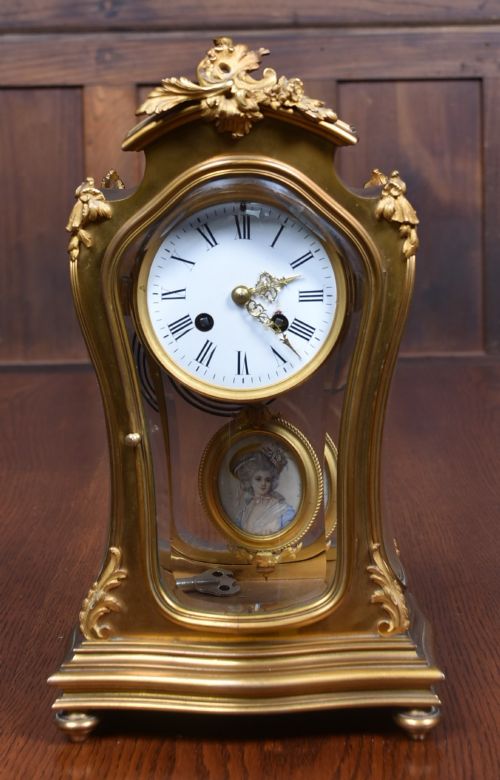
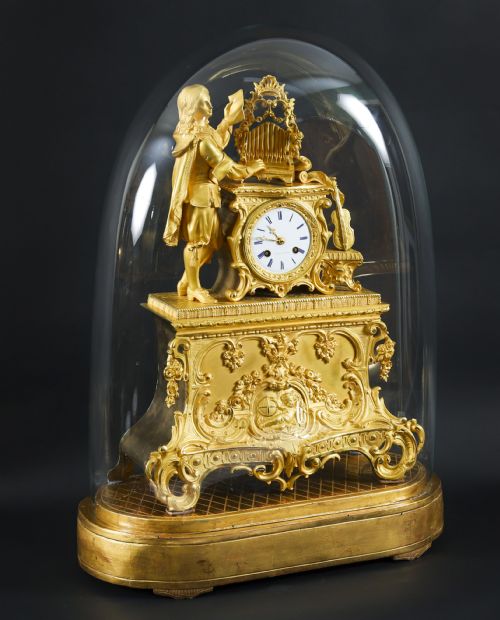
French rococo table glass covers a selection of decorative domestic items from the nineteenth and early twentieth centuries, merging ornamental metalwork with transparent or enamelled glass panels. These objects include bevelled table mirrors, four-glass mantel clocks, and display pieces set upon giltwood or ormolu frames.
Most examples date from the 1860s through the Edwardian period, often styled in revival forms inspired by Louis XV aesthetics. Buyers encounter console mirrors, bijouterie tables, and table lamps featuring blue glass bodies or intricate silver deposit decoration.
The objects serve primarily as decorative focal points for interior surfaces, combining reflective glass with cast bronze, brass, and carved wood. Surviving pieces demonstrate the period preference for asymmetrical cartouches, scrolling foliage, and pierced mounts.
Materials and construction
Makers combined blown or bevelled glass panels with cast metal mounts in brass, ormolu, and gilt bronze, securing components with threaded pins and screws. Structural frames utilised kingwood, walnut, and carved giltwood to support heavy glass inserts and porcelain elements.
Decorative surfaces frequently employed hand-painted enamel, silver deposit techniques applied directly to blue porcelain or glass grounds, and mercury gilding. Mantel clocks and table mirrors required specialised glassblowing for domes and precise bevelling for reflective plates.
Materials documented across the inventory include brass, kingwood, porcelain, and hand-blown glass domes.
Factors of quality
Quality rests in the crispness of the chased ormolu mounts and the depth of the hand-carving on the supporting giltwood or timber frames. Finer pieces display sharply cast scrollwork, substantial gauge brass, and thick, clear glass plates free from distortion.
The integration of signed miniature paintings, porcelain plaques from factories like Sevres, or marked clock movements by makers such as Samuel Marti elevates the standard of an item. Superior joinery in bijouterie tables and undamaged original hand-blown glass domes distinguish better examples from simpler production.
Samuel Marti·Jean Gille·Joseph Meissonnier
The French Rococo Table Glass Glossary
- Ormolu
- Gilded bronze used extensively for decorative mounts on nineteenth-century French furniture and clocks. The technique involves applying a mercury and gold amalgam to a bronze base before firing.
- Bijouterie table
- A glass-topped display table designed to showcase small valuable items, medals, or trinkets. These pieces often feature hinged lids and velvet-lined interiors.
- Silver deposit
- A decorative process where silver is electrochemically bonded to a glass or porcelain surface in ornate patterns. It appears frequently on nineteenth-century dressing items and blue glass vessels.
- Four-glass clock
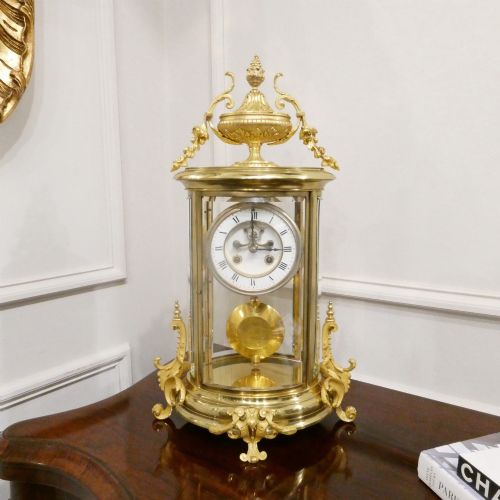
- A mantel clock housed in a brass or gilt-bronze frame with glass panels on all four sides to expose the movement. These clocks often incorporate mercury pendulums and enamel dials.
- Consoles and pier glass
- A wall-mounted console table paired with a matching tall mirror designed to sit between windows. They typically feature heavy rococo revival carving and gilt finishes.
French Rococo Table Glass: Frequently Asked Questions
How do I clean antique glass and ormolu?
Dust surfaces gently with a soft, dry brush to prevent abrasive particles from scratching the metal gilding or glass. Avoid harsh chemical cleaners that can strip ormolu or damage delicate silver deposit work.
For glass panels, use a microfibre cloth lightly dampened with distilled water. Ensure moisture does not seep into the joints of antique wooden frames or clock mechanisms.
Are these glass items suitable for daily use?
Most of these pieces are decorative or display items intended for careful placement on mantelpieces, side tables, or dressers. Bijouterie tables and table mirrors function well for holding light accessories.
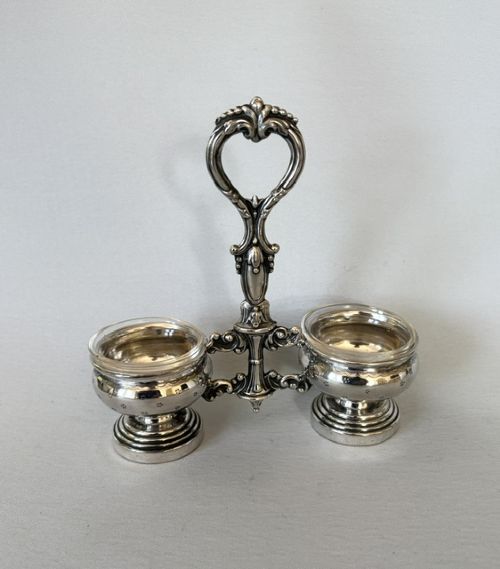
Due to their age and delicate construction, items like glass lamps and condiment stands require gentle handling. They are best kept away from high-traffic areas where they might be knocked.
How do I identify nineteenth-century rococo revival style?
Look for characteristic motifs such as C-scrolls, asymmetric cartouches, naturalistic floral garlands, and shell forms. The style draws inspiration from mid-eighteenth-century French design but employs nineteenth-century manufacturing methods.
Heavy cast ormolu mounts, bevelled mirror plates, and rich timber veneers like kingwood or walnut typically accompany these revival pieces. Look at the construction joints and backboards to confirm the period.
Why do some table lamps have lustres?
Lustres are cut-glass pendants hung from the arms of lamps or candelabra to refract candlelight or electric illumination. They became popular during the nineteenth century to enhance the sparkle of reception rooms.
Makers suspended them from brass or gilt-metal rings around the burner or collar. Their presence adds to the decorative complexity typical of the period.