


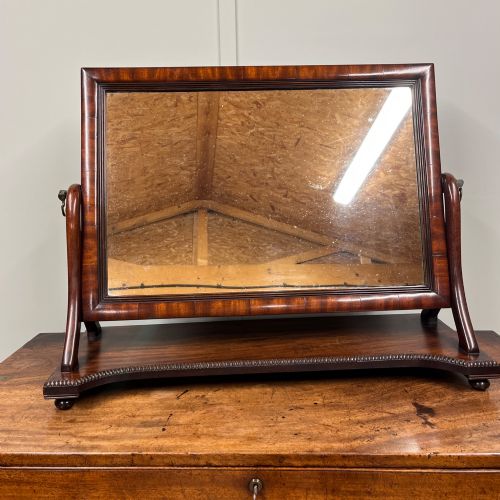


19th Century Freestanding Mirror
A 19th century freestanding mirror brings functional elegance to a room, offering adjustable glass framed in rich period timbers.
19th Century Freestanding Mirror
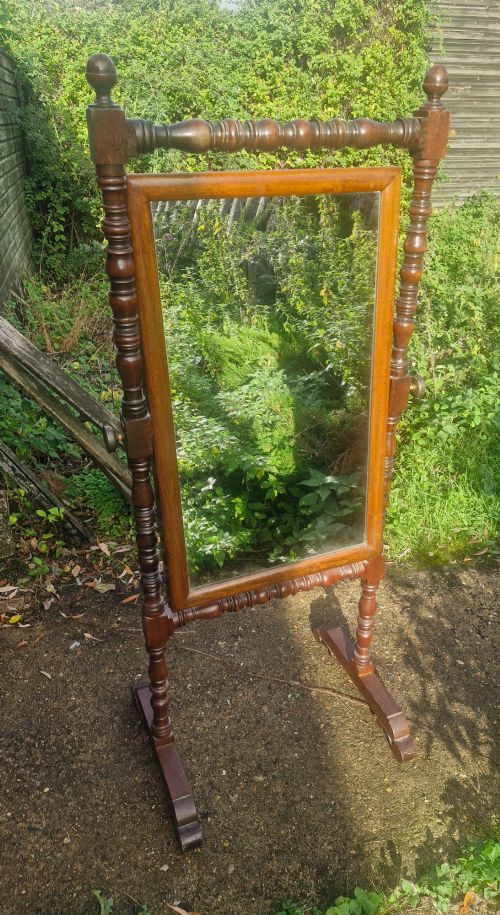
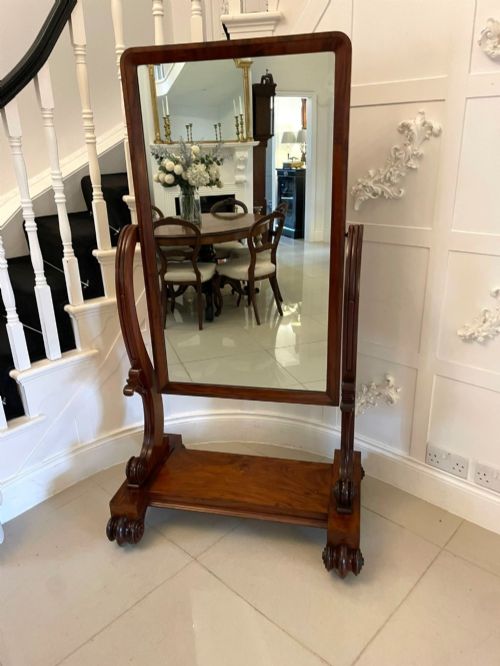
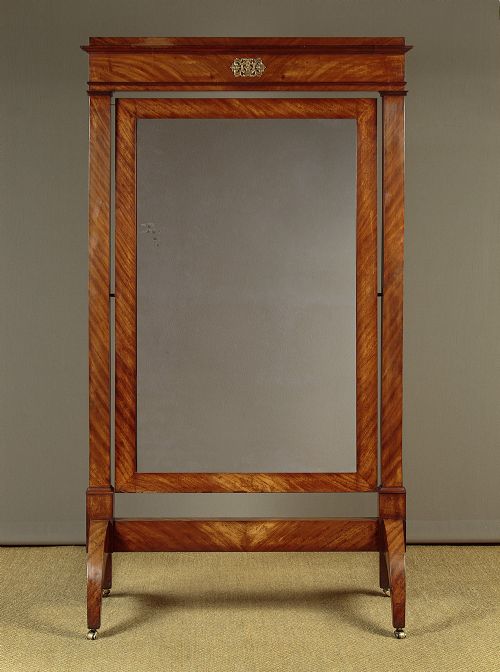
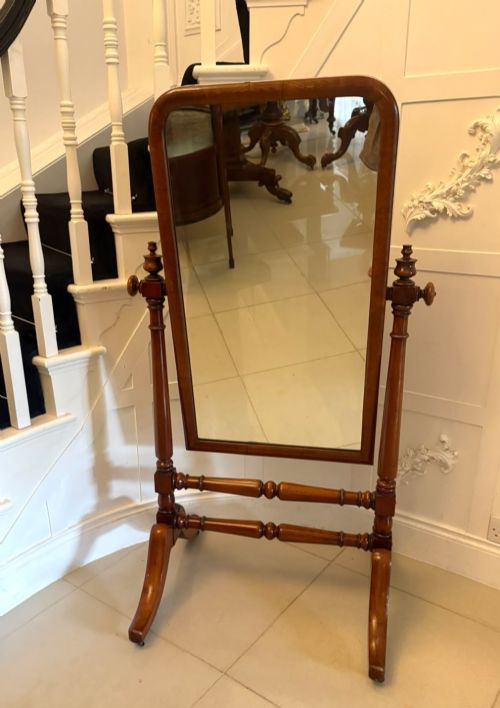
When searching for a 19th century freestanding mirror, buyers encounter a diverse selection of pieces designed to stand independently on floors, tables, or dressing surfaces. These objects include large cheval mirrors intended for full-length viewing, alongside smaller toilet, table, and shaving mirrors meant for surfaces.
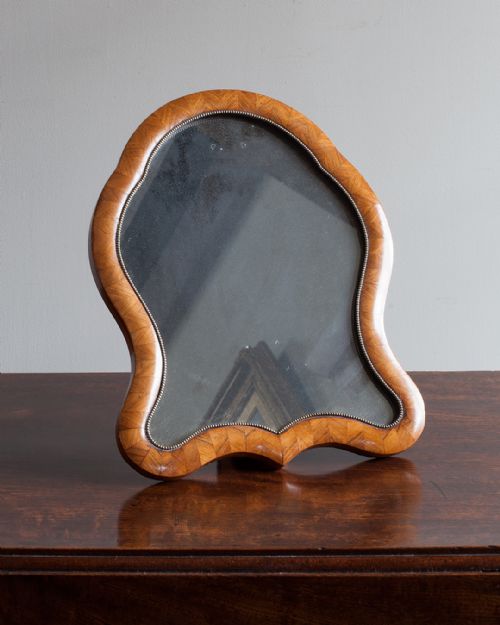
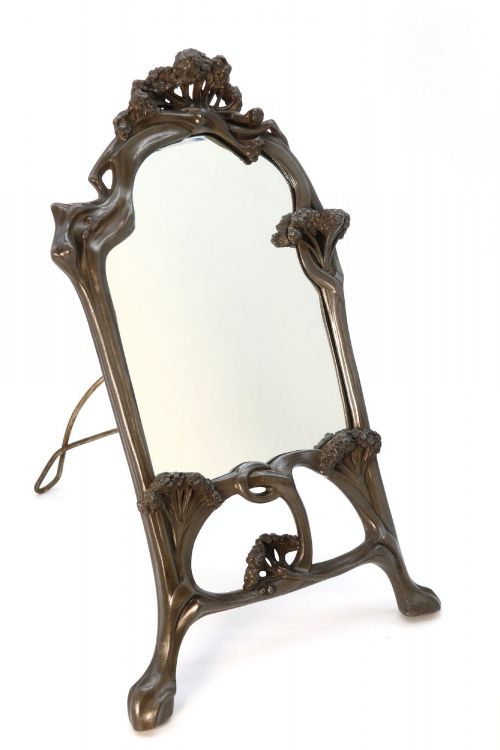
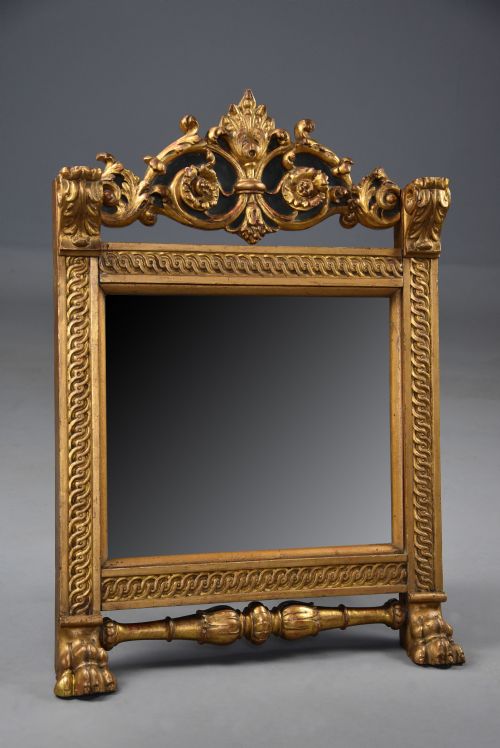
The versions most commonly met on this page span the Victorian and Regency eras, with frequent appearances of cheval mirrors and dressing glass variants. Frames take various forms, from simple mahogany swing designs to elaborate French Rococo Revival and Art Nouveau creations.
Origins and periods represented stretch across the nineteenth century, capturing styles such as French Empire, William IV, and Renaissance Revival. Form follows function closely, as these mirrors were built to assist with personal grooming and to reflect light into period interiors.
Materials and Construction Methods
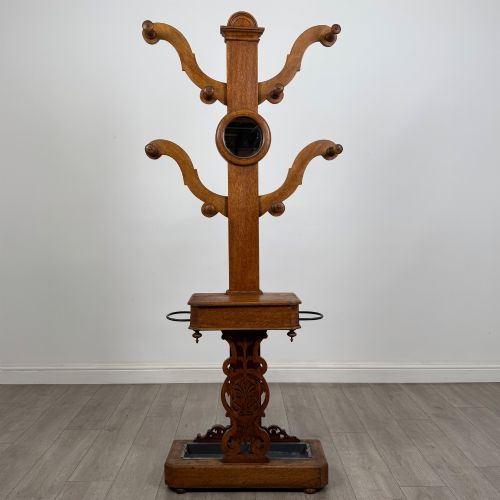
Makers utilised timber predominantly, with mahogany appearing most frequently alongside satin birch, kingwood, pitch pine, satinwood, oak, and cherrywood. Giltwood and cast iron also support specific stylistic expressions, particularly within revival pieces.
Metal components such as brass provide functional hardware, including sabots, castors, and adjustable pivots that allow the mirror glass to tilt. Pewter finds use in sculptural table mirror frames from the later part of the century.
Glass forms the reflective surface, held within carved or turned frames supported by sturdy stands, trestles, or sabre legs. Construction methods rely on traditional joinery suited to supporting the weight of pivoting glass frames.
Listings feature woods including mahogany, kingwood, satin birch, pitch pine, satinwood, oak, and cherrywood.
Distinctions in Quality and Execution
The distinction between standard examples and the finest pieces rests upon the selection of timber and the sophistication of the carving. Flame mahogany veneers, intricate giltwood ornamentation, and finely turned supports elevate certain mirrors above simpler utility items.
Mechanical execution also separates pieces, visible in the smooth operation of adjustable tilt mechanisms and the quality of brass castors and sabots. Robust framing that supports heavy mirror glass without warping demonstrates superior cabinetmaking skill.
Louis Auguste Moreau
The 19th Century Freestanding Mirror Glossary
- Cheval mirror
- A tall freestanding mirror supported on a frame with four legs or a trestle base, designed to tilt for full-length reflections. These large mirrors became popular in bedrooms and dressing rooms during the nineteenth century.
- Toilet mirror
- A smaller mirror mounted on a small stand or drawers, designed to sit on top of a dressing table or chest. They often feature a swing glass mechanism held between upright pillars.
- Sabot
- A metal shoe or cap fitted to the foot of a leg, commonly made of brass to protect the timber and add decorative contrast. They frequently appear on Regency and Victorian furniture designs.
- Giltwood
- Timber that has been coated with a thin layer of gold leaf or gesso preparation. This finish appears on decorative revival frames and ornate table mirrors.
19th Century Freestanding Mirror: Frequently Asked Questions
What is a cheval mirror?
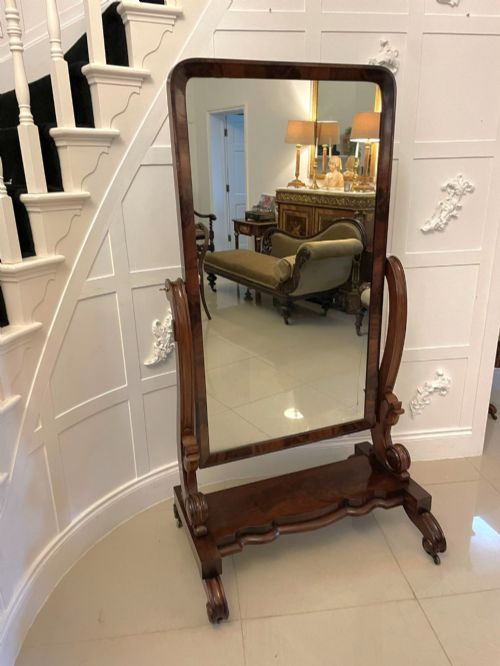
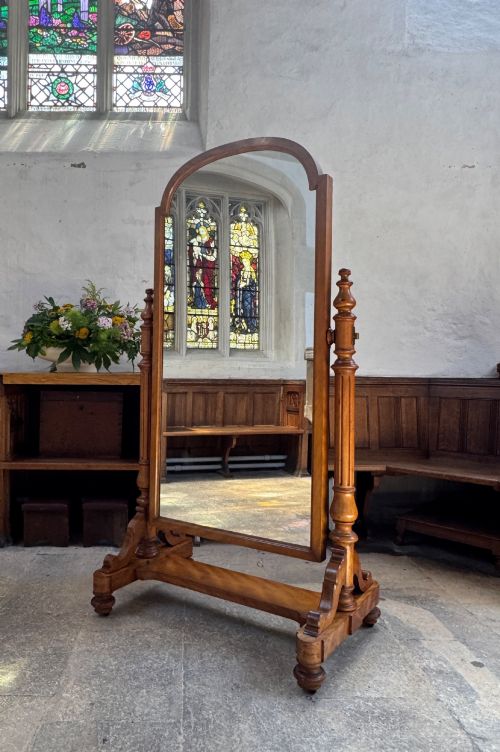
A cheval mirror is a tall freestanding dressing glass supported by a frame with vertical pivots, allowing the mirror plate to swing. This design permits a full-length view of attire.
First gaining widespread popularity in the Georgian and Regency periods, these mirrors remained essential furnishings throughout the Victorian era.
How do I use a table mirror?
A table mirror sits upon a chest of drawers, dressing table, or vanity surface to assist with close grooming and personal dressing. Many incorporate small box bases or drawers for storage.
Positioning them near a light source maximises their reflective utility in smaller bedrooms or dressing spaces.
What is a shaving stand?
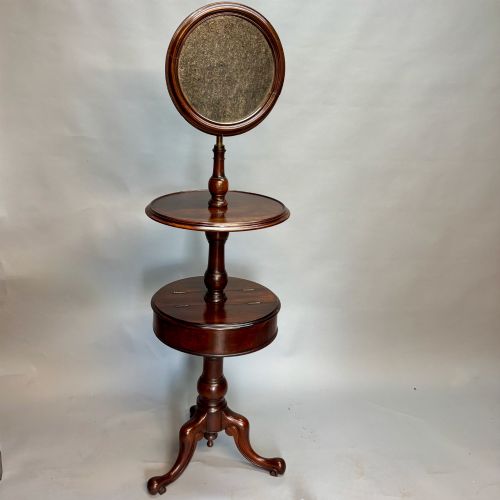
A shaving stand is a specialised piece of functional furniture featuring an adjustable mirror combined with surfaces for grooming equipment. They were built for daily personal routines in gentlemen's dressing rooms.
Examples from the nineteenth century often utilise mahogany and include telescopic mechanisms to alter the height of the glass.