


French Rococo Sofa
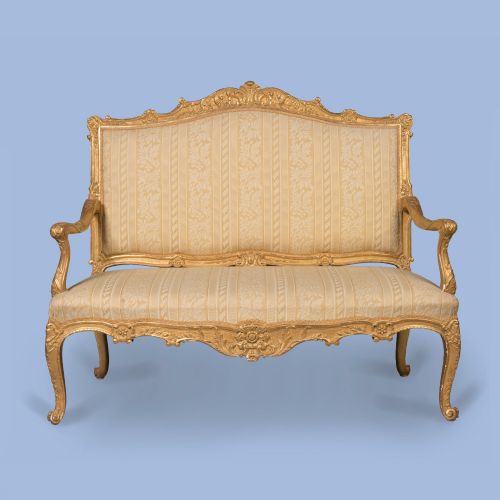
A french rococo sofa brings serpentine lines and rich carving into a room, offering seats designed with flowing asymmetrical forms.
French Rococo Sofa
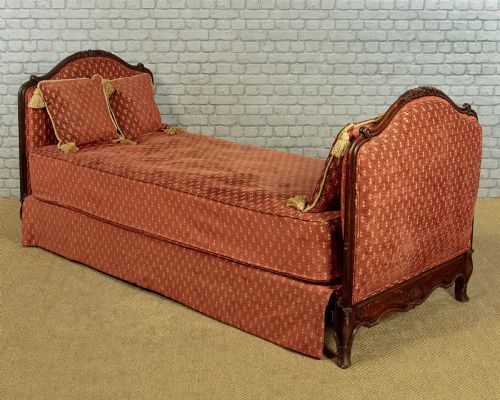
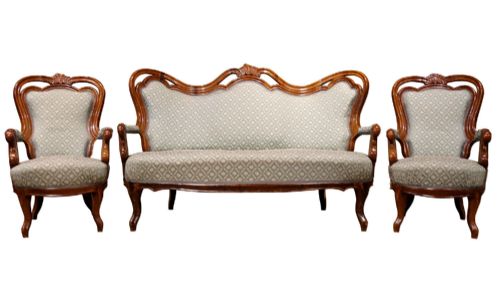
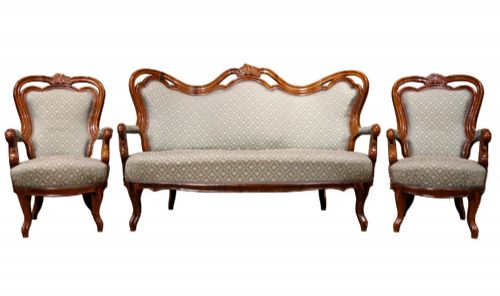
Buyers seeking a french rococo sofa encounter pieces spanning the nineteenth century alongside revival items from the early twentieth century. The selection includes multi-seat couches, daybeds, and matching salon suites created in styles such as Louis XV and Rococo Revival.
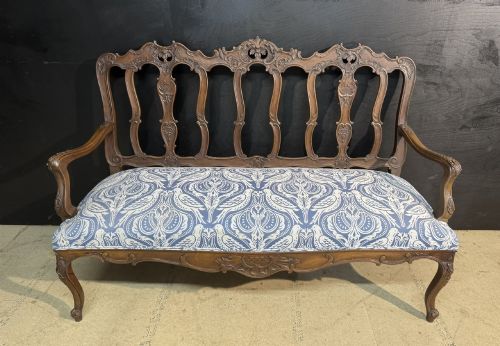
Most examples appear as carved wood frames upholstered in various fabrics or fitted with cane panels. Formats range from large three-seater settees to compact window sofas and chaise longues.
Materials and Construction
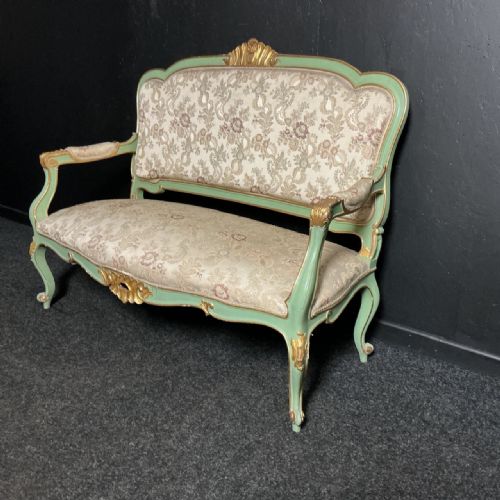
Frames are constructed predominantly from walnut, mahogany, and other hardwoods, often finished with giltwood or paint. Artisans shaped these timbers through intricate carving to produce the characteristic curved profiles and ornamentation.
Upholstery relies on traditional textiles, silk, and modern replacement fabrics secured over sprung or padded seating bases. Caned panels also appear on specific chair and settee backs.
The listings combine walnut, mahogany, and giltwood frames with textile and cane upholstery across nineteenth and early twentieth-century periods.
Assessing Craftsmanship
Quality rests in the crispness of the wood carving and the depth of the gilt or painted finish applied to the frame. Superior items display fluid, hand-carved details without stiffness in the scrolling foliage.
Proportion and structural rigidity dictate the standing of a piece, particularly where joinery meets curved supports. Original upholstery methods and well-preserved cane work add distinction to surviving examples.
The French Rococo Sofa Glossary
- Canapé
- An upholstered sofa with a decorative wooden frame, typically featuring an exposed carved back and legs. These items form a central part of formal nineteenth-century seating arrangements.
- Louis XV Style
- A design aesthetic characterised by asymmetrical curves, scrollwork, and natural motifs like leaves and flowers. This vocabulary defines the core appearance of rococo seating.
- Bergere
- An enclosed upholstered armchair or settee with solid wooden sides and a padded seat. The back often incorporates exposed wood framing or canework.
- Salon Suite
- A matched set of seating furniture, commonly comprising a small sofa and accompanying armchairs. These groupings were made for formal reception rooms.
- Giltwood
- Timber treated with a thin layer of gold leaf or gilt finish. This treatment highlights the carved details on formal nineteenth-century frames.
French Rococo Sofa: Frequently Asked Questions
How do I date a french rococo sofa?
Dating relies on examining the timber species, construction methods, and tool marks visible on the underside of the frame. Nineteenth-century pieces often show hand-tooling, while later revivals may display twentieth-century manufacturing techniques.
Style names provided in the listing titles also offer guidance, distinguishing mid-nineteenth-century items from early twentieth-century revival pieces.
Can I use these sofas daily?
These pieces function well for everyday seating provided the internal frame and upholstery webbing remain sound. Professional assessment of the joints ensures the antique structure supports regular use.
Placing the sofa away from direct sunlight protects both the wooden finish and the textile upholstery from fading.
What is the difference between a settee and a canapé?
A settee generally refers to a wide seat for two or more people with upholstered back and arms. A canapé specifically denotes a formal French-style sofa with an exposed carved wooden frame.
Both forms utilise similar curving lines derived from eighteenth-century design precedents.
How do I care for giltwood frames?
Giltwood surfaces require gentle dusting with a dry, soft cloth to prevent abrasion to the delicate gold leaf layer. Moisture and chemical cleaners damage the historical finish.
Keeping the furniture away from direct heat sources prevents the underlying wood and gesso from cracking.