

French Rococo Painting
French rococo painting brings light pastoral scenes and elegant portraiture into a room through surviving canvases from the eighteenth and nineteenth centuries.
French Rococo Painting
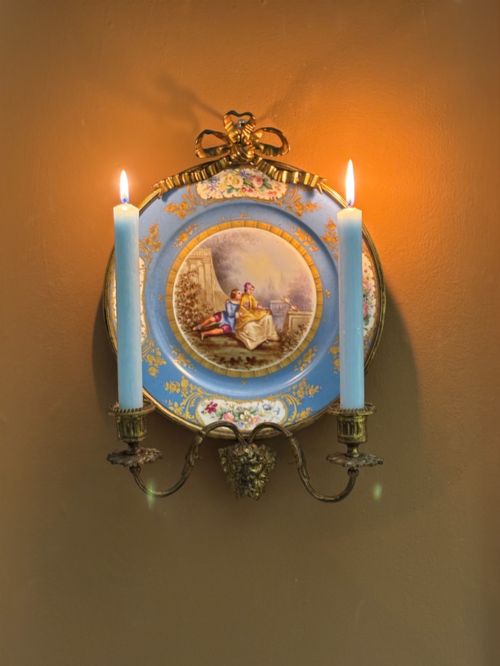
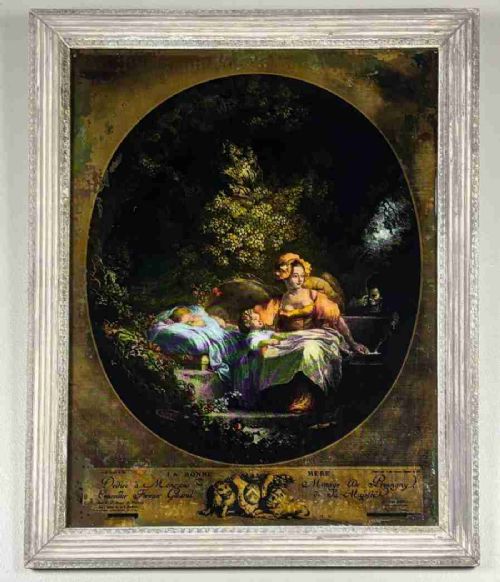
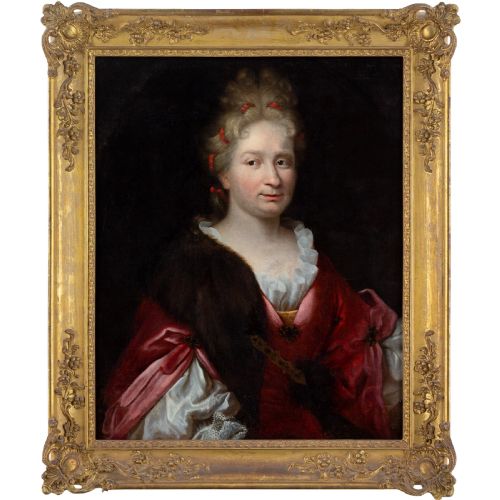
When you search for french rococo painting, you encounter original eighteenth-century canvases by French school artists alongside later nineteenth-century interpretations and works after masters such as Francois Boucher. These pieces range from intimate portraits of ladies in period dress to mythological subjects like Apollo and Daphne, often framed within decorative domestic settings.
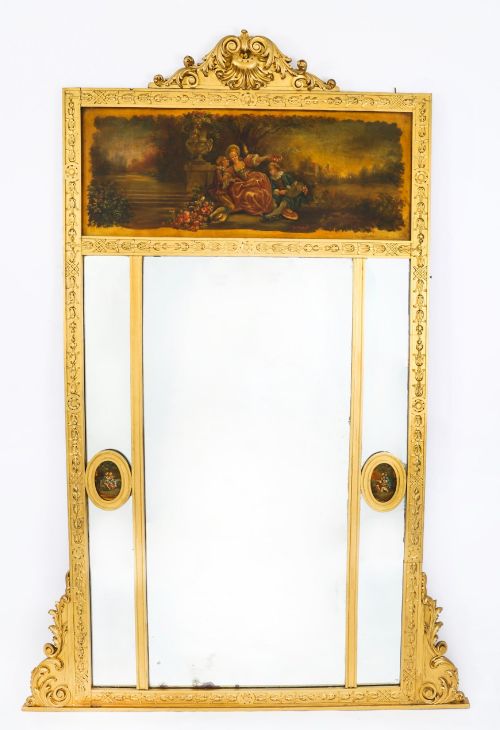
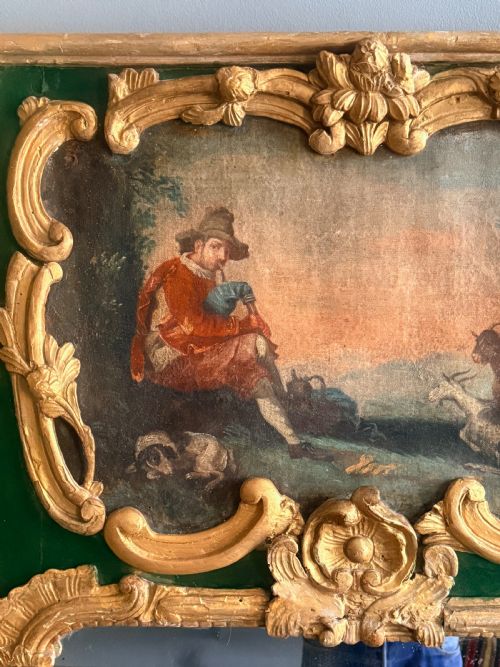
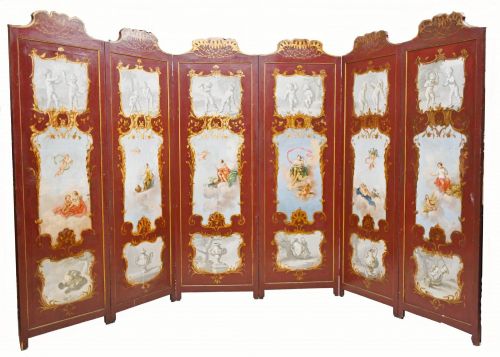
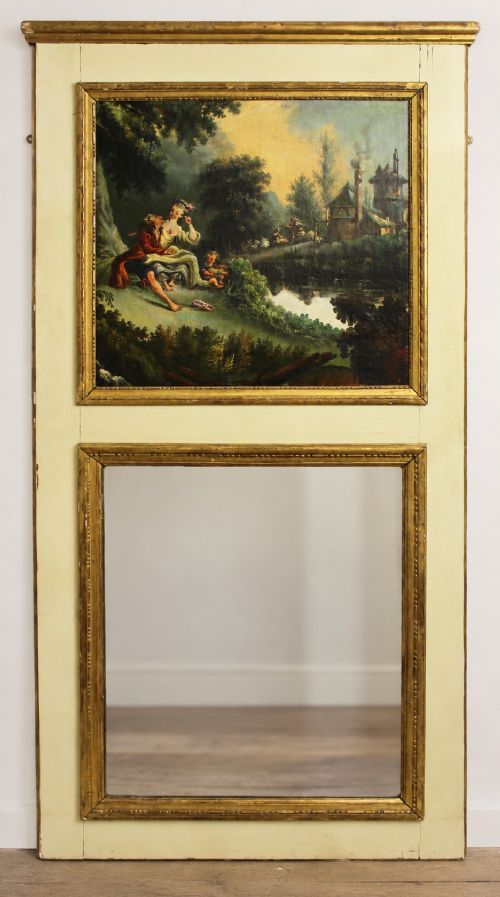
The selection here encompasses period canvases from the seventeen-hundreds as well as revival pieces produced during the Victorian and Edwardian eras. Buyers meet both direct historical works and decorative canvases integrated into larger furnishings such as trumeau mirrors.
What Varies in Quality
Condition of the canvas, the integrity of the paint surface, and the originality of the associated frame or mount influence the standing of an individual piece within this tradition.
French Rococo Painting Retail Price Guide 2026
Typical asking prices for french rococo painting among the pieces listed under this phrase on Sellingantiques today, from the lower quarter to the upper quarter. They describe what is for sale here now, not the wider market.
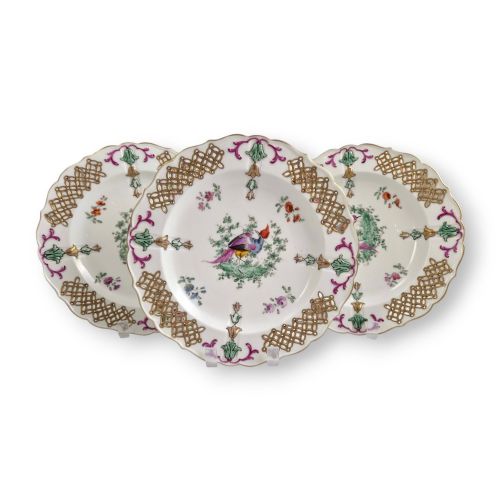
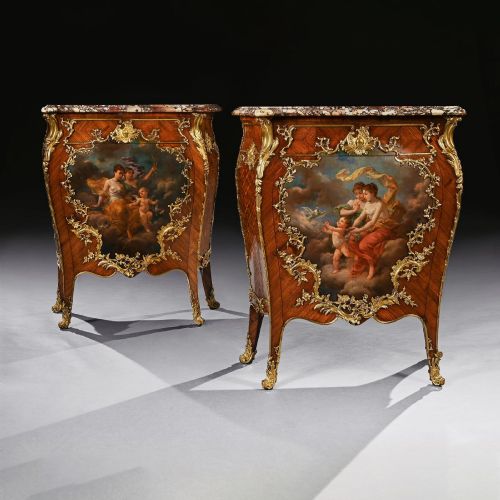
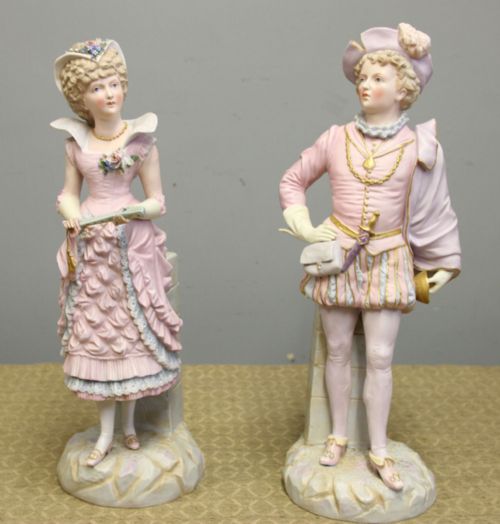
Listings combine eighteenth-century oils on canvas with nineteenth-century decorative items featuring oil paint, porcelain, and ormolu.
Charles-Antoine Coypel·Francois Boucher·Achille Brocot·Veuve Perrin Marseille·Jacob Petit·Fourmaintraux-Courquin·Edme Sampsom
The French Rococo Painting Glossary
- Oil paint
- A slow-drying medium consisting of pigments suspended in a drying oil, used for fine canvas works. It allows for subtle blending and rich colour depth.
- Trumeau mirror
- A decorative wall mirror featuring an integrated painted panel above the glass. It combines interior woodwork with pastoral artwork.
- Vernis Martin
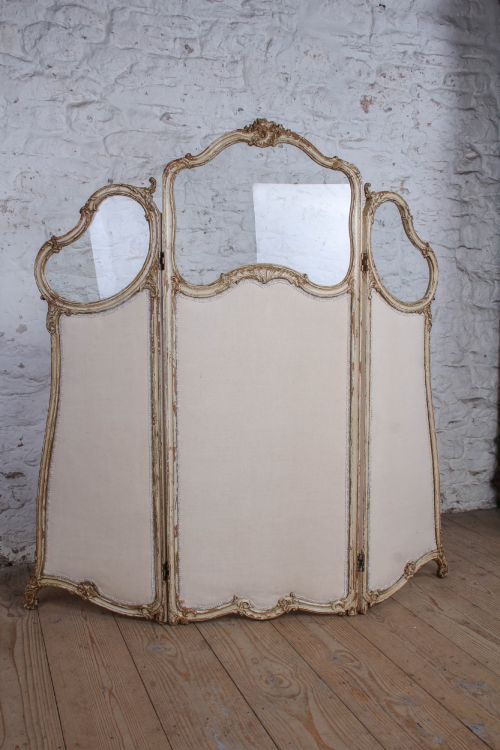
- A type of simulated Japanese lacquer developed in France, often applied to furniture surrounding painted panels. It provides a glossy, translucent finish.
- Faience
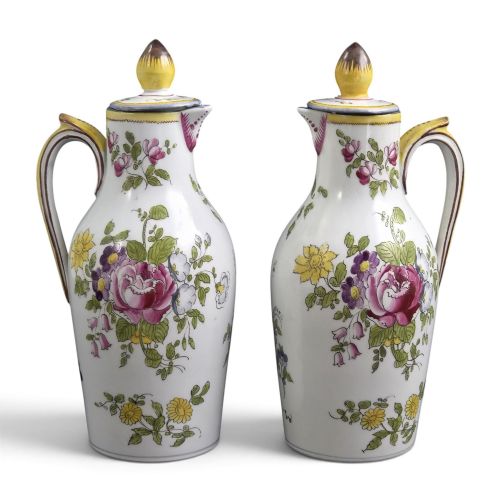
- Tinned-glazed earthenware produced in France, sharing decorative motifs with contemporary porcelain and painting. It offers a bright glazed surface.
- Ormolu
- Gilded bronze mounts applied to furniture and decorative items. It adds metallic warmth to gilt-wood and painted objects.
French Rococo Painting: Frequently Asked Questions
Are these paintings from the eighteenth century?
The selection includes authentic eighteenth-century works by French school artists alongside nineteenth-century revival pieces and copies after period masters.
Each listing specifies the approximate period of creation to help distinguish original eighteenth-century canvases from later nineteenth-century interpretations.
How do I hang a trumeau mirror?
Trumeau mirrors are substantial wall fixtures designed to be mounted securely onto structural wall studs using appropriate fixings for their weight.
Because many include integrated oil paintings, positioning them away from direct sunlight preserves the pigments on both canvas and wood.
What is the difference between oil paint and porcelain painting?
Oil paint is applied to stretched canvas or wooden panels using traditional brush techniques, whereas ceramic painting involves pigments fused into a glaze during kiln firing.
Canvas works offer greater subtlety in shadow and texture, while painted porcelain provides a durable, glossy decorative surface.
How should I clean a gilded frame?
Gilded frames and carved wood surrounds require gentle dusting with a soft, dry brush to prevent damage to the delicate gold leaf.
Water and chemical cleaning agents should be avoided entirely to preserve the original metallic surface.