
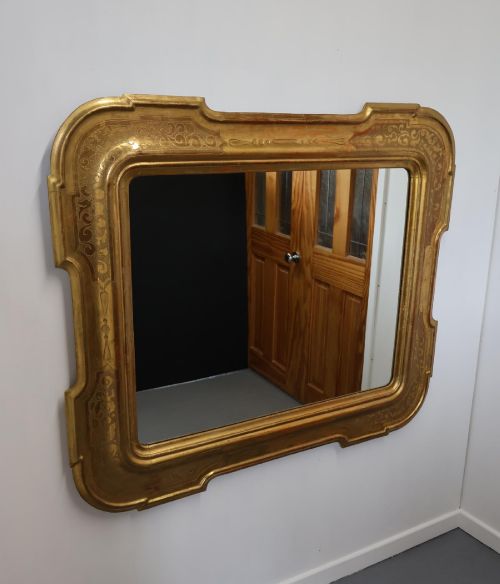
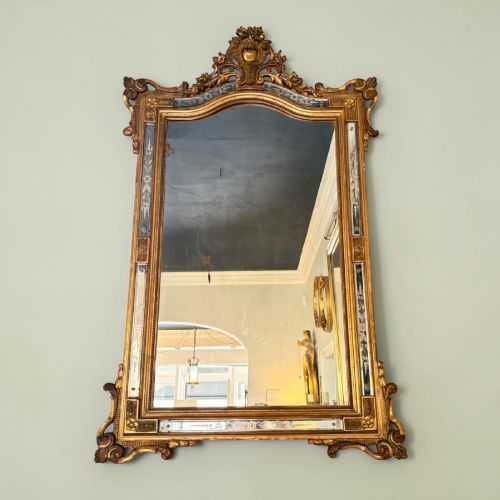
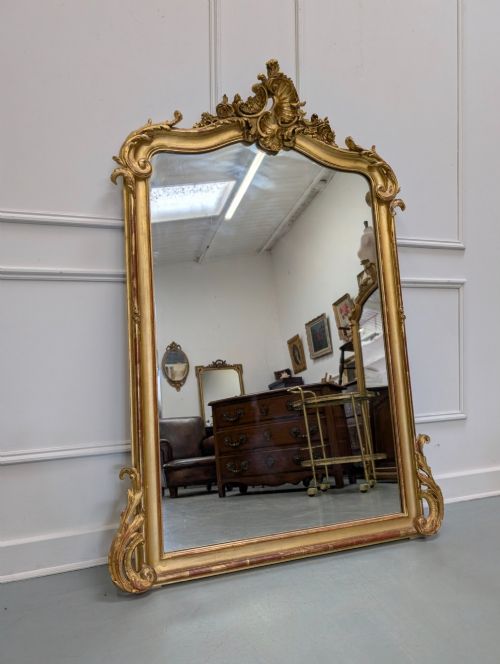
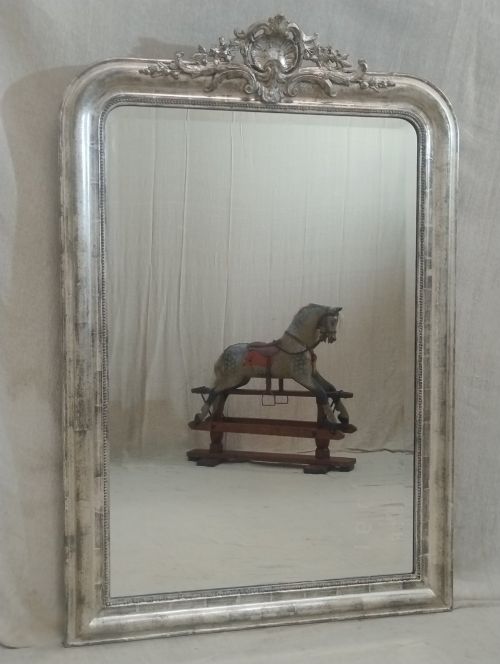
French Rococo Overmantel
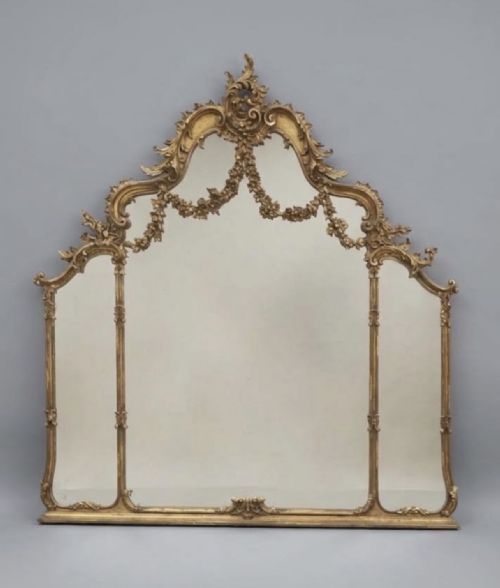
These large and ornate pieces bring light and architectural presence to a room, and a french rococo overmantel is defined by its sweeping asymmetrical curves and rich gilding.
French Rococo Overmantel
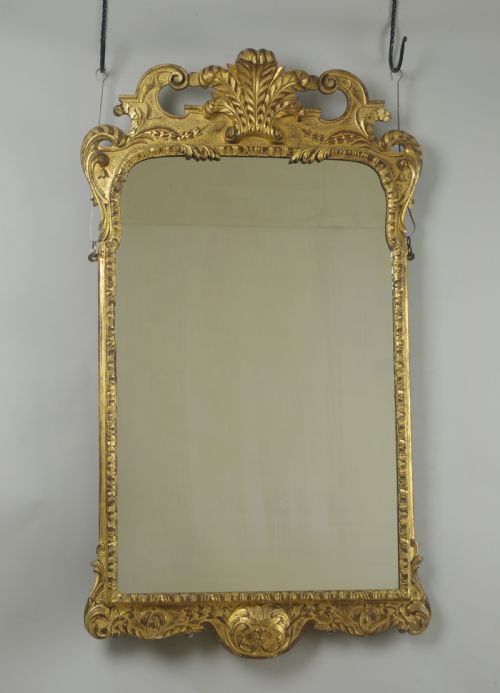
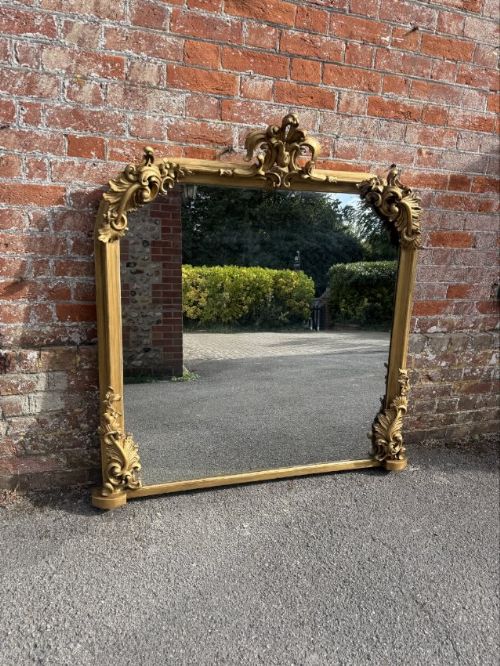
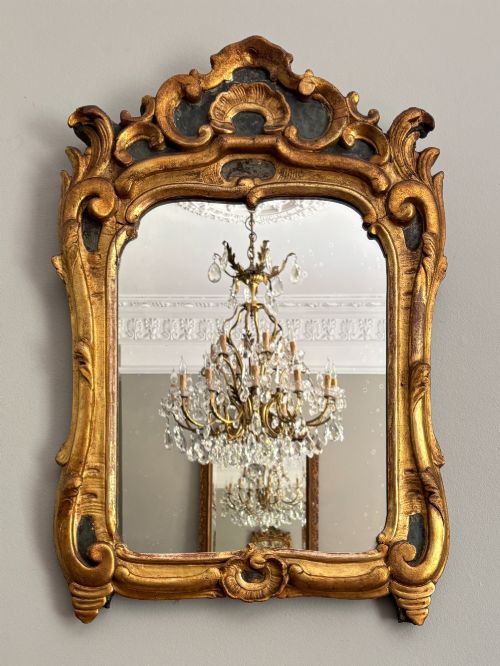
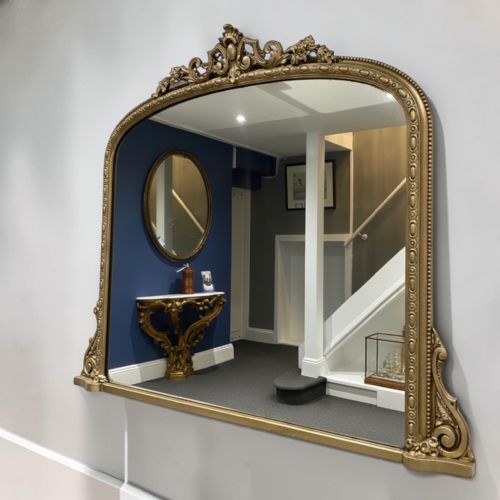
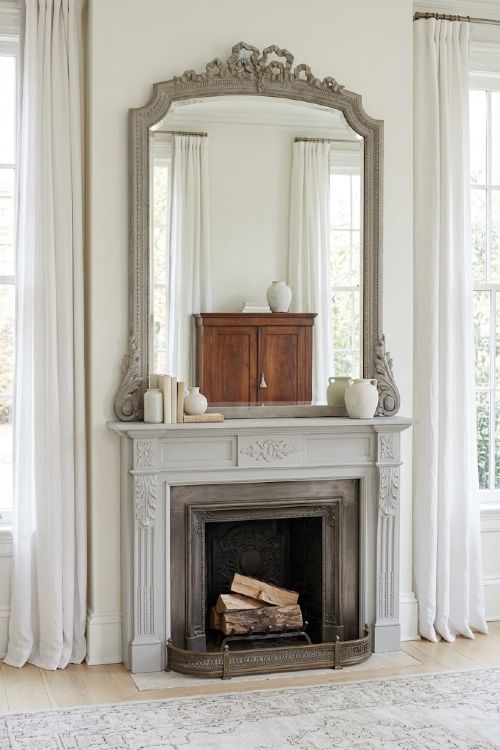
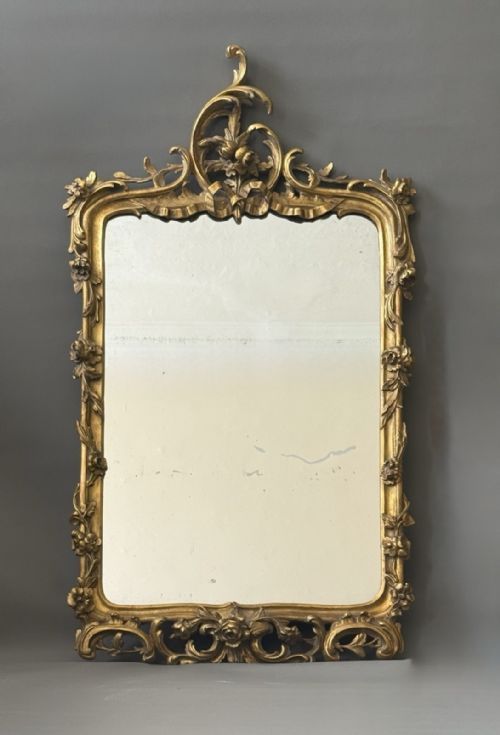
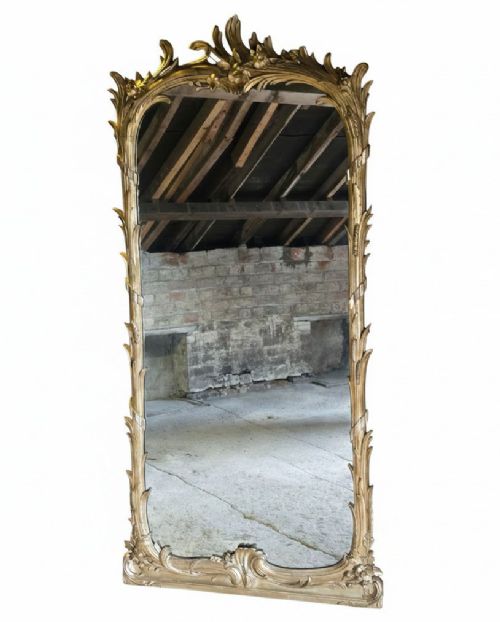
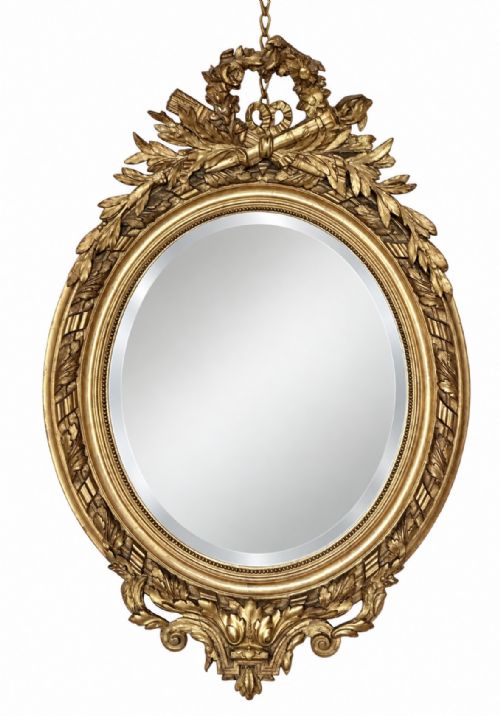
A french rococo overmantel is a large decorative wall mirror designed specifically to hang above a fireplace mantelpiece. The form follows the 18th-century French aesthetic characterised by scrolling foliage, C-scrolls, and exuberant shell motifs.
Most examples encountered on this page date from the nineteenth century, including pieces made during the Victorian era and the Rococo Revival movements of the 1850s, 1860s, 1870s, and 1880s, alongside genuine 18th-century pieces and early 20th-century revivals.
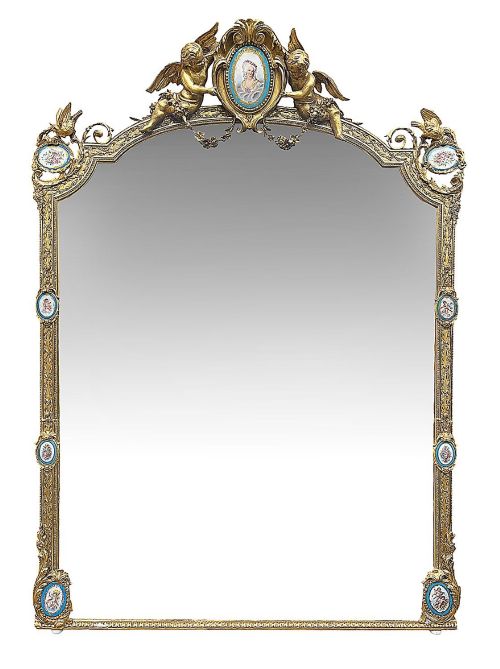
These mirrors serve as substantial statement pieces, often reaching impressive heights and widths to dominate the chimney breast. The format ranges from simple arched wooden frames to monumental carved giltwood structures with crested tops and complex mirror plates.
Materials and Construction
Carved wooden frameworks form the structural core of these mirrors, utilising timber such as oak alongside softer woods suitable for detailed shaping. Wood provides the robust foundation necessary to support heavy glass plates across wide spans.
Gesso and gold leaf or composition are applied over the carved wooden base to achieve the characteristic reflective metallic surface. Layers of gesso build up the fine relief details of the scrolling ornamentation before gilding is executed.
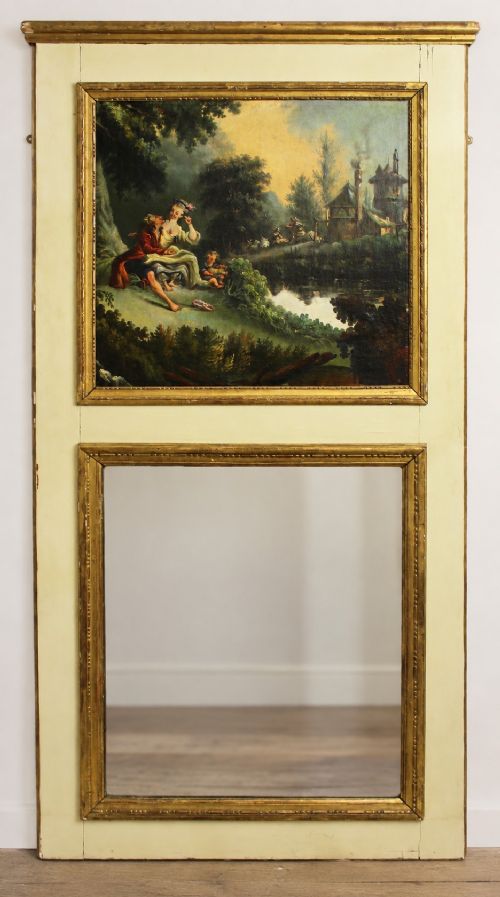
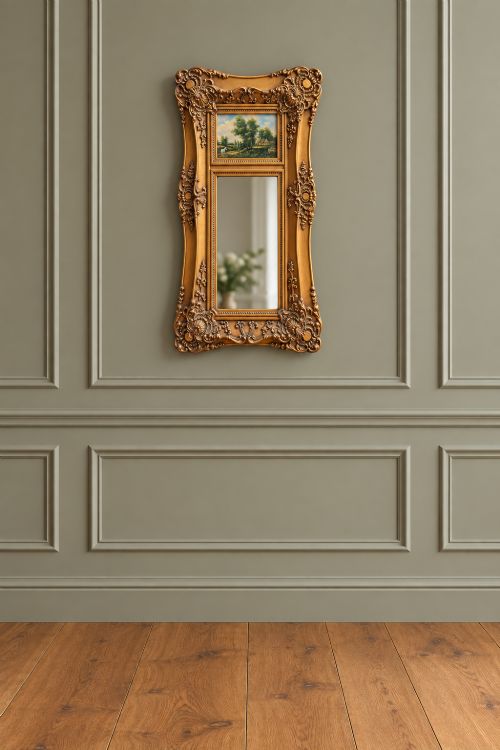
Mirror glass varies from antique mercury plates with foxing and age spots to later bevelled and clear mirror plates. Some specialised trumeau variants incorporate oil paintings featuring pastoral scenes or seascapes directly into the upper portion of the frame.
The inventory includes standard wall mirrors alongside specialised trumeau formats incorporating pastoral and seascape oil paintings.
Assessing Quality and Execution
The depth and crispness of the hand-carved wooden and gesso ornament distinguish finer examples from standard production pieces. Superior carving displays sharp relief in the scrolls and foliage rather than softened contours filled with excess plaster.
The application of gold leaf demonstrates the standard of workshop execution, with genuine leaf ageing gracefully compared to flat modern metallic paints. The retention of original mercury glass plates with natural foxing adds historical integrity to 18th-century and early 19th-century specimens.
Proportion and scale dictate the visual impact of the frame, where balanced asymmetry and secure structural joints ensure the massive weight hangs safely. The integration of original backboards and hardware indicates careful preservation over time.
The French Rococo Overmantel Glossary
- Overmantel mirror
- A large wall mirror specifically built to be positioned on the wall directly above a fireplace mantel. These pieces were designed to reflect firelight and brighten historic rooms.
- Giltwood
- Timber that has been coated with a thin layer of gold leaf. This material provides the brilliant metallic finish seen on formal period frames.
- Gesso
- A plaster-like mixture applied to wood surfaces to create a smooth base for carving or gilding. It allows craftsmen to model intricate three-dimensional decorative details.
- Trumeau
- A decorative wall mirror that incorporates an oil painting or panel within the upper section of the frame. These architectural elements often feature pastoral or maritime artwork.
- Mercury glass
- An early type of mirror glass manufactured by pouring a mercury and tin amalgam behind the glass plate. It develops characteristic dark spots and foxing as it ages.
- Foxing
- Small brownish spots and discoloration that develop within antique mirror plates over decades of exposure. This oxidation process is characteristic of genuine period glass.
French Rococo Overmantel: Frequently Asked Questions
Where should an overmantel mirror be hung?
These mirrors are traditionally positioned centrally on the wall directly above a fireplace mantelpiece. Their scale allows them to anchor the surrounding room architecture and reflect natural light across the space.
While designed for fireplaces, they function equally well mounted above low sideboards or console tables in grand hallways. The substantial weight requires secure fixing directly into wall studs or masonry.
How do I identify a 19th-century revival piece?
Nineteenth-century revival pieces often display machine-prepared timbers combined with composition ornament moulded in relief rather than entirely hand-carved wood. Examining the backboards, fixings, and construction joints helps reveal the manufacturing period.
Glass plates in revival mirrors are typically clearer and lack the characteristic uneven thickness and deep foxing found in genuine 18th-century mercury plates.
How do I care for antique giltwood?
Giltwood frames require gentle dusting with a soft, dry brush to prevent accumulation in the intricate carved crevices. Moisture and harsh cleaning chemicals must be avoided to protect the delicate gold leaf and gesso layers.
Stable indoor humidity levels help prevent the underlying wood from expanding or contracting, which can cause the gesso ornament to crack and detach from the frame.