




French Rococo Dresser
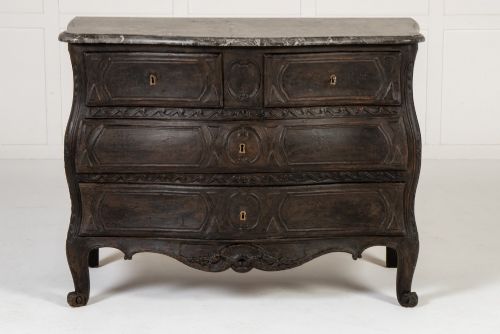
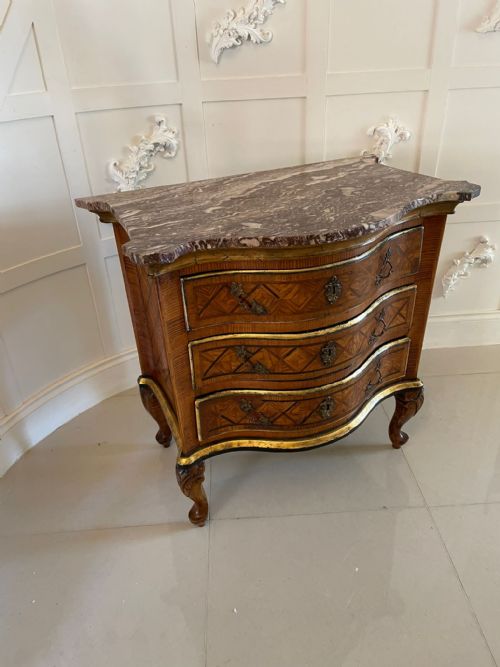
A french rococo dresser brings fluid serpentine lines and rich timber into a room, offering both generous storage and striking decorative presence.
French Rococo Dresser
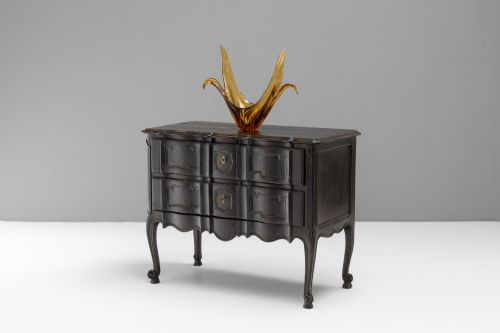
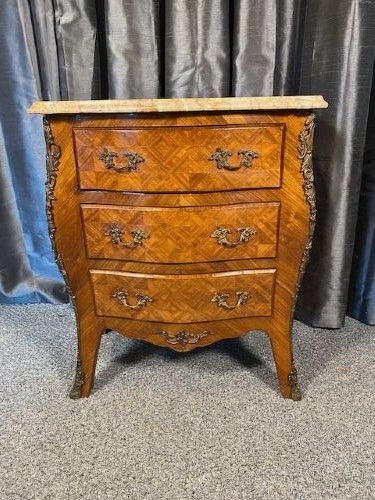
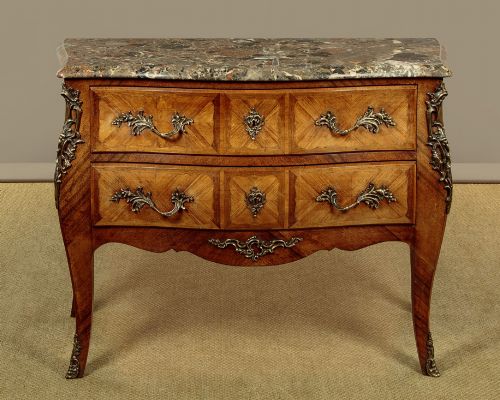
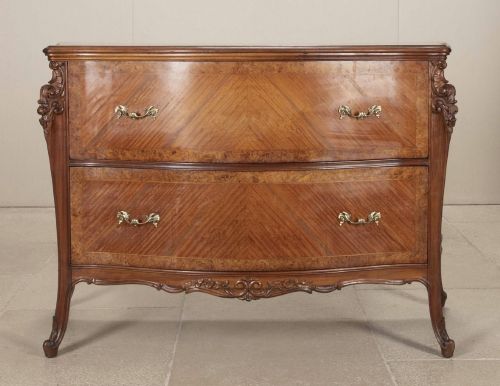
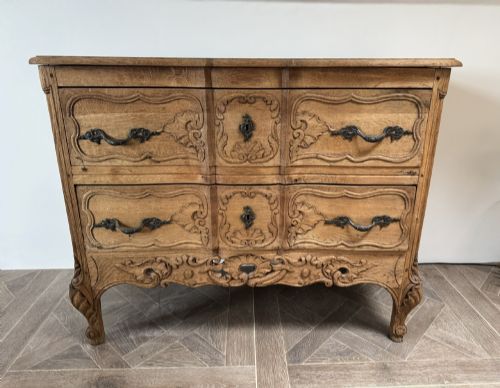
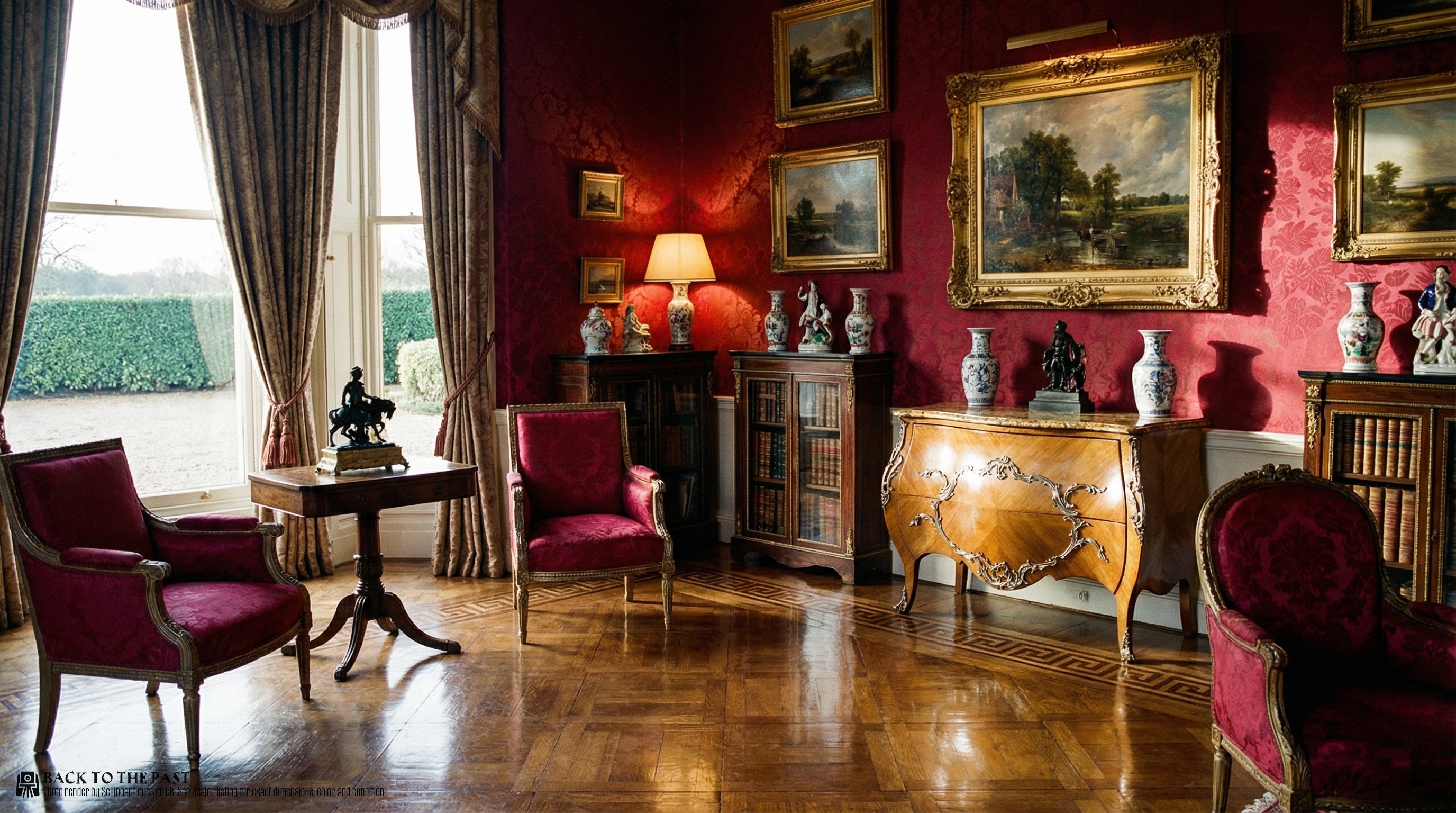
A french rococo dresser typically takes the form of a commode or chest of drawers, appearing in both refined urban styles and simpler provincial interpretations. These pieces originate across the eighteenth and nineteenth centuries, with revival periods extending well into the twentieth century.
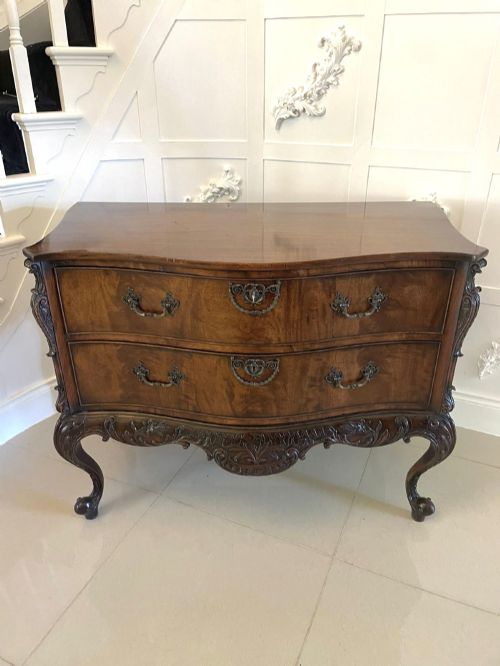
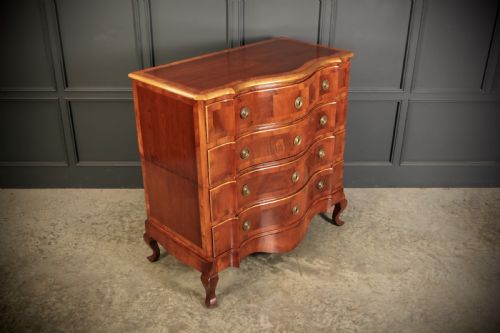
The buyer encounters varied silhouettes, ranging from restrained serpentine fronts to swelling bombe profiles. Oak, walnut, and fruitwood form the structural basis, often enriched with decorative veneers.
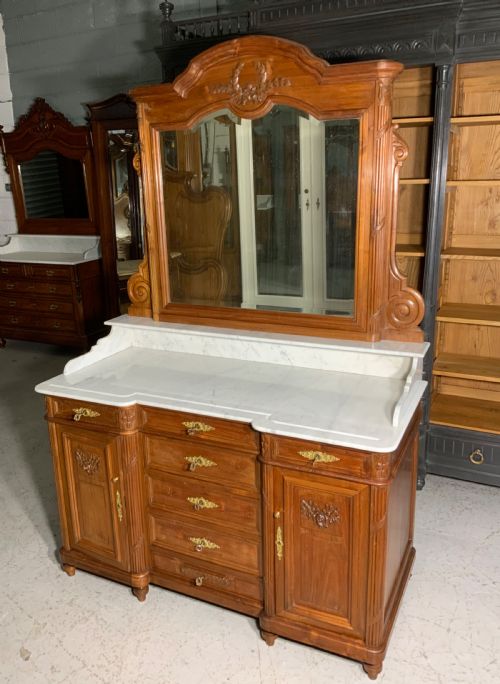
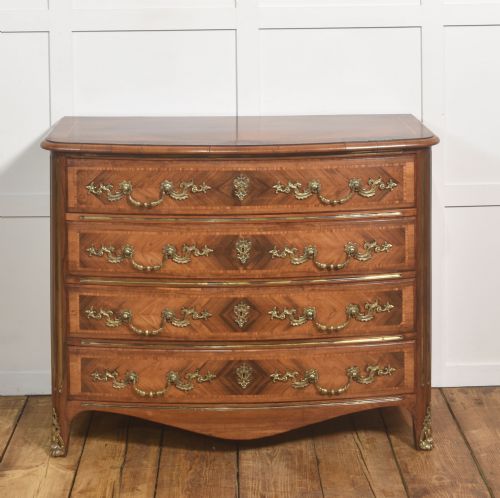
Marble tops frequently crown these pieces, alongside intricate marquetry and parquetry patterns in exotic timbers like kingwood and satinwood.
Materials and construction
Cabinet makers utilised solid timbers such as oak and walnut for foundational framing, applying finely figured veneers including burr walnut, mahogany, and plum to visible exterior surfaces.
Slab marble tops, cut to follow the serpentine or bombe curves of the wooden carcass, sit atop many examples to provide a durable and decorative surface.
Materials appearing across the inventory include solid oak, fruitwood, and marble, complemented by cast ormolu and brass mounts.
Assessing craftsmanship and finish
Quality rests in the harmony of the proportions and the precision of the cabinet work, particularly where veneers meet curved corners and serpentine drawer fronts.
The crispness of the cast ormolu mounts and the depth of the timber grain separation elevate finer examples above standard production pieces.
Originality of components, from the marble slabs to the internal drawer construction, distinguishes exceptional survival rates from heavily restored alternatives.
Charles Cressant
The French Rococo Dresser Glossary
- Commode
- A low chest of drawers or cabinet standing on legs. This term describes the primary form of storage vessel found in this category.
- Bombe
- A swollen or bulging convex contour applied to the sides and front of a cabinet. This silhouette requires advanced joinery to achieve the sweeping curved form.
- Ormolu
- Gilded bronze or brass used for decorative mounts and hardware. Artisans chased these metal elements to catch light along the structural curves.
- Marquetry
- The art of forming decorative patterns on a wooden carcass using thin slices of wood veneer. Makers arranged contrasting timbers to create geometric or floral motifs.
- Serpentine
- A line or surface curving alternately inward and outward. This shaping defines the characteristic undulating fronts of many period chests.
French Rococo Dresser: Frequently Asked Questions
What is a french rococo dresser?
A french rococo dresser is fundamentally a commode or chest of drawers shaped by asymmetrical curves, cabriole legs, and ornate mounts. These pieces developed from eighteenth-century design movements and later nineteenth-century revivals.
Craftsmen built them primarily for formal reception rooms and chambers, combining practical storage with sculptural elegance.
How were these dressers used historically?
These chests served primarily for storing clothing, linens, and personal valuables within domestic interiors. Their decorative surfaces also provided display space for porcelain and ornaments.
In grander settings, they functioned as focal furniture pieces that demonstrated the owner's taste and wealth.
How do I care for a marble top?
Marble surfaces require gentle cleaning with soft cloths and neutral soaps to preserve the polished finish. Avoid acidic substances that can etch the stone over time.
Ensure heavy items placed on top have protective pads to prevent scratching the polished surface.
How can I tell eighteenth-century pieces apart from revivals?
Eighteenth-century pieces display hand-cut joinery, period-specific timber usage, and wear patterns consistent with extended age. Revival items from the nineteenth and twentieth centuries often employ machinery marks and standardised construction methods.
Examining the internal secondary woods and the construction of the drawer linings provides reliable clues to the true period.