


French Rococo Clock
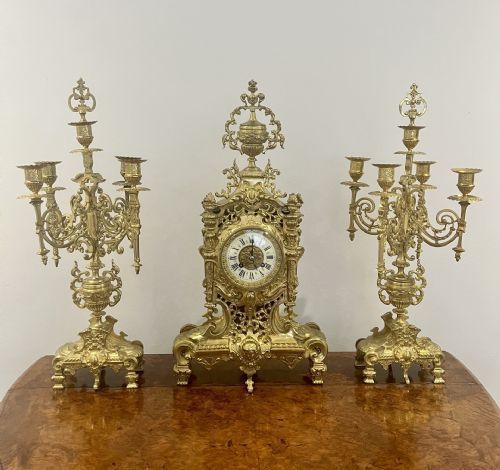
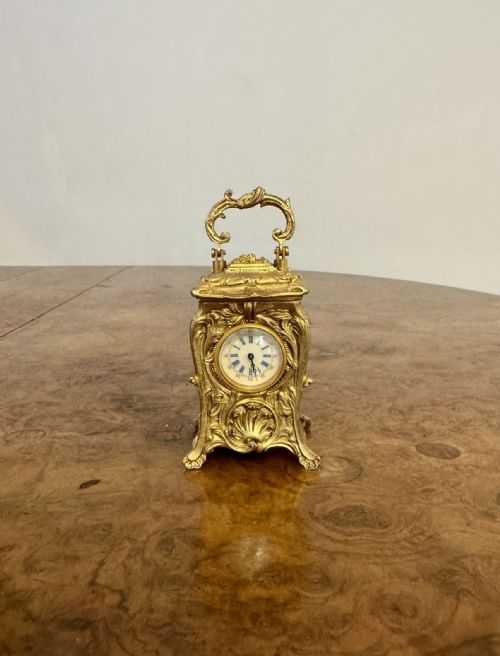
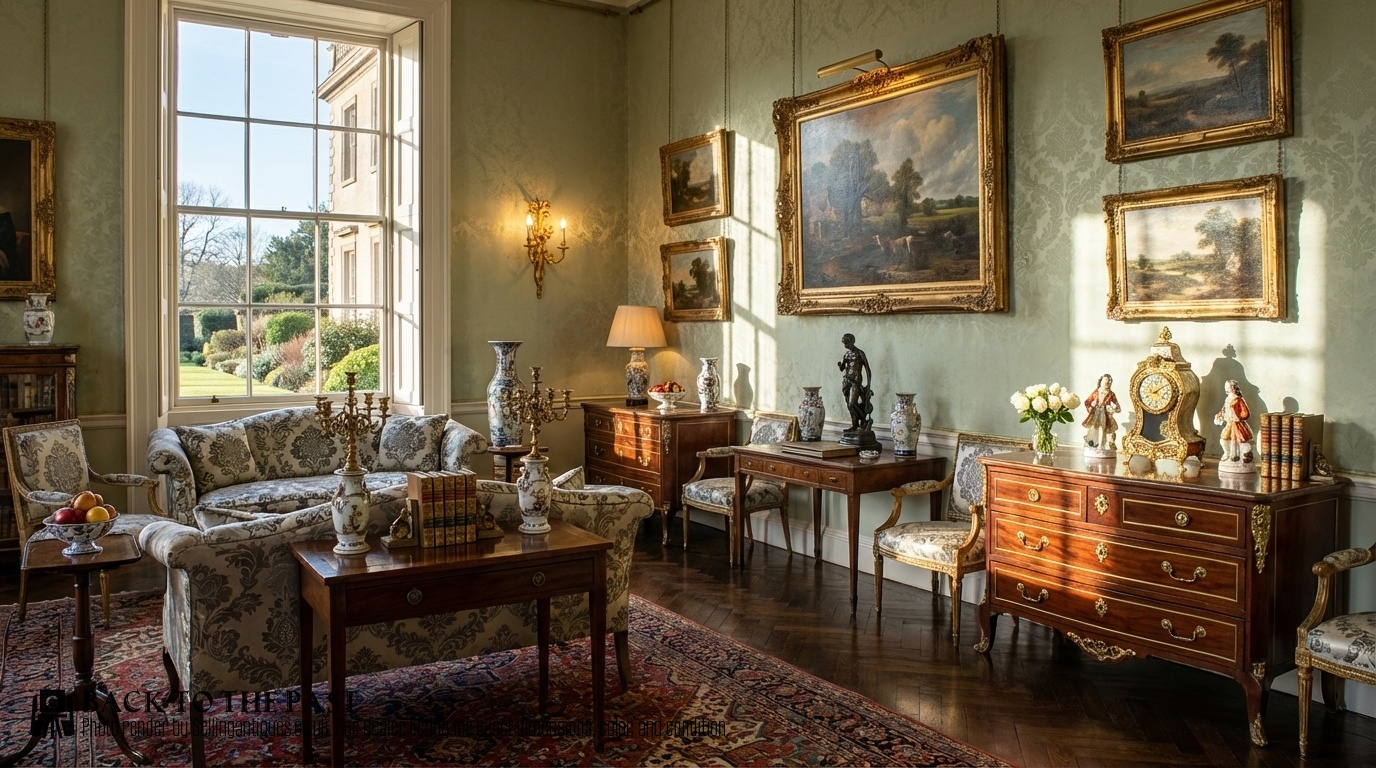
A french rococo clock brings theatrical 19th-century gilt bronze, scrolling asymmetry and porcelain details straight to the mantelpiece.
French Rococo Clock
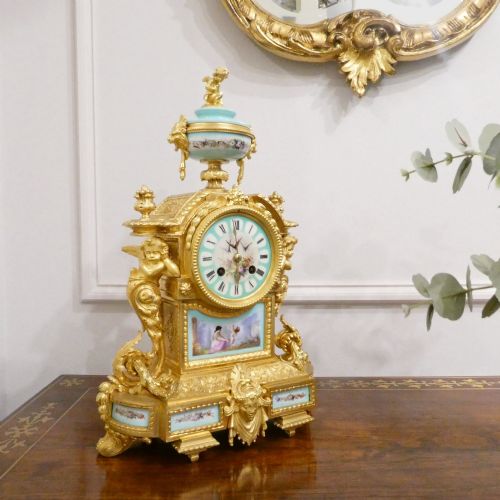
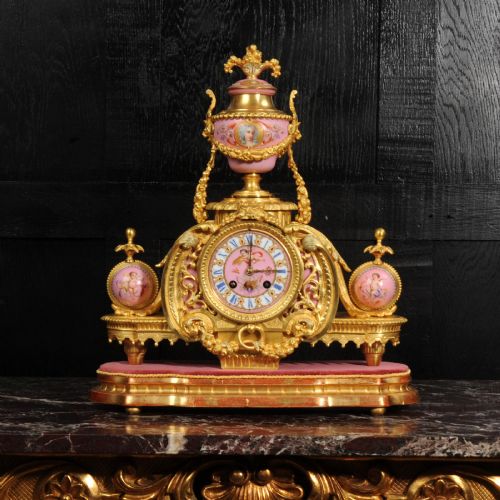
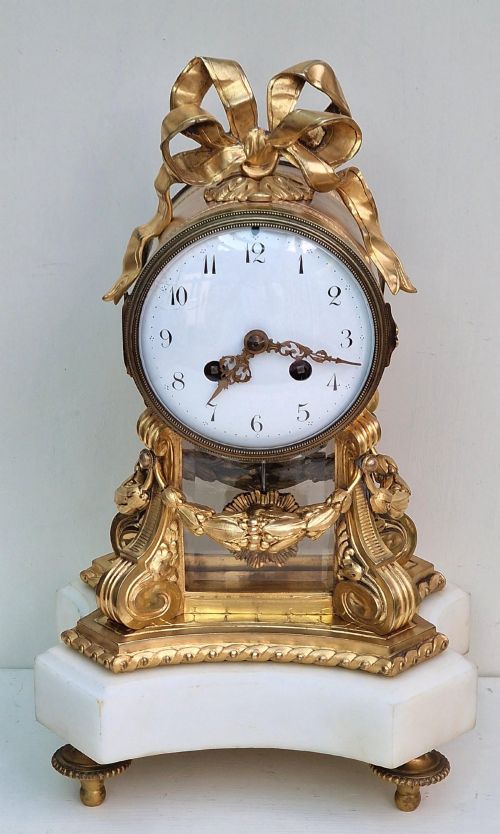
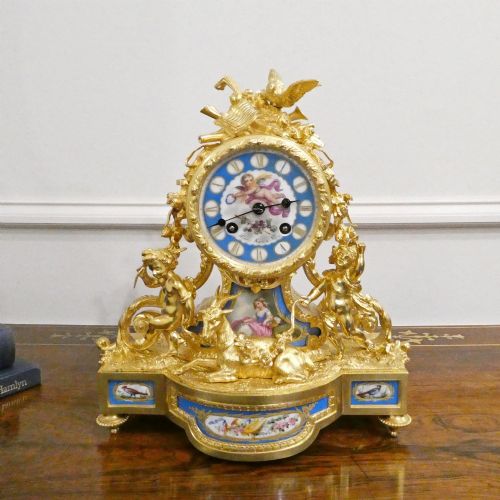
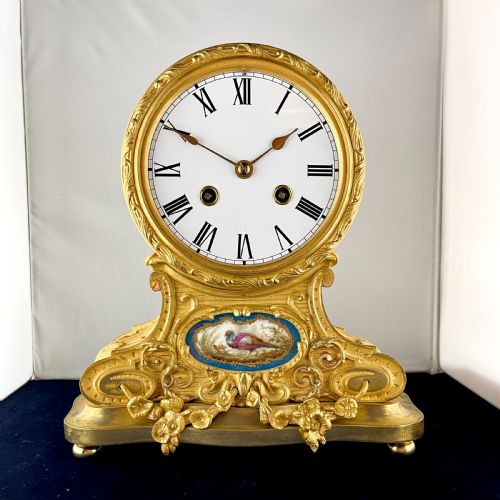
A french rococo clock typically combines exuberant 19th-century styling with elaborate naturalistic motifs, incorporating asymmetrical scrolls and shell shapes derived from earlier periods. The pieces appearing most frequently across these records date from the nineteenth century, particularly the decades surrounding eighteen-eighty, and take the form of mantel clocks or matching garniture sets.
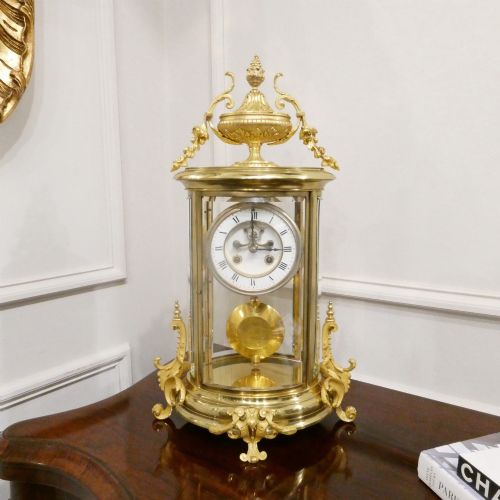
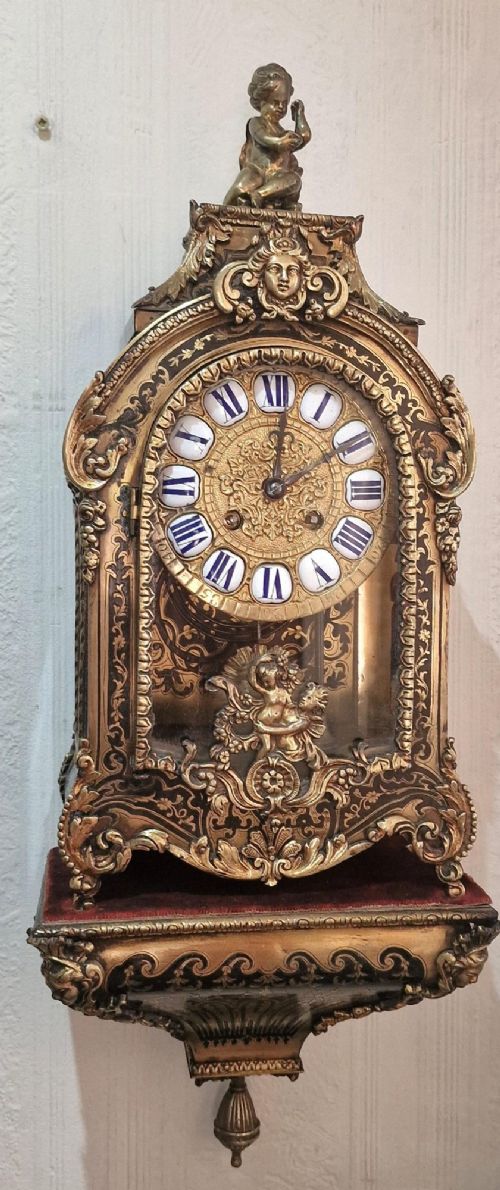
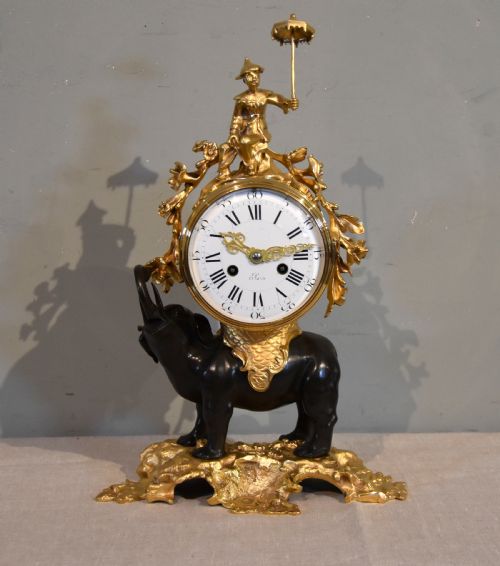
Many examples embrace the Louis XV revival aesthetic, utilising gilt bronze and ormolu alongside painted ceramic plaques or intricate porcelain dials. Buyers also encounter architectural wall clocks and four-glass cases designed to display the interior mechanism from every angle.
Materials and construction
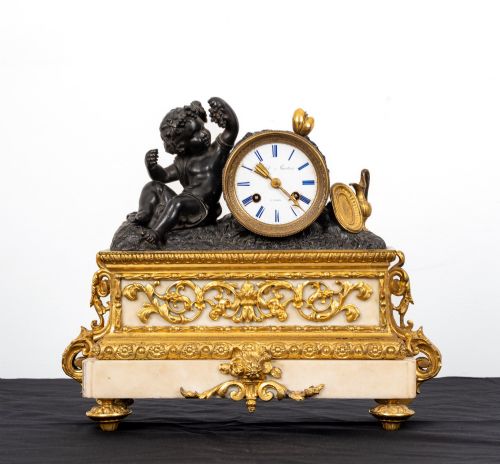
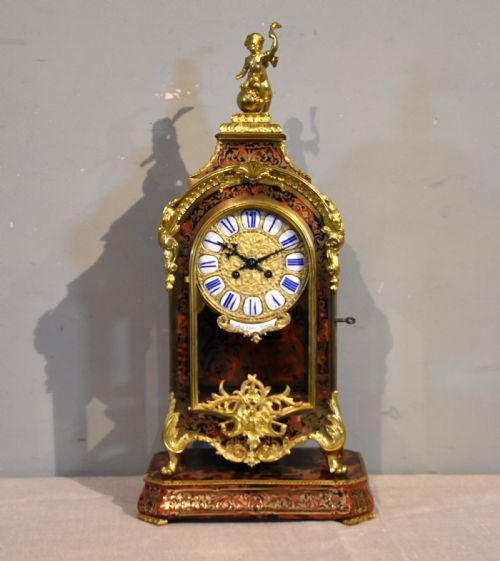
The foundational body relies on cast bronze, brass or slate, which receives a heavy layer of mercury gilding or ormolu to achieve a bright, reflective finish. Makers integrate contrasting media such as white marble bases, tortoiseshell veneer in the Boulle technique, and hand-painted Sèvres-style porcelain panels.
Clockmakers housed precision spring-driven movements inside these decorative housings, often engaging specialised Parisian workshops to produce the brass escapements and striking trains. Finials and cast mounts were individually chased by hand to sharpen the leaf and scrollwork before assembly.
French Rococo Clock Retail Price Guide 2026
Typical asking prices for french rococo clock among the pieces listed under this phrase on Sellingantiques today, from the lower quarter to the upper quarter. They describe what is for sale here now, not the wider market.
Listings feature movements housed in gilt bronze, marble, porcelain, and tortoiseshell across the nineteenth century.
Assessing craftsmanship
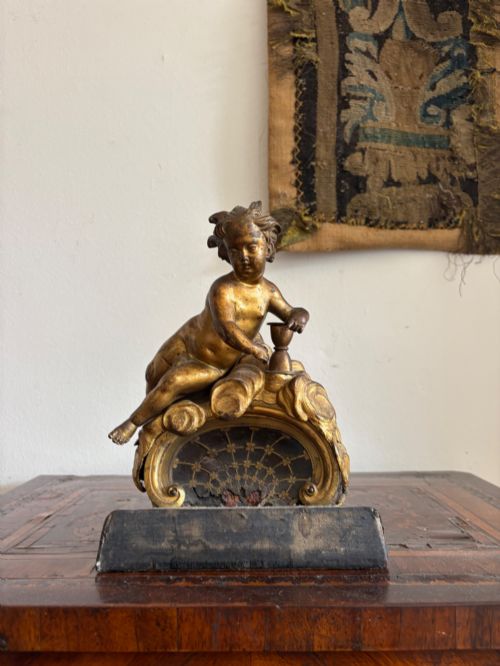
Quality reveals itself in the crispness of the bronze chasing and the depth of the ormolu surface, where superior examples retain sharp relief in their organic flourishes rather than soft, rounded edges from worn moulds. The integration of the movement with the case shows whether a piece was custom-built or cobbled together from disparate components.
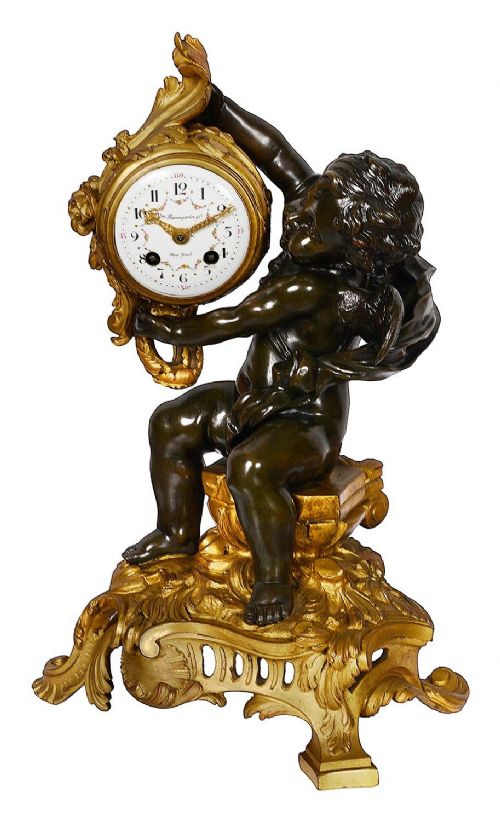
Pabulum dials featuring individually painted porcelain carttouches or signed maker movements by established horologists indicate higher manufacturing standards. Cases adorned with complex figural groups or finely preserved tortoiseshell marquetry separate standard production items from exceptional workshop output.
Achille Brocot·Samuel Marti·Henry Marc·Japy Frères·Leroy Paris
The French Rococo Clock Glossary
- Ormolu
- Gilded bronze produced by applying a mercury and gold amalgam to a cast bronze base and firing it to drive off the mercury. This technique creates a distinctive, rich golden lustre characteristic of nineteenth-century decorative objects.
- Garniture
- A matching set of ornamental pieces consisting of a central clock flanked by matching vases, candelabra or urns. These ensembles were designed to create a balanced focal point on a fireplace mantel.
- Boulle
- A form of marquetry utilising tortoiseshell and brass inlay developed in France. The technique produces striking contrasting patterns across the wooden carcass of clocks and brackets.
- Cartel clock
- A wall-mounted clock housed in an ornate, asymmetrical frame made of gilt bronze or ormolu. These pieces hang directly from structural walls rather than resting on shelves.
- Japy Frères
- A prominent French clockmaking firm operating during the nineteenth century. Their mass-produced mechanical movements appear frequently within decorative cases by various makers.
French Rococo Clock: Frequently Asked Questions
How do I wind the clock?
Most mechanical movements require a specialised key inserted into the winding arbours on the dial face to tension the internal springs.
Care must be taken not to over-wind the mechanism, stopping as soon as resistance is felt to preserve the antique teeth.
Are these clocks suitable for daily use?
While fully restored movements can keep accurate time, nineteenth-century mechanisms benefit from gentle handling and regular professional servicing.
Placing the clock away from direct heat sources and drafts helps protect the delicate ormolu surfaces and internal oils.
What is a clock garniture set?
A garniture set includes a central mantel clock accompanied by two matching side ornaments such as urns or candelabra.
These balanced groupings were manufactured to fill wide nineteenth-century fireplace mantels with coordinated decorative motifs.
How do I identify a reproduction?
Original pieces display period casting methods, hand-chased surface details, and mechanical signatures matching nineteenth-century horological standards.
Modern replicas often use lightweight base metals, electrical quartz movements, or synthetic patination instead of genuine mercury or fire gilding.