





Louis XV Clock
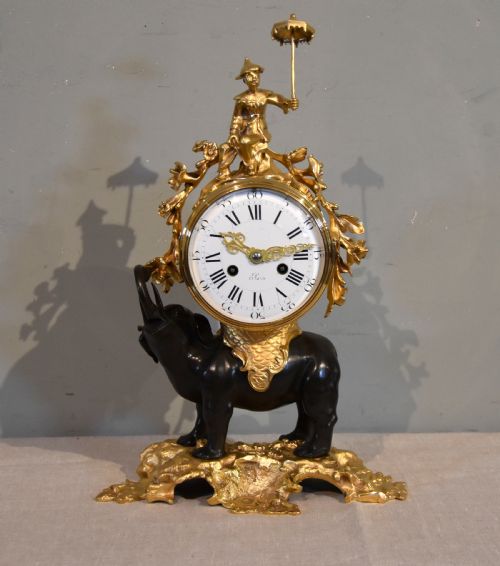
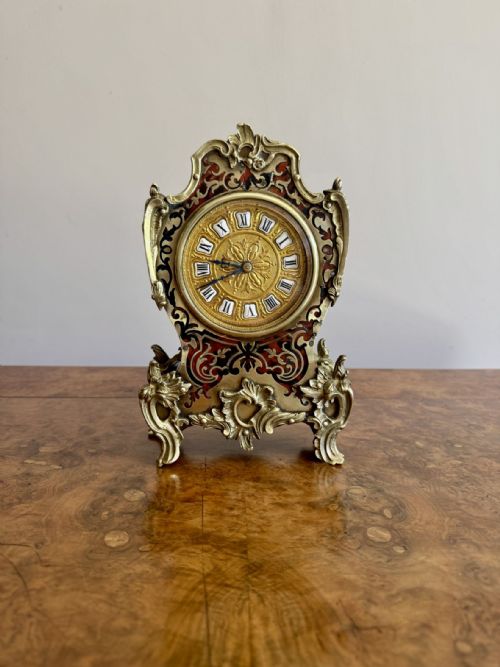
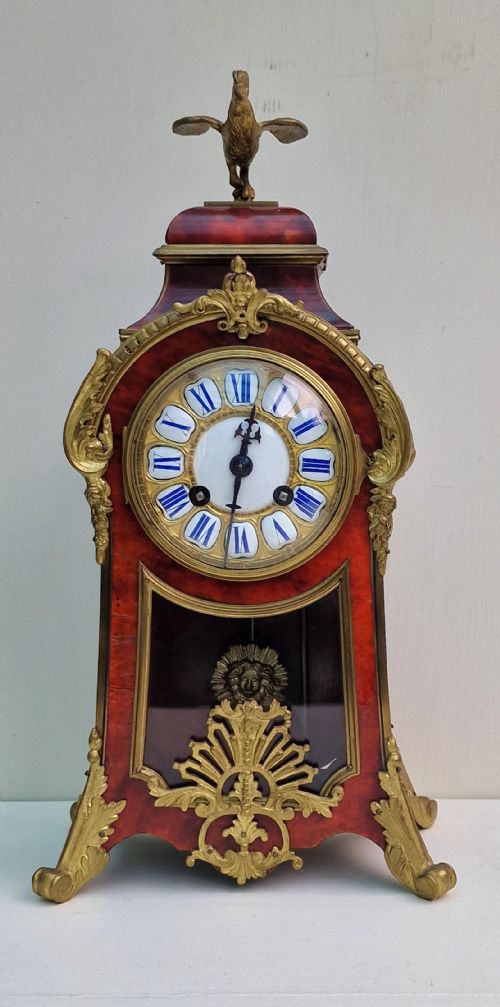
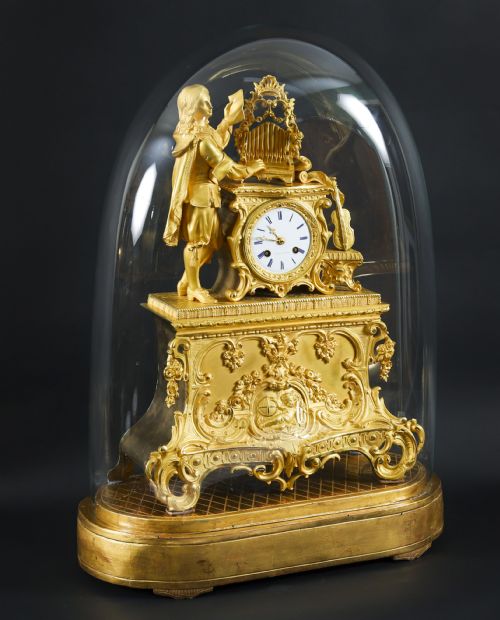
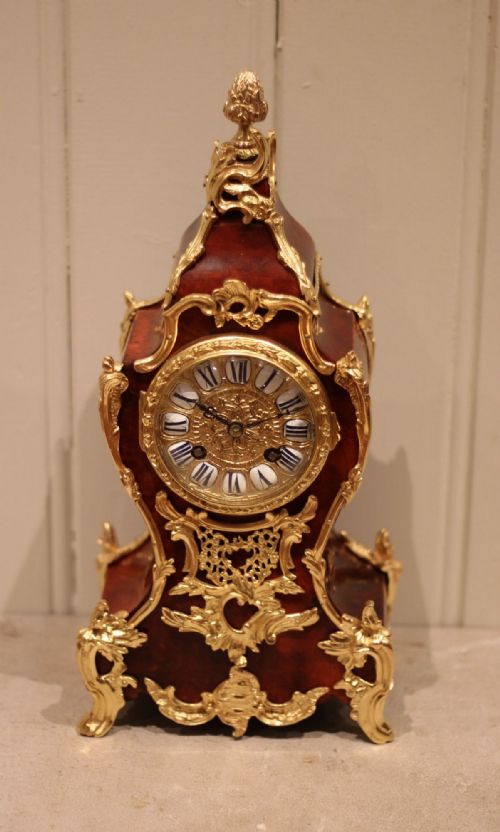
When you search for a louis xv clock, you are looking at ornate French horology defined by asymmetric Rococo curves, gilt bronze, and tortoiseshell casework.
Louis XV Clock
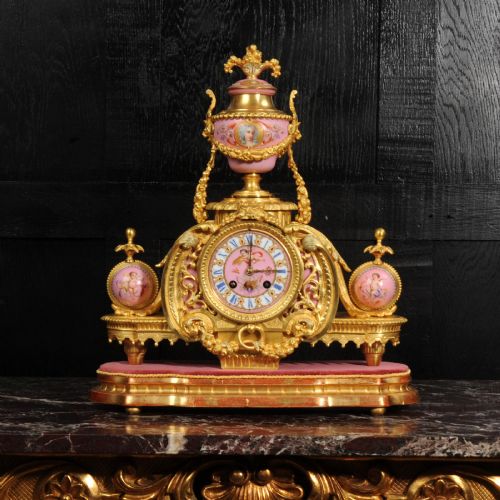
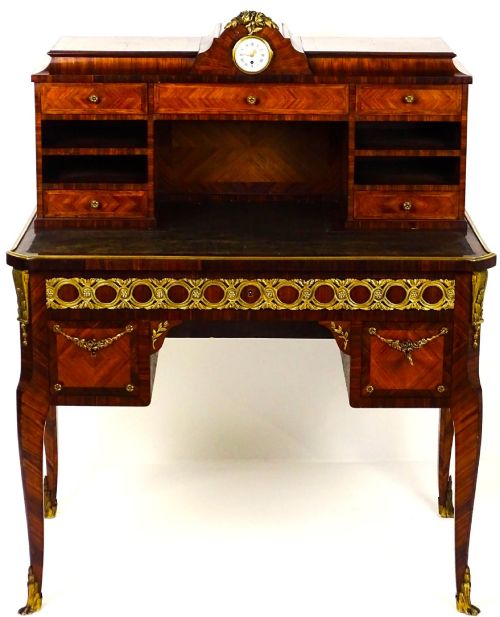
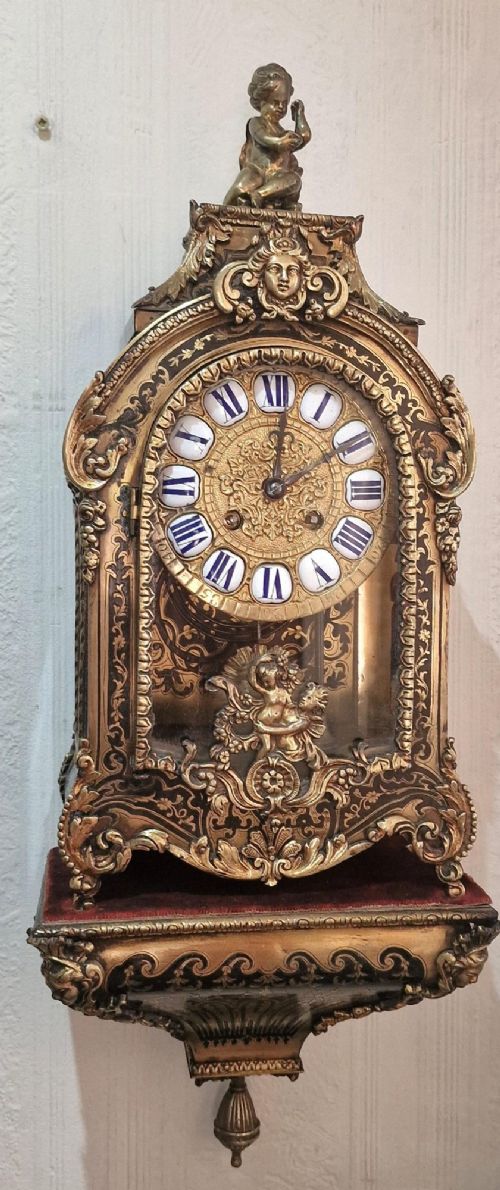
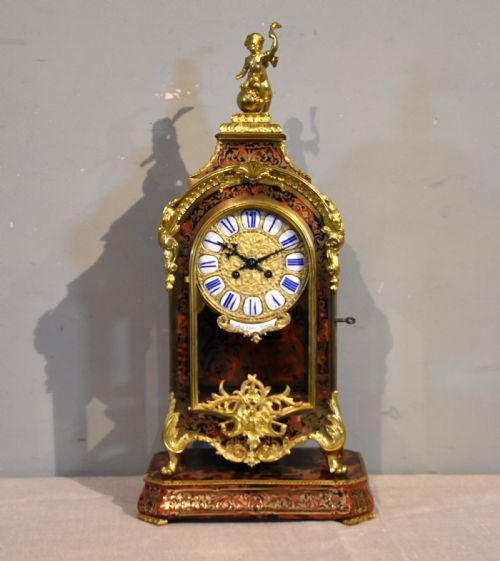
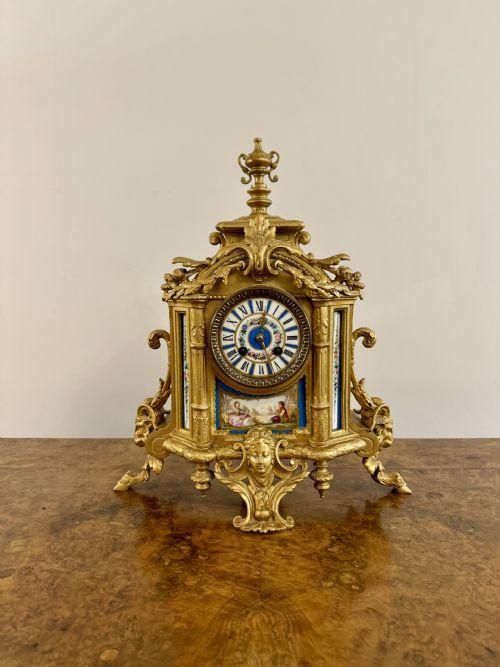
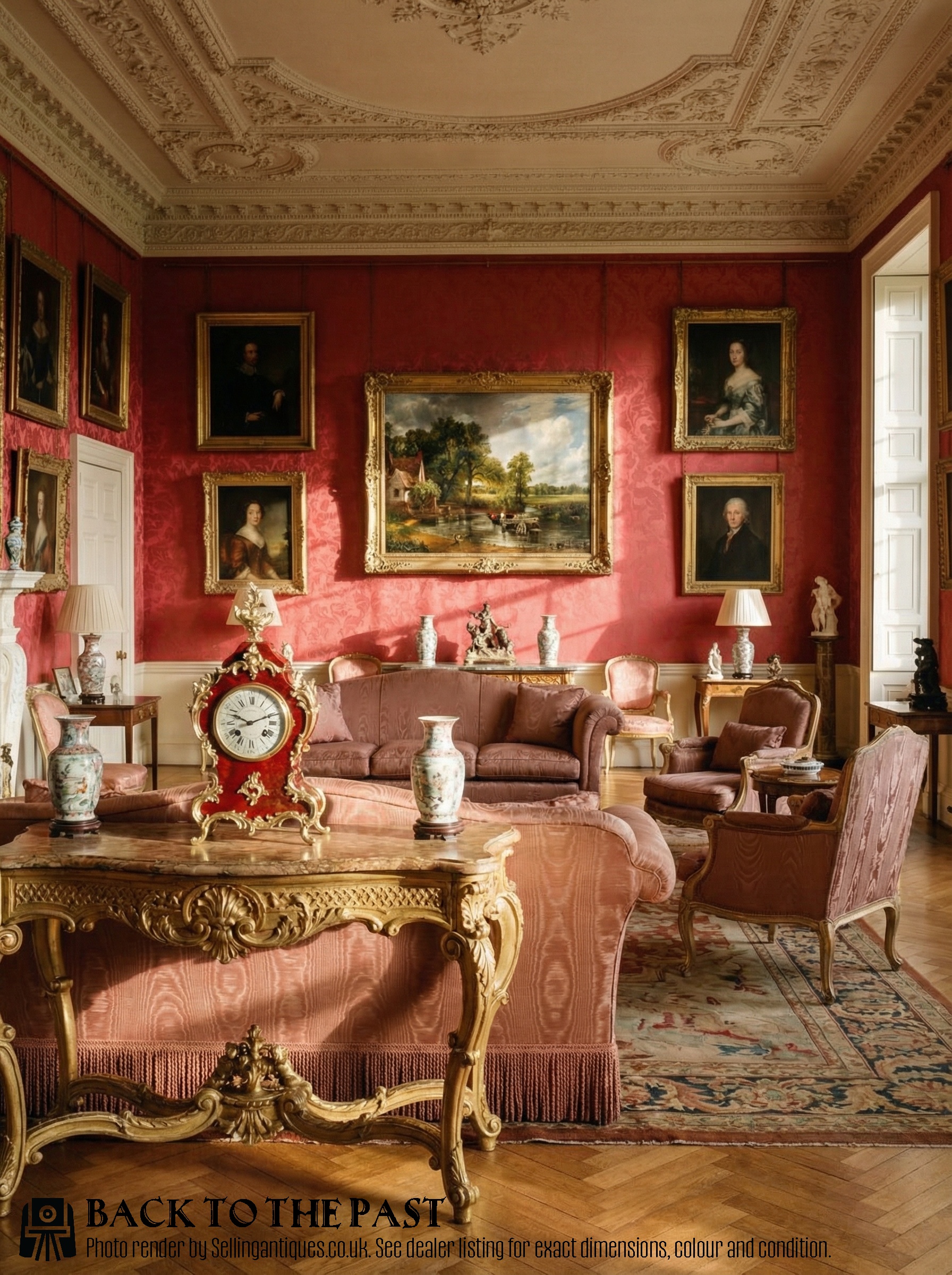
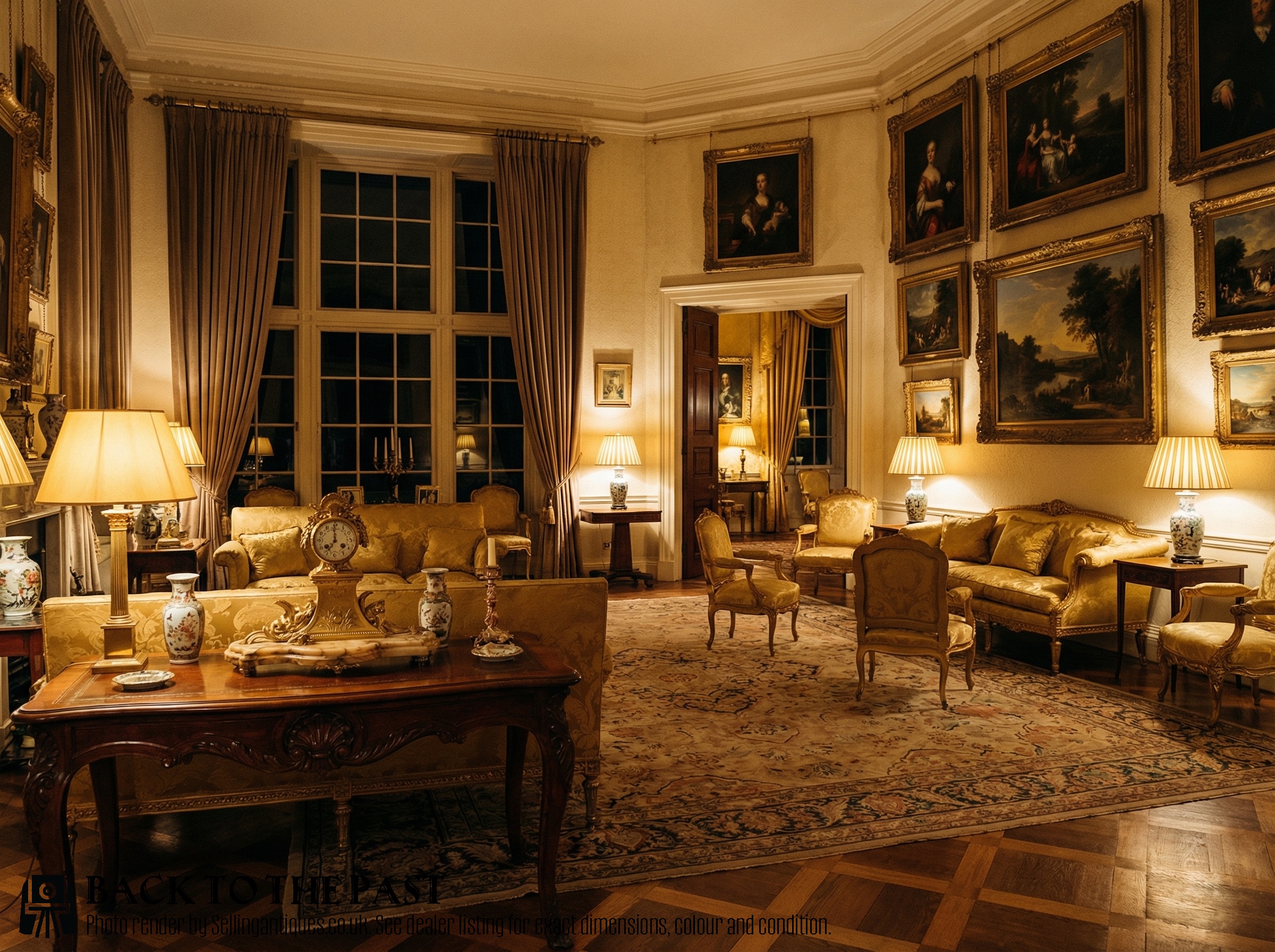
A louis xv clock on this page typically manifests as a nineteenth-century revival piece, spanning mantle clocks, bracket clocks with matching wall brackets, and large garniture sets complete with candelabras. Makers leaned heavily into French Rococo revival styles, producing elaborate sculptural forms that echo eighteenth-century court taste.
Most examples you encounter date from the Victorian era, specifically the decades between eighteen-fifty and nineteen-ten, rather than the original eighteenth-century reign. These later interpretations range from modest bedside miniatures to imposing longcase clocks and desk garnitures.
The dominant aesthetic relies on organic asymmetry, scrollwork, and floral motifs applied to cast metal or timber carcases. Whether housed in Boulle marquetry or gleaming ormolu, these clocks served as grand interior centrepieces rather than simple timekeepers.
Materials and construction
Foundational carcases utilise kingwood or timber substrates clad in tortoiseshell and brass inlay known as Boulle work. Metalwork elements depend upon cast bronze and brass finished with mercury gilding or ormolu, creating heavy, lustrous mounts fixed to the wooden or marble bodies.
Dials frequently incorporate individual enamel cartouches for numerals, fitted behind curved glass panels within cast bezels. Porcelain plaques from factories like Sèvres appear inset into the cases, painted with pastoral scenes or floral details that match subsidiary candelabras in larger clock sets.
Several clocks hide miniature bedside alarms designed to wake nineteenth-century sleepers without startling them.
Assessing craftsmanship
Quality separates in these clocks largely depend on the crispness of the bronze chasing and the depth of the casting work. Finer examples display sharp, hand-finished foliage and figures where secondary tooling has refined the rough cast, unlike mass-produced equivalents with softened edges and shallow relief.
The integration of the movement with the maker signature dictates the standing of the piece. Renowned horological workshops supplied movements that operate smoothly alongside robust, heavy brass plates, while lesser items rely on generic commercial movements housed in identical exterior styles.
Achille Brocot·Paul Sormani·Delettrez·Leroy Paris·Leon Message·Jollet et Cie·Samuel Marti·Japy Freres·Hausburg·Vincenti·Lemerle-Charpentier and Cie·Raingo Freres·Le Nepveu
The Louis XV Clock Glossary
- Ormolu
- Gilt bronze created by applying a mixture of gold and mercury to a bronze base and firing it to drive off the mercury. This technique produces a durable, rich golden surface found across nineteenth-century revival pieces.
- Boulle work
- Marquetry technique utilising tortoiseshell and brass inlay, developed in France and widely copied during the nineteenth century. The contrasting dark shell and bright metal create intricate surface patterns across clock cases and brackets.
- Garniture set
- A matching ensemble consisting of a central clock flanked by decorative matching objects such as candelabras or vases. These sets were designed to sit symmetrically upon a mantlepiece.
- Cartouche
- Individual enamelled plaque bearing a single numeral on a clock dial. These were pinned separately to the dial plate rather than painted directly onto a single white enamel surface.
- Bracket clock
- A portable clock designed to sit on a dedicated wall bracket or shelf. Many surviving examples retain their original matching wooden wall supports.
Louis XV Clock: Frequently Asked Questions
What is a louis xv clock?
A louis xv clock is a decorative timepiece designed in the asymmetric Rococo style, featuring elaborate cast bronze, ormolu, or tortoiseshell finishes.
Most surviving examples date from the nineteenth-century revival periods rather than the original eighteenth-century royal court.
How do I wind the clock?
These movements generally require a matching winding key inserted into small arbors on the enamel dial face to tension the internal springs.
Care must be taken not to over-wind the mechanism, and professional setup is recommended after transit to ensure the pendulum hangs correctly.
Where should I place it?
Mantel clocks and garniture sets suit substantial fireplace surrounds, console tables, or heavy sideboards where their gilt surfaces catch the light.
Bracket clocks require secure wall mounting if hung on their matching wooden brackets, ensuring the weight is safely supported.
How do I distinguish periods?
Nineteenth-century revival pieces often display mechanical stamps, modern serial numbers, or heavier machine-cast bronze components compared to eighteenth-century originals.
Stylistic cues also blend influences, with Victorian makers occasionally combining Louis XV asymmetric curves with Louis XVI neoclassical symmetry.