




French Religious Sculpture
French religious sculpture brings centuries of devotional craft into your home through carved timber, bronze and gilt gesso.
French Religious Sculpture
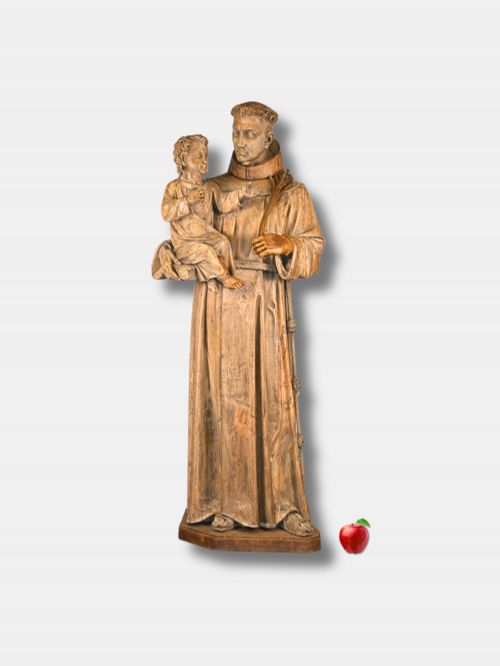
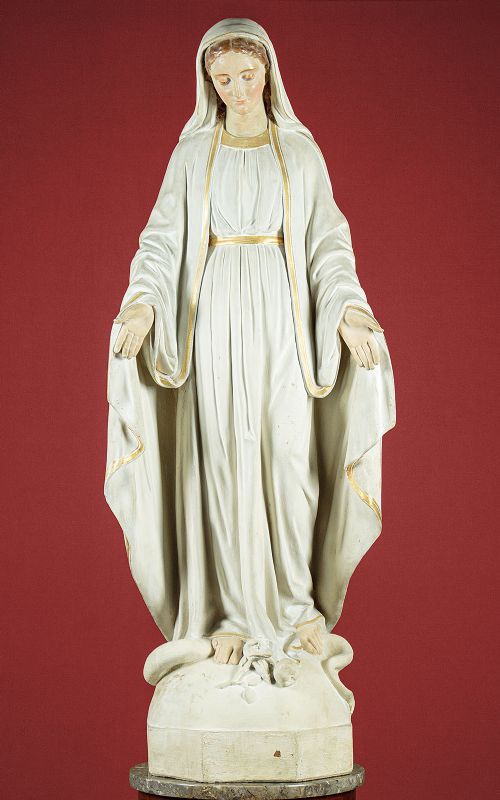
The objects take many forms, including standing crucifixes, wall sculptures, putti heads and free-standing figures of Mary, Jesus and local saints. Eighteenth-century carved timber works and nineteenth-century plaster or terracotta pieces appear frequently across the inventory. Each item bears the stylistic marks of its era, moving from sixteenth-century Renaissance fragments through baroque curves to gothic revival solemnity.
How they were made
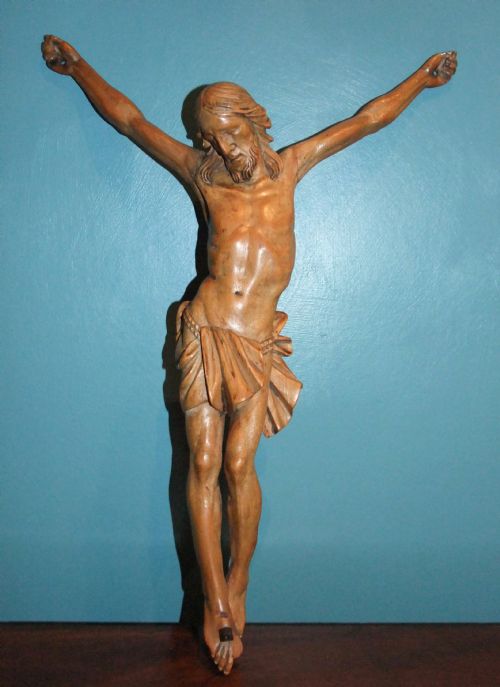
Carved wood forms the foundation of much of this work, utilising timbers such as oak, fruitwood, limewood and boxwood shaped with gouges and chisels. Artisans frequently applied gesso surfaces over the timber to receive polychrome paint or gold leaf decoration. Bronze and cast iron served for heavier metal castings, while terracotta and plaster provided pliable mediums for moulded figures.
Makers employed traditional joinery and carving techniques suited to the material at hand, whether working in dense boxwood for miniature detail or handling large-scale limewood blocks. Surface finishes ranged from natural waxed timber to intricate gilding and layered paintwork that gave flesh and vestments realistic depth. Many items began as components of larger church altarpieces or grave markers before becoming independent display pieces.
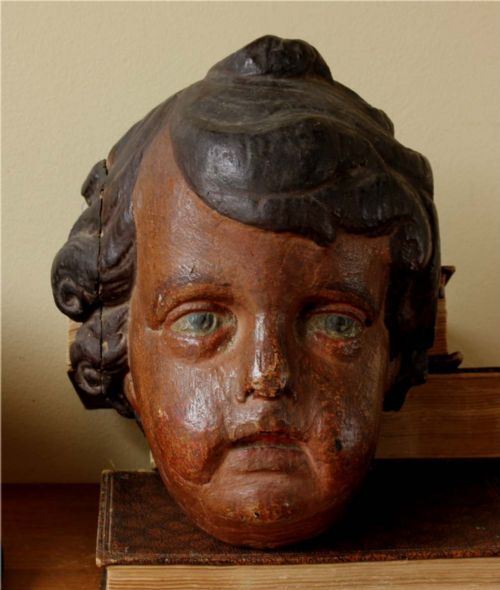
A pair of seventeenth-century limewood putti still carry the fixed, slightly bewildered expressions of angels drafted into centuries of silent watch.
What varies in quality
Sculptural execution separates workshop pieces from master carvings, evident in the anatomical precision of hands, drapery folds and facial expressions. The finesse of the initial chisel work or the crispness of the bronze casting dictates the visual impact of the subject. Pieces retaining their original polychrome paint or gold leaf layer display a greater degree of historical integrity than later overpainted surfaces.
The choice of material also influences the character of the piece, with dense hardwoods like boxwood or limewood allowing for finer detail than softer plaster or coarse terracotta. Proportion and scale affect presence, whether in a life-size figure or a delicate fragment salvaged from a larger Renaissance altarpiece. Preservation of the original surface patina directly impacts the aesthetic harmony of the object.
The French Religious Sculpture Glossary
- Polychrome
- Painted in several colours. This surface treatment was commonly applied to wood and plaster statues to bring realism to vestments and flesh tones.
- Corpus Christi
- The figure of Jesus Christ on a cross. These range from small boxwood carvings affixed to olive wood crosses to life-size wooden figures.
- Putti
- Representations of small winged infants or cherubs. Eighteenth-century limewood examples often appear as pairs detached from larger church decorations.
- Gesso
- A plaster mix applied to wood surfaces as a base for paint or gold leaf. It provides a smooth ground that accepts delicate gilding.
- Gothic Revival
- An architectural and artistic style drawing on medieval forms. Many nineteenth-century ecclesiastical pieces adopt this aesthetic.
French Religious Sculpture: Frequently Asked Questions
How do I date a wooden religious sculpture?
Dating relies on tool marks, timber species, style of drapery and the presence of original gesso or paint layers. Sixteenth and seventeenth-century works often show deep hand-chisel marks and dense hardwoods.
Later nineteenth-century gothic revival pieces exhibit different stylistic proportions and cleaner mechanical preparation. Comparing the wear patterns and construction methods helps place the piece within its historical century.
Where were these statues originally placed?
Many of these sculptures originated inside churches, private chapels, convents or roadside shrines. Larger figures stood above altars or served as processional objects during religious festivals.
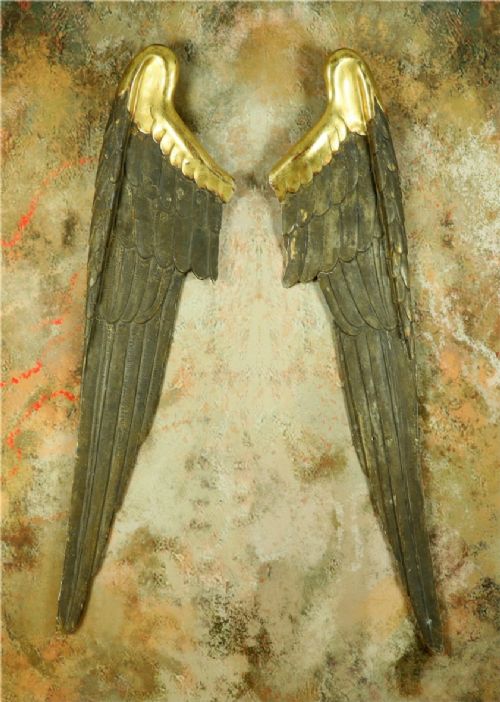
Smaller boxwood or ivory carvings were intended for private domestic devotion and bedroom shrines. Architectural fragments like angel wings or putti heads typically adorned larger wooden altarpieces.
What is the difference between plaster and terracotta figures?
Plaster figures are cast in moulds using a gypsum-based plaster mixture, which was common for nineteenth and twentieth-century ecclesiastical production. Terracotta is baked clay, fired in a kiln to create a durable ceramic body.
Terracotta pieces generally offer crisper detail and greater weight than plaster alternatives. Both materials frequently received painted or whitewashed surface finishes to mimic stone or marble.