

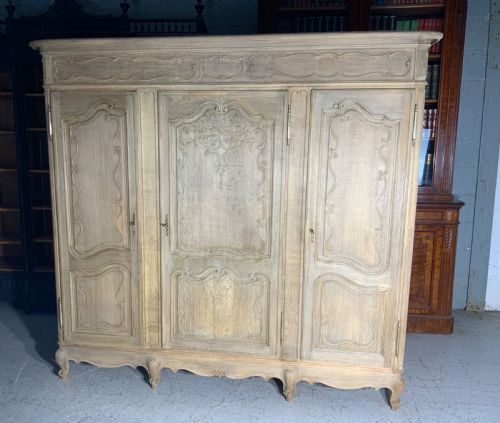
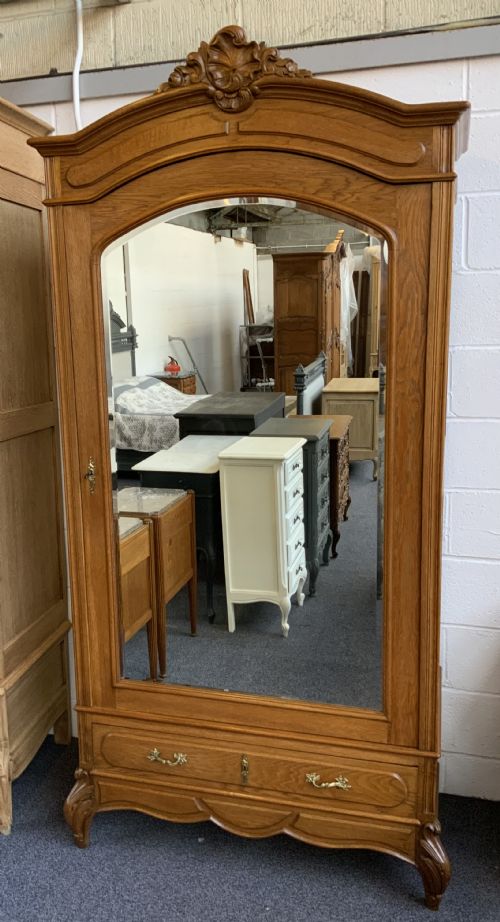
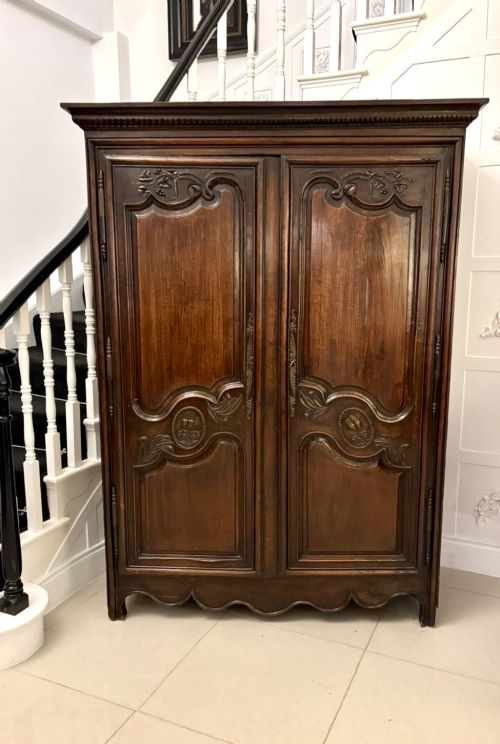
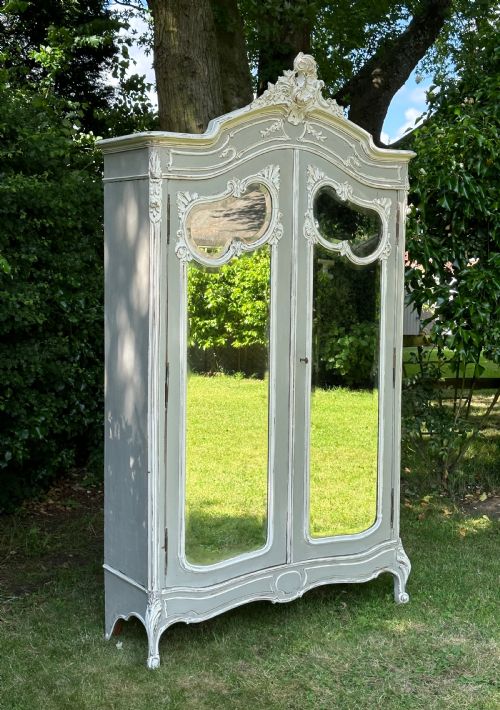




French Provincial Wardrobe
A french provincial wardrobe offers substantial regional storage, bringing traditional country character and deep timber presence to a bedroom.
French Provincial Wardrobe
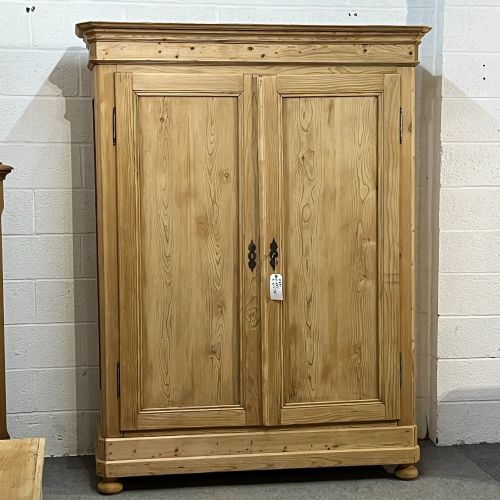
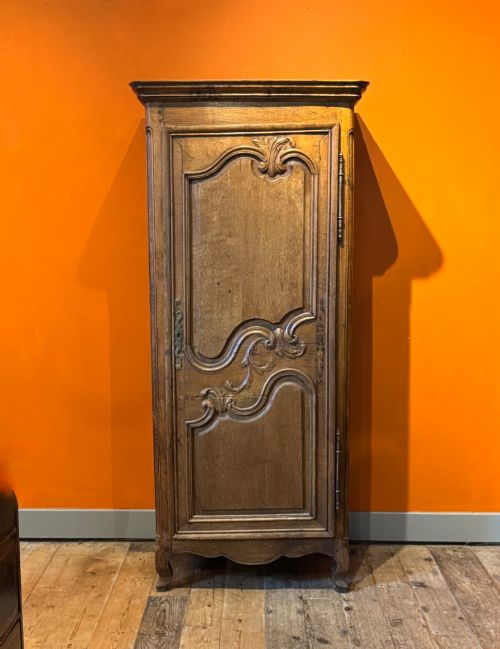
A french provincial wardrobe spans several distinct forms including armoires, cupboards, housekeeper's cupboards, and bonnetieres designed for rural domestic storage. These pieces emerge across periods ranging from the seventeenth century through to the early twentieth century, reflecting the varied local craftsmanship of French regions such as Burgundy.
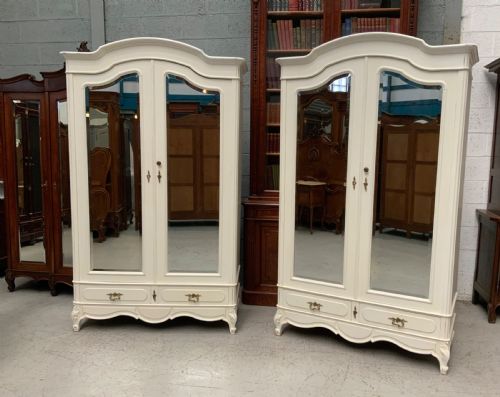
Buyers encounter substantial double and triple door formats alongside single door variants and modular flat pack constructions. The selections include painted finishes, brass detailing, and natural timber surfaces shaped by regional styles from Louis XV to Breton traditions.
Materials and Construction
Construction relies heavily on traditional hardwoods and softwoods including oak, walnut, pine, cherrywood, fruitwood, yew, and chestnut. Joinery often incorporates panelled doors and hand carving, supplemented by iron and brass hardware for hinges and locks.
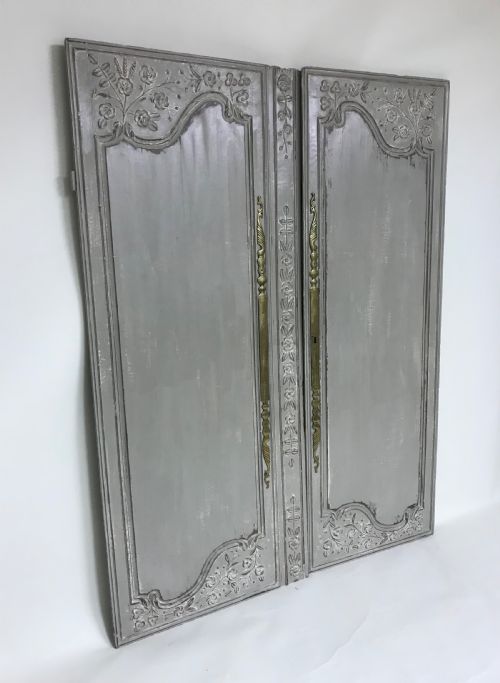
Surface treatments vary between natural waxed timber grains, bleached oak finishes, and painted applications such as downpipe grey. Certain pieces integrate glass panels or incorporate functional internal elements like secret drawers.
French Provincial Wardrobe Retail Price Guide 2026
Typical asking prices for french provincial wardrobe among the pieces listed under this phrase on Sellingantiques today, from the lower quarter to the upper quarter. They describe what is for sale here now, not the wider market.
The listings span multiple centuries of French cabinetmaking, featuring oak, walnut, and pine across regional styles like Louis XV and Breton.
Assessing Quality and Execution
Quality rests upon the depth of hand carving, the choice of timber such as figured walnut or dense oak, and the integrity of regional joinery. Pieces originating from the eighteenth century demonstrate refined proportions and cabinetmaking skill that set them apart from later production.
The sophistication of brass detailing, the weight and authenticity of original doors, and the preservation of early painted or bleached surfaces dictate the standing of an individual armoire within the wider selection.
The French Provincial Wardrobe Glossary
- Armoire
- A large freestanding cupboard or wardrobe used primarily for hanging or folding garments. These tall storage pieces often feature single or multiple panelled doors.
- Bonnetiere
- A tall, narrow single door cupboard traditionally used for storing hats or linens. This regional form usually presents slender proportions suited to smaller spaces.
- Housekeeper's Cupboard
- A utilitarian storage cabinet designed for domestic organisation of provisions or household textiles. These functional pieces often combine lower cupboards with upper storage.
- Louis XV Taste
- A design style characterised by curved lines, asymmetrical scrolls, and naturalistic carved motifs. Cabinetmakers working in this manner emulated the flowing ornamentation of the mid eighteenth century.
- Flat Pack Armoire
- An early form of dismantleable furniture constructed to allow transportation and assembly on site. These ingenious pieces utilise pegged joints rather than permanent glue.
French Provincial Wardrobe: Frequently Asked Questions
How do I date an antique armoire?
Dating relies on examining the construction methods, tool marks, and timber species used in the internal framework. Hand-cut joinery and pegged joints generally point towards earlier centuries, whereas later nineteenth and twentieth century pieces show more standardised mechanical preparation.
Style indicators such as Louis XV carvings or regional Breton motifs also help narrow the decade of production. Comparing the hardware, hinges, and locks to known period examples provides further chronological context.
Are these wardrobes easy to dismantle?
Many traditional examples were built with dismantling in mind to allow movement through narrow provincial doorways and staircases. Some pieces explicitly utilise flat pack construction with numbered pegged joints for straightforward assembly.
Larger double or triple door armoires require careful handling during disassembly to protect the original timbertenons and frame corners. Consulting the specific construction style of each cabinet ensures the framework remains undamaged during relocation.
What is the difference between an armoire and a wardrobe?
An armoire is a traditional European cupboard format that historically served multiple domestic storage needs before hanging space became standard. Wardrobes specifically emphasise garment hanging rails and full-length vertical storage.
In practice, many antique listings use the terms interchangeably to describe large freestanding timber storage furniture. The internal configuration of shelves, hanging hooks, or modern rails determines how each individual cabinet functions today.
Can I fit modern clothes hangers inside?
Many older pieces were designed before modern clothes hangers existed, meaning their internal depth can be shallower than contemporary wardrobes. Some historic armoires feature fixed shelving or shallow hanging depths that require front-facing rail adaptations.
Checking the internal depth measurements before purchase ensures standard coat hangers fit comfortably inside the closed doors. Alternatively, internal layouts can sometimes be adapted with slimline hanging solutions without altering the external antique structure.