

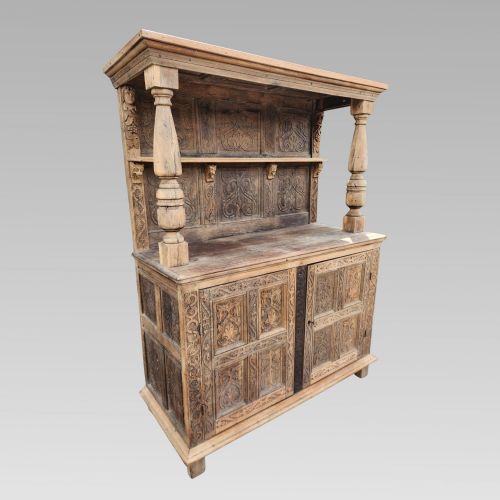

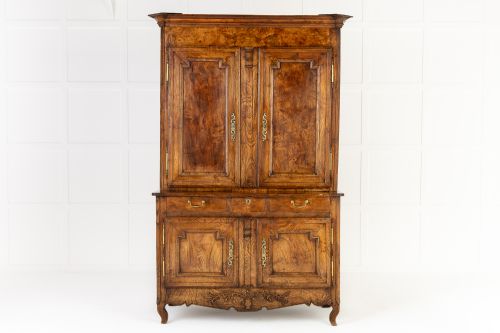


French Provincial Kitchen Dresser
A french provincial kitchen dresser brings practical storage and regional character to a room, built by country cabinetmakers to hold everyday domestic wares.
French Provincial Kitchen Dresser
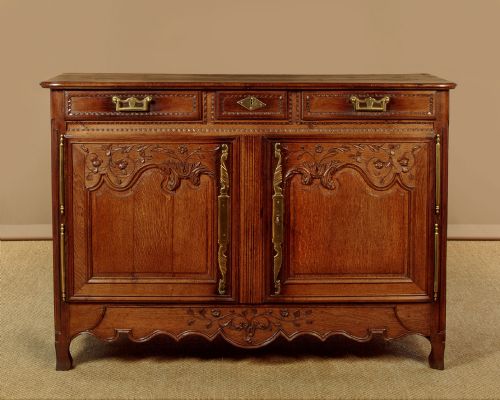
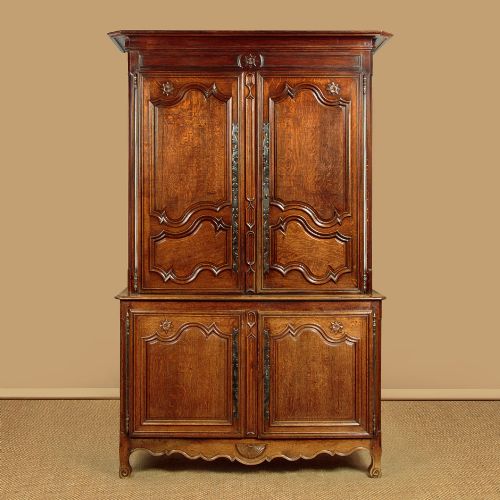
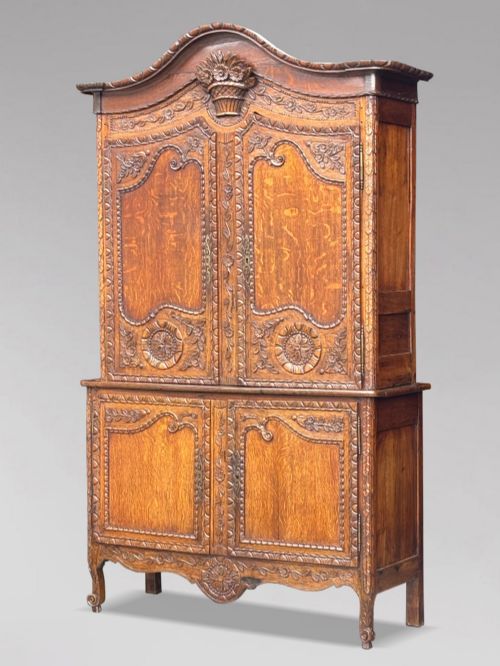
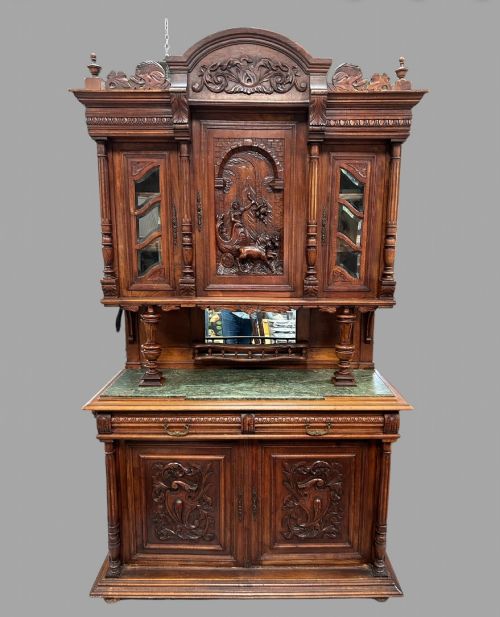
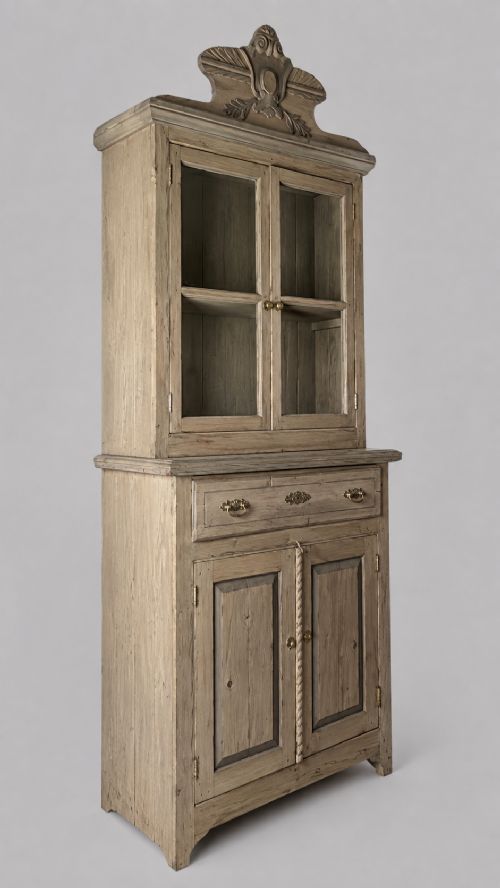
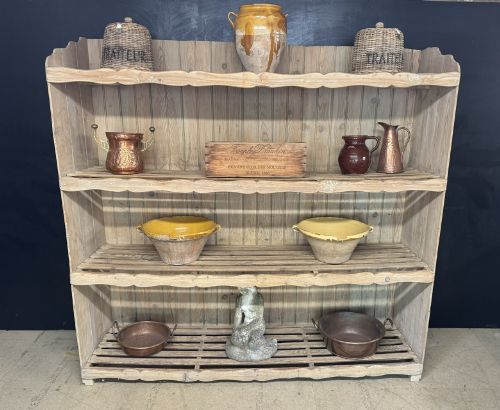
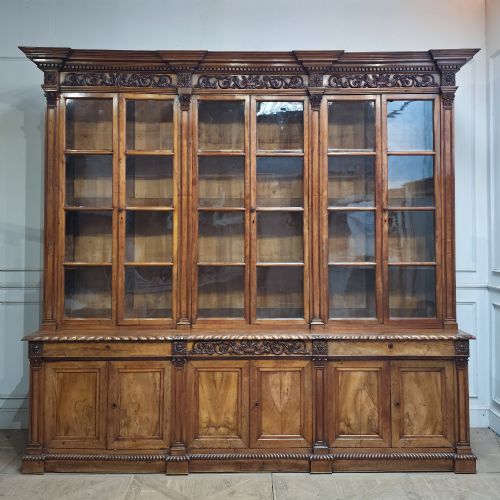
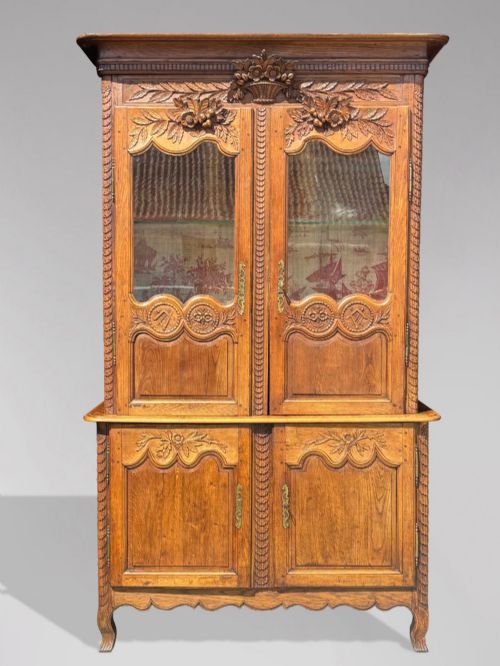
A french provincial kitchen dresser serves as a substantial storage piece, encompassing multi-tiered sideboards, two-part buffet cabinets, and glazed cupboards designed for domestic use. The pieces appearing here predominantly span the eighteenth and nineteenth centuries, reflecting the regional woodworking traditions of rural France.
Buyers will encounter various forms, ranging from towering oak buffet deux corps and vaisseliers to fruitwood housemaid cupboards and bakers racks. These items display regional styles including Louis XV curves and French country rustic construction.
Materials and Construction
Makers constructed these dressers using solid regional hardwoods like oak, walnut, fruitwood, and chestnut, often combining them with iron hinges, steel elements, and brass fixtures. Surfaces left unpainted developed a natural patina over centuries of use, while others received coats of paint or subtle inlay work.
Joinery methods relied on sturdy panelled construction, particularly in two-part buffet cabinets and heavy armoires designed to withstand daily rural labour. Glazed sections and shelving units required precise framing to support glass panels and heavy crockery.
French Provincial Kitchen Dresser Retail Price Guide 2026
Typical asking prices for french provincial kitchen dresser among the pieces listed under this phrase on Sellingantiques today, from the lower quarter to the upper quarter. They describe what is for sale here now, not the wider market.
The listings span the eighteenth and nineteenth centuries, featuring regional timbers including walnut, fruitwood, chestnut, and oak.
Construction and Material Quality
Quality depends upon the choice of timber and the integrity of the original construction, with dense hardwoods like walnut and oak offering greater longevity than softer pine or secondary woods. The refinement of carved panels and the survival of original brass or iron hardware distinguish more ambitious provincial commissions from simple utility cupboards.
The preservation of original painted surfaces or untouched wood patination greatly influences the character of a piece. Finer examples maintain their structural balance between upper glazed shelving and lower cabinet sections without excessive alteration to the timber over time.
The French Provincial Kitchen Dresser Glossary
- Buffet deux corps
- A large two-part cupboard featuring a lower sideboard base surmounted by an upper display or storage cabinet.
- Vaisselier
- A traditional wooden dresser or rack specifically designed for displaying plates, dishes, and kitchen ceramics.
- Fruitwood
- Timber harvested from fruit-bearing trees such as pear, cherry, or apple, frequently utilised by provincial cabinetmakers.
- Louis XV style
- A decorative aesthetic characterised by asymmetrical curves, cabriole legs, and naturalistic scrollwork originating in eighteenth-century France.
- Patina
- The surface sheen and colour developed on wood and metal through age, handling, and regular polishing.
French Provincial Kitchen Dresser: Frequently Asked Questions
How do I clean a wooden dresser?
Dust the surfaces regularly with a soft, dry cloth to prevent dirt accumulation in the grain and carvings. Avoid modern silicone sprays or harsh chemical cleaners that can strip the historic polish and natural patina.
Feed dry wood occasionally with a traditional beeswax polish applied sparingly and buffed gently. Keep the piece away from direct heat sources and strong sunlight to prevent the timber from warping or splitting.
Are these dressers delivered in two parts?
Many larger examples, particularly the buffet deux corps and tall cabinet combinations, separate into an upper and lower section for easier transport. This modular construction reflects the practical needs of rural cabinetmakers who had to deliver bulky furniture through narrow farmhouse doorways.
When positioning the piece in your home, ensure both sections are securely aligned and level on the floor. Professional delivery teams familiar with antique furniture handling should manage the assembly of heavier oak and walnut pieces.
How do I date an 18th-century cupboard?
Examine the construction methods, tool marks visible on interior boards, and the type of timber used for secondary framing. Eighteenth-century pieces frequently display hand-planed surfaces, pegged joints, and forged iron hardware rather than modern machine screws.
Consider the style of carving, handle backplates, and overall proportions, comparing them to documented regional French furniture. Subtle irregularities in the wood and construction usually point to genuine period craftsmanship rather than later reproduction.
Can I use a kitchen dresser in a living room?
These versatile storage units suit living rooms, dining spaces, and hallways just as well as kitchens. Glazed upper sections and open shelving provide an ideal display area for books, ceramics, and collections, while lower cupboards hide away clutter.
Ensure the room humidity remains relatively stable to protect antique fruitwood and oak from extreme environmental shifts. Measure your ceiling height and floor space carefully before purchasing, as regional French pieces are often tall and deep.