
French Provincial Chest of Drawers
These french provincial chest of drawers pieces bring regional French character and practical storage to a room.
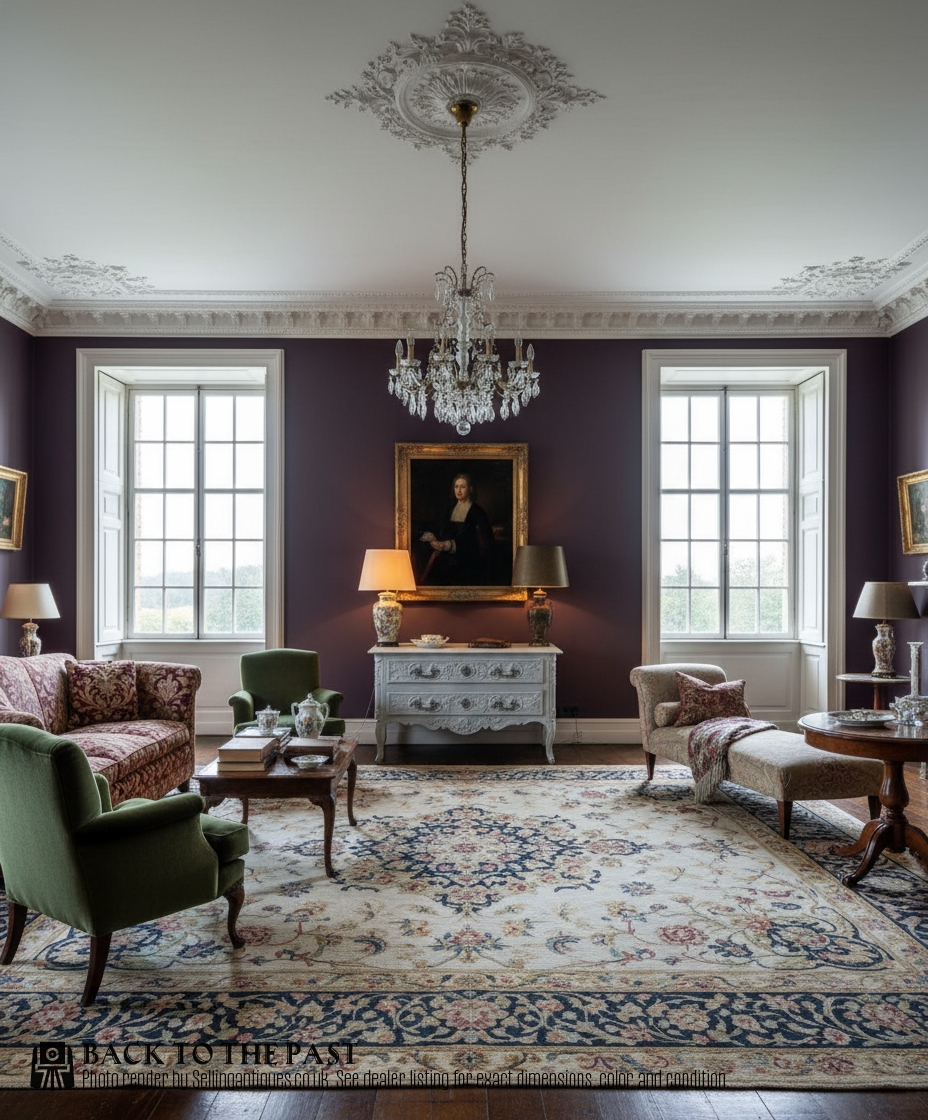
French Provincial Chest of Drawers
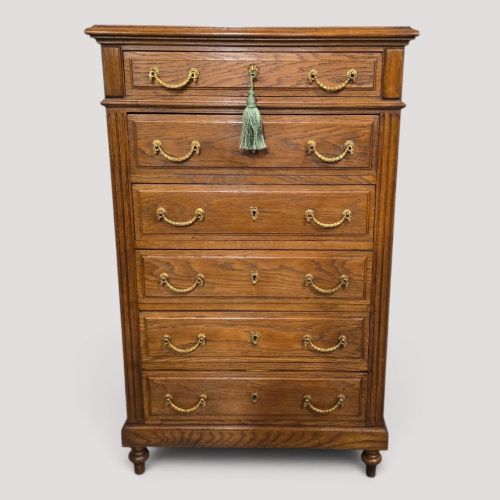
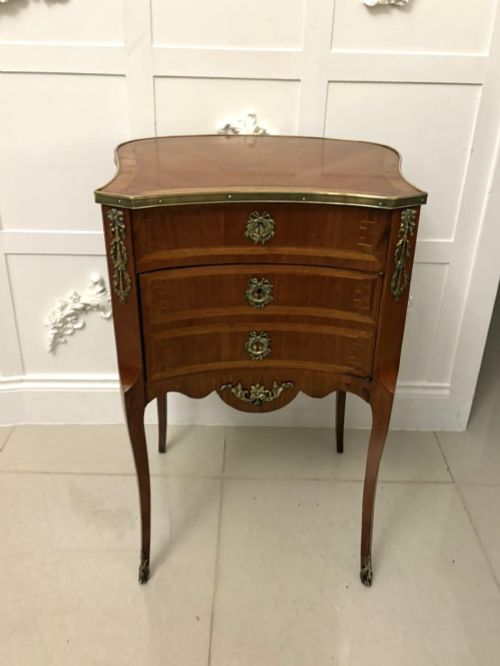
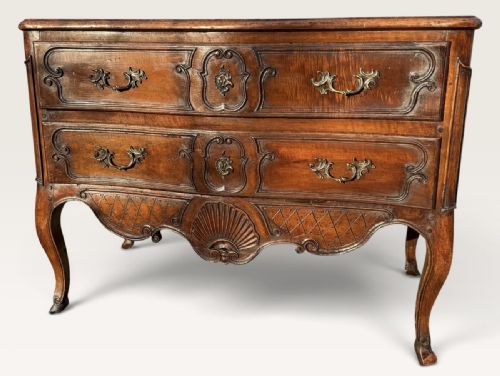
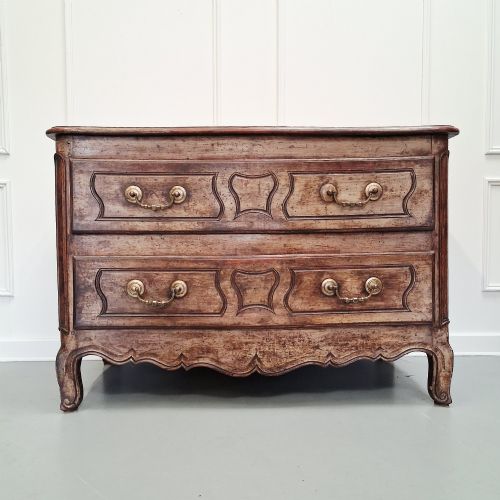
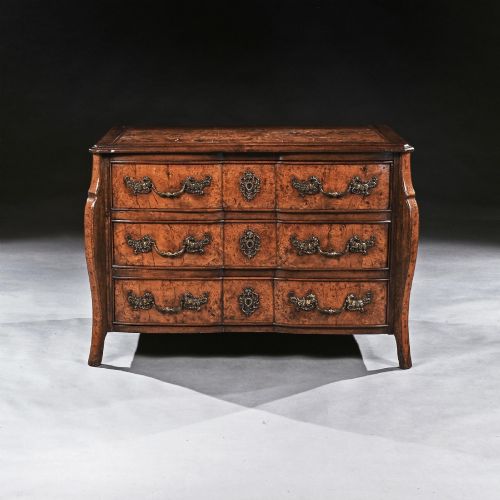
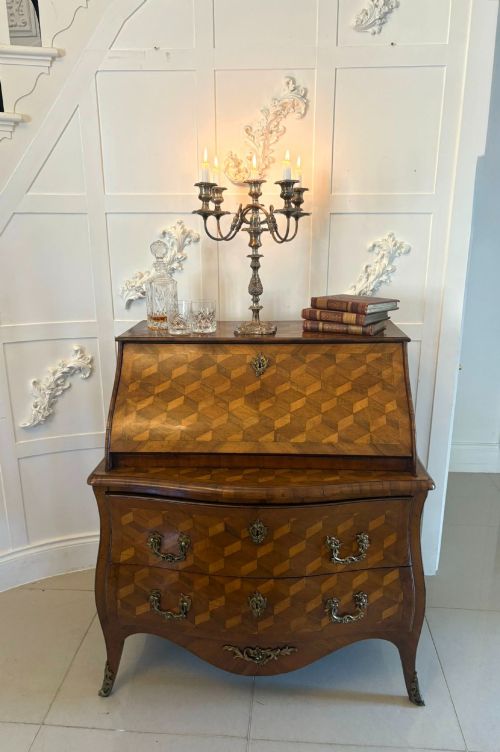
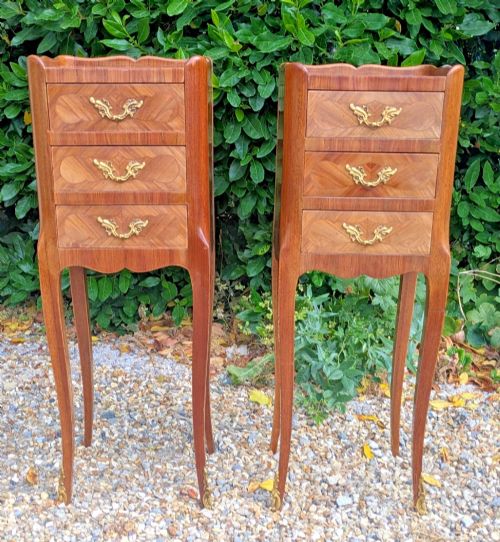
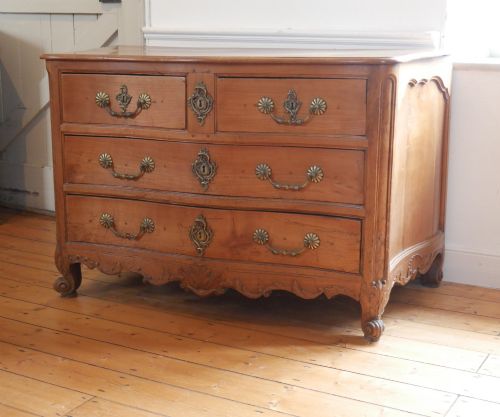
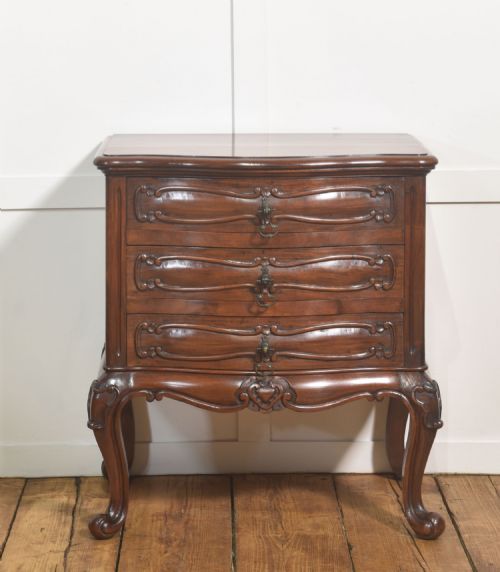
A french provincial chest of drawers typically takes the form of a commode, a serpentine fronted cabinet, or a bedside chest originating from French regions outside Paris. These items serve as functional storage furniture defined by regional cabinet-making traditions rather than strict court designs.
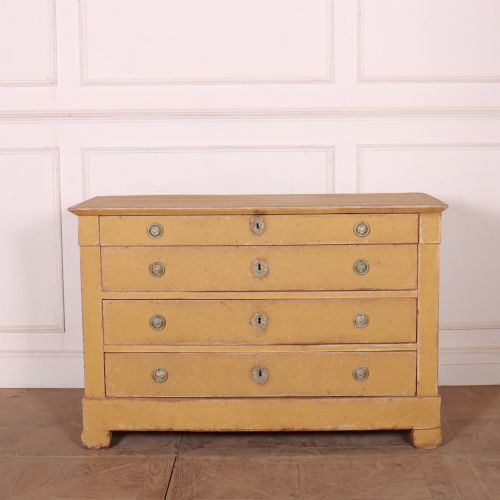
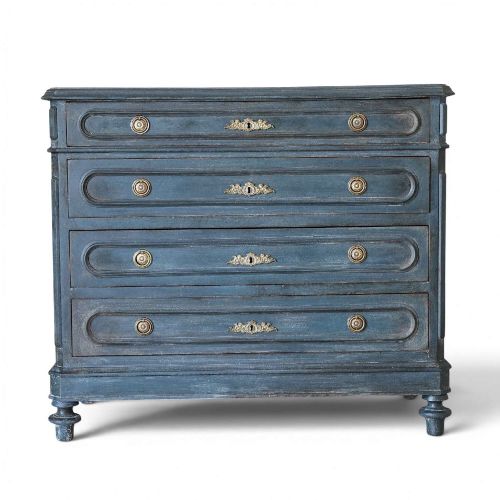
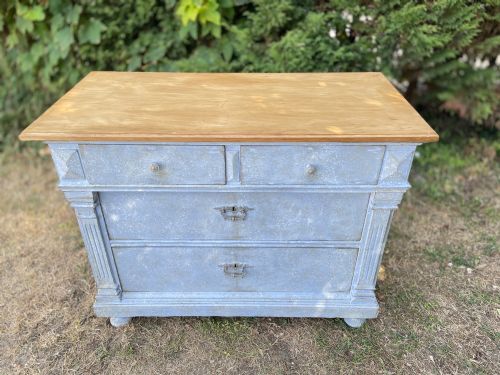
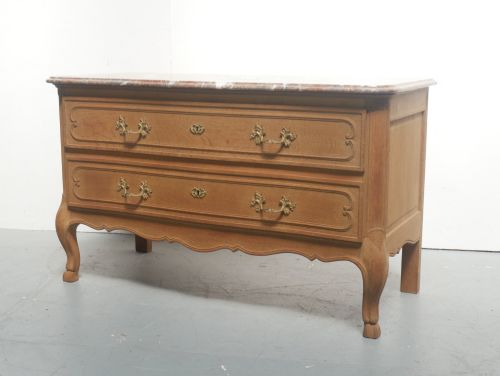
The pieces on this page span from eighteenth century walnut and cherrywood commodes to later nineteenth and early twentieth century oak and painted interpretations. Buyers frequently encounter robust oak, walnut, or fruitwood examples alongside serpentine and bombe silhouettes.
How They Were Made
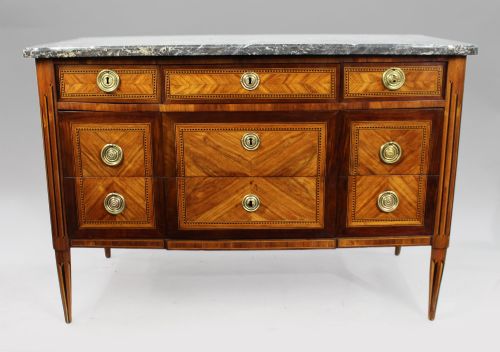
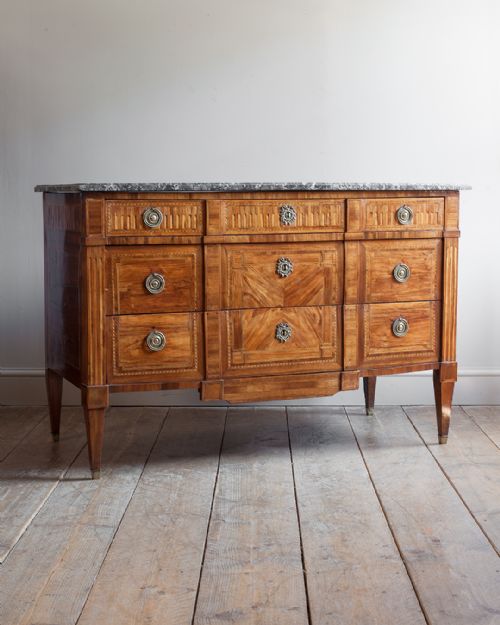
Cabinet-makers utilised solid timbers such as oak, walnut, cherrywood, and burr elm, often applying marquetry or parquetry in kingwood or fruitwoods across drawer fronts and surfaces. Structural elements rely on traditional joinery adapted to regional availability and workshop practices.
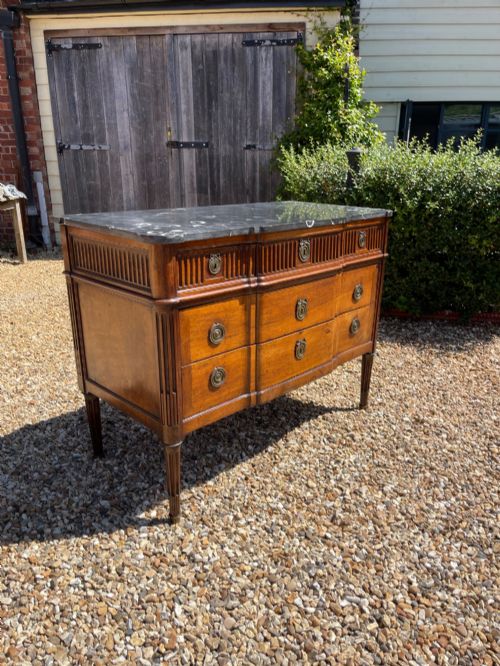
Many commodes incorporate shaped marble tops, brass handles, and occasional ormolu mounts to complement the timber carcases. Painted wood surfaces and bleached finishes appear alongside polished natural wood grains.
Miniature apprentice pieces appear here too, proving that great French style sometimes comes in remarkably small packages.
What Varies in Quality
The standard of a french provincial chest of drawers rests on the crispness of the carving, the precision of the parquetry or marquetry patterns, and the harmony of the proportions. Finer examples display fluid serpentine or bombe lines paired with carefully selected wood figures.
Materials dictate much of the distinction, with substantial marble slabs, detailed brass hardware, and dense timbers like burr elm or kingwood marking out the more ambitious regional workshops from simpler utilitarian pieces.
The French Provincial Chest of Drawers Glossary
- Commode
- A low chest of drawers or cabinet originating in France during the seventeenth century. These pieces often stand on short cabriole legs and serve as principal storage furniture.
- Bombe
- A bulging, outward-curving profile found on the sides and fronts of certain case furniture. This swelling shape requires advanced woodworking skill to execute properly.
- Serpentine
- A front profile characterised by a central convex curve flanked by two concave curves. It creates a gentle undulating movement across the drawer fronts.
- Parquetry
- Geometric patterns formed by fitting small pieces of veneer together on a surface. Cabinet-makers utilise contrasting timbers to create these decorative arrangements.
- Ormolu
- Gilded bronze mounts applied to furniture as decorative accents. This technique adds metallic highlights to the corners, handles, and apron.
French Provincial Chest of Drawers: Frequently Asked Questions
What is a commode?
A commode is the French term for a low chest of drawers or cabinet designed for domestic storage. These items typically feature multiple drawers and stand on short legs.
In period settings, they functioned primarily in bedchambers and reception rooms for linens or personal possessions.
How do I style a French chest?
A french provincial chest of drawers works well as a focal point in a hallway, bedroom, or living space. Its organic wood tones and shaped silhouette anchor the surrounding decor.
Pair the piece with simple lighting or mirrors to highlight the natural timber grain and marble top.
Are these chests eighteenth century?
The selection includes genuine eighteenth century examples alongside later nineteenth and early twentieth century revivals. Makers in later eras frequently reproduced earlier Louis styles.
Examining the construction methods, timber shrinkage, and joinery helps determine the exact period of manufacture.
What is serpentine shaping?
Serpentine shaping describes a front contour that curves outward in the middle and inward at the sides. This fluid line softens the rectangular appearance of the cabinet.
Crafting this shape requires precise carpentry to ensure the drawers operate smoothly within the curved carcase.