
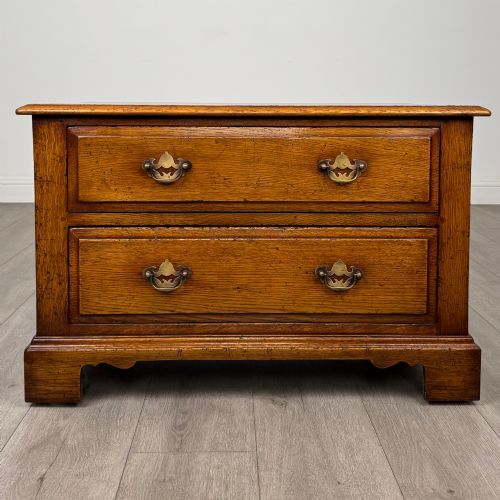
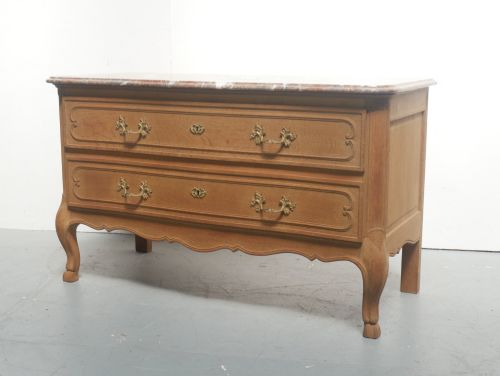
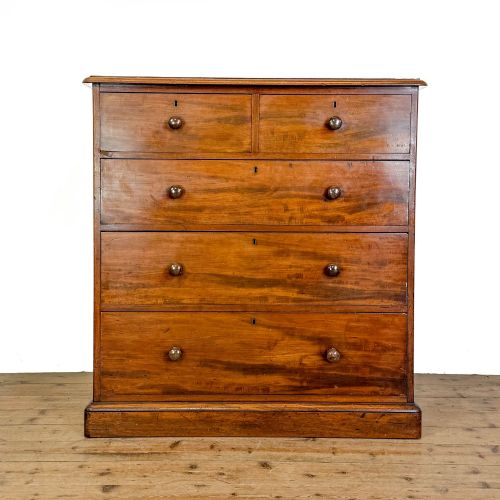
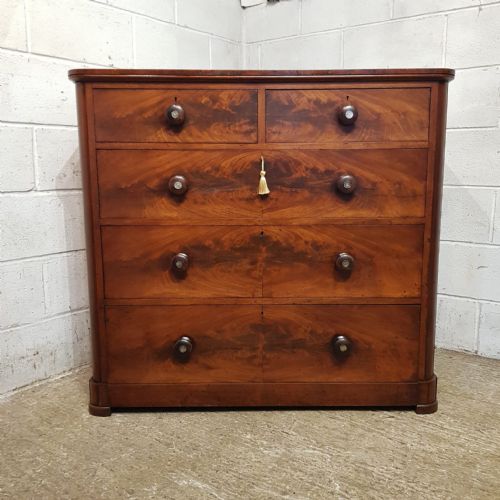


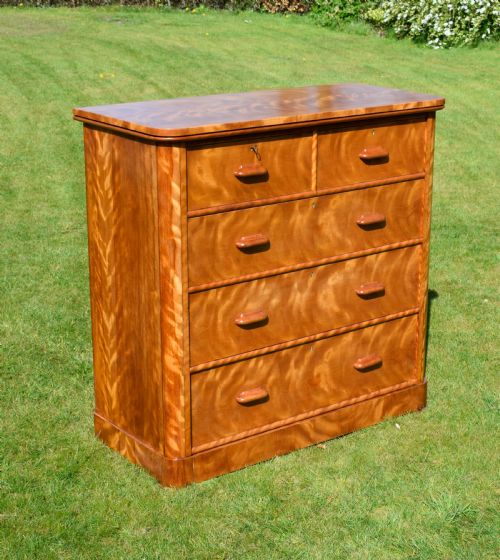

Carved Two Drawer Commode
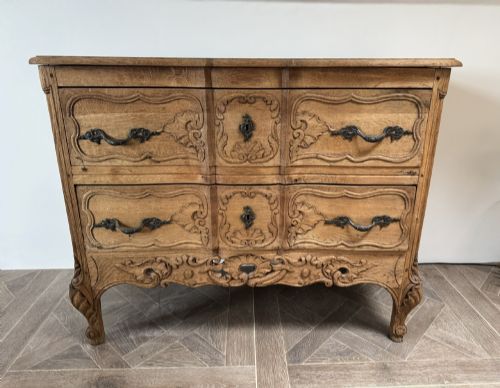
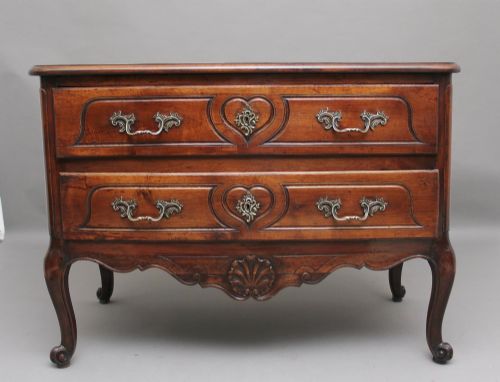
A carved two drawer commode brings substantial storage and deep historical character to a room through solid timber construction and period details.
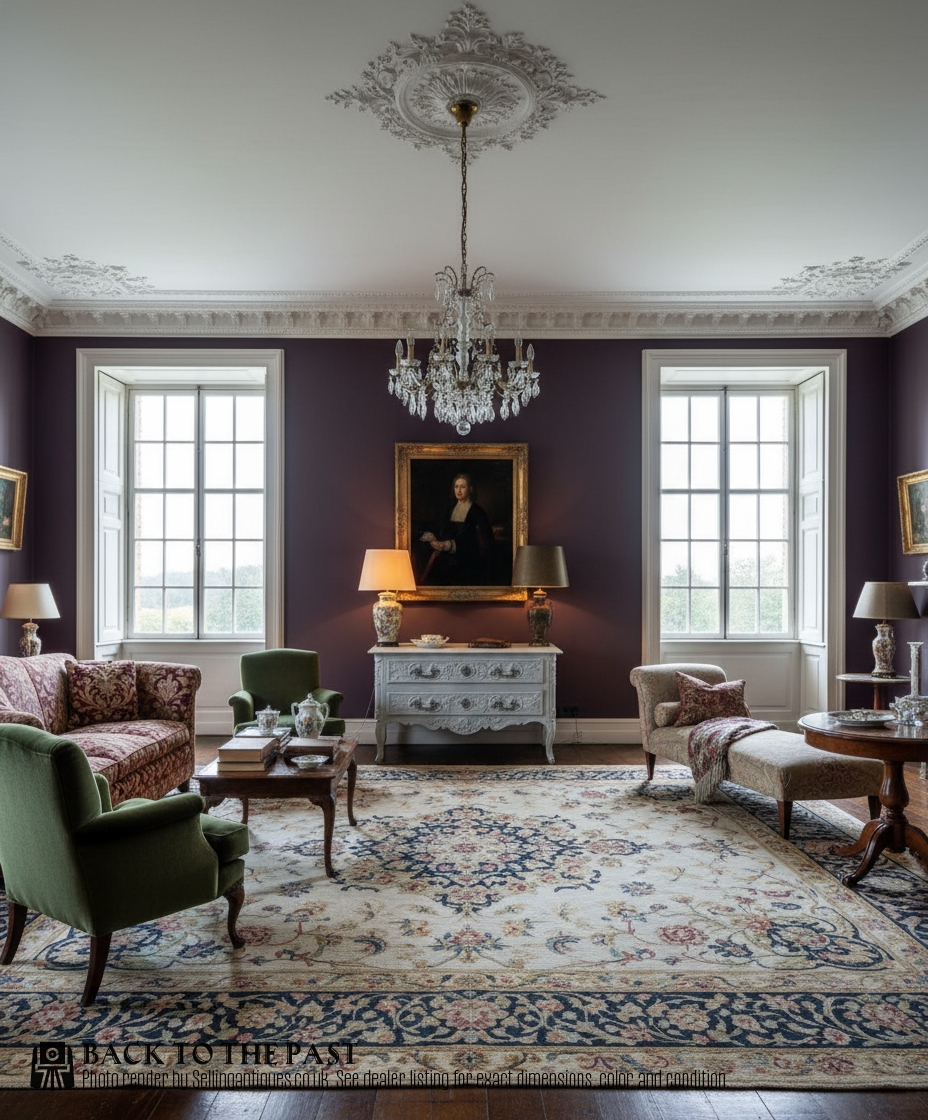
Carved Two Drawer Commode
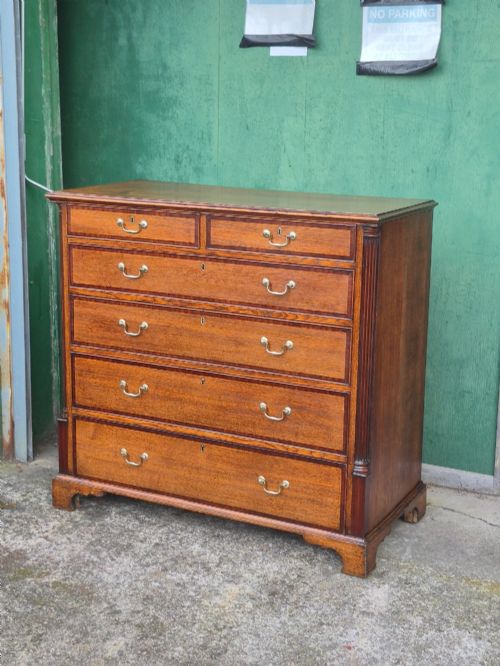
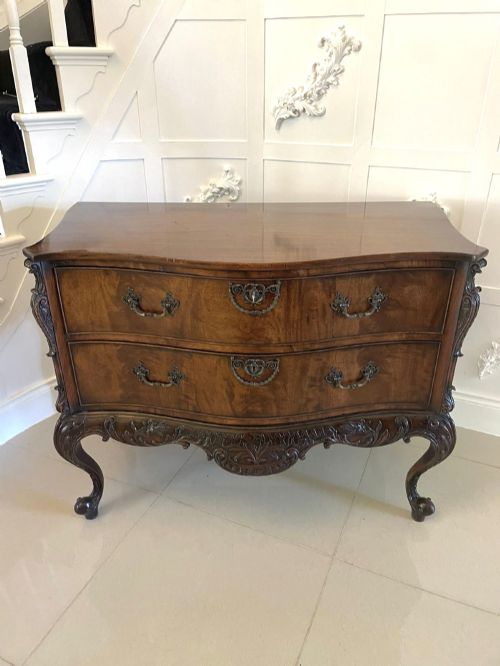
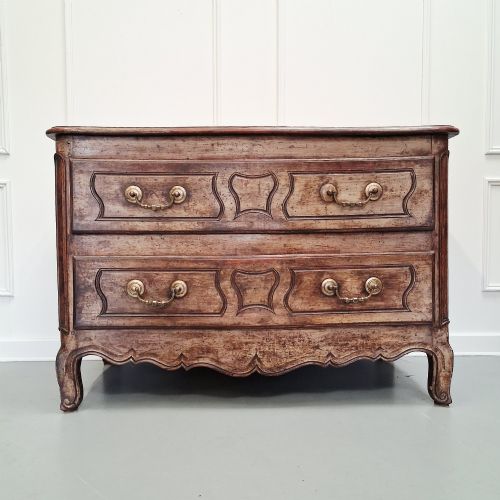
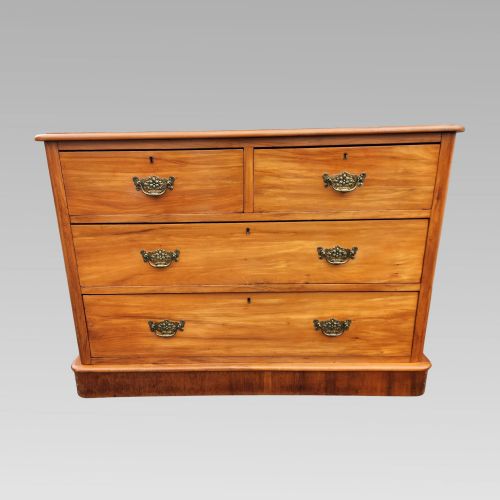
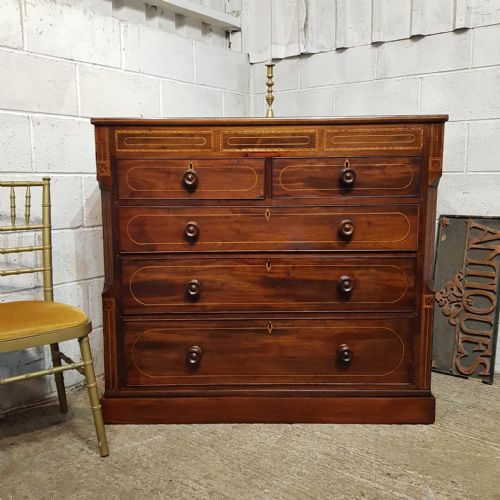
A carved two drawer commode appears in forms ranging from seventeenth century oak with geometric mouldings to eighteenth century French painted and serpentine designs. Buyers searching for a carved two drawer commode encounter examples spanning the seventeenth century through the Edwardian period, with nineteenth century mahogany and walnut pieces appearing frequently.
The objects serve primarily as low chests of drawers and commodes, originating from English, French, and Portuguese workshops. Materials include oak, mahogany, walnut, burr walnut, pine, chestnut, satinwood, and painted wood.
Regional styles dictate the silhouette, shifting from heavy oak panels in earlier centuries to refined serpentine fronts and marble tops on continental pieces.
Materials and construction methods
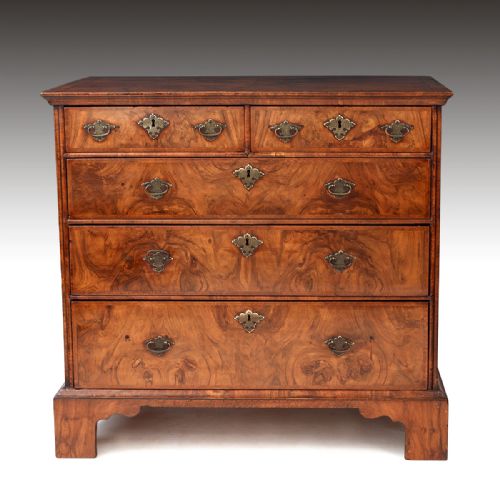
Cabinet makers utilised native and imported hardwoods, constructing carcases in oak, mahogany, walnut, and pine, often finished with burr walnut or flame mahogany veneers. Drawer interiors frequently feature secondary timbers such as cedar or oak.
Surfaces display hand carving, geometric mouldings, and inlay work, paired with brass handles or original hardware fixed to dovetailed drawer construction.
Period styles span Charles II, William & Mary, Louis XV Rococo, Georgian, Victorian, and Edwardian eras.
Distinctions in craftsmanship and finish
The refinement of the hand carving and the selection of timber figure, such as highly figured mahogany or burr walnut, separate standard pieces from superior examples. The integrity of original handles and the precision of drawer joinery heavily influence the standard of manufacture.
Proportion and decorative restraint dictate the distinction between provincial work and high style London or continental pieces.
Morison & Co
The Carved Two Drawer Commode Glossary
- Commode
- A low chest of drawers or cabinet, frequently associated with French eighteenth century designs and continental forms. The term covers various low storage chests.
- Serpentine
- A curved furniture front featuring a convex centre flanked by concave ends, or vice versa. This shaping demands advanced cabinet making skill.
- Geometric mouldings
- Raised wooden patterns applied to drawer fronts or panels, typical of seventeenth century joinery. These designs create strong shadow lines.
- Flame mahogany
- Mahogany veneer cut to reveal a flamy, flickering grain pattern resembling tongues of fire. Cabinet makers prized this timber for principal drawer fronts.
- Dovetail
- An interlocking joint used in drawer construction, formed by interlocking wedge shaped fingers. Hand cut dovetails indicate traditional craftsmanship.
Carved Two Drawer Commode: Frequently Asked Questions
What is a carved two drawer commode?
A carved two drawer commode is a low storage chest featuring two distinct drawer tiers and decorative woodwork. These pieces originate from various European traditions across several centuries.
They function as decorative storage units in living spaces, hallways, or bedrooms, providing surface display space alongside enclosed drawer storage.
How do I date an antique commode?
Dating relies on examining the timber species, construction joints like hand cut dovetails, and the style of carving or hardware. Earlier pieces from the seventeenth century often show oak framing and geometric mouldings.
Later Victorian and Edwardian examples utilise mahogany or walnut with machine assisted elements alongside traditional joinery techniques.
How do I care for antique wood furniture?
Preserving these pieces requires maintaining stable room humidity and keeping timber away from direct heat sources and strong sunlight. Regular gentle dusting protects the polish and natural wood finish.
Application of appropriate wax helps nourish older hardwoods like oak and mahogany without building up heavy residues on carved surfaces.