






French Blanket Chest
A French antique blanket chest brings rustic utility and enduring craftsmanship straight into a modern interior.
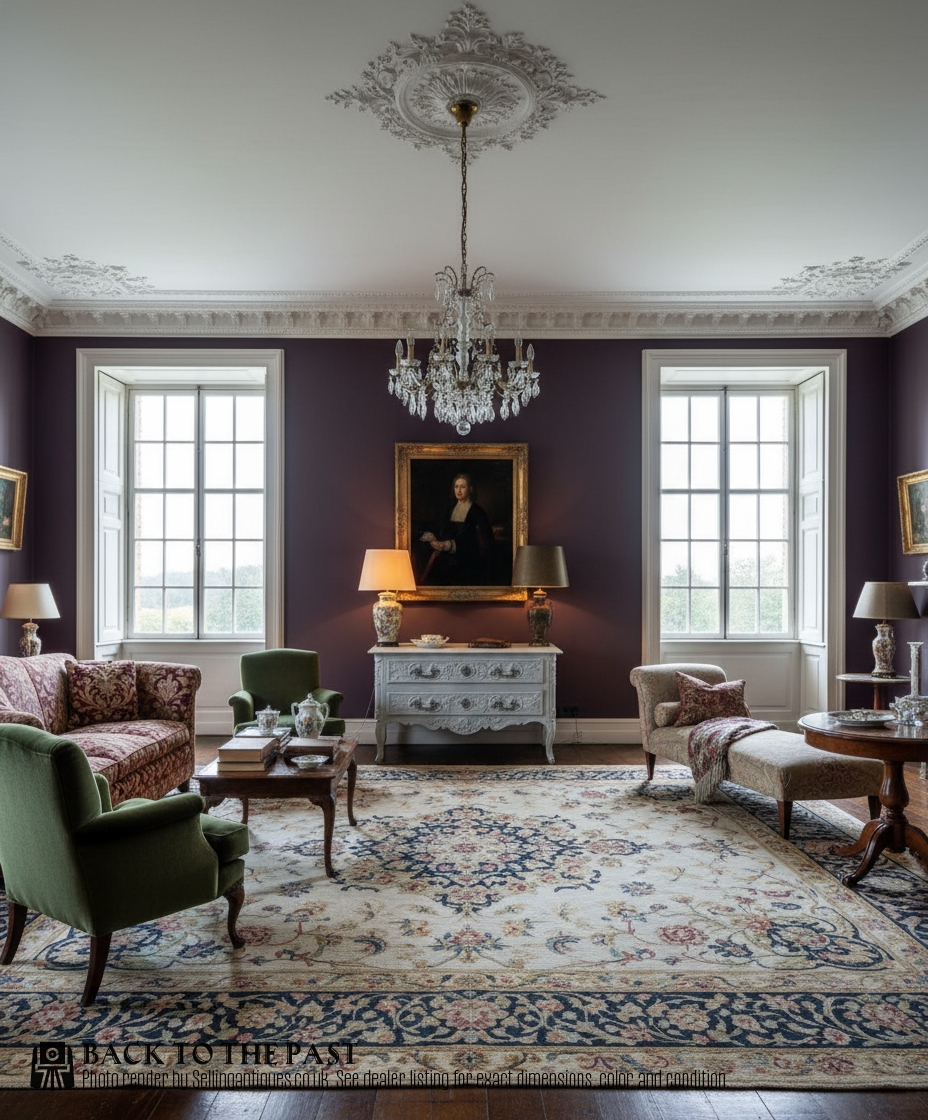
French Blanket Chest
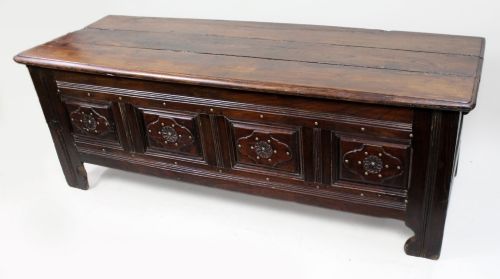
When searching for a french antique blanket chest, buyers encounter robust storage furniture primarily spanning the seventeenth through to the nineteenth centuries. These pieces encompass sturdy oak coffers, pine blanket boxes, fruitwood commodes, and canvas or leather-clad steamer trunks designed for travel and household storage.
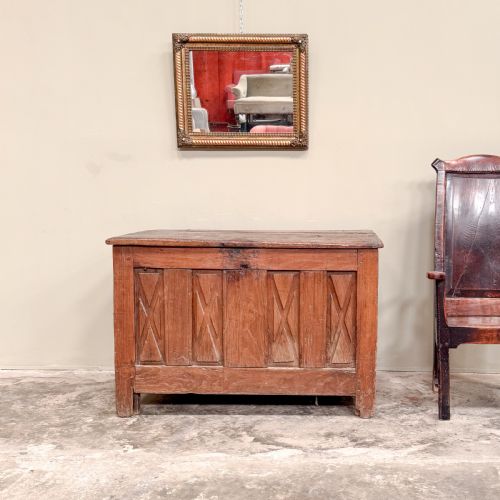
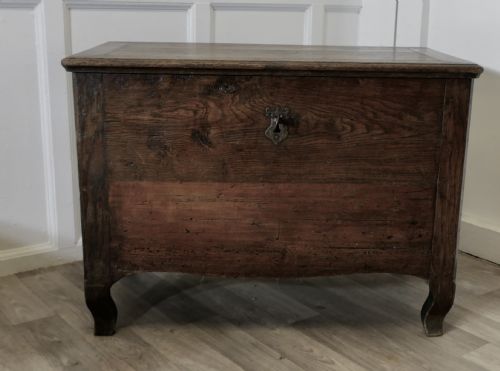
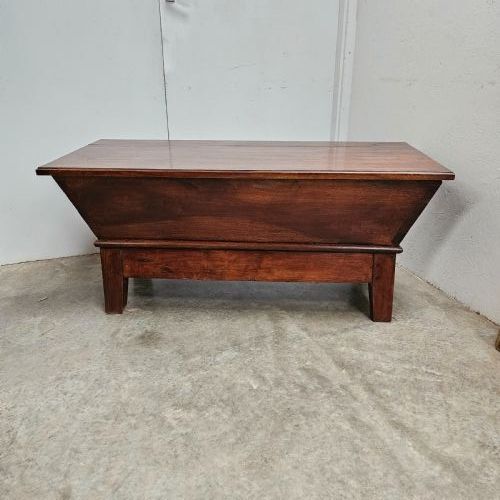
The version most frequently met on this page is the traditional provincial oak coffer, often dating from the eighteenth century. Alongside these wooden chests, inventory includes walnut dough proving boxes, elm cannonball boxes, and later twentieth-century luggage pieces.
Originating largely from French provincial regions and workshops, these storage items served practical domestic roles before becoming decorative focal points. Their forms range from simple planked boxes with iron hasps to carved oak coffers and painted commodes with drawers.
How They Were Made
Makers utilised heavy timbers such as oak, cherrywood, pine, elm, and walnut, selecting local woods suited to regional furniture traditions. Construction relied on sturdy joinery, hand-carved panels, and pegged frames designed to withstand heavy domestic use over centuries.
Metalwork played a crucial structural role, with blacksmiths forging wrought iron hinges, hasps, and carrying hoops. Later nineteenth and twentieth-century pieces incorporated brass hardware, leather cladding, and canvas coverings to protect luggage during transit.
French Blanket Chest Retail Price Guide 2026
Typical asking prices for french blanket chest among the pieces listed under this phrase on Sellingantiques today, from the lower quarter to the upper quarter. They describe what is for sale here now, not the wider market.
The listings span four distinct centuries, ranging from seventeenth-century oak coffers to 1920s steamer trunks.
What Varies in Quality
The distinction between tiers of quality rests upon the integrity of the original timber and the depth of regional carving. Finer examples display dense, well-figured oak or fruitwood with harmonious proportions and minimal later intervention.
Hardware preservation dictates the standing of a piece, as original hand-forged wrought iron hinges and authentic brass mounts elevate the work. Superior items retain their structural honesty, showing precise dovetailing, intact interior compartments, and surfaces unaltered by heavy modern stripping.
Aux Etats Unis of Paris·Louis Vuitton France
The French Blanket Chest Glossary
- Coffer
- A heavy wooden chest traditionally used for storing valuables, linen, or documents. These sturdy boxes often feature hinged lids and reinforced iron hasps.
- Commode
- A low chest of drawers or cabinet developed in France during the seventeenth century. They frequently incorporate decorative painted finishes or marble tops.
- Steamer trunk
- A luggage chest designed for ocean travel, popular in the early twentieth century. They often feature reinforced edges, leather cladding, and internal compartments.
- Dough proving box
- A specialised wooden container used in baking to rest and rise bread dough. These functional pieces double as low storage chests.
French Blanket Chest: Frequently Asked Questions
How are old French chests dated?
Dating relies on examining the construction methods, tool marks, and timber species used by the cabinetmaker. Hand-planed boards, pegged joints, and wrought iron hardware typically indicate earlier periods.
stylistic clues also help, as seventeenth and eighteenth-century pieces often display provincial carving patterns distinct from nineteenth-century utility boxes or twentieth-century steamer trunks.
What wood was used for French coffers?
French makers predominantly utilised local hardwoods and softwoods depending on regional availability and the intended function of the chest. Oak remains the most common material for early coffers due to its durability.
other examples feature cherrywood, walnut, elm, fruitwood, and pine, each imparting a distinct grain and weight to the finished storage box.
Were these chests used for blankets?
Historically, large wooden coffers and boxes served multiple domestic purposes including the storage of textiles, winter blankets, clothing, and household valuables. Their deep interiors protected precious fabrics from dust and pests.
over time, specialised blanket boxes evolved alongside general storage trunks and specialised containers like dough proving boxes.
How do I care for antique wood?
Maintaining antique wood involves keeping the piece away from direct heat sources and drastic humidity fluctuations that can cause timber to split. Regular dusting with a soft, dry cloth preserves the patina.
applying traditional wax sparingly helps nourish dry wood surfaces without building up unwanted residue over the original finish.